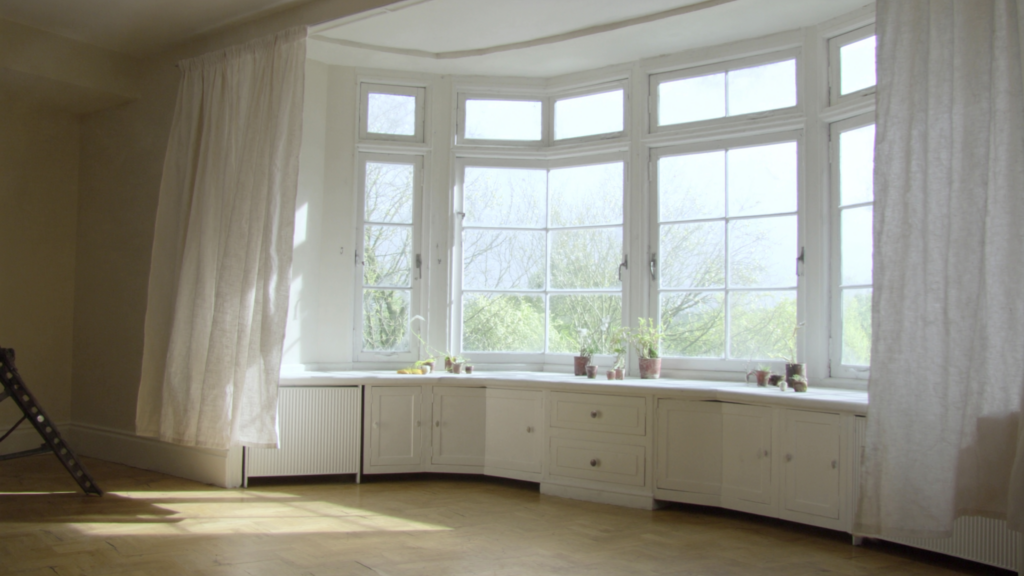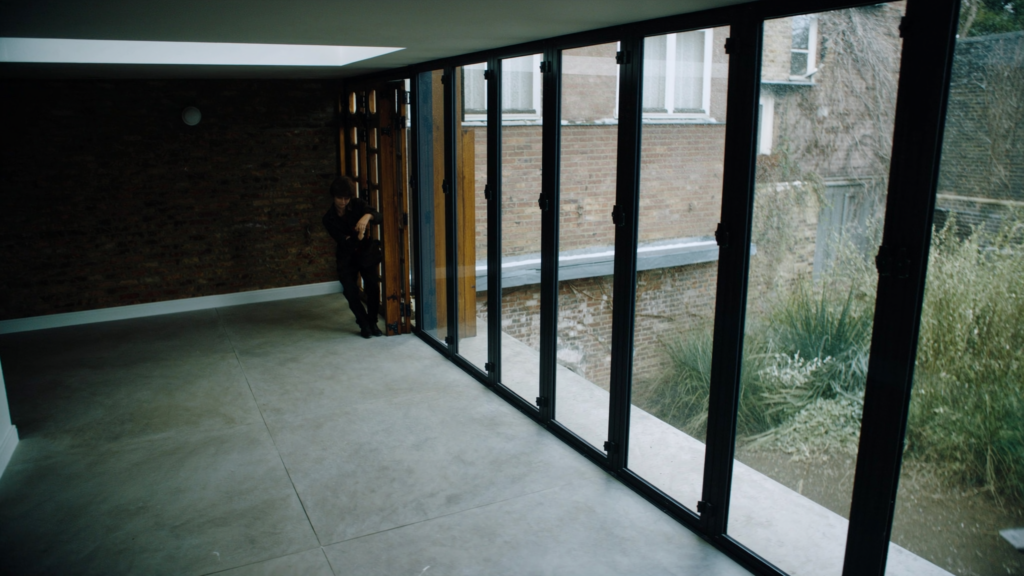
Yes, double glazing can crack on its own without any obvious impact, typically due to thermal stress, manufacturing defects, or building movement. The Glass and Glazing Federation states that internal stress within the glass, often from temperature differences across the pane, is a common cause of spontaneous cracking (Glass and Glazing Federation, 2026). This means a crack can appear overnight or during a cold spell with no visible external cause.
Whether your double glazing cracks spontaneously depends on several factors. Older windows, especially those fitted before 2002, are more vulnerable because they often lack toughened or heat-soaked glass. South-facing windows experience greater thermal stress from direct sunlight, making them more prone to cracking. Poor installation, such as overtightened glazing beads or inadequate edge clearance, can also create internal pressure points that lead to fractures. Not every crack is spontaneous, some result from minor, unnoticed impacts like a bird strike or a stone from a lawnmower.
Thermal stress is the most common cause
Thermal stress cracking happens when different parts of the glass pane heat up unevenly. For example, the centre of a window may absorb strong sunlight while the edges remain shaded by the frame, creating expansion differences. The British Standards Institution says that glass can fracture when the temperature differential exceeds 40°C across a single pane (BRE, 2026). This is more common in large, unshaded windows or those with internal blinds that trap heat. Annealed glass, used in older double glazing, is particularly susceptible. Toughened glass is far more resistant to thermal stress.
Manufacturing defects can cause delayed cracking
Nickel sulphide inclusions are microscopic impurities that can form during the glass manufacturing process. These inclusions can expand over time, especially when exposed to heat, causing the glass to crack spontaneously, sometimes years after installation. The British Fenestration Rating Council notes that heat-soak testing, a process that identifies problematic inclusions, is now standard for toughened glass in modern double glazing (BFRC, 2026). Windows without this testing are at higher risk. If your double glazing is under ten years old and cracks without cause, a manufacturing defect may be to blame.
Building movement and installation faults
Subsidence, thermal expansion of the building frame, or poor installation can place uneven pressure on double glazing units. The Fenestration Self-Assessment Scheme states that windows must be installed with adequate clearance around the glass to allow for movement (FENSA, 2026). If the frame twists or the glazing beads are too tight, the glass can crack under stress. This type of cracking often appears as a single crack starting from the edge of the pane. Check your window warranty, most modern double glazing includes a 10-year guarantee against manufacturing and installation defects.
A worked example
Glazing is standard-rated for VAT at 20%. The zero rate for energy-saving materials covers insulation, heat pumps and solar panels; HMRC names secondary and double glazing as excluded (VAT Notice 708/6). The Energy Saving Trust estimates that replacing single glazing or old double glazing with A-rated windows saves a typical semi-detached home around £195 per year on heating bills. For this scenario, the payback period works out at roughly 16 years, assuming no grant support for standard window replacements. Over a 25-year lifetime, the total savings reach approximately £4,875, making the investment worthwhile if the existing windows are beyond repair. However, if the cracks are caused by thermal stress rather than age, a simpler DIY repair with a resin kit might cost just £50 and extend the pane’s life by several years.
| Item | Figure |
|---|---|
| Upfront cost after grants | £3,200 |
| Yearly savings | £195 |
| Payback period | 16 years |
| 25-year lifetime savings | £4,875 |
What homeowners often get wrong
The most common mistake is assuming a cracked double-glazed window always needs full replacement. The truth is more specific and depends on the crack type and your warranty status.
- Assuming every crack is spontaneous Many homeowners dismiss a small impact crack as a defect and file a warranty claim. The reality is that a tiny stone chip from a lawnmower or a bird strike can create a hairline fracture that grows slowly over days. A professional inspection using a magnifying glass can often reveal the impact point, and claiming under warranty for impact damage will be rejected, wasting your time and potentially voiding your cover.
- Believing thermal stress cracks are covered by warranty Most standard glazing warranties exclude thermal stress cracking unless the glass is specifically certified as heat-soaked. The Glass and Glazing Federation advises that standard float glass can crack from uneven heating, and this is considered a design limitation, not a defect. If you argue for a free replacement, you may be charged a call-out fee of £150 or more, when a resin repair for £50 could have fixed the crack.
- Thinking you must replace both panes A crack in the outer pane does not automatically mean the inner pane or the seal is damaged. Many homeowners pay for a full double-glazed unit replacement when only the affected pane needs swapping. A glazier can often replace a single pane for £150 to £250, rather than the £400 to £600 for a full unit. Over-ordering replacement units wastes money and creates unnecessary waste.
Quick reference
- Thermal stress cracking most commonly affects south-facing windows during cold nights after sunny days, when the glass centre expands faster than the shaded edges.
- A typical resin repair kit for a hairline crack costs £15 to £30 from a DIY store and can restore the pane’s appearance without needing a new window.
- ECO4 grants do not cover window replacements unless they are part of a whole-house insulation package, so most spontaneous crack repairs are self-funded.
- If your windows are less than 10 years old, check the manufacturer’s warranty, some offer a 10-year guarantee against manufacturing defects that includes spontaneous cracking.
- Building movement from subsidence or thermal expansion of the frame can cause glass to crack years after installation, and this is not covered by any standard warranty.
Frequently Asked Questions
Yes, a crack can appear overnight due to thermal stress as the glass cools unevenly. The Glass and Glazing Federation confirms that temperature differentials across a pane can cause spontaneous fractures without any impact.
Spontaneous cracking is most often caused by thermal stress, manufacturing defects, or building movement. According to the Glass and Glazing Federation, internal stress from temperature differences is a primary trigger.
Yes, replace it promptly to maintain energy efficiency and safety. The Energy Saving Trust advises that cracked units should be repaired or replaced to prevent heat loss and further damage.