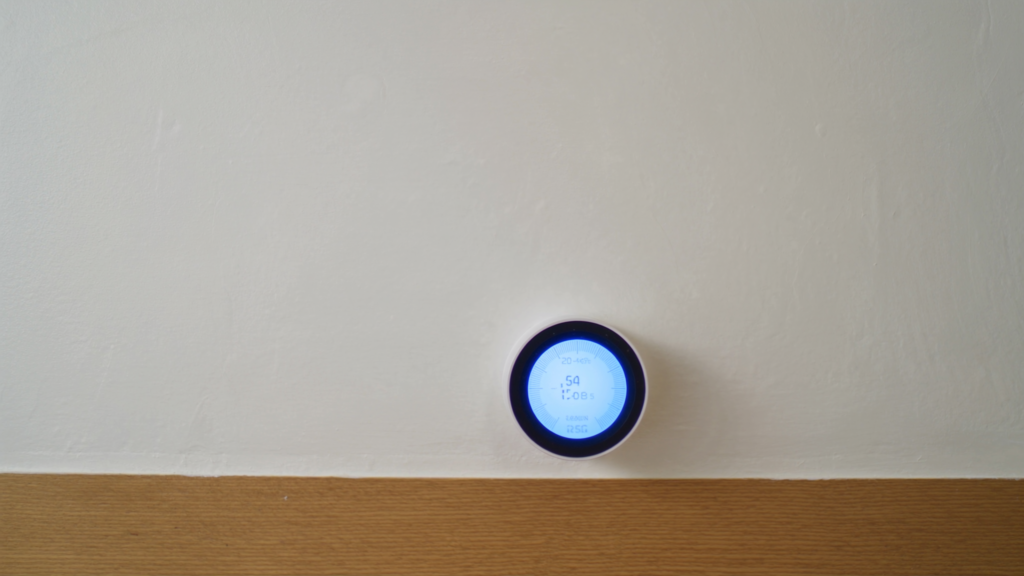
System boilers heat approximately 1.7 million UK homes and account for around 20% of all boiler installations nationally. Unlike combi boilers, a system boiler works alongside a dedicated hot water cylinder. That makes it particularly well-suited to larger properties with multiple bathrooms and high simultaneous hot water demand. In 2026, with energy bills still a significant household concern and new heating regulations tightening efficiency standards, understanding exactly what a system boiler offers, and whether it suits your home, is more important than ever.
How a System Boiler Works
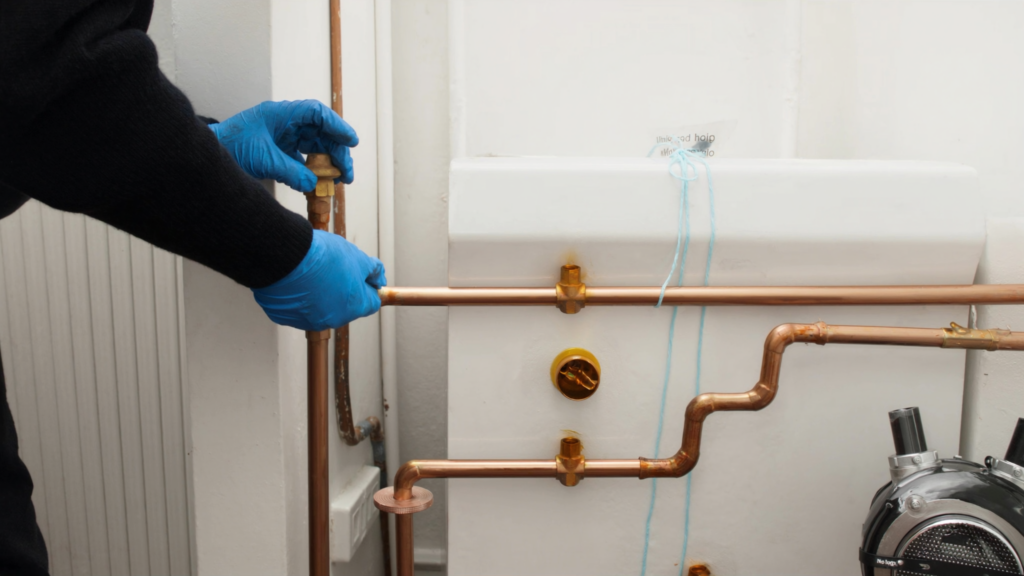
A system boiler generates heat by burning natural gas (or oil, LPG, or increasingly hydrogen-blend fuels) within a sealed combustion chamber. That heat transfers to water circulating through a closed-loop central heating circuit. The key distinction from other boiler types is that a system boiler incorporates most of the major heating components, the pump, expansion vessel, and pressure relief valve, directly within the boiler unit itself.
Hot water for taps and showers is handled differently. The boiler heats water and stores it in a separate hot water cylinder (also called an unvented or vented cylinder, depending on the system). When you turn on a tap, pre-heated water is drawn from this cylinder instantly, without the boiler needing to fire up in real time. This is why system boilers can serve multiple outlets simultaneously without a drop in pressure or temperature, the stored volume acts as a buffer.
The heating circuit itself is sealed and pressurised, typically running at 1–1.5 bar. The expansion vessel inside the boiler absorbs the increased water volume as it heats up, maintaining safe pressure levels automatically. A programmer or smart thermostat tells the boiler when to fire and at what temperature, while thermostatic radiator valves (TRVs) on individual radiators give room-by-room control.
Modern system boilers are condensing boilers by regulation, they recover heat from flue gases that older non-condensing units wasted, achieving efficiency ratings of 89–94% (A-rated on the ErP scale). This means that for every £1 spent on gas, up to 94p worth of useful heat reaches your home.
How central heating systems work and the different types available to UK homeowners
Types of System Boiler
System boilers are broadly categorised by fuel type and configuration. Understanding the options helps you narrow down what’s right for your property.
Gas System Boilers
The most common type in the UK, running on mains natural gas. Brands including Worcester Bosch, Viessmann, Vaillant, Ideal, and Baxi all produce well-regarded gas system boiler ranges. Output capacities typically run from 12 kW to 40 kW, with most family homes needing something in the 24–30 kW bracket.
Oil System Boilers
Used in off-gas-grid properties, oil system boilers require an external storage tank. They tend to cost more to run than gas equivalents, though modern condensing oil boilers still achieve efficiencies above 90%. Brands such as Grant and Worcester Bosch produce reliable oil system boilers for rural homes.
LPG System Boilers
Liquefied petroleum gas is another option for homes not connected to the gas network. LPG is stored in an external tank and tends to cost more per unit than mains gas, but provides a familiar gas-boiler experience. Many gas system boilers can be converted to run on LPG with a simple jet change.
Hydrogen-Ready System Boilers
From 2026, new boiler regulations in England require all newly installed gas boilers to be hydrogen-blend ready, capable of running on a gas mixture containing up to 20% hydrogen. This is now a standard feature across most major manufacturers’ current ranges, future-proofing your installation against potential grid changes.
How Much Does a System Boiler Cost in 2026
System boiler costs in 2026 vary based on boiler output (measured in kW), brand, and if you’re replacing an existing system boiler or converting from a different setup. The figures below reflect typical installed costs, including labour, all parts, and VAT at 5% (which applies to domestic energy-saving installations including boilers).
| Property Size | Recommended Output | Boiler Unit Cost | Typical Installed Cost |
|---|---|---|---|
| Small house (2 bed, 1 bathroom) | 12–18 kW | £600–£1,100 | £1,800–£2,800 |
| Medium house (3–4 bed, 2 bathrooms) | 24–30 kW | £900–£1,600 | £2,200–£3,500 |
| Large house (4–5 bed, 3+ bathrooms) | 30–40 kW | £1,200–£2,200 | £2,800–£4,500 |
| Off-grid oil system boiler (any size) | 12–35 kW | £1,500–£3,000 | £3,000–£5,500 |
These costs assume a like-for-like replacement where the hot water cylinder and most pipework remain in place. A full system conversion, for example, moving from a gravity-fed heat-only (regular) boiler to a sealed system boiler, adds £500–£1,500 for cylinder replacement, new pipework, power flushing, and magnetic filtration installation.
| Additional Cost Item | Typical Cost Range | When Required |
|---|---|---|
| Unvented hot water cylinder (replacement) | £500–£1,200 | Converting from vented system or old cylinder |
| Power flush | £300–£600 | Older systems with sludge build-up |
| Magnetic system filter | £80–£200 fitted | Recommended on all installations |
| Smart thermostat | £150–£350 fitted | Upgrading controls simultaneously |
| Flue extension or relocation | £100–£400 | Moving boiler position |
| Annual service (ongoing) | £60–£120 per year | Every year to maintain warranty |
The Benefits of a System Boiler
System boilers offer a distinct set of advantages that make them the right choice for a significant portion of UK homes. Here’s what you gain by choosing one.
- High hot water flow rates for multiple outlets. Because hot water is stored rather than generated on demand, you can run a shower, fill a bath, and use the kitchen tap simultaneously without pressure or temperature loss. A well-sized cylinder (typically 150–250 litres for a family home) provides ample stored capacity.
- Faster installation and neater appearance. Because components like the pump and expansion vessel are built into the boiler, installation is simpler and less disruptive than fitting a traditional heat-only (regular) boiler, which requires a separate feed-and-expansion tank in the loft.
- Compatibility with solar thermal panels. System boilers work very well with solar thermal collectors. A twin-coil hot water cylinder allows solar energy to pre-heat water, with the boiler only topping up the remaining heat required, reducing gas consumption by 40–60% during summer months.
- Sealed system efficiency. The closed, pressurised circuit reduces the risk of corrosion and sludge build-up compared to open-vented systems, extending component lifespan and maintaining efficiency over time.
- A-rated efficiency. All modern condensing system boilers achieve ErP A-ratings with seasonal space heating efficiencies of 89–94%, meaning your heating costs are significantly lower than with a non-condensing unit.
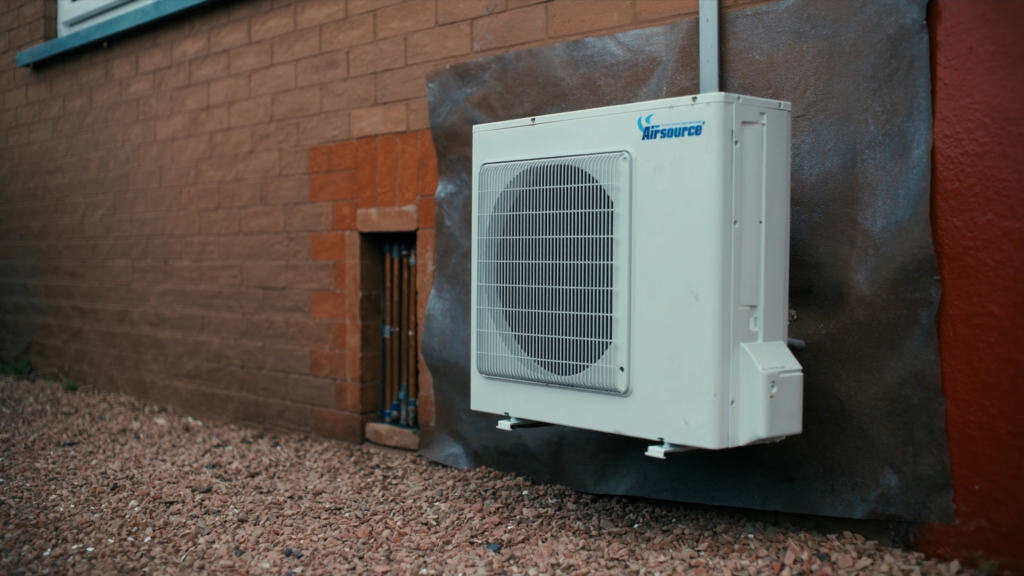
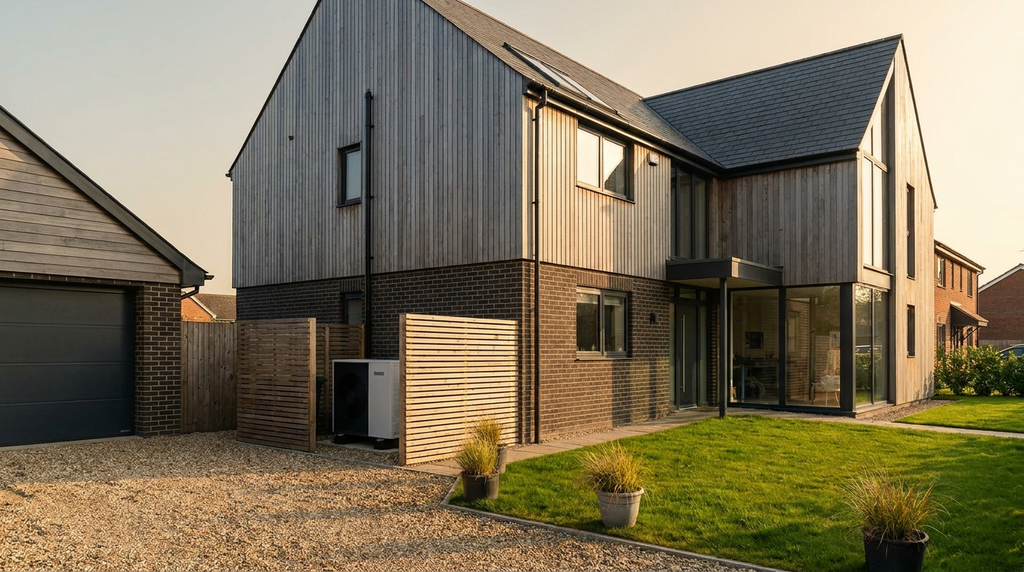
- Future compatibility with heat pump hybrid systems. System boilers integrate well into hybrid heating setups, where an air source heat pump handles the majority of heating demand and the boiler provides backup during very cold periods.
- Long lifespan. A well-maintained system boiler from a reputable manufacturer typically lasts 12–15 years, with some units reaching 20 years when serviced annually.
How to Choose the Right System Boiler for Your Home
Choosing a system boiler involves more than picking a brand. Getting the specification right from the start determines how efficiently and reliably your heating performs for the next decade or more.
Output Sizing
Oversizing a boiler is a common and costly mistake. A boiler that’s too large will short-cycle, repeatedly firing and cutting out, which accelerates wear and reduces efficiency. A qualified engineer should perform a heat loss calculation (following BS EN 12831 methodology) to determine exactly how much output your home requires. As a rough guide:
- 2-bedroom homes typically need 12–18 kW
- 3–4 bedroom homes with 2 bathrooms typically need 24–30 kW
- Large 4–5 bedroom homes with 3+ bathrooms typically need 30–40 kW
Cylinder Sizing
The hot water cylinder should be sized to meet peak demand. A family of four typically needs a 180–210 litre cylinder. If you have a large household or regularly run multiple showers in the morning, consider 250 litres or a twin-coil cylinder if solar thermal is part of your setup.
Brand and Warranty
The leading brands for reliability in 2026 include Worcester Bosch (which offers up to 12-year warranties on selected models), Viessmann, Vaillant, and Ideal. Longer warranties are generally only valid when the boiler is installed and annually serviced by an accredited engineer. Always confirm warranty terms before purchase.
ErP Efficiency Rating
Look for an ErP A-rating as a minimum. Higher-end models with modulating burners (which vary their output based on demand rather than simply switching on and off) deliver real-world efficiencies at the upper end of their rated range.
Smart Controls Compatibility
In 2026, pairing your system boiler with a smart thermostat is a straightforward upgrade that typically reduces gas consumption by 8–12%. Check that your chosen boiler is compatible with leading smart thermostat platforms before purchasing.
Installer Accreditation
Your installer must be Gas Safe registered (for gas boilers) or OFTEC registered (for oil boilers). Using a manufacturer-approved installer is often required to access the full warranty period. Request quotes from at least three installers and ask each to confirm what post-installation support is included.
System Boiler Installation, What to Expect
A like-for-like system boiler replacement typically takes one working day. A full conversion from a different system type may take one to two days. Here’s a realistic step-by-step of what a professional installation involves.
- Pre-installation survey. A qualified engineer visits your home to assess the existing system, measure the boiler location, check flue routing, inspect the hot water cylinder, and confirm the correct boiler size. This should include a heat loss assessment if your home has been significantly insulated since the last boiler was fitted.
- System drain-down. The heating system is fully drained. On older systems, this is also the point where water quality is assessed, high levels of iron oxide sludge (magnetite) indicate a power flush is needed before the new boiler is connected.
- Old boiler removal. The existing boiler is disconnected from gas and electrical supplies, removed, and responsibly disposed of by the installer.
- New boiler fitting. The replacement unit is positioned, bracketed to the wall, and connected to existing gas pipework, flow and return heating pipes, the condensate drain, and the flue. The condensate pipe must be routed to an internal soil pipe or suitable drain, external runs are permitted but must be insulated to prevent freezing.
- Cylinder inspection or replacement. If the existing cylinder is in good condition, it remains in place. If it’s over 10 years old, poorly insulated, or incompatible with the new boiler, replacement at this stage saves future disruption.
- System filter installation. A magnetic system filter (such as a Magnaclean or Fernox TF1) is fitted to the return pipe. This captures magnetite particles and protects the new boiler’s heat exchanger from contamination, a straightforward addition that meaningfully extends boiler life.
- System fill and pressure check. The system is refilled with inhibitor-treated water, pressurised to approximately 1.0–1.5 bar, and checked for leaks at all joints.
- Commissioning and testing. The engineer runs the system through a full heating and hot water cycle, checks flue gas readings to confirm combustion efficiency, sets the flow temperature (80°C is common, though lower flow temperatures of 55–65°C improve condensing efficiency), and tests all controls.
- Handover and documentation. You receive a Benchmark commissioning checklist (a legal requirement in the UK), warranty registration documents, and a walkthrough of the controls. The installation must be notified to Building Control, your Gas Safe installer handles this as part of the job.
Grants and Funding for System Boilers in 2026
UK government funding for heating in 2026 primarily focuses on low-carbon technologies, but there are still schemes that apply to boiler replacements in specific circumstances.
The Great British Insulation Scheme
While this scheme focuses on insulation rather than boilers directly, improving your home’s insulation can qualify you for a whole-house assessment that may open doors to heating upgrade funding. A better-insulated home also reduces the output required from a new system boiler, potentially allowing a smaller, cheaper unit.
The Boiler Upgrade Scheme (BUS)
As of 2026, the Boiler Upgrade Scheme provides grants of £7,500 for air source heat pumps and £7,500 for ground source heat pumps. Gas boiler replacements are not eligible for BUS funding. However, if you’re considering a hybrid system, pairing a new system boiler with a heat pump, the heat pump element of the installation may still qualify for BUS support. Speak to an MCS-certified installer to explore this route.
ECO4 Scheme
The Energy Company Obligation (ECO4) scheme runs until March 2026 and provides free or heavily subsidised heating upgrades, including boiler replacements, to households that meet certain eligibility criteria. You may qualify if you receive means-tested benefits such as Universal Credit, Pension Credit, or Child Tax Credit, or if your home has an EPC rating of D, E, F, or G. Contact your energy supplier or the Simple Energy Advice service to check eligibility.
Home Upgrade Grant (HUG2)
HUG2 funding, administered by local authorities in England, targets off-gas-grid homes with low energy performance ratings. If you’re in a rural property relying on an aging oil or LPG system boiler, you may qualify for funded upgrades. Eligibility varies by local authority area, check with your council directly.
VAT Relief
System boiler installations in residential properties qualify for the reduced 5% VAT rate on both the boiler unit and installation costs, rather than the standard 20%. This is a meaningful saving on the overall cost.
Common Problems and System Boiler Maintenance
System boilers are reliable, but like any mechanical system they require attention. Knowing the most common issues, and how to address them, keeps your heating running efficiently and your warranty valid.
Loss of Pressure
A drop in system pressure below 1 bar is one of the most common issues homeowners encounter. It’s usually caused by a small water leak somewhere in the system, or air trapped in radiators. Check for visible leaks around radiator valves and pipe joints first. If none are apparent, bleeding radiators to release trapped air often resolves the problem. If pressure drops repeatedly, call an engineer, there may be a developing leak at a joint, valve, or within the boiler itself.
Kettling and Noise
Kettling, a rumbling or banging sound from the boiler, is typically caused by limescale build-up on the heat exchanger, particularly in hard water areas. Scale restricts water flow and causes localised overheating and steam pockets. A descaling treatment can address mild cases; severe build-up may require heat exchanger replacement. In hard water areas (where water hardness exceeds 200 mg/l), fitting a scale reducer or inline softener at installation is strongly advisable.
Frozen Condensate Pipe
During cold snaps, the condensate drain pipe (which carries acidic condensate water to a drain) can freeze if it runs externally. Modern installations should route this pipe internally where possible. If the pipe freezes, the boiler shuts down with a fault code. Thawing with warm (not boiling) water poured over the external section usually restores operation quickly.
Magnetite Sludge
Iron oxide sludge is the enemy of heating system efficiency. It accumulates in radiators (causing cold spots at the bottom), clogs heat exchangers, and wears out pumps. A magnetic system filter catches new sludge as it circulates, but an existing sludge problem requires a power flush before installation of the filter. Annual filter cleaning (part of a standard service) removes accumulated particles.
Annual Servicing
Servicing your system boiler every 12 months is essential, not optional. A standard service covers inspection of the burner and heat exchanger, flue gas analysis, checking of all seals and gaskets, testing safety devices, cleaning the condensate trap, and checking system pressure and inhibitor levels. Annual servicing keeps your warranty valid, maintains efficiency, and catches developing faults before they become expensive. Budget £60–£120 per year for a standard service from a Gas Safe engineer.
Inhibitor Levels
Central heating inhibitor (such as Fernox F1 or Sentinel X100) should be present in your system water at the correct concentration to prevent internal corrosion and scale. Inhibitor degrades over time and should be topped up or replaced every two to three years, your engineer will check and advise during the annual service.
System Boiler Lifespan and When to Replace
A well-maintained system boiler from a quality manufacturer has an expected lifespan of 12–15 years, with well-serviced units sometimes reaching 20 years. Efficiency, however, degrades gradually over time. A boiler that was rated at 90% efficiency when new may be operating at 80–85% by year 12, costing you meaningfully more in gas bills each year.
The decision to repair versus replace becomes straightforward once repair costs exceed around 50% of a new boiler’s installed cost. Frequent breakdowns, rising energy bills, difficulty sourcing spare parts (typically an issue with boilers over 15 years old), and increasingly unreliable heating are all indicators that replacement makes better financial sense than continued repair.
If your current system boiler is approaching the end of its life, this is also the right moment to reassess whether the same technology remains your best option in 2026, or whether a hybrid system combining a new system boiler with a heat pump unit better suits your home’s long-term energy strategy and future-proofs you against evolving UK energy policy.
System Boilers and the Future of UK Home Heating
The UK government’s trajectory toward net zero has significant implications for gas boilers. The Future Homes Standard, coming into force for new builds, effectively excludes gas-only heating systems from new construction. For existing homes, however, gas system boilers remain a legal and practical heating choice in 2026, and for many properties, they represent the most cost-effective and reliable option available today.
The key developments shaping system boilers going forward include hydrogen-blend compatibility (now standard on new models), tighter ErP efficiency requirements, and growing integration with heat pump hybrid systems. If your home isn’t yet suitable for a full heat pump installation, perhaps due to older radiators, insufficient insulation, or budget constraints, a new hydrogen-ready system boiler installed today provides a sensible, compliant bridge to a lower-carbon future, while you work toward the wider fabric improvements that make full electrification viable.
For homes with high hot water demand, multiple bathrooms, and a well-established wet central heating system, the system boiler in 2026 remains a mature, proven, and highly efficient technology, not a legacy product on borrowed time, but a practical choice that balances performance, cost, and future adaptability.