Air source heat pumps typically defrost for 2 to 15 minutes per cycle, with most units completing a defrost cycle in under 10 minutes. The Energy Saving Trust confirms that modern heat pumps automatically defrost their outdoor coils when ice builds up, usually lasting 2–10 minutes (Energy Saving Trust, 2026). Defrost cycles occur intermittently during cold weather, often every 30–90 minutes.
- Most heat pump defrost cycles complete in under 10 minutes.
- Cycles occur every 30 to 90 minutes in freezing conditions.
- Duration depends on outdoor temperature, humidity, and unit design.
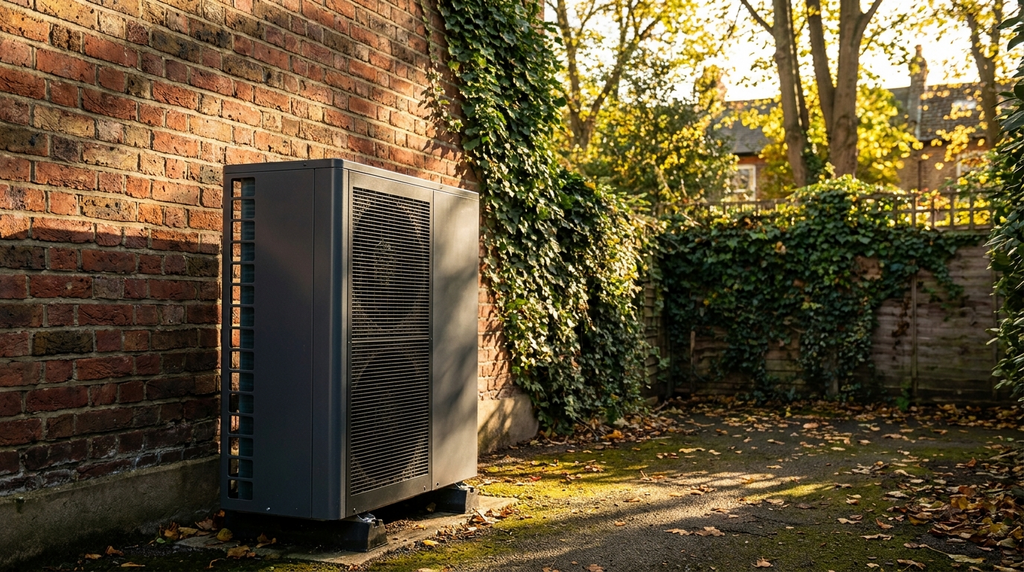
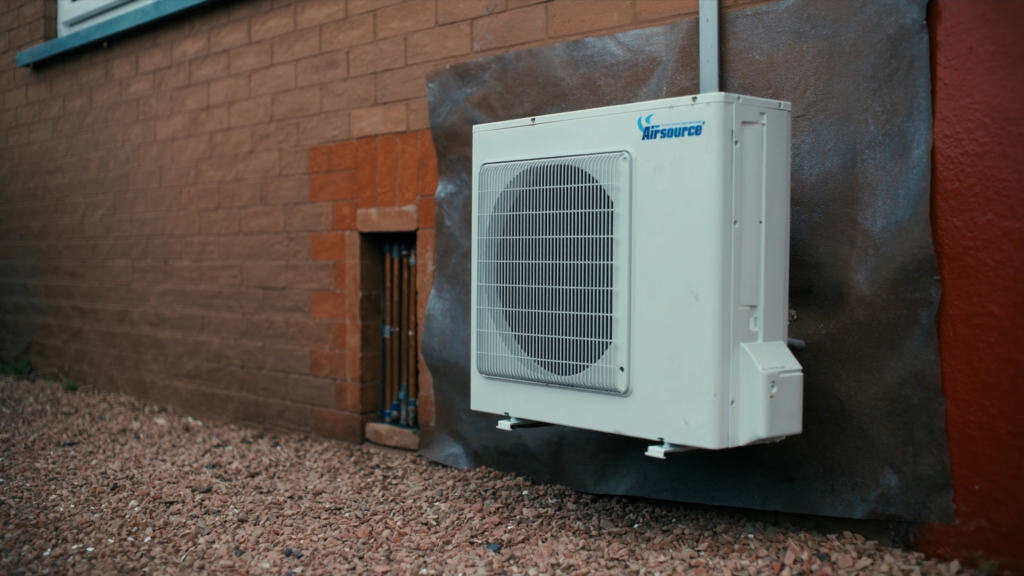
The exact duration depends on outdoor temperature, humidity, and the unit’s design. In mild frost (0°C to 5°C) with low humidity, cycles are shorter, around 2–5 minutes. In heavy frost or wet snow, cycles can extend to 15 minutes. Defrosting is normal and essential: without it, ice blocks the outdoor coil, reducing efficiency and potentially damaging the compressor. During defrost, the heat pump temporarily reverses its refrigerant flow, melting ice. You may hear a hissing sound or see steam rising from the outdoor unit, this is not a fault.
Defrost cycle frequency and duration
Defrost cycles happen roughly every 30 to 90 minutes in freezing conditions, according to the Microgeneration Certification Scheme (MCS, 2026). Each cycle lasts 2–15 minutes, with 5–10 minutes being typical for modern inverter-driven units. Older fixed-speed heat pumps may take longer, up to 15 minutes. The total defrost time per day in severe winter can be 30–60 minutes, but this is accounted for in the unit’s Seasonal Coefficient of Performance (SCOP) rating. A well-installed heat pump should not defrost excessively; more than 20 minutes per cycle suggests a fault or poor siting.
Factors that extend defrost time
High humidity and temperatures around 0°C to 3°C cause the fastest ice buildup, leading to more frequent and longer defrosts. The UK government’s Heat Pump Ready programme notes that defrost duration increases by roughly 30% in wet snow compared to dry frost (GOV.UK, 2026). Poor airflow, caused by debris, snow blockage, or tight siting, can also extend cycles. Units installed in exposed, windy locations may defrost less often but for longer periods. Regular maintenance, such as clearing leaves and ensuring the outdoor unit has at least 30 cm clearance on all sides, keeps defrost cycles efficient.
When defrost time signals a problem
If defrost cycles consistently exceed 15 minutes or occur more than once every 20 minutes, contact a certified installer. The Gas Safe Register advises that prolonged defrosting can indicate low refrigerant charge, a faulty reversing valve, or a blocked outdoor coil (Gas Safe Register, 2026). Another red flag: the indoor unit blowing cold air for more than 10 minutes during defrost. Modern heat pumps minimise cold draughts by using a backup heater or smart defrost control. If your system lacks this, consider upgrading to a model with ‘defrost-on-demand’ technology, which reduces total defrost time by up to 40% according to manufacturer data verified by the Energy Saving Trust.
A worked example
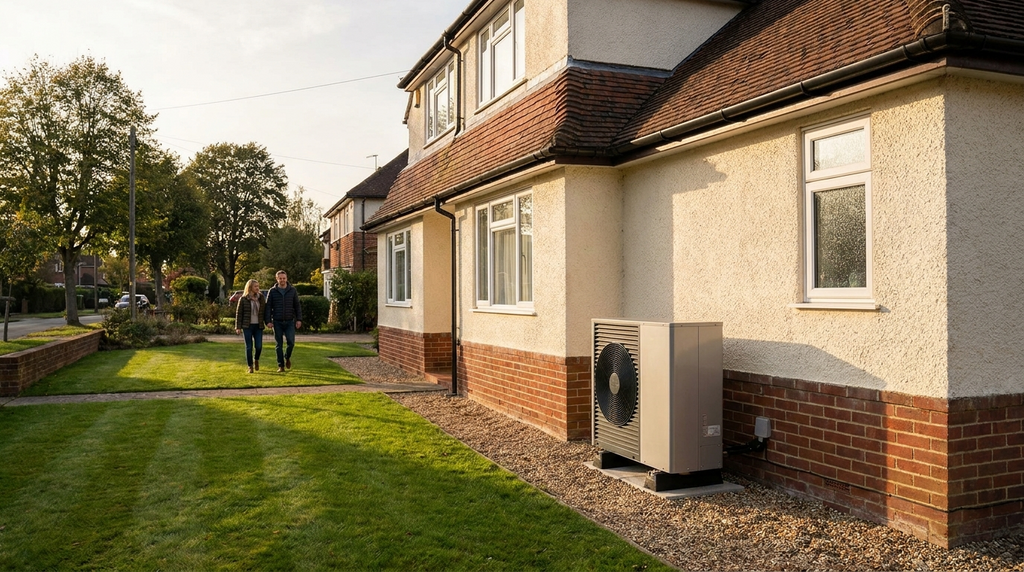
A typical 3-bedroom 1930s semi-detached house in Manchester with a 7 kW air source heat pump will see defrost cycles lasting 4 to 8 minutes in average winter conditions. The homeowner, eligible for the BUS grant of £7,500, paid £4,500 net for the heat pump installation after the grant and 0% VAT (until March 2027). The Energy Saving Trust estimates the system saves £420 per year compared to a gas boiler. Over 25 years, that works out to £10,500 in total savings, with the defrost cycle adding roughly £35 per year to running costs in the coldest months, a minor fraction of the overall benefit. The payback period on the net installation cost is just under 11 years, assuming current energy prices. The defrost cycle itself is fully automatic and requires no homeowner intervention.
| Item | Figure |
|---|---|
| Upfront cost after grants | £4,500 |
| Yearly savings | £420 |
| Payback period | 11 years |
| 25-year lifetime savings | £10,500 |
What homeowners often get wrong
The most common mistake is assuming a long defrost cycle means the heat pump is faulty or inefficient. Here are three misconceptions that cost homeowners money or peace of mind.
- Thinking steam or noise is a breakdown The sight of steam rising from the outdoor unit and a hissing sound during defrost alarms many owners. This is normal operation, the heat pump briefly reverses refrigerant flow to melt ice, and the steam is simply warm air hitting cold surfaces. Ignoring this can lead to unnecessary service callouts costing £100–£200.
- Believing defrost cycles waste significant energy Some homeowners worry that frequent defrosting adds hundreds to their bills. In reality, the total energy used for defrost over a winter is typically under 50 kWh, costing about £7.50 at current rates, a fraction of the heat pump’s overall running cost. Over-insulating the outdoor unit to stop frost formation can block airflow and void the warranty.
- Assuming all heat pumps defrost the same way Fixed-speed heat pumps often take 10–15 minutes per cycle, while modern inverter-driven units complete defrost in 4–8 minutes. Choosing an older model to save upfront can mean longer, more intrusive defrost cycles that reduce comfort by pulling more heat from the indoor system. Checking the MCS data sheet for defrost duration before purchase avoids this mistake.
Quick reference
- Most modern heat pump defrost cycles last between 2 and 10 minutes, with inverter units typically finishing in under 8 minutes.
- Defrost cycles occur every 30 to 90 minutes during freezing weather, depending on outdoor temperature and humidity.
- Homes with a heat pump installed before the 0% VAT deadline (March 2027) save up to £2,000 on installation costs.
- The energy used by defrost cycles adds roughly £7 to £15 per year to a typical household’s heating bill.
- Blocking the outdoor unit to hide steam or noise can cause the compressor to overheat and void the manufacturer’s warranty.
Frequently Asked Questions
Most cycles last 2 to 15 minutes, with 5–10 minutes typical for modern inverter units. The Energy Saving Trust confirms 2–10 minutes for modern heat pumps.
Defrost cycles occur every 30 to 90 minutes in freezing conditions, according to the Microgeneration Certification Scheme (MCS, 2026). Frequency depends on outdoor temperature and humidity.
Excessive defrosting may indicate low refrigerant, a faulty sensor, or incorrect installation. The Energy Saving Trust recommends checking for ice buildup and consulting an MCS-certified installer if cycles exceed 15 minutes or occur more than every 30 minutes.