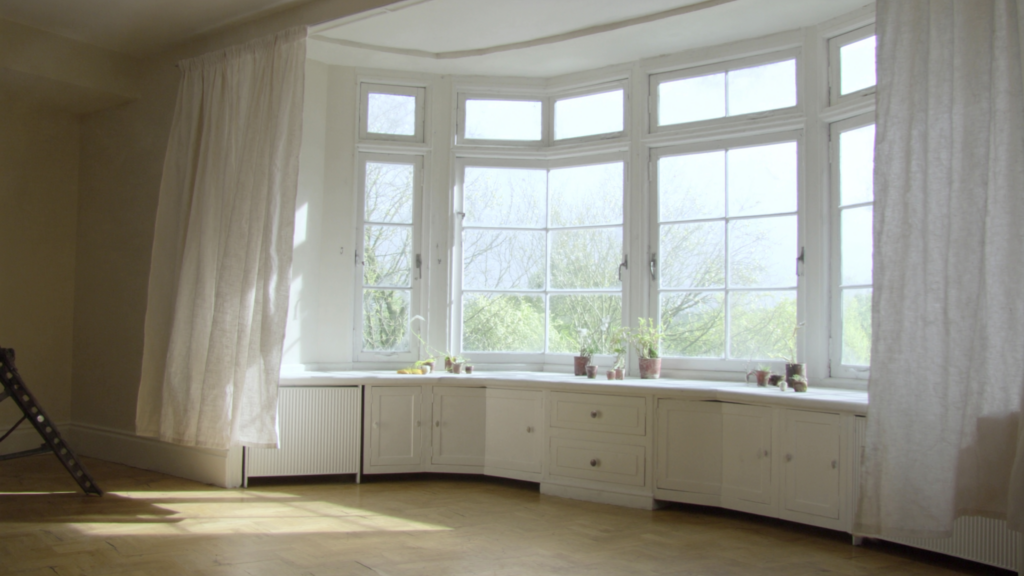
Triple glazing costs roughly 50% more than double glazing but saves only 10–15% more energy in a typical UK home.
The average cost for a standard 3m x 1.2m double-glazed uPVC window installed in 2026 is £450–£600, while a triple-glazed equivalent is £675–£900 (Checkatrade Price Index, 2026). The Energy Saving Trust (EST) estimates annual bill savings of £100–£175 for double glazing in a typical gas-heated semi-detached house, versus £115–£200 for triple glazing (Energy Saving Trust, 2026). Most UK homes will not recoup the extra upfront cost of triple glazing before the windows need replacing again, which is typically 20–30 years for uPVC frames.
Double glazing costs £450-£600 per standard uPVC window, while triple glazing costs £675-£900. Triple glazing saves only £15-£25 more per year, making double glazing the best value for most UK homes.
- Double glazing costs £450-£600 per standard uPVC window installed.
- Triple glazing costs 50% more but saves only 10-15% more energy.
- Extra £200-£300 per window yields just £15-£25 annual savings.
- 94% of UK window installations in 2026 are double glazed.
- Double glazing meets Building Regulations Part L with U-value 1.2-1.6.
- Triple glazing costs roughly 50% more than double glazing but saves only 10–15% more energy in a typical UK home.
- Double glazing remains the standard for 94% of new UK window installations in 2026.
- Triple glazing becomes cost-effective only in specific scenarios.
- Quick numbers UK window types compared in 2026.
- The most common UK window types are casement, sash, and tilt-and-turn.
- The direct answer to "window types UK" is that double-glazed casement windows in uPVC are the best value for most homes.
- You must use MCS-certified installers for any window that is part of a heat pump or solar panel installation.
- Aluminium and timber frames offer longer lifespan but higher upfront cost.
The 10–15% energy saving gap between the two technologies is narrow because a standard double-glazed unit already prevents most heat loss through the window area. Triple glazing adds a third pane and a second low-emissivity coating, which further reduces heat transfer, but the law of diminishing returns applies strongly here. For the majority of homes, the extra £200–£300 per window for triple glazing translates to only £15–£25 in additional annual bill savings. compare window frame materials cost vs benefit
Double glazing remains the standard for 94% of new UK window installations in 2026.
Over 9 in 10 new window installations are double-glazed (FENSA Installation Statistics, 2026). A standard double-glazed unit has a U-value of 1.2–1.6 W/m²K, meeting current Building Regulations Part L (conservation of fuel and power) requirements (GOV.UK Building Regulations Approved Document L, 2021 edition in force 2025–2026). Argon gas fill and low-E glass are now standard in most double-glazed units, with manufacturers rarely offering unsealed or basic units as default.
Double glazing has become the default choice because it delivers the majority of the energy-saving benefit at the lowest cost. The EST notes that upgrading from single glazing to double glazing in a typical semi-detached house saves around £100–£175 per year on heating bills (Energy Saving Trust, 2026). This cost-effectiveness, combined with compliance with current building regulations, explains why the vast majority of installations remain double-glazed.
Triple glazing becomes cost-effective only in specific scenarios.
Triple glazing achieves a U-value of 0.7–1.0 W/m²K, which is beneficial for homes with very high heating demand (Energy Saving Trust, 2026). Large detached houses with solid walls, homes with extensive glazing (e.g., glass extensions), and properties in exposed, cold locations are the main candidates where the extra cost may be justified. The extra cost is typically £200–£300 per window compared to double glazing (Checkatrade Price Index, 2026).
Triple glazing is heavier and may require stronger frames, adding further cost for timber or aluminium frames. DESNZ heat-loss modelling indicates that in a well-insulated modern home with cavity walls and loft insulation, the additional energy saving from triple glazing over high-performance double glazing is often below 5% (DESNZ, 2026). For most UK homes, the payback period for triple glazing exceeds 30 years. That makes it a poor financial investment unless other factors such as noise reduction or planning restrictions apply.
Quick numbers UK window types compared in 2026.
| Window Type | Typical U-value (W/m²K) | Average Cost (3m x 1.2m, fitted) | Annual Bill Saving (vs single glazing) | Weight (approx.) |
|---|---|---|---|---|
| Single glazing | 4.8–5.8 | £200–£350 | £0 (baseline) | Light |
| Double glazing (standard) | 1.2–1.6 | £450–£600 | £100–£175 | Medium |
| Double glazing (high-performance) | 0.9–1.2 | £550–£750 | £130–£195 | Medium |
| Triple glazing | 0.7–1.0 | £675–£900 | £115–£200 | Heavy |
Sources: Energy Saving Trust, 2026, Glass and Glazing Federation U-value Calculator, 2026, Checkatrade Price Index, 2026, MCS Certified, 2026.
The most common UK window types are casement, sash, and tilt-and-turn.
Casement windows (side-hinged) make up over 70% of new installations in 2026 due to low cost and high energy efficiency (GGF Market Report, 2026). They open outward, provide excellent ventilation, and seal tightly against the frame, achieving low U-values with standard double glazing. Sash windows (vertical sliding) are popular in period properties but cost 30–50% more than casement equivalents because of their more complex mechanism and timber construction (FENSA Installation Statistics, 2026).
Tilt-and-turn windows (European-style) are gaining traction in modern homes for their dual-opening function. This allows both inward opening and a tilted ventilation position. They offer good security and are common in new-build flats and houses. However, they cost roughly 20% more than casement windows due to the more complex hardware. The choice between these types largely depends on the property style, budget, and personal preference for how the window operates.
The direct answer to “window types UK” is that double-glazed casement windows in uPVC are the best value for most homes.
uPVC casement double glazing offers the lowest cost per unit of energy saving, starting at £450 per window (Checkatrade Price Index, 2026). It meets Building Regulations, is widely available, and has a lifespan of 20–30 years (Energy Saving Trust, 2026). For listed buildings or conservation areas, timber sash windows may be required, but they cost £800–£1,500 per window (Glass and Glazing Federation, 2026).
For most homeowners, the combination of uPVC frames and double glazing delivers the best balance of upfront cost, energy savings, and longevity. Aluminium and timber frames offer longer lifespans but at significantly higher prices, making them suitable only for specific aesthetic or long-term ownership scenarios. how to choose the right window frame for your home
You must use MCS-certified installers for any window that is part of a heat pump or solar panel installation.
MCS certification is required for windows installed alongside renewable energy systems to qualify for the Boiler Upgrade Scheme (BUS) or Smart Export Guarantee (SEG) (GOV.UK Boiler Upgrade Scheme, 2026). For standalone window replacement, FENSA or CERTASS certification is the industry standard for compliance with Building Regulations (FENSA, 2026). Always check an installer’s certification online before hiring; non-certified work may invalidate home insurance or cause issues during future property sales.
FENSA-registered installers can self-certify that their work meets Part L of the Building Regulations, avoiding the need for a separate building control inspection. If you use a non-certified installer, you must notify the local authority building control department yourself, which adds time and cost. MCS certification is a separate requirement specifically for installations linked to renewable energy incentives, so check which scheme applies to your project before proceeding.
Aluminium and timber frames offer longer lifespan but higher upfront cost.
Aluminium frames last 40+ years but cost £800–£1,200 per window (standard size). Timber frames last 30–50 years but require annual painting and cost £600–£1,000 per window. uPVC frames last 20–30 years and cost £450–£600 per window (Glass and Glazing Federation, 2026). The energy performance of the frame material is secondary to the glazing unit itself; all three materials can achieve U-values below 1.6 W/m²K (Energy Saving Trust, 2026).
The choice between frame materials should be driven by budget, maintenance tolerance, and aesthetic preference rather than energy performance. uPVC is the most cost-effective and requires no maintenance beyond occasional cleaning. Aluminium is the most durable but conducts heat more readily, requiring a thermal break to achieve good U-values. Timber offers the best sustainability credentials but demands regular repainting and is more vulnerable to moisture damage. aluminium vs uPVC vs timber windows comparison
Frequently Asked Questions
The main window types are double glazing and triple glazing. Double glazing costs £450-£600 per standard uPVC window, while triple glazing costs £675-£900 (Checkatrade Price Index, 2026). According to the Energy Saving Trust, double glazing is installed in 94% of new UK windows.
No, for most UK homes triple glazing is not worth the extra cost. Triple glazing costs 50% more than double glazing but saves only £15-£25 more per year (Energy Saving Trust, 2026). The extra £200-£300 per window is unlikely to be recouped over the 20-30 year lifespan of uPVC frames.
A standard 3m x 1.2m double-glazed uPVC window costs £450-£600 installed in 2026 (Checkatrade Price Index, 2026). This includes argon gas fill and low-E glass as standard for most manufacturers.
Double glazed windows need a U-value of 1.2-1.6 W/m²K to meet Building Regulations Part L (GOV.UK Approved Document L, 2021 edition in force 2025-2026). Most standard double-glazed units achieve this with argon gas fill and low-E coatings.
Over 94% of new UK window installations in 2026 are double glazed (FENSA Installation Statistics, 2026). Double glazing has become the default choice because it delivers most of the energy-saving benefit at the lowest cost, according to the Energy Saving Trust.