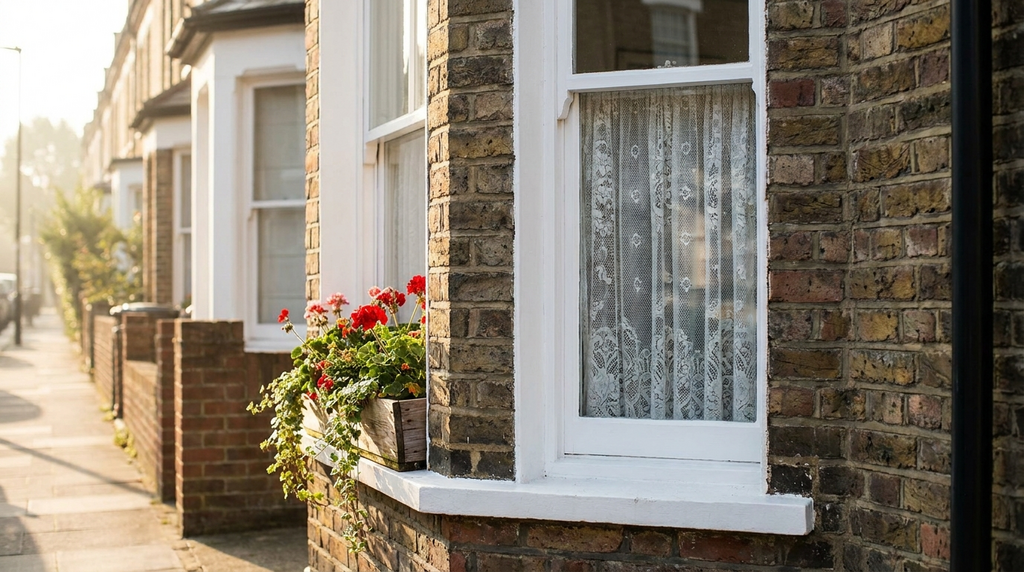
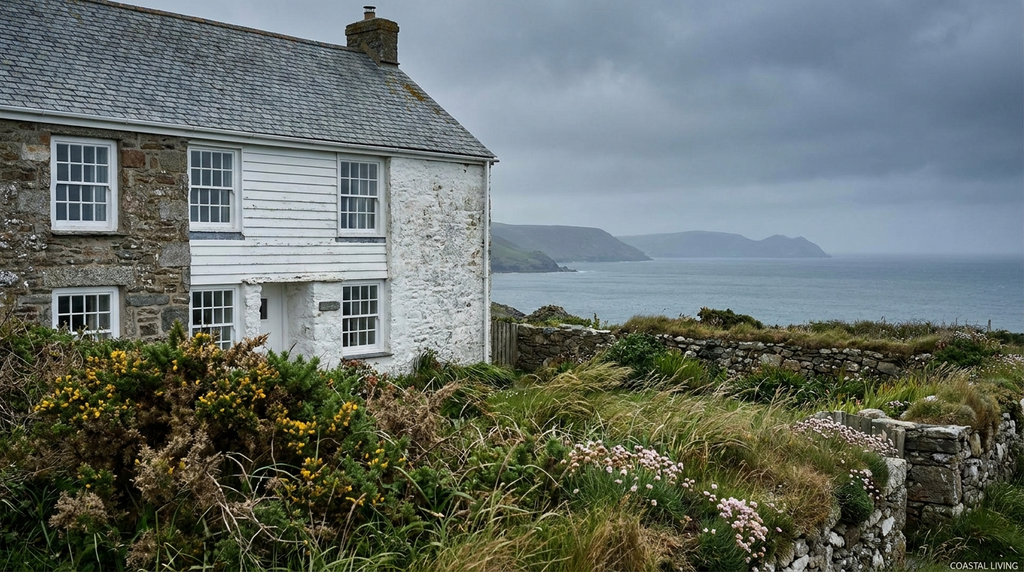
Most homeowners do not need planning permission to replace windows like-for-like – the 2026 rule in one number
If you are replacing a window that is broken, draughty, or simply outdated, the first question is whether you need to apply for planning permission. The short answer is that in the vast majority of cases, you do not.
Under the Town and Country Planning (General Permitted Development) Order 1995 (GPDO), as amended, replacing an existing window with one of identical materials, glazing type, and dimensions is classed as permitted development. This means no planning application is required. The Ministry of Housing, Communities and Local Government (MHCLG) guidance on Permitted Development Rights (April 2026 update) states that approximately 95% of like-for-like window replacements in England fall under this rule (MHCLG, 2026).
Exceptions apply for listed buildings, conservation areas, Article 4 directions, and flats or maisonettes. These are covered in separate sections below. If your property is none of these, you can proceed without permission.
Quick numbers – key thresholds and costs for window planning permission in 2026
The table below summarises the main scenarios, their permitted development status, the planning application fee (if required), and typical processing times. All figures are for England in 2026.
| Work type | Permitted development status | Planning application fee (if needed) | Typical processing time |
|---|---|---|---|
| Like-for-like replacement (same material, size, position) | Permitted development – no application needed | £0 | N/A |
| New window opening (adding a window where none existed) | Not permitted development – application required | £258 per householder application | 8 weeks |
| Change of material (e.g., timber to uPVC) on front elevation | May require application if deemed a material change in appearance | £258 per householder application | 8 weeks |
| Enlargement of existing window (wider, taller, or repositioned) | Not permitted development if it projects beyond existing wall plane | £258 per householder application | 8 weeks |
Fees are set by the government. The £258 figure is the standard householder application fee in England for 2026, as confirmed by the Planning Portal fee calculator (Planning Portal, 2026). The 8-week processing period is the statutory target for local planning authorities (GOV.UK, 2026).
You can replace windows without permission if you match materials, size, and position – the plain-English rule
The permitted development rule for windows is set out in Class A, Part 1 of the GPDO. It allows the replacement of any window with one of the same size, same glazing material (for example uPVC, timber, or aluminium), and same position on the wall. No planning application is needed (MHCLG, 2026).
Changing from single glazing to double glazing is permitted, provided the new unit fits within the existing opening and does not require structural alteration to the wall. The same applies if you change the window style, for instance, replacing a casement window with a sash window, as long as the dimensions and material remain the same. The rule focuses on the physical dimensions and material, not the design detail.
If you are unsure whether your proposed replacement qualifies as like-for-like, check the existing window’s measurements and material before ordering. Your installer should confirm this as part of their survey.
When you must apply for planning permission – new openings, enlarged windows, or different materials
Any new window opening, adding a window where none existed before, requires a householder planning application. The only exceptions are small rooflights (subject to volume limits under Part 1, Class C of the GPDO) and new windows on a side elevation below first-floor level that use obscured glazing and are non-opening (to prevent overlooking).
Enlarging an existing window. That makes it wider, taller, or moving its position, is not like-for-like. If the new window projects beyond the existing wall plane or changes the building’s appearance, planning permission is needed (Planning Portal, 2026).
Changing the material of a window on a front elevation, for example, from timber to uPVC, may also require permission if the local planning authority considers it a “material change” in the building’s appearance. There is no fixed rule; it depends on the character of the area. Check with your local authority before ordering.
Listed buildings and conservation areas – separate rules that override permitted development in 2026
Listed buildings are subject to the strictest controls. Any window replacement, even like-for-like, requires listed building consent from the local planning authority under the Planning (Listed Buildings and Conservation Areas) Act 1990. This applies to all listed buildings, regardless of grade (Historic England, 2026).
In conservation areas, like-for-like replacement is usually permitted, but any change to material, size, or style requires planning permission. You should check with your local authority before proceeding (GOV.UK, 2026).
Some councils have removed permitted development rights for windows in specific areas through Article 4 directions. These are common in historic suburbs or areas with distinctive architectural character. Check your local authority’s Article 4 map online. If an Article 4 direction applies to your property, you will need planning permission even for a like-for-like replacement.
How to check if your property is in a conservation area
How to verify your installer – MCS, FENSA, and the FENSA self-certification scheme
If your window replacement is notifiable building work, which includes most new or replacement glazing in a dwelling, it must comply with Building Regulations Part L (conservation of fuel and power) and Part N (glazing safety). The most straightforward way to demonstrate compliance is to use a FENSA-registered installer.
FENSA (the Fenestration Self-Assessment Scheme) is the main certification body for window installers in the UK. A FENSA-registered installer can self-certify that the work meets Building Regulations, without requiring a separate inspection by building control (FENSA, 2026). Other certification bodies include CERTASS and BSI, but FENSA is the most widely recognised for domestic windows.
MCS (Microgeneration Certification Scheme) is not relevant for standard window replacement. It applies only if you install energy-efficient glazing as part of a broader retrofit, for example under the Great British Insulation Scheme. For a straightforward window swap, FENSA registration is sufficient.
Flats, maisonettes, and leasehold properties – the extra permission layer in 2026
Permitted development rights for windows do not apply to flats or maisonettes. Class A, Part 1 of the GPDO explicitly excludes “dwellinghouses” that are not single-family homes (MHCLG, 2026). This means any window replacement in a flat or maisonette, even like-for-like, requires planning permission.
For leasehold flats, there is an additional layer: you need written consent from the freeholder. Check your lease for specific restrictions on external alterations. The Leasehold Advisory Service confirms that many leases prohibit changes to the external appearance without the landlord’s written agreement (Leasehold Advisory Service, 2026).
For freehold flats, for example, a converted house where each flat is owned outright, any window change that alters the external appearance still requires planning permission, as permitted development does not apply. Always check with your local planning authority before proceeding.
Building regulations for replacement windows explained
Frequently Asked Questions
No, you do not. Under the GPDO, like-for-like replacements with identical materials, glazing, and dimensions are permitted development. The MHCLG states 95% of such cases in England require no application.
If required, a householder planning application costs £258 in 2026. This fee applies to new window openings, enlargement, or material changes that are not permitted development.
Yes, for like-for-like replacements. However, changing materials (e.g., timber to uPVC) on a front elevation may need permission if it alters the appearance. Check with your local authority first.
Yes, adding a window where none existed is not permitted development. You must submit a householder planning application, which costs £258 and takes around 8 weeks to process.
Article 4 directions remove permitted development rights in specific areas, such as conservation areas. They require planning permission for window replacements that would normally be allowed. Check with your council.
Yes, listed buildings require listed building consent for any window changes, including like-for-like replacements. Contact your local authority's conservation officer before starting work.