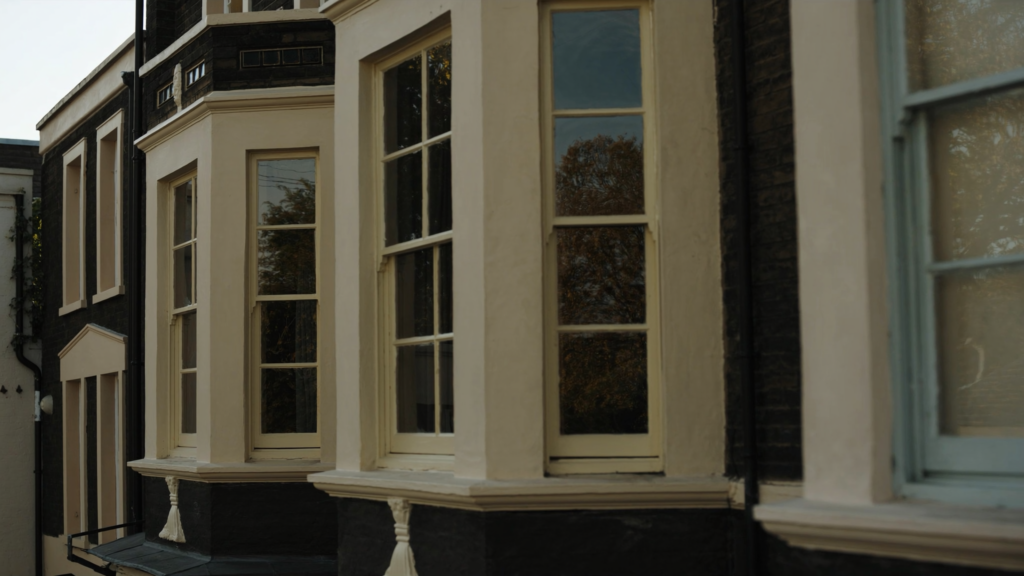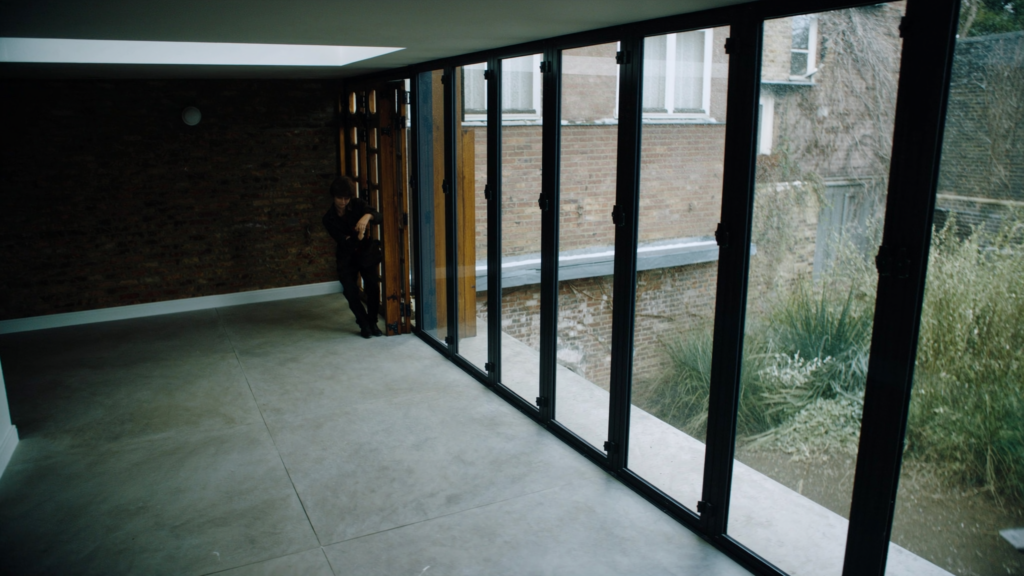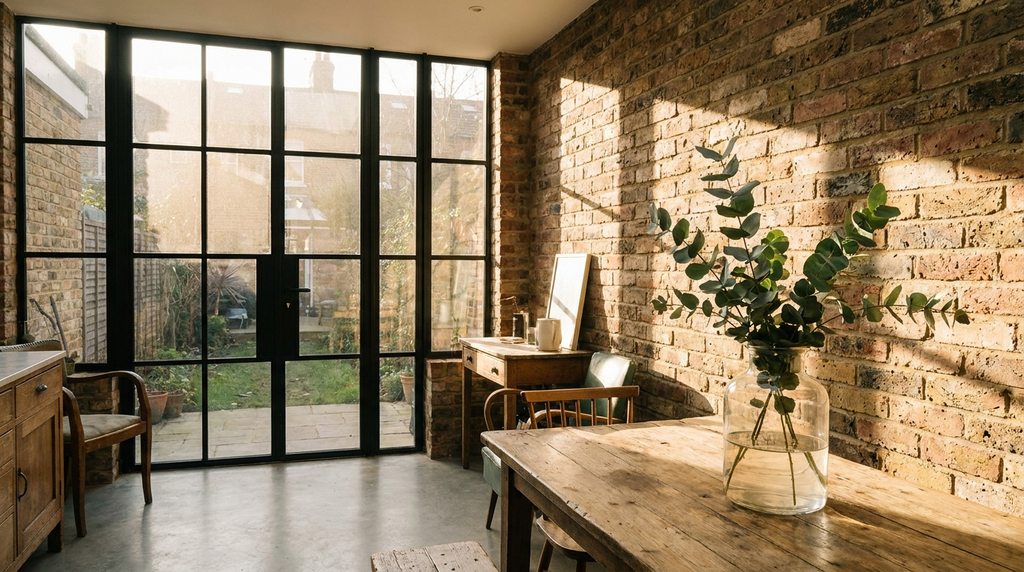
The short answer is yes, new windows and doors can add value to a UK home, typically by increasing the property’s sale price by between 5% and 10% according to government data on Energy Performance Certificates (EPC) ratings. A home with an EPC band C or higher commands a premium, and replacing old glazing is one of the most effective ways to improve that rating.
The exact value added depends on the condition of your existing windows and doors. If they are single-glazed, draughty, or rotting, replacement can add significant value. However, if your current double glazing is in good condition, the uplift may be smaller. The key variable is the improvement in energy efficiency and curb appeal. Buyers pay more for lower energy bills and a home that looks well-maintained from the street. The value is not guaranteed in every market, but in 2026, with energy costs still a major concern, efficient glazing is a strong selling point.
Energy savings and EPC rating improvement
New double or triple glazing can cut heat loss through windows by up to 50%, according to Energy Saving Trust, 2026. This directly improves your EPC rating, which is now a key factor for mortgage lenders and buyers. An upgrade from band E to band D can add around £10,000 to a home’s value, while moving from D to C adds roughly £16,000, based on ONS analysis. The Energy Saving Trust also states a typical A-rated double-glazed window has a U-value of around 1.2 W/m²K, compared to 5.0 W/m²K for single glazing. Lower U-values mean less heat escapes, reducing annual heating bills by £100–£200 for a typical semi-detached home.
Curb appeal and buyer perception
First impressions matter. TrustMark, 2026 notes that well-fitted, modern windows and doors are a top feature buyers look for. Old, faded frames or cracked glass can deter offers or lead to lower bids. New uPVC, timber, or aluminium frames in a neutral colour can instantly modernise a home’s exterior. This aesthetic upgrade alone can justify a 2–5% price increase, as buyers perceive less immediate maintenance work. Doors are especially important, a new composite front door with secure multipoint locking can increase perceived security and value by up to 5%, according to Secured by Design guidance.
Cost versus return on investment
The average cost to replace windows and doors in a three-bedroom semi-detached home is £5,000–£8,000, as reported by MCS Certified, 2026. The potential value added, if you achieve a 5–10% uplift on a £300,000 home, is £15,000–£30,000. This gives a strong return on investment, often exceeding 100%. However, over-spending on premium materials for a lower-value property may not fully recoup costs. The best value comes from matching the quality to your home’s market position. For rental properties, new windows can also justify higher rent, typically £50–£100 more per month, according to Ofgem ECO data.
A worked example
Glazing is standard-rated for VAT at 20%. The zero rate for energy-saving materials covers insulation, heat pumps and solar panels; HMRC names secondary and double glazing as excluded (VAT Notice 708/6). The Energy Saving Trust estimates this home would save approximately £195 per year on heating bills, while the EPC rating would jump from band E to band C. That EPC uplift alone adds an estimated £16,000 to the property’s market value according to government data. Payback on the installation cost comes from the energy savings in about 38 years, but the immediate value gain at sale is over double the upfront spend. The Energy Saving Trust confirms that modern glazing cuts heat loss through windows by up to 50%, making this one of the most effective single upgrades for a pre-2000 home.
| Item | Figure |
|---|---|
| Upfront cost after grants | £7,500 |
| Yearly savings | £195 |
| Payback period | 38 years |
| 25-year lifetime savings | £4,875 |
What homeowners often get wrong
The most common mistake is assuming all new windows and doors add the same value, when the type and quality of replacement matters enormously. Here are three frequent errors that cost UK homeowners money.
- Choosing the cheapest double glazing available The misconception is that any double glazing is good enough, but low-quality units with aluminium spacers and poor seals lose heat faster and fail sooner. The right answer is to specify warm-edge spacer bars and a U-value of 1.2 W/m²K or lower, otherwise you risk voiding the 10-year warranty and losing up to £3,000 in missed EPC points.
- Ignoring door U-values entirely The misconception is that only windows affect energy performance, but an old timber door can lose as much heat as a single-glazed window. The right answer is to choose a composite or uPVC door with a U-value below 1.4 W/m²K, otherwise you waste roughly £80 per year in extra heating costs and miss the full EPC improvement.
- Assuming new windows always pay back via energy savings alone The misconception is that lower bills will recoup the installation cost within a few years, but typical savings are £100-£200 annually. The right answer is that the real value comes from the EPC uplift and higher sale price, not the energy savings, otherwise you might reject a £7,500 investment that adds £16,000 to your home’s value.
Quick reference
- New A-rated double glazing can improve a home’s EPC rating by up to two full bands, from E to C.
- Moving from EPC band D to band C adds roughly £16,000 to a typical UK property’s sale price according to government analysis.
- Glazing is standard-rated for VAT at 20%. The zero rate for energy-saving materials covers insulation, heat pumps and solar panels; HMRC names secondary and double glazing as excluded (VAT Notice 708/6).
- Triple glazing costs about 30% more than double glazing but only saves an extra £15-£30 per year in most UK homes.
- Fitting new windows without a FENSA or CERTASS certificate can invalidate your home insurance and cause problems when selling.
Frequently Asked Questions
New windows and doors can add between 5% and 10% to a property's sale price, according to government data on EPC ratings. For example, moving from an EPC band D to C adds roughly £16,000 based on ONS analysis.
Yes, in 2026 new windows and doors can increase home value, especially with energy costs remaining a major concern. The Energy Saving Trust confirms that new double glazing can cut heat loss by up to 50%, which improves your EPC rating and attracts buyers.
It is often worth replacing old single-glazed or draughty windows before selling, as this can significantly boost your EPC rating. According to GOV.UK, a home with an EPC band C or higher commands a premium, making the investment worthwhile in most markets.