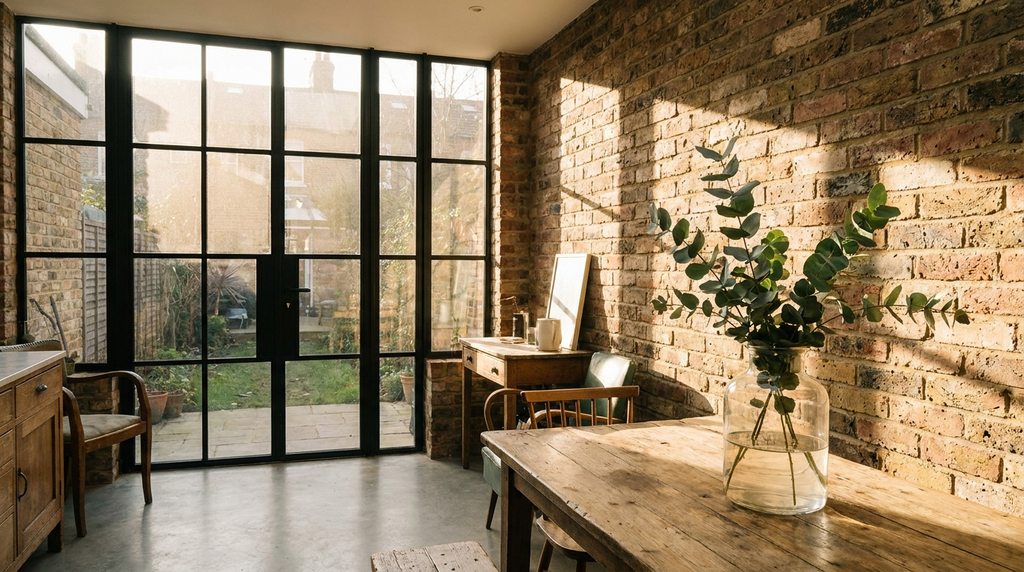
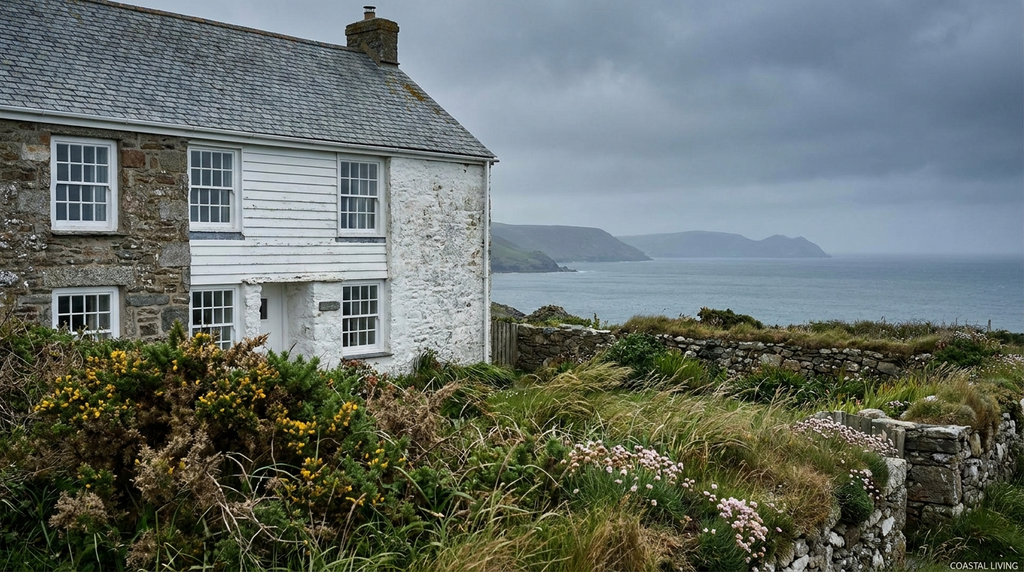
Windows and doors account for up to 25% of a typical UK home’s heat loss, making them one of the most impactful upgrades you can make for comfort, energy bills, and property value. In 2026, with energy costs remaining high and building regulations tightening, replacing ageing windows and doors is no longer just a cosmetic decision, it is a practical investment that pays back over time. The UK glazing and door replacement market is worth over £4 billion annually, with millions of households still living with single-glazed or poorly sealed units installed before modern thermal standards existed.
How Windows and Doors Work
At their core, windows and doors serve three functions: controlling heat transfer, managing light and ventilation, and providing security. Understanding the science behind them helps you make smarter buying decisions.
U-value is the key technical term to know. It measures how much heat passes through a material, the lower the U-value, the better the insulation. Current UK Building Regulations (Part L) require replacement windows to achieve a maximum U-value of 1.4 W/m²K, and replacement doors 1.4 W/m²K for glazed areas. Modern high-performance double glazing typically achieves U-values between 1.2 and 1.6 W/m²K, while triple glazing can reach 0.6 W/m²K.
A standard double-glazed unit works by trapping a layer of gas, usually argon, which is 34% less thermally conductive than air, between two panes of glass. Low-emissivity (Low-E) coatings on the inner pane reflect heat back into the room rather than letting it escape. The spacer bar separating the panes is increasingly made from warm-edge materials like thermoplastic rather than aluminium, reducing heat loss at the edge of the glass where cold bridging is most acute.
Doors work on similar principles. Solid composite doors use an insulating foam core sandwiched between glass-reinforced plastic skins, while uPVC doors rely on multi-chambered profiles to trap air and slow heat transfer. The frame material and quality of seals around the perimeter matter just as much as the door slab itself, a poorly sealed frame undermines even the most thermally efficient panel.
Types of Windows and Doors Available in the UK
The UK market offers a wide range of window and door styles, each suited to different property types, budgets, and planning constraints.
Window Styles
- Casement windows, the most common style in UK new builds, with side-hinged or top-hinged opening sashes. Excellent seals and straightforward to clean.
- Sliding sash windows, traditional vertically sliding design common in Victorian and Edwardian homes. Modern versions replicate the period look while meeting current thermal standards.
- Bay windows, projecting window structures that add space and light. Available in casement or sash configurations and can significantly alter the character of a front elevation.
- Tilt-and-turn windows, popular in contemporary builds, opening inward for easy cleaning and ventilation control.
- Fixed windows, non-opening lights used where ventilation is not required, maximising thermal performance.
Door Types
- Composite doors, currently the most popular front door choice in the UK, combining durability, security, and thermal performance in a single product.
- uPVC doors, cost-effective and low-maintenance, widely used for both front and back doors across all property types.
- Aluminium doors, slim sightlines and high strength make aluminium popular for contemporary designs, bifold doors, and large glazed openings.
- Timber doors, traditional aesthetic with excellent insulation potential when properly sealed, but require more maintenance than other materials.
- Bifold and sliding patio doors, used primarily as rear extensions to connect living space to garden areas, typically in aluminium or uPVC.
While double glazing remains the standard across most installations, comprehensive guide to triple glazed windows covers the growing premium segment in detail, triple glazing now accounts for roughly 15% of new window installations in the UK, up from under 5% a decade ago.
How Much Do Windows and Doors Cost in 2026
Costs vary significantly depending on material, style, size, and the number of units being replaced. Labour typically accounts for 20–30% of the total project cost. The figures below represent typical mid-market supply and installation prices in England and Wales; Scottish and Northern Irish prices may differ slightly due to labour market variations.
| Window Type | Material | Typical Cost Per Window (Installed) | Notes |
|---|---|---|---|
| Casement (standard 600×900mm) | uPVC | £400 – £700 | Most cost-effective option |
| Casement (standard) | Aluminium | £700 – £1,200 | Slimmer sightlines, durable |
| Casement (standard) | Timber | £800 – £1,500 | Higher maintenance required |
| Sliding sash | uPVC | £600 – £1,000 | Period-style homes |
| Sliding sash | Timber | £1,200 – £2,500 | Conservation area requirement |
| Bay window (3-panel) | uPVC | £1,500 – £3,500 | Including structural support |
| Triple glazed casement | uPVC/Aluminium | £600 – £1,400 | 20–40% premium over double |
| Door Type | Material | Typical Cost (Installed) | Notes |
|---|---|---|---|
| Front door | Composite | £900 – £2,000 | Most popular choice in 2026 |
| Front door | uPVC | £600 – £1,200 | Budget-friendly option |
| Front door | Timber hardwood | £1,500 – £4,000 | Premium, period properties |
| Back/patio door (French) | uPVC | £1,000 – £1,800 | Standard double door |
| Bifold doors (3-panel) | Aluminium | £3,500 – £6,500 | Price rises sharply with width |
| Bifold doors (4-panel) | Aluminium | £5,000 – £9,000 | Large open-plan openings |
| Sliding patio doors | Aluminium | £2,500 – £5,500 | Space-saving alternative to bifold |
For a typical 3-bedroom semi-detached home requiring eight windows and a front door, you should budget between £5,000 and £12,000 for a full replacement in uPVC, or £8,000 to £18,000 for aluminium. Always get three written quotes, prices between installers can vary by 40% for identical specifications.
The Benefits of Replacing Windows and Doors
The case for upgrading windows and doors goes well beyond draught-proofing. Modern units deliver measurable improvements across energy, security, noise, and property value.
Energy Savings and Comfort
The Energy Saving Trust estimates that upgrading from single glazing to A-rated double glazing in a typical semi-detached home saves between £110 and £145 per year on energy bills (2026 tariff rates). Over the 20-to-25-year lifespan of a quality window installation, those savings compound significantly. Beyond bills, the improvement in thermal comfort is immediate, cold spots near windows disappear, condensation reduces, and rooms maintain a more even temperature.
Security Improvements
All replacement windows sold in the UK must meet PAS 24:2022 security standard as a minimum under current Building Regulations. Many manufacturers go further, achieving Secured by Design (SBD) accreditation, the police-endorsed specification. Modern multi-point locking systems on both windows and doors are substantially harder to force than older single-point catches. Home Office data suggests that around 74% of burglaries involve entry through a door or window, making these upgrades directly relevant to security.
Noise Reduction
Acoustic laminated glass and wider air gaps (16–20mm cavities rather than the standard 12mm) can reduce external noise by up to 40 decibels, compared to around 20dB for a basic single-glazed unit. For homes near busy roads, flight paths, or railway lines, acoustic specification is worth the modest premium it commands.
Property Value
Research by Nationwide and various estate agents consistently shows that quality window and door replacement adds 5–10% to property value, and can be decisive in buyer negotiations. An EPC rating improvement from E to C, achievable in part through window upgrades, can add thousands to a sale price and speed up the transaction.
How to Choose the Right Windows and Doors
With hundreds of products and installers competing for your attention, a clear decision framework saves time and protects your budget.
Start with Your Property Type
Listed buildings and properties in conservation areas face restrictions on window and door replacement. You may need Listed Building Consent or must demonstrate that replacements match the original character precisely, often requiring timber frames or purpose-made uPVC that replicates timber profiles exactly. Check with your local planning authority before committing to any specification.
Choose the Right Frame Material
uPVC remains the dominant choice for its cost, low maintenance, and thermal performance. Aluminium is preferred where slim sightlines matter or for large-format doors. Timber suits period properties or those seeking sustainable credentials, modern timber windows treated with factory-applied microporous finishes now require repainting only every 8–10 years rather than the traditional 3–5 years.
Check Energy Ratings
Windows carry a BFRC (British Fenestration Rating Council) energy rating from A++ down to G, similar to white goods labelling. Aim for A or A+ rated units as a minimum. For doors, look for units with U-values below 1.4 W/m²K for the overall door assembly, not just the glazed area. Some composite doors now achieve whole-door U-values as low as 0.8 W/m²K.
Verify Installer Credentials
Any company installing replacement windows or doors in England and Wales must be registered with a FENSA (Fenestration Self-Assessment Scheme) or CERTASS approved scheme, or you must apply for Building Regulations approval yourself. Registration allows installers to self-certify compliance and issue a certificate of compliance, essential for when you sell your home. Never use an installer who cannot provide this documentation.
Understand Guarantees
Reputable installers offer at least a 10-year guarantee on the installation, with manufacturers typically providing 10–25 years on sealed unit failure. Check whether the installer is a member of the GGF (Glass and Glazing Federation) or DGCOS (Double Glazing and Conservatory Ombudsman Scheme), which provide deposit protection and dispute resolution.
Windows and Doors Installation, What to Expect
A professional window and door replacement is faster and less disruptive than most homeowners anticipate, but knowing the process helps you prepare your home and manage expectations.
- Survey and specification, An installer visits to measure every opening precisely, confirm product specifications, and note any structural considerations. This typically takes 1–2 hours.
- Order and manufacturing, Most windows and doors are made to measure. Lead times vary from 2–4 weeks for standard uPVC products to 8–14 weeks for bespoke timber or aluminium units.
- Preparation, On installation day, move furniture away from window and door areas, protect flooring, and secure pets. Fitters work from the outside where possible to minimise indoor disruption.
- Removal of old units, Existing frames are cut out carefully, with particular care taken around lintels and reveals. Waste is removed by the installer as part of the standard service.
- Installation of new frames, New frames are fitted, shimmed level and plumb, mechanically fixed to the surrounding structure, and sealed with low-expansion foam and external silicone or mortar depending on the construction.
- Glazing, Double or triple-glazed units are inserted into the frame and secured with glazing packers and beads. Handles, locks, and hinges are fitted and adjusted.
- Finishing, Internal reveals are plastered or trimmed, external gaps are pointed or sealed, and all surfaces are cleaned down. The fitter demonstrates how to operate locks and any restrictors.
- Certification, A FENSA or CERTASS compliance certificate is issued, usually within 30 days of installation.
A typical installation of 8–10 windows and a front door across a 3-bedroom home usually takes 1–2 days for uPVC units. Timber or aluminium installations may take slightly longer due to the precision required. Your home is always secure overnight, fitters do not leave openings unsecured at the end of a working day.
Grants and Funding for Windows and Doors in the UK
Government and utility company funding for window and door replacement has evolved considerably in recent years. In 2026, several schemes are available, though eligibility criteria and funding levels change periodically, always verify current terms directly with the scheme administrators.
Great British Insulation Scheme
The Great British Insulation Scheme (GBIS) is the primary government-backed route for free or heavily subsidised energy efficiency upgrades. While primarily focused on insulation, window replacements can be included as a secondary measure in eligible households. To qualify, your home typically needs an EPC rating of D or below, and you must meet income or council tax band criteria. Funding is delivered through energy suppliers.
ECO4 Scheme
The Energy Company Obligation (ECO4) scheme requires large energy suppliers to fund efficiency improvements in low-income and vulnerable households. Window and door replacements are eligible measures under ECO4 where they form part of a broader retrofit package. Households receiving means-tested benefits including Universal Credit, Pension Credit, or income-based JSA are most likely to qualify. Check eligibility via the government’s Simple Energy Advice service or your energy supplier’s website.
Local Authority Flex
Under LA Flex provisions of ECO4, local councils can refer households who meet local vulnerability criteria, including fuel poverty, health conditions affected by cold homes, or low income, to energy company funding even if they do not receive qualifying benefits. Contact your local council’s housing or energy team to explore this route.
Scotland, Wales, and Northern Ireland
Devolved administrations run their own schemes. In Scotland, Warmer Homes Scotland provides grants for window and door improvements in eligible households. In Wales, Nest and Warm Homes grants offer similar support. Northern Ireland’s Affordable Warmth scheme covers glazing improvements for qualifying households. Funding availability and criteria vary annually.
VAT on Windows and Doors
Glazing is standard-rated for VAT at 20%. The zero rate for energy-saving materials covers insulation, heat pumps and solar panels; HMRC names secondary and double glazing as excluded (VAT Notice 708/6). This applies to supply and installation of qualifying products and is factored into most current quotations automatically.
Common Problems and How to Maintain Windows and Doors
Even well-made windows and doors require occasional attention to perform at their best over decades of use. Knowing what to look for, and what to do about it, extends the life of your investment considerably.
Condensation Inside the Double-Glazed Unit
Moisture appearing between the glass panes, rather than on the inner surface of the glass, indicates that the hermetic seal around the double-glazed unit has failed. This is called unit failure and is irreversible, cleaning will not remove it. The unit itself needs replacement, but the surrounding frame usually does not. If the installation is within the guarantee period, contact your installer. Replacement sealed units cost between £80 and £300 fitted depending on size.
Draughts and Air Infiltration
Draughts around windows and doors usually stem from degraded weatherstripping or perimeter seals rather than the glazed unit itself. Compressible rubber and bubble gaskets typically last 10–15 years before hardening and losing their seal. Replacement draught seals are inexpensive and usually available directly from the frame manufacturer or through glazing merchants.
Stiff or Difficult-to-Operate Hardware
Hinges, handles, and locking points require light lubrication annually, a small amount of 3-in-1 oil or dedicated window and door lubricant on moving parts prevents wear and keeps multi-point locks operating smoothly. Avoid WD-40 on rubber seals as it can degrade them over time.
uPVC Frame Discolouration
Older white uPVC can yellow over time due to UV exposure. Modern stabilised uPVC formulations are significantly more resistant, but older frames may respond to specialist uPVC cleaning products or can be professionally restored using UPVC revival treatments. Replacement is the only solution for severely discoloured profiles.
Timber Frame Maintenance
Timber windows and doors require regular inspection for paint or stain failure, particularly at joints and end grain. Any bare timber exposed to moisture should be treated promptly, primer and a microporous topcoat is the standard approach. Allowing rot to establish is avoidable; catching it early with a hard wood filler and repainting is a 30-minute job. Neglected rot may require sash or frame replacement.
Door Alignment and Dropping
Heavy composite and timber doors can drop slightly over time, causing them to drag on the threshold or fail to latch easily. Most hinges are adjustable with a screwdriver to correct minor misalignment. If adjustment does not resolve the issue, the frame may have moved slightly, a glazier or joiner can assess whether re-seating the hinges or re-hanging the door is required.
Windows and Doors in Listed Buildings and Conservation Areas
Roughly 400,000 listed buildings exist in England alone, and millions more homes sit within designated conservation areas where permitted development rights are restricted. For these properties, window and door replacement requires careful navigation of planning rules.
In a listed building, you need Listed Building Consent for any alterations that affect the character of the building, this almost always includes changing windows and doors. The principle is that like-for-like replacement in the same material and style may be acceptable, while wholesale changes to frame material or profile are typically refused. Secondary glazing is often the approved solution for listed buildings, as it involves no alteration to the original fabric.
In a conservation area, permitted development rights for window and door replacement may be removed by an Article 4 Direction made by the local authority. Where these directions apply, you need planning permission before replacing windows or doors. Check the planning register for your area or contact your local planning department before ordering, replacing windows without consent where it is required can result in an enforcement notice requiring reinstatement at your cost.
Windows and Doors and Building Regulations
Replacing any window or door in England and Wales triggers Part L of the Building Regulations (conservation of fuel and power) and requires the work to be certified. The key current requirements are:
- Replacement windows must achieve a minimum C energy rating or a U-value of 1.4 W/m²K or better
- Replacement doors with more than 50% glazing must meet the same 1.4 W/m²K standard for the glazed area
- Trickle ventilators must be replaced like-for-like where they existed in the old window, removing them without replacement is not permitted
- All work must be certified by a registered competent person (FENSA/CERTASS) or via a local authority building notice
- Emergency egress requirements must be maintained, ground floor and first-floor bedroom windows must provide a clear opening of at least 0.33m² and 450mm in any dimension
Scotland operates under its own Technical Handbook system, with slightly different U-value targets. Welsh and Northern Irish Building Regulations are broadly aligned with England but should be checked independently for the most current requirements.
Making Your Final Decision on Windows and Doors
Replacing windows and doors is one of the highest-impact home improvements you can make in 2026.Glazing is standard-rated for VAT at 20%. The zero rate for energy-saving materials covers insulation, heat pumps and solar panels; HMRC names secondary and double glazing as excluded (VAT Notice 708/6).
The process works best when you approach it methodically: establish your planning constraints first, decide on frame material based on your property type and budget, insist on FENSA-registered installers, and get at least three itemised quotes before committing. Pay attention to the full package, not just the unit price, but the quality of seals, hardware, and the guarantee behind the work.
Whether you are replacing a single failed window or undertaking a whole-house upgrade, the fundamentals are the same: buy the best specification your budget supports from an accredited installer, and your new windows and doors will repay that investment in comfort and savings for 25 years or more.
More on windows and doors
- Understanding your window quote UK
- Best windows for a 1930s semi-detached home
- Best window frame colours for UK homes (2026)
- Can You Get a Grant for New Windows in the UK in 2026?
- Windows losing heat at home signs and costs (2026)
- Aluminium windows worth the cost UK (2026)
- Window Ventilation Flaps Passive Airflow Solutions UK Homes
- Warm edge spacer bars for windows explained