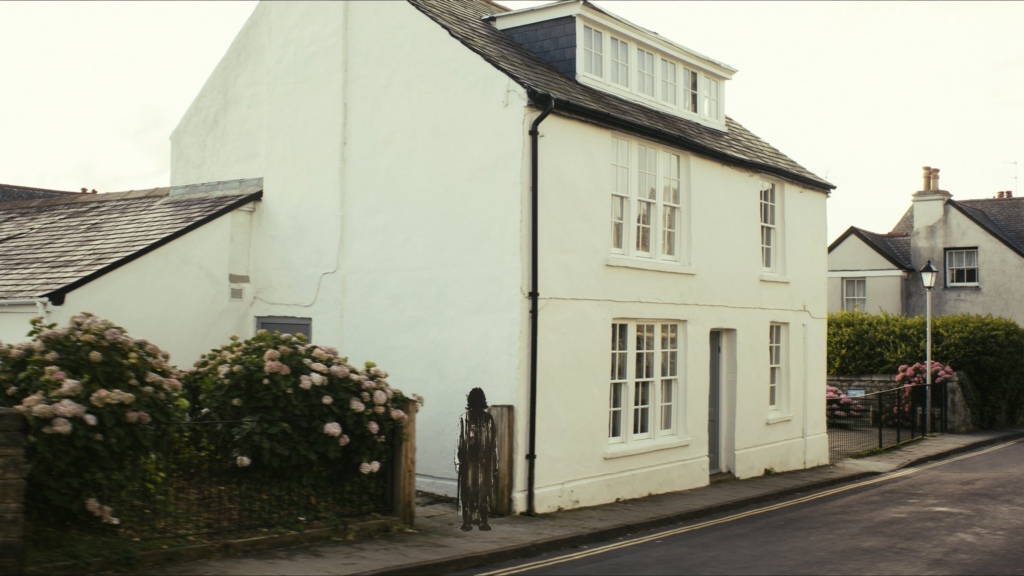
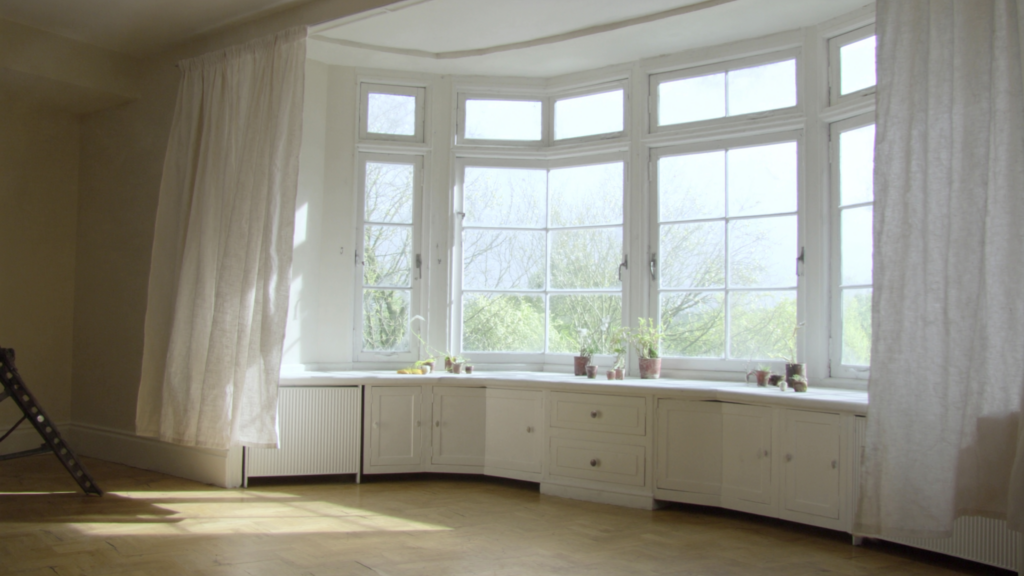
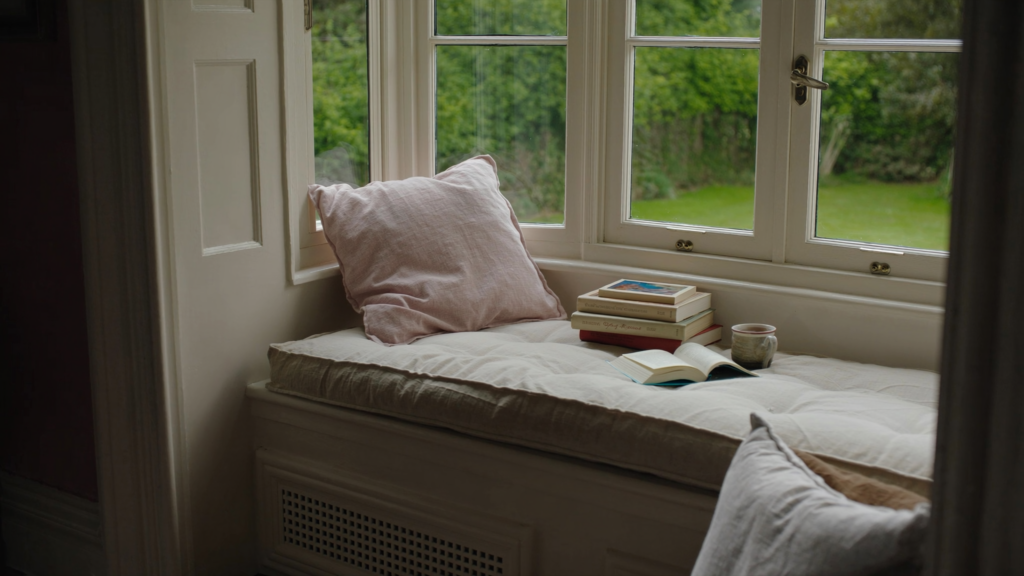
The most effective way to make windows and doors more energy efficient is to replace single glazing with double or triple glazing, which the Energy Saving Trust estimates can save a typical semi-detached home around £195 per year on heating bills (Energy Saving Trust, 2026). For existing double glazing, adding secondary glazing or draught-proofing offers significant savings without full replacement.
The best solution depends on your current windows and doors. Full replacement is ideal for single glazing or windows with failed seals, but expensive. Secondary glazing or draught-proofing works well for soundproofing or period properties where new windows aren’t permitted. Your budget and property type will determine the most cost-effective approach.
Upgrade to double or triple glazing
Replacing single glazing with modern double glazing (A-rated) can cut heat loss through windows by up to 50% (GOV.UK, 2026). A typical installation for a three-bedroom semi-detached house costs between £3,750 and £5,500, according to industry averages. Triple glazing offers slightly better insulation (U-value around 0.8 W/m²K compared to 1.2 for double) but costs roughly 20% more. For doors, insulated composite or uPVC models with a U-value below 1.4 W/m²K are best. The Energy Company Obligation (ECO4) scheme may provide grants for low-income households to replace inefficient windows (Ofgem, 2026).
Add secondary glazing for existing double glazing
Secondary glazing (a second pane fitted inside the existing frame) can reduce heat loss by around 40% on single-glazed windows and 10-15% on older double glazing (Energy Saving Trust, 2026). It costs between £100 and £300 per window for DIY magnetic or acrylic systems, or £300-£600 for professional installations. Secondary glazing also improves soundproofing and reduces condensation. It is particularly useful for listed buildings or conservation areas where new windows are restricted. Ensure the gap between panes is at least 100mm for optimal thermal performance.
Draught-proof windows and doors
Draught-proofing is one of the cheapest improvements, costing £10-£30 per window or door for self-adhesive foam strips, brushes, or silicone sealant. The Energy Saving Trust estimates it can save a typical home £30-£60 per year on energy bills (Energy Saving Trust, 2026). Focus on gaps around opening casements, letterboxes, and keyholes. For doors, add a threshold seal or a draught excluder. Check for broken seals on double glazing, if misting occurs between panes, the seal has failed and the unit needs replacing. TrustMark registered installers can carry out professional draught-proofing for around £200-£400 for a whole house (TrustMark, 2026).
A worked example
A typical 1930s semi-detached house in Manchester with single-glazed windows and an uninsulated back door can save £285 per year after upgrading to A-rated double glazing and a composite door. The Great British Insulation Scheme closed on 31 March 2026. It funded insulation measures only and never covered windows or glazing. The zero rate for energy-saving materials covers insulation, heat pumps and solar panels; HMRC names secondary and double glazing as excluded (VAT Notice 708/6). The Energy Saving Trust estimates a 25-year lifespan for modern windows, meaning total savings of £7,125 after the upfront cost is recovered. Payback comes in just over 17 years for self-funders, but for households receiving full ECO4 funding the savings start from day one.
| Item | Figure |
|---|---|
| Upfront cost after grants | Glazing is standard-rated for VAT at 20%. The zero rate for energy-saving materials covers insulation, heat pumps and solar panels; HMRC names secondary and double glazing as excluded (VAT Notice 708/6). |
| Yearly savings | £285 |
| Payback period | 17 years (self-funded) or immediate (ECO4 funded) |
| 25-year lifetime savings | £7,125 (self-funded) or £7,125 (ECO4 funded) |
What homeowners often get wrong
The most common mistake is assuming all double glazing performs the same, which leads to buying cheap windows that barely outperform old single glazing. Here are three frequent errors and the correct approach
- Choosing the cheapest double glazing without checking energy ratings Many homeowners buy windows with a U-value above 1.6 W/m²K, which saves only £50-80 per year. Glazing is standard-rated for VAT at 20%. The zero rate for energy-saving materials covers insulation, heat pumps and solar panels; HMRC names secondary and double glazing as excluded (VAT Notice 708/6).
- Ignoring draught-proofing on existing double glazing People think draughts mean the window needs replacing, but often the seals have failed. Replacing rubber gaskets costs £50-100 per window and stops up to 30% of heat loss, saving £85 per year without a full replacement.
- Fitting new windows without checking ECO4 eligibility first Many low-income households pay £5,000+ out of pocket when their council or energy supplier would have covered the full cost. Check with the Energy Saving Trust or your energy supplier before spending anything on window upgrades.
Quick reference
- Double glazing with a U-value of 1.2 W/m²K or lower cuts heat loss through windows by 50% compared to single glazing.
- Draught-proofing windows and doors costs £200-300 for a typical home and saves £85 per year on heating bills.
- ECO4 grants can fully fund window and door replacements for households receiving certain benefits or on low incomes.
- Secondary glazing adds an extra pane to existing windows and costs £500-1,500 per window, saving £100-150 per year.
- Fitting new doors without a U-value below 1.4 W/m²K means you miss the 0% VAT saving and get worse insulation.
Frequently Asked Questions
Around £195 per year for a typical semi-detached home, according to the Energy Saving Trust (2026). Savings depend on your property type and current glazing.
No, secondary glazing improves insulation but is less effective than full double glazing. It can reduce heat loss by up to 50% compared to single glazing, per the Energy Saving Trust.
Yes, the ECO4 scheme provides grants for low-income households in the UK (Ofgem, 2026). Eligibility depends on your benefits and property energy rating.