Casement windows are the most popular window style in the UK, accounting for approximately 60% of all replacement window installations nationwide. Hinged at the side and opening outward like a door, they offer an unbeatable combination of ventilation control, weather performance, and versatility across property types, from Victorian terraces to modern new-builds. In 2026, advances in frame materials and glazing technology have made casement windows more thermally efficient than ever, with the best units achieving U-values as low as 0.8 W/m²K.
What Are Casement Windows
A casement window is a window attached to its frame by one or more hinges positioned along one vertical edge. The sash, the part of the window that moves, swings outward (and occasionally inward) when opened, typically operated by a cranked handle or espagnolette locking mechanism. Unlike sash windows that slide up and down, or tilt-and-turn units that pivot inward, casement windows open on a horizontal axis to create a clear, unobstructed opening.
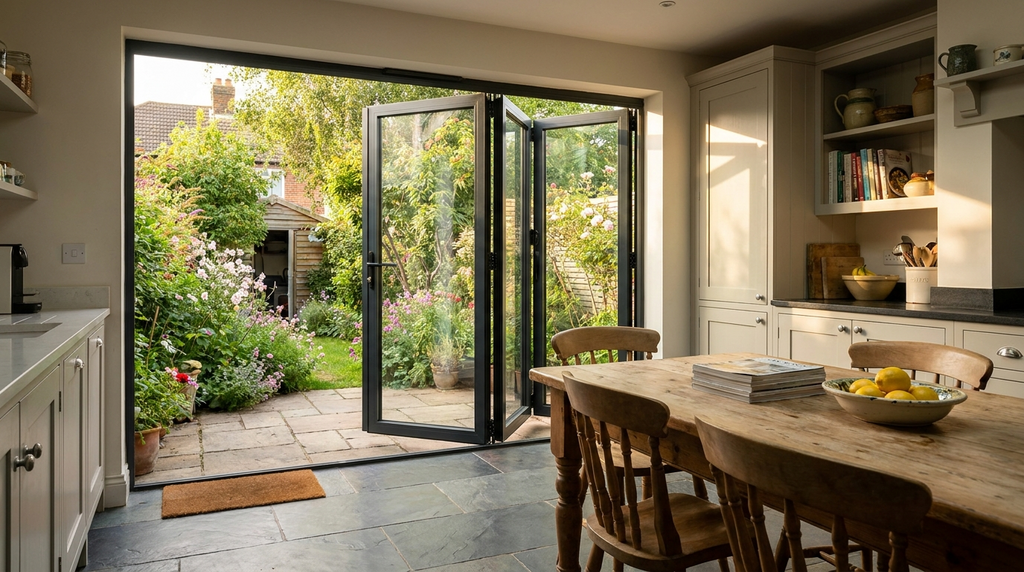
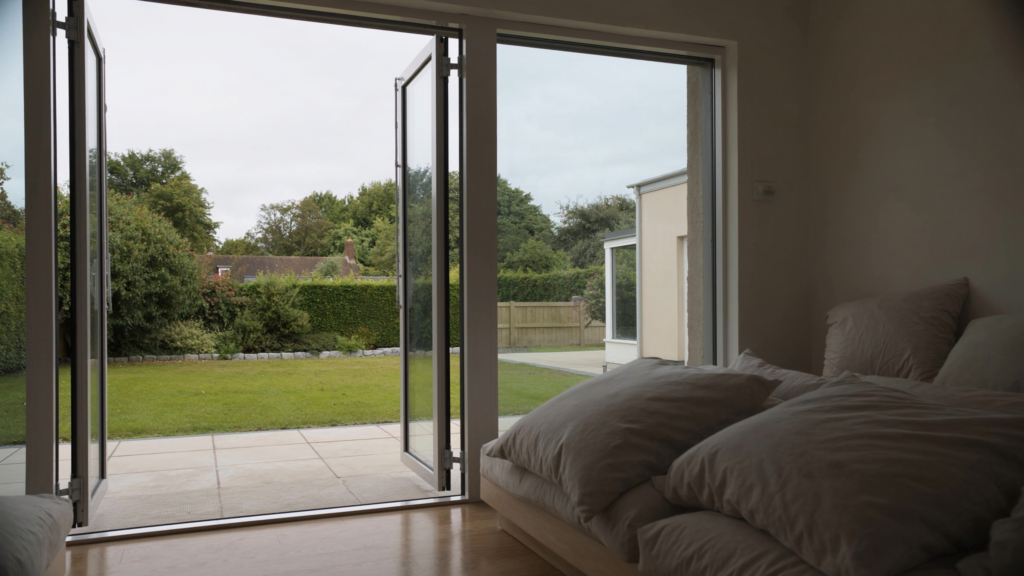
The term covers several sub-types. A single casement has one opening sash beside a fixed pane. A French casement (also called a double casement) has two side-hung sashes that meet in the middle with no central mullion, creating a wide, open aperture. A top-hung casement (sometimes called an awning window) is hinged at the top rather than the side. This allows ventilation even in light rain without letting water in. Many UK homes use a combination, a large fixed pane flanked by one or two opening casements, to maximise light while retaining ventilation where needed.
How Casement Windows Work
Understanding the mechanics of a casement window helps you appreciate why they perform so well in the UK climate and what to look for when buying.
The frame sits fixed into the wall opening and carries the entire structural load. Into this frame fits the sash, which holds the glazing unit. The sash is connected to the frame via friction hinges, precision-engineered components that hold the window open at any angle and prevent it slamming in wind. High-quality friction hinges are rated to withstand tens of thousands of open-close cycles, typically carrying a 10-year guarantee from reputable manufacturers.
The locking mechanism is central to both security and weather performance. Most modern casement windows use a multipoint locking system, where turning the handle engages multiple locking points simultaneously around the frame perimeter. This draws the sash tightly against the compression seal, a rubber gasket that runs around the frame, creating an airtight, weatherproof closure. British Standard PAS 24:2022 is the benchmark security specification, and you should confirm any window you buy meets this as a minimum.
The glazing unit slots into the sash and is typically bonded with structural silicone. In a standard double-glazed unit, two panes of glass are separated by a warm edge spacer bar filled with argon gas. The gas is 34% less thermally conductive than air, significantly reducing heat loss through the centre pane. Low-emissivity (Low-E) glass coating, a microscopically thin metallic layer, reflects infrared heat back into the room, pushing U-values down further.
Types of Casement Windows Available in the UK
The casement family is broader than most homeowners realise, and choosing the right sub-type for each opening in your home can make a meaningful difference to comfort and aesthetics.
Side-Hung Casement
The classic type, hinged on the left or right vertical edge. Suitable for almost any opening size. The full opening width can be accessed for cleaning, ventilation, and emergency escape, making them compliant with Building Regulations Part B (fire escape) requirements when specified correctly.
Top-Hung Casement
Hinged along the top edge, opening outward from the bottom. Excellent for kitchens and bathrooms where ventilation is needed regardless of weather. They’re also a common choice for openings above head height where operating a side-hung lever would be awkward.
French Casement
Two sashes meeting centrally without a vertical bar between them. Popular in homes with garden access or wider wall openings where maximum airflow and an unobstructed view matter. The absence of a central mullion does place higher demands on the locking mechanism to maintain weathertightness.
Tilt-Before-Turn Casement
A hybrid that tilts inward at the top for secure background ventilation, then turns fully inward for cleaning or maximum airflow. More common in continental Europe but increasingly specified in UK new-build apartments where external access for cleaning is restricted.
Flush Casement
The sash sits flush with the outer face of the frame rather than sitting proud of it. A popular choice for conservation areas and period properties because it closely replicates the appearance of traditional timber windows. Many local planning authorities now specifically require flush casements where permitted development rights have been removed.
How Much Do Casement Windows Cost in 2026
Casement window prices in 2026 reflect the cost of materials, glazing specification, installation complexity, and the installer’s overheads. The figures below represent typical supply-and-fit prices from established UK double-glazing companies, including VAT at 20%. DIY supply-only costs are roughly 40–50% lower but are not recommended for structural openings or where Building Regulations approval is required.
| Window Type and Size | uPVC Frame | Aluminium Frame | Timber Frame |
|---|---|---|---|
| Small casement (up to 900 × 900mm) | £350 – £550 | £500 – £750 | £600 – £950 |
| Standard casement (900 × 1200mm) | £450 – £700 | £650 – £950 | £750 – £1,200 |
| Large casement (1200 × 1500mm) | £600 – £900 | £850 – £1,300 | £1,000 – £1,600 |
| French casement (1500 × 1200mm) | £700 – £1,100 | £1,000 – £1,600 | £1,200 – £2,000 |
| Full house (8–12 windows, mixed sizes) | £4,000 – £7,500 | £6,500 – £12,000 | £8,000 – £16,000 |
Upgrading from standard double glazing to triple glazing typically adds 20–30% to the unit cost but can reduce heat loss through the window by a further 30–40%. For most UK homes outside Scotland and the north of England, the payback period on the triple-glazing premium is around 15–20 years through energy savings alone, though comfort benefits are felt immediately.
Additional cost factors to budget for include:
- Decorative finishes, dual-colour frames (different inside and outside colour) add £50–£150 per window
- Georgian bars and leaded glass, add £80–£200 per window depending on complexity
- Obscure or acoustic glass, add £40–£120 per window
- Building Regulations application, typically £150–£300 per project if not using a FENSA-registered installer
- Lintel repairs or structural work, highly variable; get a structural survey if your existing lintels are masonry or timber
Benefits of Casement Windows
Casement windows have dominated the UK market for a reason. Their design advantages align precisely with what British homeowners need from a window.
Exceptional Weather Resistance
When closed, the sash presses directly against the compression seal on all four sides simultaneously. This perimeter seal, combined with multipoint locking, makes casement windows among the most weathertight designs available. Quality units carry a BS EN 12208 water tightness rating of Class 9A, meaning they’re tested to withstand wind-driven rain at 600 Pa pressure, equivalent to a severe storm.
Superior Ventilation Control
Unlike sliding sash windows that give you a maximum of 50% of the frame area for ventilation, a casement window can open to 100% of the sash area, and the angled open sash acts as a scoop, directing airflow into the room. You can also prop the window open at any angle from just a few millimetres for background ventilation to fully open for maximum airflow.
Strong Thermal Performance
A quality uPVC casement window with double glazing achieves a whole-window U-value of 1.2–1.4 W/m²K. Upgrading to a premium triple-glazed specification can push this to 0.8 W/m²K. To put this in context, an uninsulated single-glazed window has a U-value of around 5.8 W/m²K, replacing it with a modern casement unit reduces heat loss through that window by approximately 80%. A typical UK semi-detached home with single glazing loses around 18% of its heat through windows; replacing with modern casement double glazing can cut that figure to under 4%.
Security
A PAS 24-certified casement window with multipoint locking and internally beaded glazing (where the glass cannot be removed from outside) provides a solid barrier against forced entry. The Secured by Design (SBD) scheme, backed by the UK Police Service, lists approved window products, and choosing an SBD-certified casement window may qualify you for a discount on home insurance premiums.
Low Maintenance
uPVC casement frames require no painting, won’t rot, and need only a wipe-down with soapy water a couple of times a year. Even timber casement frames, when factory-finished with microporous paint or stain systems, now require repainting only every 8–10 years rather than the 3–5 years typical of older paint systems.
How to Choose the Right Casement Windows
With hundreds of products on the market and dozens of installers competing for your business, the following framework will help you make a decision you’ll be satisfied with for the next 20–30 years.
Frame Material
Your choice of frame material affects aesthetics, maintenance, thermal performance, and price:
- uPVC, lowest cost, zero maintenance, wide colour range with foiled finishes, lifespan 20–35 years. Suits the majority of UK homes.
- Aluminium, slimmer sight lines (typically 20–30% narrower than uPVC), highly durable, fully recyclable, excellent for contemporary architecture. Requires thermal break construction to avoid cold bridging.
- Timber, highest environmental credentials (when FSC-certified), best aesthetic for period properties, excellent insulation properties. Higher maintenance and initial cost.
- Composite (aluminium-clad timber), timber interior for aesthetics and insulation, aluminium exterior for weather resistance. Premium price but arguably the best of both worlds.
Glazing Specification
For most homes in England and Wales, double glazing with argon fill and Low-E glass is the sweet spot of performance and value. Check the Window Energy Rating (WER), a UK-specific label running from G to A++. Building Regulations require a minimum C rating for replacement windows, but aim for A or A+ as a minimum for new installations. Homes in Scotland should consider the higher standard set by Section 6 of the Technical Handbooks.
Security Certification
Always specify PAS 24:2022 as the minimum security standard. If the property is in a higher-risk area or you’re seeking maximum peace of mind, look for windows that also carry the Secured by Design Gold accreditation.
Installer Credentials
Use a FENSA-registered installer. FENSA registration means the installer is competent to self-certify compliance with Building Regulations Part L (energy) and Part N (safety glazing), saving you the cost of a local authority Building Regulations application. Ask for copies of the FENSA certificate and manufacturer’s warranty documentation on completion.
Warranty and After-Sales
Reputable manufacturers offer 10-year frame guarantees and 5-year glazing unit guarantees as standard. Some premium manufacturers offer 20-year guarantees. Always check that the guarantee is backed by an insurance-backed guarantee (IBG) scheme, this protects you if the installing company ceases trading.
Casement Window Installation, What to Expect
A professional casement window installation follows a structured process. Here’s what a competent installer will do, and what you should expect at each stage.
- Survey and measurement, A detailed survey records exact opening dimensions, wall construction, lintel condition, and any planning or conservation area restrictions. This typically takes 30–60 minutes per property and should be done at least 2 weeks before installation to allow manufacturing time.
- Preparation, The installer protects your flooring and furniture with dust sheets. External scaffolding or access equipment is erected if required for upper floors.
- Removal of existing windows, Old frames are cut out carefully to minimise disturbance to surrounding reveals. If you have single-glazed or older double-glazed units, expect some dust and cold draughts during this phase, which typically takes 30–45 minutes per window.
- Frame installation, New frames are set into the opening, checked for level and plumb, and secured with frame fixings at 150–300mm centres. Expanding polyurethane foam or mortar fills any gaps between the frame and masonry.
- Glazing unit installation, Sealed glazing units are fitted into the sashes, bedded on setting blocks, and secured with glazing beads. Units are checked for correct gap tolerances and alignment.
- Weatherproofing and sealing, Silicone sealant is applied to all external joints between the frame and masonry. This is a critical step; poor sealing is the most common cause of early performance failure.
- Hardware adjustment and handover, All handles, locks, and hinges are adjusted for smooth, secure operation. The installer should demonstrate operation to you and provide documentation including the FENSA certificate and product warranties.
A typical installation of 8–12 windows in a semi-detached house takes 1–2 days with a two-person crew. Expect noise, cold, and disruption, but a good installer will minimise exposed openings by working on one or two windows at a time.
Grants and Funding for Casement Windows in 2026
Energy-efficient window upgrades can attract government and utility-company funding in the UK, though the landscape of schemes changes regularly. Here is the position in 2026.
| Scheme | Who Qualifies | Typical Support | Administrator |
|---|---|---|---|
| Great British Insulation Scheme (GBIS) | Homes in Council Tax bands A–D in England; households on certain benefits across all bands | Partial or full funding for windows as part of a fabric-first package | Ofgem-approved energy companies |
| Energy Company Obligation (ECO4) | Low-income households receiving qualifying benefits; homes with EPC rating D–G | Full funding possible; windows typically funded as part of a whole-house retrofit | Large energy suppliers (Ovo, E.ON, British Gas etc.) |
| Home Upgrade Grant (HUG2) | Off-gas-grid homes in England with EPC D–G; low-to-medium income | Up to £10,000 towards multiple energy efficiency measures | Local authorities (England) |
| Warmer Homes Scotland | Scottish households on low income or certain benefits | Up to £15,000 for multiple measures including glazing | Home Energy Scotland |
| Nest (Wales) | Welsh households on means-tested benefits or low income | Free energy efficiency improvements including windows where appropriate | Welsh Government via Warm Wales |
Windows are rarely funded in isolation, schemes typically require them to be part of a broader retrofit package. However, if you’re already having wall insulation, heating upgrades, or other measures carried out, adding casement window replacement to the same application significantly improves your chance of approval. Contact your energy supplier’s ECO4 team directly, or use the Simple Energy Advice helpline (0800 444 202) to check eligibility before commissioning any work.
VAT on energy-saving materials, including energy-efficient windows, remains at 0% in 2026 under HMRC’s energy-saving materials relief, a saving of approximately £90–£1,500 on a whole-house installation depending on specification.
Common Problems and Maintenance
Even the best casement windows will develop minor issues over time. Knowing what to look for, and how to address it, saves you money and extends the life of your installation.
Draughts and Air Infiltration
The most common complaint. Usually caused by compression seals that have hardened, flattened, or torn. uPVC seals typically last 10–15 years before needing replacement. Replacement seal strips are available from window hardware suppliers and are straightforward to fit by a competent DIYer. If the draughts persist after seal replacement, check that the hinges haven’t sagged, a dropped sash will prevent the seal from making full contact around the frame.
Stiff or Difficult-to-Open Handles
Multipoint locking mechanisms benefit from annual lubrication with a silicone-based lubricant (never WD-40, which attracts dirt and degrades rubber components). A stiff handle that has gone beyond lubrication usually means a worn or misaligned gearbox within the mechanism, a like-for-like replacement costs £20–£60 in parts and takes under an hour to fit.
Condensation Between the Glass Panes
Misting inside the glazing unit means the hermetic seal between the panes has failed. This allows moist air in. This is called sealed unit failure and cannot be repaired, the glazing unit must be replaced. Most sealed units carry a 5-year guarantee against this failure; after that, replacement units typically cost £80–£200 per window depending on size and glazing spec. The frames themselves are usually fine and don’t need replacing.
Hinge Failure and Sash Dropping
Friction hinges can wear and lose their hold, causing the sash to drop or swing freely. Replacement friction hinges cost £15–£40 per pair and are a standard service item. Always replace both hinges simultaneously. For heavy glazing units (particularly triple-glazed sashes), ensure replacement hinges are rated to the correct weight, typically 80kg or 120kg categories.
Regular Maintenance Schedule
- Every 6 months, Wipe frames with soapy water. Clean drainage slots at the bottom of the outer frame with a cocktail stick or thin brush to prevent water pooling.
- Annually, Lubricate all moving parts (hinges, locking points, handle spindles) with silicone spray. Check external silicone sealant for cracks or gaps and reapply where needed.
- Every 3–5 years, Inspect compression seals for hardening or damage. Check that all locking points are engaging fully.
- Every 8–10 years (timber frames), Repaint or re-stain using a microporous exterior finish. Sand back to bare wood only if existing paint is flaking; otherwise clean, lightly sand, and apply new topcoats.
Casement Windows and Planning Permission
In most UK homes, replacing existing windows with casement windows of the same style falls under permitted development, you don’t need planning permission. However, there are important exceptions:
- Listed buildings, Any alteration to windows, including like-for-like replacement, requires listed building consent. Contact your local authority conservation officer before commissioning any work.
- Conservation areas and Article 4 directions, In many conservation areas, the local authority has removed permitted development rights for window changes. You’ll typically need to specify timber or composite frames with traditional glazing bar arrangements, and may need planning approval. Flush casements are usually the appropriate specification.
- New openings or enlarged openings, Creating a new window opening or significantly enlarging an existing one always requires planning permission regardless of location.
- Flats and maisonettes, The external appearance of a building is generally the freeholder’s responsibility. Check your lease and building management arrangements before replacing windows in a flat.
All window replacements are subject to Building Regulations Part L (thermal performance) and Part N (safety glazing in critical locations). Using a FENSA-registered installer means these are self-certified, the installer handles the compliance documentation on your behalf and issues a FENSA certificate, which you’ll need when selling the property.
Casement Windows in Period and Heritage Properties
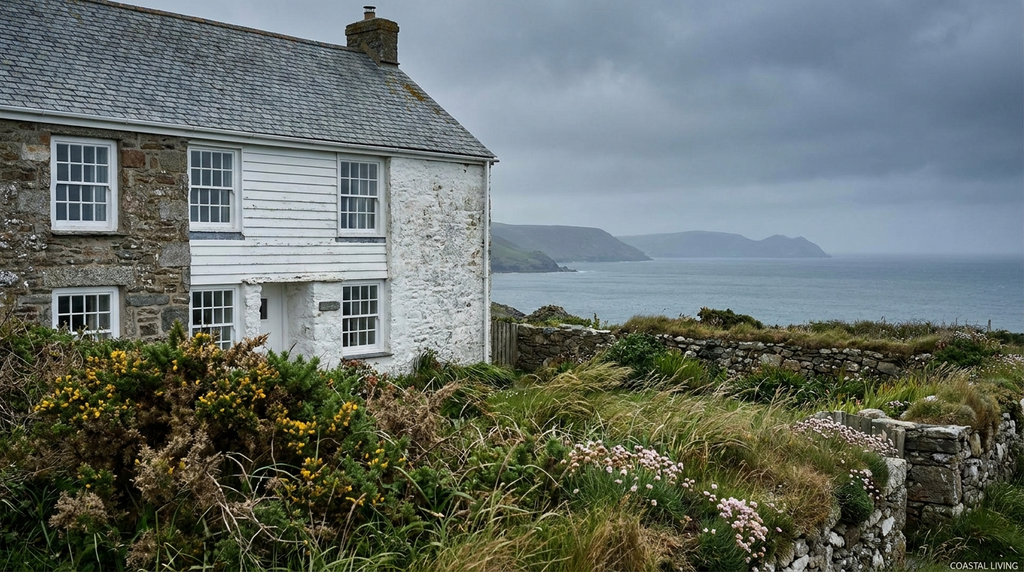
Casement windows have a continuous history in British architecture stretching back to the medieval period, which makes them entirely appropriate for heritage properties. The challenge is specifying them in a way that satisfies both conservation requirements and modern performance standards.
For properties in conservation areas or with original timber casements, flush casement windows in engineered timber (such as Accoya, a modified softwood with a 50-year above-ground durability guarantee) offer a compelling solution. Factory-applied microporous finishes in heritage colour ranges, combined with slim-profile double-glazed units using warm-edge spacers in a heritage bronze finish, can produce a window that looks authentically period from the street while performing to near-modern standards thermally.
Secondary glazing is an alternative frequently required in listed buildings where window replacement isn’t permitted, though this is a supplementary solution rather than a window replacement.
Where slim double-glazed units (typically 14–20mm total thickness) are used to replicate the single-glazed look of original windows, expect whole-window U-values of 1.8–2.2 W/m²K, less impressive than a standard replacement double-glazed unit, but a dramatic improvement on original single glazing at approximately 5.8 W/m²K.