Combi boilers, short for combination boilers, heat around 70% of UK homes, making them the most popular central heating system in the country. A combi boiler combines a central heating boiler and a high-efficiency water heater in a single compact unit, delivering hot water on demand without the need for a separate cylinder or cold water storage tank. In 2026, modern combi boilers achieve efficiencies of 92–94% under the ErP (Energy-related Products) rating system, meaning very little of the gas you pay for is wasted.
How a Combi Boiler Works
A combi boiler operates on a straightforward principle: it heats water directly from the mains supply whenever you need it, rather than storing pre-heated water in a tank. When you turn on a hot tap or shower, a sensor inside the boiler detects the flow of water and fires the burner. Cold mains water passes over a heat exchanger, a coiled tube surrounded by hot combustion gases, and exits your tap at the desired temperature, typically 55–65°C.
For central heating, the boiler works differently. It heats water in a separate loop, circulating it through your radiators via a pump before returning it to be reheated. A diverter valve switches the boiler’s output between the hot water and heating circuits, which is why a combi boiler cannot simultaneously deliver high-flow hot water and run your heating at full capacity, though in practice, you rarely notice this limitation in everyday use.
The condensing technology fitted to all new combi boilers since 2005 recovers heat from flue gases that older boilers vented to atmosphere. This recovered heat pre-warms the returning water, pushing efficiency above 90% and dramatically cutting gas consumption. A flue condensate pipe carries the cooled water vapour, which condenses into a mildly acidic liquid, to an internal drain.
Modern combi boilers also include a built-in expansion vessel, pressure relief valve, and automatic air vent, so the system self-manages most routine pressure fluctuations.
How Much a Combi Boiler Costs in 2026
The total cost of a new combi boiler includes the unit itself, labour for installation, and any system modifications needed. Supply-only prices range from around £600 for a budget 24kW model to over £2,000 for a premium 40kW unit from a top-tier manufacturer. Fully installed, most homeowners spend between £1,800 and £3,500 depending on boiler output, brand, and the complexity of the job.
| Boiler Output | Suitable For | Unit Cost (Supply Only) | Fully Installed Cost |
|---|---|---|---|
| 24–28 kW | 1–2 bedroom flat or small house, 1 bathroom | £600–£900 | £1,800–£2,400 |
| 28–34 kW | 3–4 bedroom house, 1–2 bathrooms | £800–£1,300 | £2,000–£2,900 |
| 35–42 kW | 4–5 bedroom house, 2+ bathrooms, high demand | £1,100–£2,000 | £2,500–£3,500 |
| Premium smart-enabled models | Any size with integrated controls | £1,500–£2,200 | £2,800–£4,000 |
Labour typically accounts for £400–£900 of the total, with engineers in London and the South East charging at the upper end. Additional costs to factor in include:
- Magnetic filter installation, £80–£150, essential for protecting the heat exchanger from sludge
- Flue relocation or extension, £150–£400 if the new boiler cannot use the existing flue position
- Power flush, £300–£600 to clean an older system before fitting a new boiler
- Smart thermostat, £100–£300 supply and fit; often bundled by installers
- Extended warranty, manufacturer warranties run 2–12 years; longer cover may be included in the purchase price
The Main Benefits of a Combi Boiler
Combi boilers have dominated the UK market for good reason. Their combination of space efficiency, running cost, and convenience makes them the right choice for the vast majority of properties.
Space Saving
Because a combi boiler heats water directly from the mains, you need no cold water storage tank in the loft and no hot water cylinder in an airing cupboard. In a typical three-bedroom semi, this frees up roughly 0.5–1.0 cubic metres of storage space that would otherwise house a cylinder and associated pipework.
Instant Hot Water
You get hot water within seconds of turning on a tap, and it flows at mains pressure, typically 1–3 bar, so showers feel powerful without a separate pump. There is no risk of running out of hot water because it is heated continuously on demand, not drawn from a stored tank.
Running Cost Efficiency
A modern condensing combi boiler operating at 93% efficiency wastes just 7p in every pound spent on gas. By contrast, an older non-condensing boiler operates at 70–80% efficiency. Replacing a 15-year-old G-rated boiler with a new A-rated combi can cut heating and hot water bills by £200–£350 per year, according to Energy Saving Trust estimates.
Reduced Heat Loss
Hot water cylinders lose heat constantly, a poorly insulated cylinder can waste 1–2 kWh per day simply sitting idle. Eliminating the cylinder removes this standing loss entirely, which adds up to roughly 365–730 kWh per year in energy savings.
Lower Installation Complexity
Because fewer components are needed, replacing a conventional boiler with a combi (where the property already has mains water pressure) is usually a one-day job. Less pipework means fewer potential leak points over the boiler’s lifetime.
Choosing the Right Combi Boiler for Your Home
Getting the output size correct is the single most important decision. An undersized boiler struggles to meet demand; an oversized one short-cycles (switches on and off too frequently), reducing efficiency and increasing wear.
Sizing by Output
The key figure is the domestic hot water output, measured in kilowatts. As a practical guide:
- 24–28 kW, suitable for homes with 1 bathroom and up to 10 radiators
- 28–34 kW, suitable for homes with 1–2 bathrooms and 10–15 radiators
- 35–42 kW, suitable for larger homes with 2+ bathrooms, 15+ radiators, or high hot water demand
If you have a large family or frequently run multiple showers simultaneously, err towards the higher end. A Gas Safe registered engineer will calculate your exact requirements using a heat loss survey, but these rules of thumb give you a strong starting point before you invite quotes.
Key Specifications to Check
| Specification | What to Look For | Why It Matters |
|---|---|---|
| ErP Efficiency Rating | A-rated (92%+) | Directly affects your gas bill |
| Hot Water Flow Rate | 10–16 litres per minute minimum | Determines shower and tap pressure |
| Modulation Range | Wide range (e.g. 7–35 kW) | Reduces short-cycling and saves energy |
| Warranty Length | 5–12 years parts and labour | Reflects manufacturer confidence in quality |
| Hydrogen Blend Readiness | H2-ready or 20% blend compatible | Future-proofs against grid fuel changes |
| Smart Controls Integration | OpenTherm or manufacturer app compatible | Enables weather compensation and remote control |
Brand Considerations
Worcester Bosch, Viessmann, Vaillant, Baxi, and Ideal are consistently well-regarded in the UK market. Worcester Bosch and Viessmann sit at the premium end with long warranties (up to 12 years on some models); Baxi and Ideal offer solid reliability at mid-range prices. Avoid very cheap unknown-brand boilers, parts availability becomes a serious issue when the boiler needs repair after 5–7 years.
If you are thinking about future energy transitions, look at hydrogen-ready models.
Combi Boiler Installation, What to Expect
All combi boiler installations in England, Wales, and Scotland must be carried out by a Gas Safe registered engineer. This is a legal requirement, not a recommendation. Always ask to see your engineer’s Gas Safe ID card and verify their registration at gassaferegister.co.uk before work begins.
The Installation Process Step by Step
- Pre-installation survey, the engineer assesses your existing system, checks mains water pressure (must be at least 1.0 bar, ideally 1.5–3.0 bar), inspects the flue route, and specifies the correct boiler output.
- System drain and flush, the old system is drained. If there is evidence of sludge or corrosion, a power flush is recommended before the new boiler is connected.
- Boiler mounting, the new unit is secured to the wall on a bracket, level and square. Most combi boilers fit inside a standard kitchen cupboard (typically 700–800mm tall, 400–450mm wide, 300–350mm deep).
- Pipework connections, gas, flow, return, cold mains inlet, and condensate drain are all connected. The condensate pipe must run to an internal drain where possible; external runs must be insulated to prevent freezing.
- Flue installation, a concentric flue (two pipes in one) carries combustion air in and exhaust gases out. Maximum flue lengths vary by manufacturer, typically 3–10 metres equivalent.
- Inhibitor and filter, a corrosion inhibitor is dosed into the system water, and a magnetic filter (such as a Magnaclean) is fitted on the return pipe to catch metal particles.
- Commissioning and testing, the engineer pressurises the system to 1.0–1.5 bar, checks for gas leaks with detection equipment, fires the boiler, and adjusts settings. They should complete a Benchmark commissioning checklist, which forms part of the warranty record.
- Handover, you receive the completed Benchmark document, manufacturer guarantee registration details, and a walkthrough of the boiler controls.
A straightforward like-for-like replacement typically takes 4–8 hours. Moving the boiler to a new location, rerouting the flue, or upgrading old pipework can extend this to 1.5–2 days.
Grants and Funding for Combi Boilers in 2026
The UK Government’s primary funding focus for domestic heating in 2026 is on low-carbon technologies such as heat pumps rather than gas boilers. However, certain households can still access financial support for combi boiler replacement through means-tested energy efficiency schemes.
The Warm Homes Local Grant
Launched in April 2025, the Warm Homes Local Grant provides funding to owner-occupiers and private renters in England with a household income below £36,000 (or properties rated EPC D–G). The grant can cover a new gas boiler where a heat pump is not suitable for the property, for instance, where insulation levels are very low and the property cannot currently support heat pump operation efficiently. Grants of up to £15,000 are available for whole-house energy upgrades, with boiler replacement forming part of this package where appropriate. Applications are administered through your local authority.
ECO4 (Energy Company Obligation)
The ECO4 scheme (running to March 2026 and likely to continue under a successor scheme) requires large energy suppliers to fund energy efficiency improvements for low-income and vulnerable households. Gas boiler replacement or repair is funded under ECO4 where the existing boiler has failed and the household meets the eligibility criteria, typically those receiving qualifying benefits such as Universal Credit, Pension Credit, or Child Tax Credit. There is no cap on household income for certain qualifying benefit recipients.
Boiler Upgrade Scheme, What It Does Not Cover
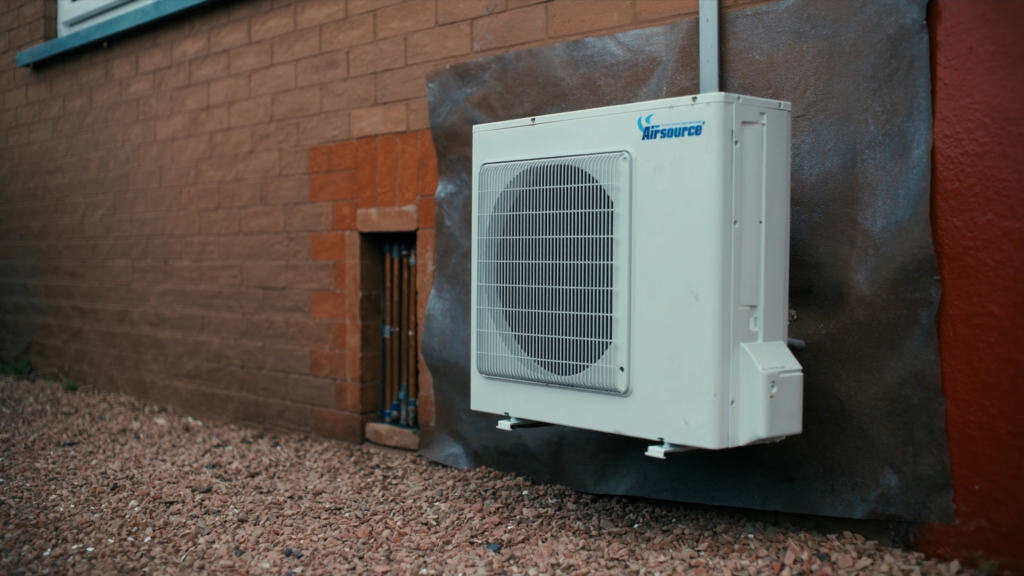
The Boiler Upgrade Scheme (BUS) provides grants of £7,500 for air source heat pumps and £7,500 for ground source heat pumps, but does not fund gas combi boiler replacement. If you are considering whether a heat pump might suit your home instead, Air Source Heat Pumps guide comparing running costs and suitability by property type.
VAT on Boiler Installation
As of 2026, the installation of a new gas boiler attracts 20% VAT. However, some energy-saving measures installed alongside the boiler, such as a smart thermostat or thermostatic radiator valves, may qualify for the 0% VAT rate under the Energy Saving Materials relief introduced in 2023, so it is worth asking your installer to itemise the quote.
Common Combi Boiler Problems and How to Solve Them
Modern combi boilers are reliable, but like all mechanical systems they develop faults over time. Knowing the warning signs saves you money and prevents small issues from becoming expensive repairs.
Low Boiler Pressure
The most common fault call. The system pressure gauge (usually visible on the boiler fascia) should read 1.0–1.5 bar when cold. If it drops below 0.5 bar, the boiler may lock out. You can re-pressurise yourself using the boiler’s filling loop, consult your manual, as the process takes under five minutes. If pressure drops repeatedly, you have a leak somewhere in the system.
No Hot Water or Heating
Check the boiler display for a fault code, all modern boilers show alphanumeric codes. Common causes include a frozen condensate pipe (if external, pour warm, not boiling, water over it), a failed ignition (usually requires an engineer), or a faulty diverter valve (the component that switches between heating and hot water circuits).
Kettling Noises
A rumbling or banging sound from the boiler or radiators indicates limescale buildup on the heat exchanger (common in hard water areas) or sludge in the system. A chemical descaler can sometimes resolve mild cases; severe limescale may mean the heat exchanger needs replacement, typically costing £300–£600 in parts and labour.
Radiators Cold at the Top
Air trapped in radiators prevents hot water circulating fully. Bleeding the radiator with a radiator key, a simple DIY job, releases the air. After bleeding, check and re-pressurise the boiler if the system pressure has dropped.
Boiler Keeps Switching Off
Repeated lock-outs often signal low water pressure, a faulty pump, a blocked heat exchanger, or a defective thermostat. If it happens more than once in a fortnight, call a Gas Safe engineer rather than repeatedly resetting the boiler.
Annual Servicing and Long-Term Maintenance
An annual boiler service from a Gas Safe registered engineer is the single best investment you can make in your combi boiler’s longevity. Most manufacturer warranties require annual servicing to remain valid. A service typically costs £60–£120 and takes 45–90 minutes.
During a service, the engineer will:
- Clean the burner and heat exchanger
- Check flue integrity and combustion readings
- Inspect the condensate trap and drain
- Test the gas valve, ignition leads, and flame sensor
- Check system pressure and inhibitor concentration
- Clear the magnetic filter of collected debris
In hard water areas (roughly 60% of England), fitting a scale reducer on the cold mains inlet protects the heat exchanger and can extend boiler life by several years. Dosing the central heating system with a quality corrosion inhibitor (such as Fernox F1 or Sentinel X100) every 2–3 years protects radiators and pipework from internal corrosion. A well-maintained combi boiler should last 12–15 years; some premium units reach 20 years with consistent servicing.
If your boiler is over 10 years old and requiring frequent repairs costing more than £300–£400 per year, replacement is likely to be more cost-effective than continued repair, particularly given the energy savings a new A-rated boiler delivers.
Combi Boilers and Smart Controls
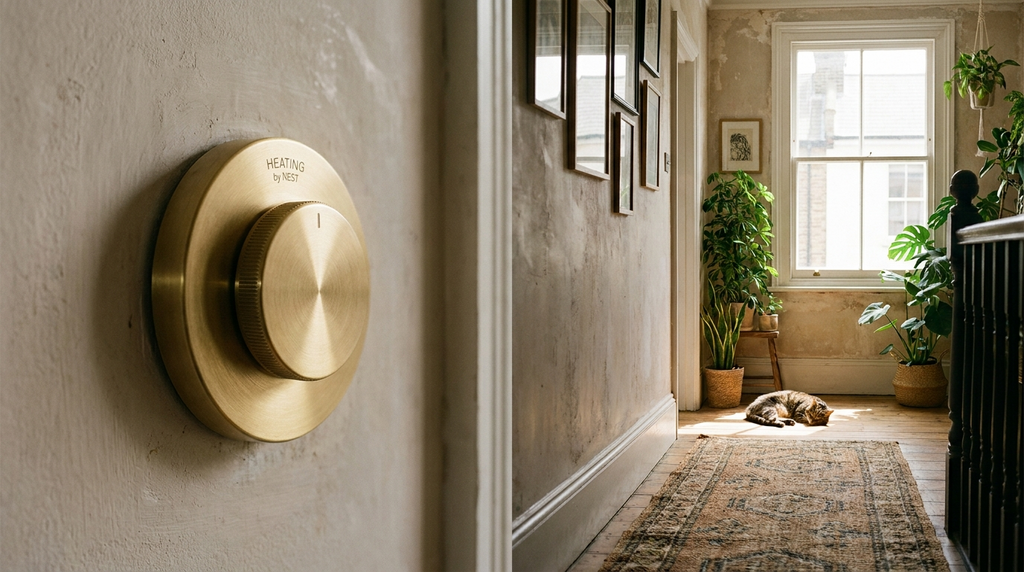
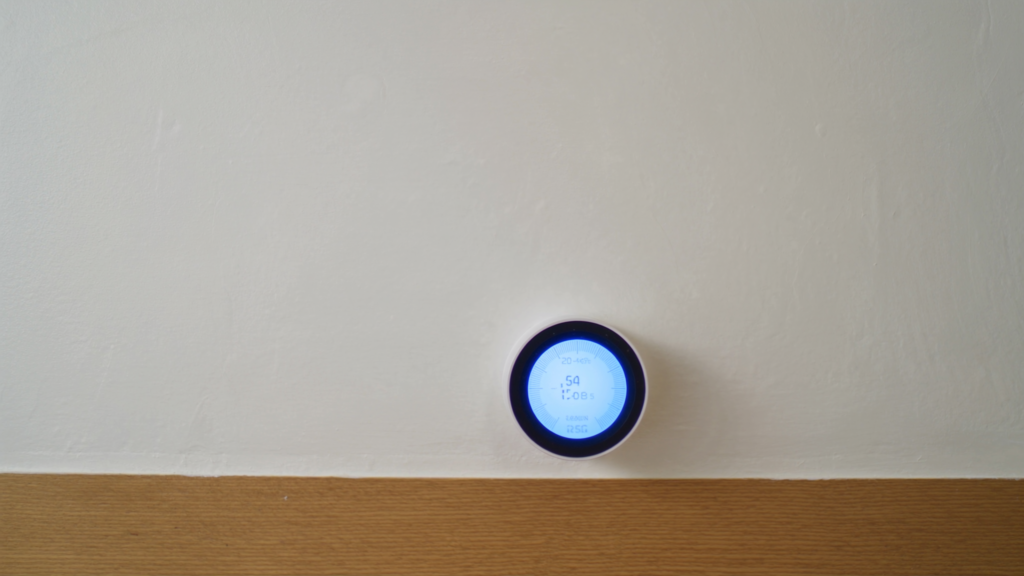
Pairing your combi boiler with a smart thermostat transforms how you manage your heating. Unlike basic programmable thermostats, smart thermostats learn your schedule, respond to outdoor temperature via weather compensation, and allow remote control through a smartphone app. The energy savings are meaningful: the Energy Saving Trust estimates that smart thermostats reduce heating energy consumption by 8–12% on average.
For the best performance, look for a thermostat that communicates with your boiler via the OpenTherm protocol rather than simple on/off switching. OpenTherm allows the thermostat to modulate the boiler’s output continuously, lowering the flow temperature when less heat is needed, rather than simply turning the boiler on and off. Running your boiler at a lower flow temperature (55°C rather than 75°C) increases condensing efficiency and can save an additional 6–8% on gas consumption.
Products such as the Nest Learning Thermostat, Hive Active Heating, and Tado Smart Thermostat all support OpenTherm on compatible boilers.
The Future of Combi Boilers in the UK
The UK Government confirmed in 2024 that the proposed 2035 ban on new gas boiler installations in existing homes would apply to boilers that cannot run on hydrogen or hydrogen blends. This does not affect the millions of combi boilers already installed, which will continue to be serviced and operated. New boilers sold from 2025 onwards are increasingly being built to operate on a 20% hydrogen blend, the level expected to be introduced into the gas grid during the late 2020s, without modification.
If you are replacing a boiler in 2026, choosing a hydrogen-blend-compatible model is a sensible hedge. Full 100% hydrogen-ready boilers, capable of switching to pure hydrogen with minimal modification, are available from manufacturers including Worcester Bosch, Vaillant, and Baxi. The long-term direction of the gas grid remains subject to government policy, so a hydrogen-ready boiler provides maximum flexibility whatever the outcome.
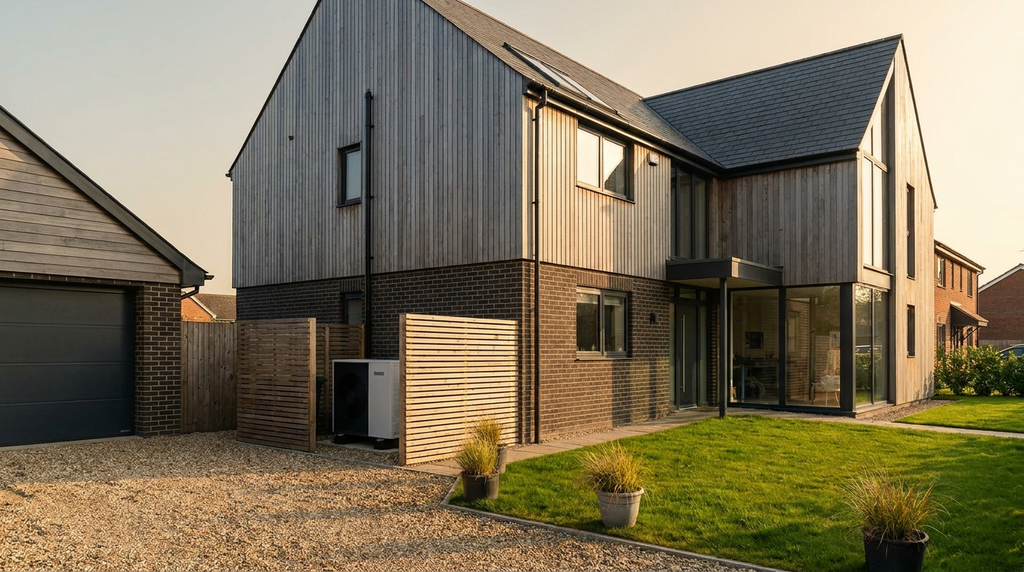
For homeowners in well-insulated properties with suitable outdoor space, an air source heat pump may represent a better long-term investment than a new gas boiler, particularly given the Boiler Upgrade Scheme grant of £7,500. However, for the majority of UK homes, particularly older, less well-insulated properties, a high-efficiency combi boiler remains the most practical, cost-effective heating solution in 2026.