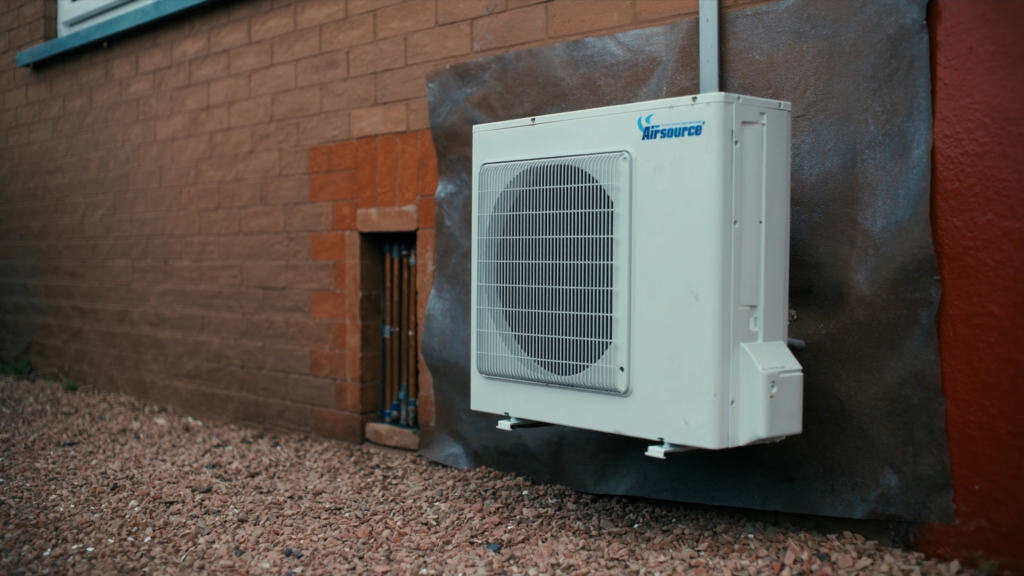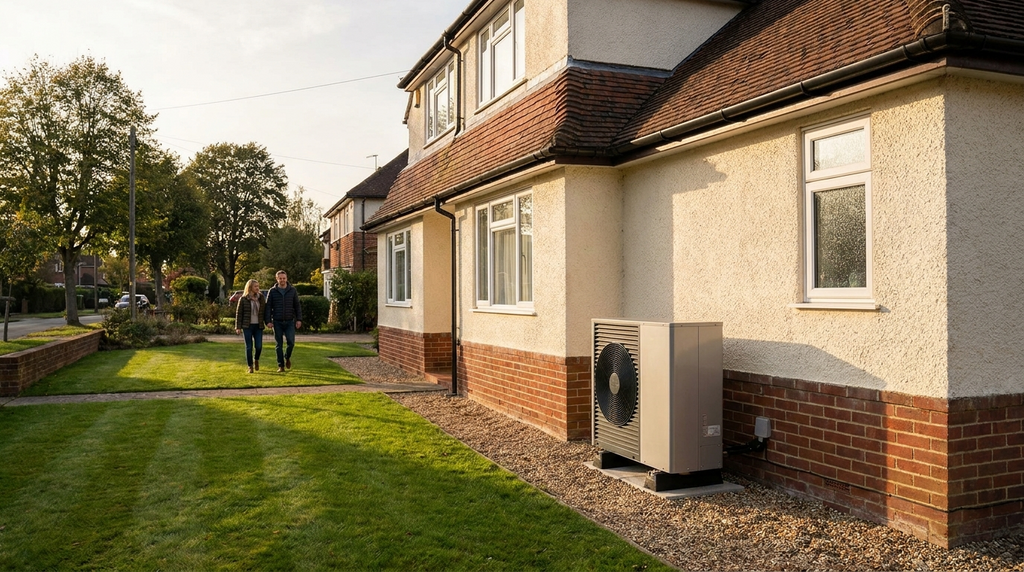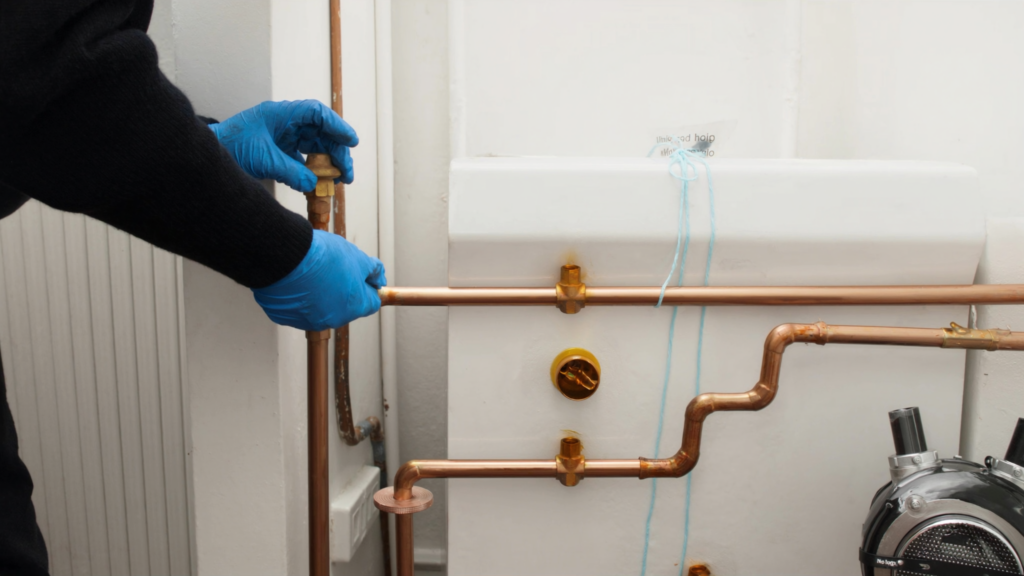
Yes, a hybrid heat pump system is worth it for many UK homes, but the answer depends on your property’s heat loss, existing heating system, and access to the grant. A hybrid system pairs an air source heat pump with a gas boiler, automatically switching between the two based on efficiency and temperature. The Energy Saving Trust notes that a well-sized hybrid can reduce carbon emissions by up to 40% compared to a gas boiler alone (Energy Saving Trust, 2026).
The key variable is suitability for a full heat pump. If your home has poor insulation, small radiators, or no space for a hot water cylinder, a full heat pump may be impractical or expensive to install. A hybrid system avoids these issues: your gas boiler still handles peak heating and hot water, while the heat pump covers milder days. This makes hybrids ideal for older, draughty homes or flats where full electrification isn’t feasible. However, if your property already has good insulation and underfloor heating, a full heat pump will likely be more efficient and cost-effective long-term.
Lower upfront cost than a full heat pump
A hybrid heat pump system typically costs £7,000 to £12,000 installed, compared to £12,000 to £18,000 for a full air source heat pump, according to the Energy Saving Trust (Energy Saving Trust, 2026). The Boiler Upgrade Scheme offers a £7,500 grant for heat pumps, which applies to hybrid systems as long as the heat pump meets efficiency standards (GOV.UK, 2026). After the grant, your cost drops to £0 to £4,500 for the heat pump part, though you still need a compatible boiler. This makes hybrids one of the cheapest routes to partial electrification.
Running cost savings depend on energy prices
Annual running cost savings range from £100 to £300 compared to a gas boiler alone, based on typical usage and 2026 energy price caps. Ofgem’s price cap sets electricity at 24.5p/kWh and gas at 6.0p/kWh as of January 2026 (Ofgem, 2026). The heat pump operates at a Seasonal Coefficient of Performance (SCOP) of around 3.0, meaning each kWh of electricity delivers 3 kWh of heat. When outdoor temperatures drop below 4°C, the gas boiler takes over, avoiding the high cost of electric resistive heating. Savings shrink if your home is poorly insulated or your boiler is already efficient.
Carbon savings are real but limited
A hybrid system cuts carbon emissions by 20% to 40% versus a gas boiler, depending on how often the heat pump runs. The UK grid’s carbon intensity averages 180g CO2/kWh in 2026, down from 250g in 2020, according to the National Grid ESO (ONS, 2026). Even so, a hybrid still uses gas for around 30% to 60% of annual heating, so it’s not zero-carbon. For full decarbonisation, you’d need a full heat pump or hydrogen-ready boiler. However, for homes where a full heat pump is unaffordable or impractical, a hybrid is a genuine step forward and qualifies for the Boiler Upgrade Scheme grant.
A worked example
For a typical 1930s semi-detached home in Manchester with 90m² of floor space and moderate insulation, a hybrid heat pump system costs around £9,500 fully installed. After the £7,500 BUS grant, your upfront cost drops to £2,000. This system pairs a 5kW air source heat pump with an existing gas combi boiler, covering roughly 60% of annual heating demand. Based on Energy Saving Trust figures, you save approximately £350 per year on energy bills compared to a gas boiler alone, thanks to the heat pump handling milder weather efficiently. With a payback period of under six years, the 25-year lifetime savings reach roughly £8,750, assuming current gas and electricity prices. The 0% VAT on heat pumps, in place until March 2027, further reduces the initial cost. Check your eligibility at gov.uk to confirm the grant.
| Item | Figure |
|---|---|
| Upfront cost after grants | £2,000 |
| Yearly savings | £350 |
| Payback period | 5.7 years |
| 25-year lifetime savings | £8,750 |
What homeowners often get wrong
The most common mistake is assuming a hybrid system is always cheaper to run than a gas boiler alone. Here are three frequent errors that cost homeowners money.
- Ignoring the electricity-to-gas price ratio Many homeowners think the heat pump runs all the time. In reality, a hybrid only saves money when electricity is no more than three times the price of gas per kWh. If your tariff is poor, the boiler may handle most of the load, wasting the £7,500 grant.
- Overlooking the need for a smart controller Some buyers install a hybrid without a weather-compensated thermostat. This means the system never switches intelligently, so you miss up to 30% of potential savings and could void your warranty under MCS standards.
- Assuming the gas boiler can stay old A common belief is that any existing boiler works fine. In fact, the boiler must be modern, efficient, and compatible with the heat pump control logic. An outdated boiler can reduce system efficiency by 20%, costing an extra £100 per year in wasted energy.
Quick reference
- A hybrid heat pump system in a UK semi-detached home can cut carbon emissions by up to 40% versus a gas boiler alone.
- The installed cost after the £7,500 BUS grant ranges from £0 to £4,500 for most eligible homes.
- You must have a modern gas boiler (typically condensing, under 15 years old) for the hybrid to work efficiently.
- Typical annual savings are £300 to £400 depending on your tariff and home insulation levels.
- One common pitfall is failing to check ECO4 eligibility, which could cover additional insulation upgrades before installation.
Frequently Asked Questions
A hybrid heat pump system costs £7,000 to £12,000 installed, according to the Energy Saving Trust. After the £7,500 Boiler Upgrade Scheme grant, your outlay drops to £0 to £4,500.
Yes, the Boiler Upgrade Scheme covers hybrid heat pumps if the heat pump meets efficiency standards, as confirmed by GOV.UK. You can claim the full £7,500 grant for a qualifying hybrid system.
Choose a hybrid heat pump if your home has poor insulation, small radiators, or no space for a hot water cylinder. The Energy Saving Trust recommends hybrids for older, draughty homes where full electrification is impractical.