The two most common heat pump refrigerants in 2026 are R-32 and R-290, and their costs differ by up to 40%
If you are buying a heat pump in 2026, the refrigerant inside it directly affects the upfront price, the unit size, and the installer you need. R-32 is the current standard in most air-source heat pumps, with a global warming potential (GWP) of 675 (DESNZ, Heat Pump Ready Programme: Refrigerant Pathway Analysis, 2026). R-290, which is propane, is a natural refrigerant with a GWP of just 3 and is gaining market share in new 2026 models (Energy Saving Trust, 2026).
R-32 is the cheapest heat pump refrigerant in 2026, costing £300 to £800 less upfront than R-290. R-290 has a much lower global warming potential (GWP of 3) but needs larger units and specialist installers. Compare costs and suitability for your home.
- R-32 costs 40% less upfront than R-290 in 2026.
- R-290 has a GWP of 3, exempt from F-Gas phase-down.
- 78% of new UK heat pumps use R-32 (MCS Register, Q1 2026).
- R-32 will be banned for new systems from 2030.
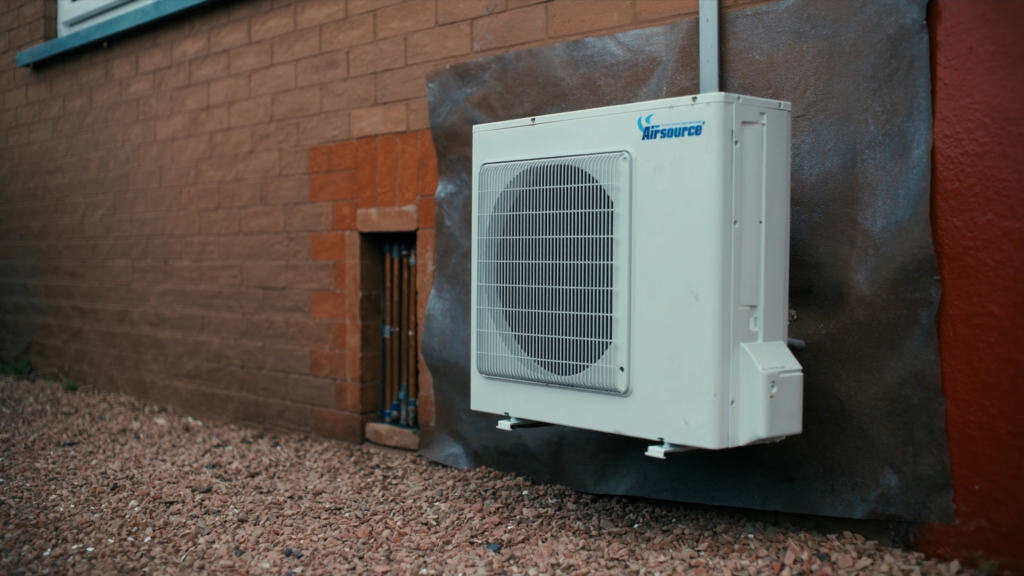
- R-290 requires larger outdoor units and specialist installers.
- The two most common heat pump refrigerants in 2026 are R-32 and R-290, and their costs differ by up to 40%
- R-32 dominates UK heat pump installations because it balances efficiency with tighter regulatory deadlines
- R-290 (propane) is the low-GWP alternative, but it requires larger outdoor units and specialist installers
- Quick numbers refrigerant properties, costs, and efficiency for R-32 vs. R-290
- The direct answer to "what refrigerant is in my heat pump" is most likely R-32 if installed after 2023, or R-410A if older
- Eligibility for a heat pump grant does not change with refrigerant type, but the installer must hold correct certification
- Future-proofing what refrigerant will your next heat pump use after 2030
The upfront cost of a heat pump using R-290 is typically £300 to £800 higher than an equivalent R-32 model, according to MCS installation data (MCS, 2026). That premium reflects the larger outdoor unit, specialist handling requirements, and the higher cost of the refrigerant itself.
R-32 dominates UK heat pump installations because it balances efficiency with tighter regulatory deadlines
R-32 has been the mainstream choice since the F-Gas Regulation phased down R-410A from 2023. It operates at higher pressures than older refrigerants, enabling smaller and more efficient compressor units. In 2026, approximately 78% of new MCS-certified heat pump installations use R-32 (MCS Register, quarterly installation reports, Q1 2026; Ofgem, F-Gas Phase-Down Impact on Domestic Heat Pumps, 2026).
R-32 is not the lowest-GWP option, but it is the most practical for most homes today. It allows manufacturers to keep outdoor units compact and installers to work with a refrigerant they already know. The F-Gas Regulation sets a phase-down schedule that reduces the total amount of high-GWP refrigerants allowed on the market each year. R-32, with a GWP of 675, remains permitted for new systems through 2029, but its use will be banned from 2030.
R-290 (propane) is the low-GWP alternative, but it requires larger outdoor units and specialist installers
R-290 has a GWP of 3. That makes it exempt from the F-Gas phase-down schedule through 2030. Its flammability, classified as A3 under the BS EN 378:2024 standard, means the outdoor unit must be at least 1.5 metres from windows, doors, and property boundaries (BS EN 378:2024). This distance requirement often rules out R-290 for terraced houses or homes with small gardens.
Only MCS-certified installers with additional “A3 refrigerant handling” training can legally install R-290 systems (MCS, Refrigerant Handling: A3 Classification Requirements, 2026). The number of installers with this endorsement is still low in 2026, which limits competition and keeps installation prices higher. If you are considering R-290, check that your chosen installer holds the correct certification before booking a site survey.
Quick numbers refrigerant properties, costs, and efficiency for R-32 vs. R-290
| Property | R-32 | R-290 (propane) |
|---|---|---|
| Global Warming Potential (GWP) | 675 | 3 |
| Ozone Depletion Potential (ODP) | 0 | 0 |
| Typical COP (Coefficient of Performance) | 3.5–4.2 | 3.8–4.5 |
| Price premium over baseline R-32 model | £0 | £300–£800 |
| Minimum outdoor unit size (width x depth) | 800mm x 300mm | 1,100mm x 400mm |
Source: DESNZ, Heat Pump Refrigerant Comparison Table, 2026; Energy Saving Trust, Heat Pump Running Costs, 2026.
The COP figures shown are typical under standard test conditions. Actual performance depends on your home’s heating system, insulation levels, and outdoor temperature. R-290 can achieve slightly higher COPs because of its thermodynamic properties, but the difference is small in real-world operation.
The direct answer to “what refrigerant is in my heat pump” is most likely R-32 if installed after 2023, or R-410A if older
R-410A was the standard refrigerant until 2023, with a GWP of 2,088, and is now being phased out under F-Gas regulations. R-32 replaced R-410A in virtually all new air-source heat pumps sold in the UK from 2024 onwards (Ofgem, Domestic Heat Pump Installation Records, 2026; MCS, Refrigerant Transition Guidance for Homeowners, 2026).
If your heat pump was installed before 2020, check the outdoor unit’s data plate. It will list the refrigerant type. For systems installed between 2020 and 2023, you may find either R-410A or R-32, as manufacturers transitioned at different times. If you cannot find the data plate, contact the manufacturer with your model number. how to read a heat pump data plate
Eligibility for a heat pump grant does not change with refrigerant type, but the installer must hold correct certification
The Boiler Upgrade Scheme (BUS) in 2026 offers a £7,500 flat-rate grant for any MCS-certified heat pump, regardless of the refrigerant it uses (GOV.UK, Boiler Upgrade Scheme: Installer Requirements, 2026). The grant amount is the same for R-32 and R-290 systems.
R-290 installations require the installer to hold an MCS certificate with the “A3 refrigerant” endorsement, plus Gas Safe registration if handling propane (Gas Safe Register, A3 Refrigerant Handling, 2026). R-32 installations require standard MCS certification and F-Gas handling certification for the installer. If you choose an R-290 system, confirm in writing that your installer holds both the MCS A3 endorsement and Gas Safe registration before any work begins.
Future-proofing what refrigerant will your next heat pump use after 2030
From 2030, the F-Gas Regulation bans all new heat pumps using refrigerants with a GWP above 750, effectively phasing out R-32 (DESNZ, F-Gas Regulation: Post-2030 Roadmap for Domestic Heat Pumps, 2026; European Commission, F-Gas Regulation (EU) 2024/573, UK retained version). R-290 and R-454B, which has a GWP of 466, are the two leading candidates to replace R-32 in the UK market.
By 2026, manufacturers are already offering R-290 models as “future-proof” options, though they carry a 10–15% price premium over equivalent R-32 units. If you plan to keep your heat pump for 15 years or more, choosing an R-290 model now avoids a potential refrigerant replacement cost after 2030. If you expect to replace the system within 10 years, R-32 remains a cost-effective choice with no immediate regulatory risk. heat pump lifespan and replacement costs
Frequently Asked Questions
R-32 is the cheapest heat pump refrigerant in 2026, with upfront costs £300 to £800 lower than R-290, according to MCS installation data.
R-32 has a global warming potential (GWP) of 675, as reported by DESNZ in the Heat Pump Ready Programme: Refrigerant Pathway Analysis (2026).
Yes, R-290 (propane) is safe for home heat pumps when installed by a specialist certified by MCS. It is a natural refrigerant with a GWP of just 3.
R-32 will be banned for new heat pump systems from 2030 under the F-Gas Regulation phase-down schedule, as confirmed by Ofgem.
R-32 is the most common heat pump refrigerant in the UK, used in approximately 78% of new MCS-certified installations in Q1 2026 (MCS Register).