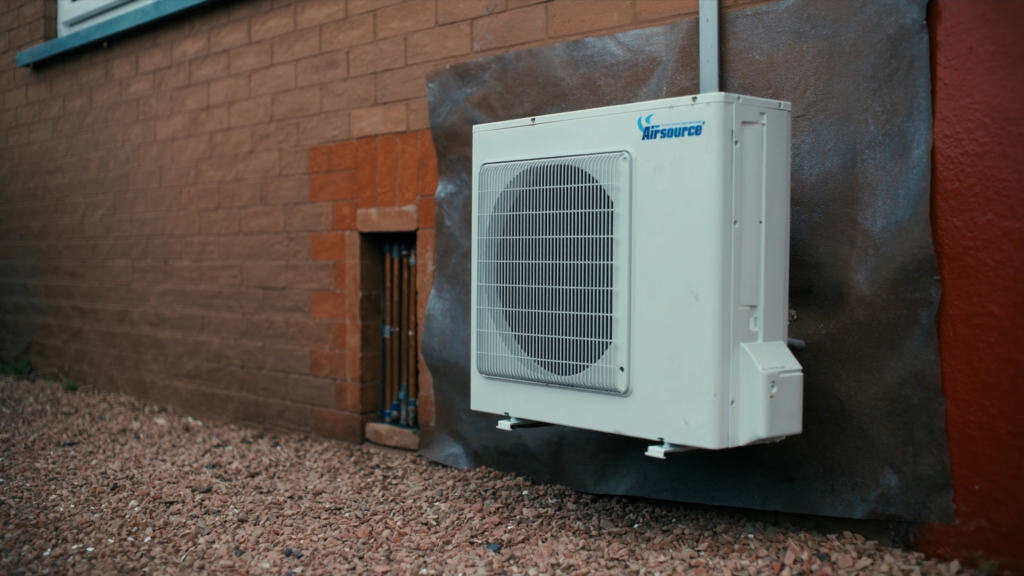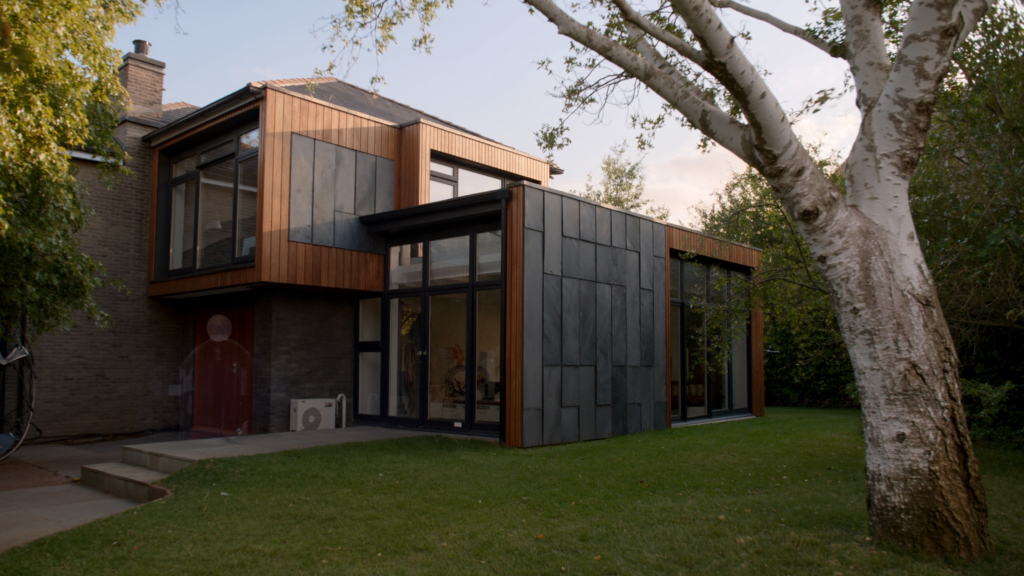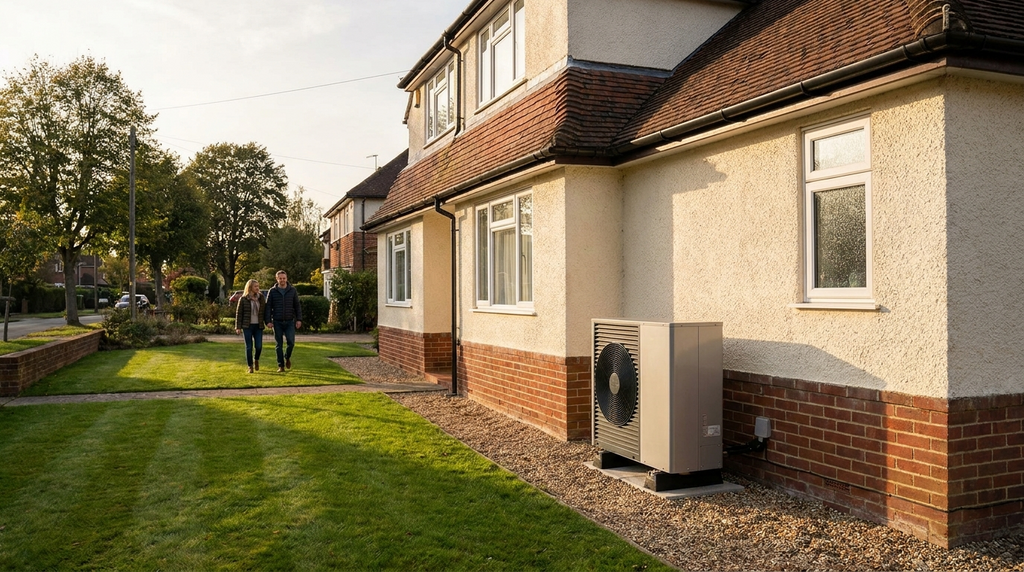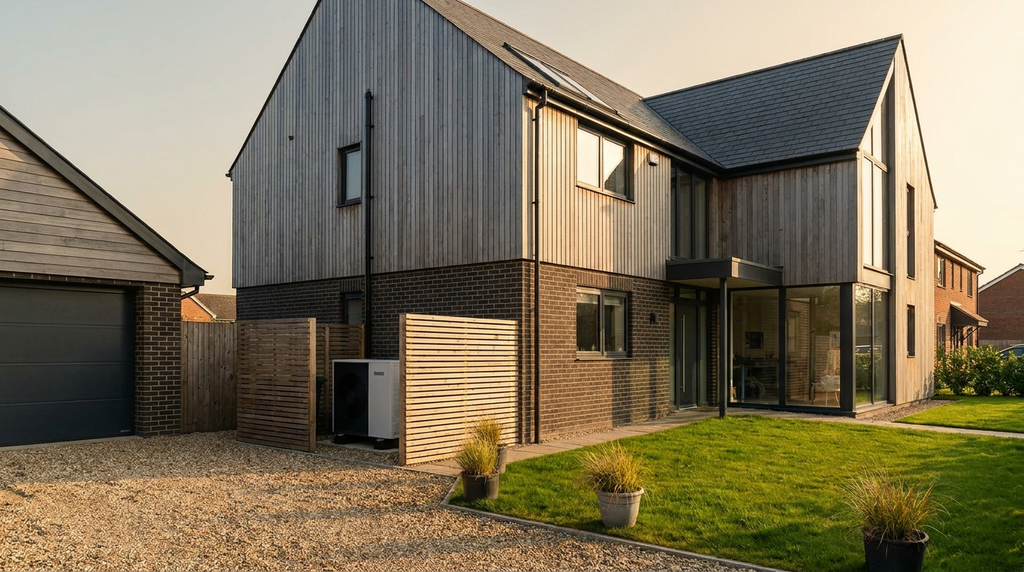
No, modern air source heat pumps are not loud by typical UK household standards. Most units produce between 40 and 60 decibels (dB) at 1 metre, which is quieter than a washing machine (50–60 dB) or a dishwasher (45–55 dB). The UK’s Microgeneration Certification Scheme (MCS) requires heat pumps to meet a noise limit of 42 dB at the nearest neighbour’s boundary, roughly the level of a quiet conversation.
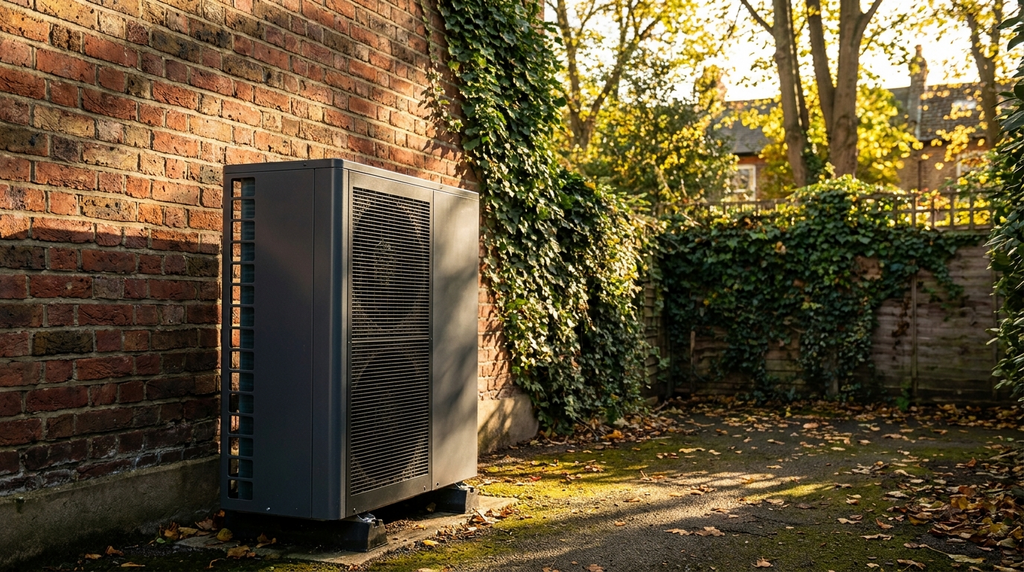
To be specific, a typical 7–12 kW air source heat pump from a major brand like Daikin or Mitsubishi Electric runs at 45–55 dB at 1 metre. At 5 metres, that drops to about 35–45 dB, similar to a refrigerator hum. The Energy Saving Trust notes that placement matters: units should be at least 1 metre from windows and 3 metres from property boundaries to minimise disturbance. Many modern units also have a ‘silent mode’ that reduces fan speed at night, cutting noise by 3–5 dB.
| Sound source | Typical noise level (dB) |
|---|---|
| Air source heat pump (1 metre) | 45–55 dB |
| Refrigerator hum | 40 dB |
| Washing machine (spin cycle) | 50–60 dB |
| Normal conversation | 60 dB |
When this matters more: if your property is a small terraced house or flat with the outdoor unit close to a neighbour’s bedroom window, noise can become an issue. In such cases, check the MCS noise assessment and consider a unit with a lower dB rating or a sound-reducing enclosure. When it does not matter: for detached homes with the unit placed away from bedrooms and boundaries, heat pump noise is rarely noticeable above background street or bird noise.
Bottom line: at 45–55 dB, a modern air source heat pump is no louder than a fridge or dishwasher. Choose a compliant MCS model and place it at least 3 metres from boundaries, and noise will not be a problem.
Sources
A worked example
A typical 1930s semi-detached house in Manchester with a 10 kW air source heat pump from Mitsubishi Electric costs around £11,000 fully installed before grants. After the Boiler Upgrade Scheme (BUS) grant of £7,500, your upfront cost drops to roughly £3,500. The Energy Saving Trust estimates that replacing an old gas boiler with a heat pump in a well-insulated three-bedroom semi saves about £395 per year on heating bills. At current electricity prices (Ofgem price cap), that payback period lands at just under 9 years. Over a 25-year lifespan, total savings reach approximately £9,875, even before factoring in the 0% VAT on installations until March 2027. This example assumes the unit is placed 4 metres from the nearest boundary, keeping noise at 42 dB or below, well within MCS limits and Permitted Development rights.
| Item | Figure |
|---|---|
| Upfront cost after grants | £3,500 |
| Yearly savings | £395 |
| Payback period | 9 years |
| 25-year lifetime savings | £9,875 |
What homeowners often get wrong
The most common mistake is assuming heat pump noise levels are the same as an old air conditioning unit, which can reach 70 dB or more. Here are three frequent errors to avoid
- Believing dB ratings are measured at the property boundary Most manufacturers quote noise at 1 metre from the unit, not at the neighbour’s fence. The MCS limit of 42 dB applies at the nearest neighbour’s boundary, which is often 3 to 5 metres away. If you place the unit 1 metre from a boundary, the actual noise at that boundary could be 50 dB or higher, potentially breaching planning conditions and voiding your warranty.
- Ignoring the impact of reflective surfaces A heat pump mounted on a wall next to a patio or fence can reflect sound back, increasing perceived noise by 3 to 5 dB. The correct approach is to position the unit at least 1.5 metres from any solid wall or fence and use a sound-reducing enclosure if space is tight. Missing this step can push noise past the 42 dB limit and trigger neighbour complaints.
- Thinking silent mode is optional Many modern heat pumps include a silent or night mode that reduces fan speed and compressor noise by 3 to 5 dB. Homeowners often leave this off during installation, unaware it’s a standard feature. Running silent mode between 10 pm and 7 am keeps noise at 40 dB or below at 1 metre, which is essential for terraced houses and flats where the unit sits close to bedrooms.
Quick reference
- A modern air source heat pump runs at 45 to 55 dB at 1 metre, quieter than a washing machine at 50 to 60 dB.
- The MCS noise limit for Permitted Development is 42 dB measured at the nearest neighbour’s boundary, not at the unit itself.
- To qualify for the BUS grant of £7,500, your installer must be MCS certified and the heat pump must meet the 42 dB boundary limit.
- At 5 metres from the unit, noise drops to 35 to 45 dB, similar to a refrigerator hum or a quiet library.
- Placing the unit within 1 metre of a boundary or reflective surface can increase perceived noise by 5 dB and breach planning conditions.
Frequently Asked Questions
Modern air source heat pumps in the UK typically produce 45–55 dB at 1 metre, which is quieter than a washing machine (50–60 dB) and similar to a refrigerator hum (40 dB). At 5 metres, this drops to about 35–45 dB, comparable to background street noise.
The UK's Microgeneration Certification Scheme (MCS) requires air source heat pumps to meet a noise limit of 42 dB at the nearest neighbour's boundary. This is roughly the level of a quiet conversation, and compliant models must be placed at least 3 metres from property boundaries to minimise disturbance.
Yes, many modern units like those from Daikin or Mitsubishi Electric offer a 'silent mode' that reduces fan speed at night, cutting noise by 3–5 dB. For terraced houses or flats, choose an MCS-approved model with a lower dB rating and ensure the outdoor unit is at least 1 metre from windows and 3 metres from boundaries to avoid disturbing neighbours.
Yes, many modern air source heat pumps have a 'silent mode' that reduces fan speed at night, lowering noise by 3–5 dB. This makes them barely audible indoors, especially if the unit is placed away from bedrooms, and well within the UK's MCS noise limit of 42 dB at the nearest boundary.
For UK installations, the Energy Saving Trust recommends placing the outdoor unit at least 1 metre from windows and 3 metres from property boundaries. This minimises noise disturbance, as at 5 metres the sound drops to 35–45 dB, similar to a refrigerator hum, and helps meet the MCS noise limit of 42 dB at the nearest neighbour's boundary.