Heating a typical UK home accounts for roughly 60% of annual household energy use, which makes the switch to an air source heat pump one of the most financially consequential decisions a homeowner can make. With electricity prices, gas prices, and government grants all shifting in recent years, understanding exactly what an air source heat pump will cost to run day-to-day has never been more important.
Air source heat pump running costs for a typical 3-bedroom semi-detached home in the UK range from £900 to £1,600 per year in 2026, depending on insulation quality, system settings, and electricity tariff. The most important thing to understand is that efficiency, measured as the Coefficient of Performance, drops significantly if the system is poorly configured or the home is poorly insulated, which can push bills well above equivalent gas heating costs. Homeowners can offset the upfront investment using the Boiler Upgrade Scheme grant of £7,500, available in England and Wales, and should use an MCS-certified installer to ensure the system is sized and set up correctly for their property.
- Budget between £900 and £1,600 per year in running costs for a typical 3-bedroom semi-detached home with an air source heat pump in 2026
- Get your home properly insulated before installation — poor insulation is the single biggest cause of higher-than-expected running costs
- Ask your installer to set the flow temperature as low as possible (ideally below 45°C) to maximise efficiency and keep electricity use down
- Switch to an EV or heat pump-specific electricity tariff such as Octopus Cosy or similar to reduce the unit rate you pay during heating hours
- Claim the Boiler Upgrade Scheme grant of £7,500 before committing to installation — this significantly reduces your payback period
- Get at least 3 quotes from MCS-certified installers and ask each one to provide an estimated Seasonal Coefficient of Performance for your specific property
- Have your system serviced annually to maintain peak efficiency and protect your MCS warranty and any grant conditions
- Understanding Air Source Heat Pump Running Costs
- How Much Does It Actually Cost to Run an Air Source Heat Pump in 2026
- The Key Factors That Affect Your Annual Running Costs
- Air Source Heat Pump Running Costs Compared to Gas Boilers
- Grants and Financial Support Available in 2026
- How to Choose the Right Setup to Keep Running Costs Low
- Understanding Your Electricity Bill After Installing a Heat Pump
- Verifying Your Installer's Credentials to Protect Your Investment
- Common Mistakes That Lead to Higher Running Costs
Air source heat pump running costs for a typical 3-bedroom semi-detached home in the UK range from approximately £900 to £1,600 per year in 2026, depending on insulation quality, how the system is configured, and which electricity tariff the household is on. A well-optimised system in a well-insulated home can run at broadly comparable cost to a gas boiler, while a poorly set-up system in a draughty property will cost considerably more. The sections below explain what drives those costs and how to keep them as low as possible.
Understanding Air Source Heat Pump Running Costs
Air source heat pump running costs refer specifically to the ongoing electricity bills generated by operating the system day-to-day, not the upfront cost of buying and installing the equipment. These are the costs that appear on your energy bill every month for as long as the system is in your home, so understanding them properly is essential before committing to an installation.
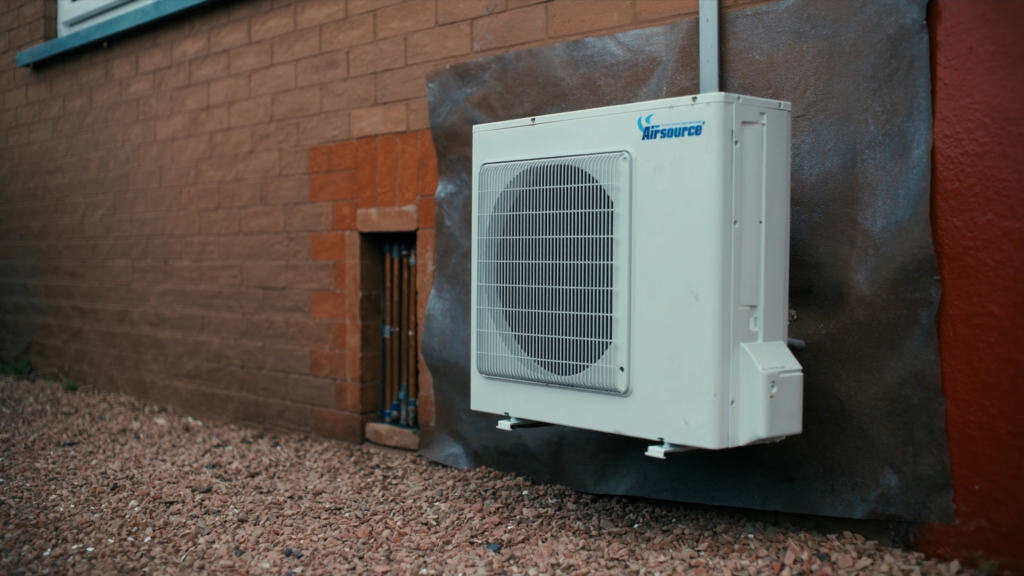
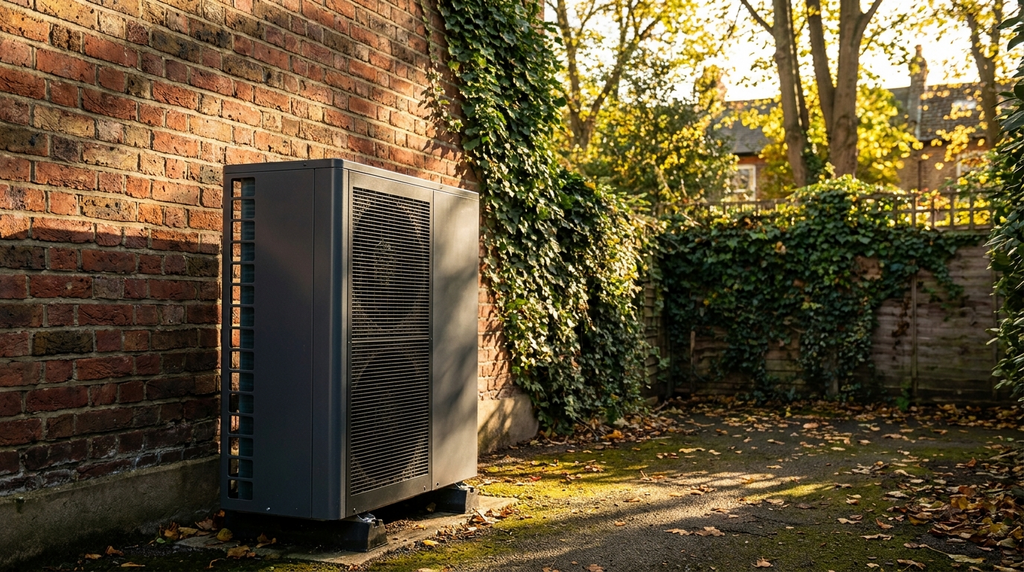
An air source heat pump is a device that extracts heat energy from the outdoor air and transfers it inside your home, using a refrigerant cycle similar to a fridge working in reverse. Rather than burning a fuel to generate heat, it moves existing heat from one place to another. This is the fundamental reason why air source heat pumps can deliver more usable heat than the electricity they consume, they are not creating energy from nothing, but acting as a highly efficient heat transporter.
The measure used to describe this efficiency is the Coefficient of Performance, or COP. The COP tells you how many units of heat are delivered for every unit of electricity used. A well-installed air source heat pump operating under good conditions can achieve a COP of 2 to 4, meaning every £1 spent on electricity delivers the equivalent of £2 to £4 worth of heat. According to Energy Saving Trust guidance, modern air source heat pumps operating at the correct settings in a suitable home routinely achieve this range.
Despite this efficiency advantage, running costs still vary enormously between households. The four biggest drivers are the quality of your home’s insulation (which determines how much heat is needed in the first place), the size and layout of your property, how much hot water your household uses, and the electricity tariff you are on. A poorly insulated home with a high-flow temperature setting on an expensive standard tariff will cost far more to heat than a well-insulated home with a smart heat pump tariff, even if both properties have the same model of heat pump installed.
Practical tip, before anything else, check your home’s EPC (Energy Performance Certificate) rating. If it is below a D, addressing insulation before installation will do more to reduce your future running costs than almost any other single step.
How Much Does It Actually Cost to Run an Air Source Heat Pump in 2026
Under the 2026 Ofgem price cap, the standard electricity unit rate stands at approximately 24p per kWh, with a standing charge of roughly 61p per day. Gas sits at approximately 6.5p per kWh, which means electricity currently costs around 3.5 to 4 times more per unit than gas on a like-for-like basis.
That gap sounds alarming at first glance, but it is bridged by the heat pump’s efficiency. A gas boiler typically operates at around 85–92% efficiency, for every unit of gas burned, roughly 0.85 to 0.92 units of heat reach your radiators. An air source heat pump with a Seasonal Coefficient of Performance (SCOP), the average COP across an entire heating season, accounting for cold weather and hot water demand, of 3.0 delivers three units of heat for every one unit of electricity consumed. At a SCOP of 3.0, the effective cost per unit of heat from an air source heat pump narrows considerably compared to a gas boiler, even with electricity’s higher unit rate.
Based on Energy Saving Trust data and 2026 price cap rates, the indicative annual running costs for a 3-bedroom semi-detached home are as follows. A gas boiler household using around 12,000 kWh of gas per year would pay approximately £780 to £850 per year in fuel costs alone. An air source heat pump in the same home achieving a SCOP of 3.0 would use around 4,000 kWh of electricity to deliver the same amount of heat, costing approximately £960 to £1,050 per year. At a SCOP of 2.5, that climbs to roughly £1,150 to £1,300 per year.
For households currently using oil or LPG heating rather than mains gas, the comparison looks considerably more favourable for the heat pump. Heating oil and LPG both carry higher unit costs than mains gas, meaning the switch to an air source heat pump is more likely to deliver immediate and meaningful bill savings for off-grid households.
Practical tip, if you are currently on oil or LPG, request a running cost comparison from any installer you speak to, based on your actual current fuel usage. The savings case is often stronger than many people expect.
The Key Factors That Affect Your Annual Running Costs
Understanding the individual factors that drive air source heat pump running costs higher or lower gives you real control over what you will pay. None of these are fixed, all of them can be addressed with the right preparation and installer.
Home insulation
A heat pump running in a poorly insulated home works continuously to replace heat that is leaking away through walls, roofs, floors, and gaps around windows and doors. Every unit of electricity it consumes to compensate for heat loss is money wasted. Loft insulation, cavity wall insulation, and thorough draughtproofing, the process of sealing unwanted gaps and air leaks in a building’s fabric, are generally considered prerequisites for cost-effective heat pump operation. guide to home insulation improvements before a heat pump installation
Flow temperature settings
Air source heat pumps run most efficiently at lower flow temperatures, the temperature of the water circulated through your radiators or underfloor heating. Traditional gas boilers often run at 60–80°C. A heat pump running at 35–45°C is significantly more efficient than one forced to produce 55–60°C water. Many homeowners who switch without upgrading their radiators find that they need to run the heat pump at a higher flow temperature to stay warm, which pushes electricity consumption up. Larger radiators or underfloor heating allow the system to operate at lower, more efficient temperatures.
Your electricity tariff
A standard variable electricity tariff is not the most cost-effective option for heat pump households. Time-of-use tariffs designed for heat pump users, such as those offered by several UK suppliers in 2026, including off-peak overnight rates, allow smart systems to draw electricity and heat the home or a buffer tank during cheaper periods. Choosing the right tariff before your system goes live, rather than after, can meaningfully reduce annual running costs.
Hot water heating
Producing domestic hot water requires the heat pump to operate at higher temperatures than space heating alone, which reduces its efficiency during those cycles. Many installations include an immersion heater element in the hot water cylinder as a backup or boost for peak demand. Minimising the use of the immersion heater boost and setting the hot water schedule thoughtfully, rather than keeping it constantly on, helps keep hot water costs under control.
Practical tip, ask your installer to programme the hot water schedule during commissioning, and request that they explain the settings to you before they leave. Small changes to when and how often the cylinder reheats can make a noticeable difference to your bills.
Air Source Heat Pump Running Costs Compared to Gas Boilers
A direct cost comparison between heating systems helps put air source heat pump running costs in context. The table below uses 2026 Ofgem price cap rates as a basis and reflects indicative annual fuel costs for a typical 3-bedroom semi-detached UK home with average insulation.
| Heating System | Typical Annual Fuel Cost (2026) | Approx. Unit Rate Used | Typical Efficiency or SCOP | Best Suited To |
|---|---|---|---|---|
| Gas boiler (modern condensing) | £780 to £900 | 6.5p per kWh (gas) | 85–92% efficiency | Well-connected mains gas properties |
| Oil boiler | £1,100 to £1,500 | Approx. 8–10p per kWh equivalent | 85–90% efficiency | Rural off-grid homes currently |
| LPG boiler | £1,400 to £1,900 | Approx. 10–13p per kWh equivalent | 85–90% efficiency | Rural off-grid homes currently |
| Air source heat pump (average install) | £1,050 to £1,350 | 24p per kWh (electricity) | SCOP 2.5–3.0 | Average UK home with decent insulation |
| Air source heat pump (well-optimised) | £850 to £1,050 | Off-peak tariff, approx. 15–18p per kWh | SCOP 3.0–3.5+ | Well-insulated home with smart tariff and correct radiators |
These figures are indicative and will vary based on your home’s heat loss, hot water demand, local climate, and installer quality. The well-optimised scenario assumes the homeowner has taken steps to improve insulation, has correctly sized radiators, and is on a heat pump-friendly time-of-use electricity tariff. This is achievable but does require deliberate preparation, it does not happen automatically simply by installing a heat pump.
The clearest financial case for an air source heat pump today sits with oil and LPG boiler users. Based on the figures above, switching from an oil boiler to a well-optimised heat pump could reduce annual fuel costs by £250 to £450 per year or more, before any grant support is factored in.
Practical tip, when comparing quotes, ask each installer to provide a projected SCOP figure for your specific property, not a generic figure from their marketing materials. If they cannot explain how they arrived at that number, treat it with caution.
Grants and Financial Support Available in 2026
Several UK government schemes can help reduce both the upfront cost of installation and the ongoing running costs of an air source heat pump, and being aware of all of them is important when planning your project.
Boiler Upgrade Scheme
The Boiler Upgrade Scheme (BUS) is administered by the Department for Energy Security and Net Zero (DESNZ) and provides a grant of £7,500 towards the cost of installing an air source heat pump in England and Wales. This grant is applied directly to the installation invoice, you pay the reduced amount, and your installer claims the difference from the scheme. To qualify, the installation must be carried out by an MCS-certified installer, meaning they are registered with the Microgeneration Certification Scheme, the quality standard for small-scale renewable energy installations in the UK. You can verify any installer’s MCS certification at mcscertified.com. full guide to the Boiler Upgrade Scheme in 2026
ECO4 (Energy Company Obligation 4)
The ECO4 scheme is targeted at lower-income and vulnerable households, and primarily funds insulation improvements that directly reduce the amount of energy any heating system needs to use. Eligibility is means-tested and linked to certain qualifying benefits and EPC ratings. Improving your insulation through ECO4 before or alongside a heat pump installation is one of the most effective ways to reduce long-term running costs. The scheme has been extended with government support, though the specific funding rounds should be confirmed with your energy supplier or local council.
Great British Insulation Scheme
The Great British Insulation Scheme closed on 31 March 2026. It funded insulation measures only and never covered windows or glazing. Since lower running costs for an air source heat pump are directly dependent on good insulation, accessing GBIS to upgrade your loft insulation or cavity walls before installation is a logical and potentially cost-free way to prepare your home. Contact your energy supplier to check whether your property qualifies.
Smart Export Guarantee
Homeowners who combine an air source heat pump with a solar photovoltaic (PV) system can benefit from the Smart Export Guarantee (SEG), regulated by Ofgem. Under the SEG, licensed electricity suppliers must offer tariffs to eligible small-scale generators who export surplus electricity to the grid. While this does not directly reduce your heat pump’s electricity consumption, the income from solar exports effectively offsets a portion of your running costs. combining solar PV with a heat pump, what UK homeowners need to know
Practical tip, apply for the Boiler Upgrade Scheme through your MCS-certified installer, not directly. Your installer handles the application process and deducts the grant from your bill at the point of installation.
How to Choose the Right Setup to Keep Running Costs Low
Making the right decisions before and during installation is far more effective than trying to reduce running costs after the system is already in place. The following steps reflect what experienced installers and industry bodies recommend for minimising long-term air source heat pump running costs.
- Get your home insulation assessed first. An EPC survey will identify where heat is being lost and which improvements are most urgent. An assessor registered with a government-approved scheme can provide this, check the GOV.UK website to find an accredited energy assessor in your area. Addressing loft insulation, cavity walls, and draughtproofing before installation will directly reduce the size of heat pump you need and the electricity it consumes.
- Size the heat pump correctly for your home. An oversized unit short-cycles, switching on and off repeatedly without completing an efficient heating run, which wastes electricity and wears out the compressor faster. An undersized unit runs constantly and still fails to keep the home warm. MCS standards require that any installer carries out a full heat loss calculation, a detailed assessment of how much heat your home loses per hour in cold conditions, before specifying equipment. Do not accept a quote that does not include this step.
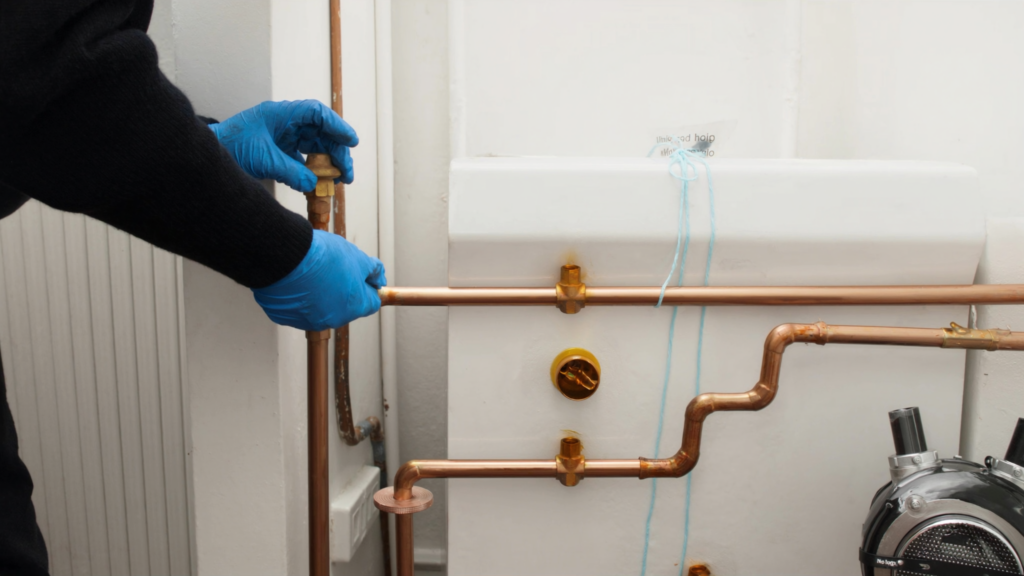
- Check your radiators and pipework before installation. Many UK homes with older, smaller radiators will need upgrades to allow the heat pump to operate at the lower flow temperatures where it is most efficient. Your installer should assess each room and specify whether radiator upgrades are needed. Underfloor heating, where feasible, is ideal for low flow temperature operation.
- Choose the right electricity tariff before your system goes live. Research time-of-use tariffs specifically designed for heat pump households before your installation date, not afterwards. Several UK suppliers offer tariffs with significantly reduced overnight rates that smart heat pump systems can be programmed to exploit. Switching tariff at a later date is possible, but starting on the right tariff from day one avoids unnecessary expenditure in the early months.
- Consider a buffer tank or smart weather compensation controls. A buffer tank is a small thermal store that allows the heat pump to run in longer, more efficient cycles rather than stopping and starting frequently. Weather compensation controls automatically adjust the flow temperature based on the outdoor temperature. This ensures the system always runs at the lowest effective temperature, which is where running costs are lowest. Both features are well worth discussing with your installer.
- Request a detailed running cost estimate from your installer in writing. A reputable MCS-certified installer should provide a projected SCOP figure, an estimated annual electricity consumption in kWh, and an estimated annual cost based on a stated unit rate. If an installer provides only a headline installation price with no projected running cost data, that is a significant red flag.
Practical tip, keep a copy of the written running cost estimate your installer provides. If your bills in the first heating season are substantially higher than projected, this document gives you a basis to go back to them and request an investigation into the settings.
Understanding Your Electricity Bill After Installing a Heat Pump
One of the most common surprises for homeowners in the first months after installation is seeing their electricity consumption rise noticeably compared to before. This is entirely expected, the heat pump is now powering most or all of your home’s heating and hot water, work that was previously done by your gas or oil boiler. The higher kWh figure on your bill is not in itself a sign that anything is wrong.
What matters is not the total electricity used, but whether the cost per unit of heat delivered is better than your previous system. If your gas bill has disappeared and your electricity bill has risen by less than your old gas bill, your running costs have improved in absolute terms. If the increase in your electricity bill exceeds what you were previously paying for gas or oil, it is worth investigating why, starting with flow temperature settings and insulation.
A smart meter is particularly valuable for heat pump households. Smart meters provide half-hourly consumption data, which allows you to see exactly when the system is drawing electricity and how much. If you notice unexpectedly high overnight consumption, for instance, this could point to the hot water immersion heater running more frequently than intended.
Many heat pump manufacturers and some installers provide app-based monitoring dashboards that display live and historical COP data for your specific system. If your system’s reported COP is consistently below 2.0 during normal heating operation, something is likely wrong, either the flow temperature is set too high, the home is losing heat faster than expected, or there is a fault with the equipment. Having access to this data allows you to raise concerns with your installer early, rather than discovering a problem at the end of a full winter season.
It is good practice to ask your installer for an annual performance review after the system has completed its first full heating season. Settings that seemed appropriate during commissioning in summer may benefit from adjustment once the system has been tested against a full UK winter. how to read your heat pump monitoring data and what the numbers mean
Practical tip, photograph the settings screen on your heat pump controller at the point of commissioning. If something changes or needs resetting, having a record of the original factory and installer settings makes troubleshooting much easier.
Verifying Your Installer’s Credentials to Protect Your Investment
Choosing the right installer is arguably the single biggest determinant of whether your air source heat pump runs efficiently and economically for years to come. The quality of the installation, including heat loss calculation, flow temperature settings, pipework design, and commissioning, has a direct and lasting impact on your running costs.
MCS certification
Any installer fitting an air source heat pump must hold current MCS certification, registration with the Microgeneration Certification Scheme, for the installation to qualify for the Boiler Upgrade Scheme grant. MCS sets standards for both the equipment used and the quality of installation. You can and should verify any installer’s MCS registration by searching the public register at mcscertified.com before agreeing to any work. If an installer claims MCS certification but cannot be found on the register, do not proceed.
TrustMark registration
TrustMark is a government-endorsed quality scheme that applies across all green home improvement work, including heat pump installations. TrustMark registration provides an additional layer of consumer protection, including access to a dispute resolution process if something goes wrong. Look for TrustMark-registered businesses when requesting quotes, and verify registration at trustmark.org.uk.
Getting multiple quotes
Always obtain at least three quotes from separate MCS-certified installers before committing. Ask each installer to provide their heat loss calculation methodology and a written breakdown of the equipment they are specifying and why. Any installer who declines to carry out a heat loss calculation, or who offers a quote based solely on the number of bedrooms in your home without visiting the property, is cutting a corner that will likely cost you money in higher running costs for years to come.
Warranties and maintenance contracts
Heat pump warranties from mainstream manufacturers typically range from 5 to 10 years depending on brand and whether the system is registered at the point of installation. Annual servicing, generally priced at £100 to £200 per year, helps preserve efficiency, identifies developing faults early, and is often required to maintain the manufacturer’s warranty. A well-maintained heat pump operating at its design efficiency will always cost less to run than a neglected one. what to expect from annual heat pump servicing and how to find a qualified engineer
Practical tip, after receiving three or more quotes, do not simply choose the cheapest. Compare the heat loss calculations, the specified equipment, and the projected SCOP figures. A slightly higher installation cost from an installer who has done the work properly is almost always better value than a cheaper job that results in years of unnecessarily high running costs.
Common Mistakes That Lead to Higher Running Costs
Many of the running cost problems that homeowners report with air source heat pumps are not inherent to the technology, they are the result of avoidable mistakes made before or during installation. Understanding what these mistakes are helps you avoid them, or identify them early if they have already occurred.
Installing without improving insulation first
In a typical 3-bedroom semi-detached with no loft insulation and uninsulated cavity walls, a heat pump has to work significantly harder to maintain comfortable temperatures. Homeowners in this situation often report running costs that exceed their previous gas bills, not because the heat pump is faulty, but because the home’s heat demand is too high for the system to operate efficiently. Addressing insulation first is not optional if you want competitive running costs.
Setting flow temperatures too high
One of the most common post-installation mistakes is manually turning up the flow temperature on the heat pump controller in pursuit of a warmer home more quickly. Running at 60°C rather than 40°C can reduce the SCOP from around 3.0 to below 2.0, which at current electricity prices can add hundreds of pounds per year to running costs. If the home does not feel adequately warm at lower flow temperatures, the answer is usually larger radiators or better insulation, not a higher flow temperature setting.
Choosing the wrong electricity tariff
Remaining on a standard variable rate electricity tariff when heat pump-friendly time-of-use alternatives are available is a straightforward and entirely avoidable source of higher running costs. The difference between a standard tariff at 24p per kWh and an off-peak overnight rate of 15–18p per kWh, applied to several thousand kWh of annual heat pump electricity consumption, amounts to a meaningful annual sum.
Neglecting annual servicing
A heat pump that has not been serviced will gradually accumulate inefficiencies, refrigerant charge degradation, filter blockages, and control drift, that reduce its SCOP below its design specification. Homeowners who skip annual servicing to save £100 to £150 can easily spend several times that amount in additional electricity costs over the course of a heating season. Maintaining the service schedule is straightforward insurance against avoidable running cost increases.
Underestimating hot water costs
Hot water production is frequently the element of air source heat pump operation that surprises households most on their electricity bill. Large families with high hot water demand should discuss this explicitly with their installer, including the sizing of the hot water cylinder and the role of the immersion heater. A cylinder that is too small for the household’s needs will trigger the immersion heater far more frequently than designed, increasing electricity consumption substantially.
| Common Mistake | Likely Effect on Running Costs | How to Avoid It |
|---|---|---|
| No insulation improvements before installation | Annual costs significantly above estimates | The Great British Insulation Scheme closed on 31 March 2026. It funded insulation measures only and never covered windows or glazing. |
| Flow temperature set too high | SCOP drops below 2.0, bills increase sharply | Ask installer to set and explain the correct flow temperature at commissioning |
| Standard variable electricity tariff | Paying premium rate for all kWh consumed | Switch to a heat pump-friendly time-of-use tariff before installation |
| Skipping annual servicing | Gradual efficiency loss, higher bills over time | Book annual service with a qualified engineer and maintain it |
| Undersized hot water cylinder | Frequent immersion heater use adds significantly to bills | Discuss household hot water demand with installer during survey |
Air source heat pump running costs are genuinely manageable, and in the right home, with the right setup, they can be competitive with or lower than gas heating costs. But that outcome requires deliberate preparation, a quality installation, and ongoing attention to how the system is performing. The homeowners who report the best long-term results are those who treat the installation as the beginning of an ongoing relationship with their system, not a set-and-forget transaction. how to get the most from your air source heat pump in winter
Practical tip, join one of the UK’s active online heat pump owner communities after installation. Real-world experience from other homeowners who have already been through a full heating season is one of the most valuable and honest sources of practical advice available to new heat pump owners.
Frequently Asked Questions
For a typical 3-bedroom semi-detached home in the UK, air source heat pump running costs range from approximately £900 to £1,600 per year in 2026. The exact figure depends on your home's insulation level, the electricity tariff you are on, and how well the system has been configured by your installer.
In a well-insulated home with a correctly optimised heat pump, running costs can be broadly comparable to a modern gas boiler, typically within a few hundred pounds per year either way. However, because electricity costs more per unit than gas, a poorly set-up heat pump in a draughty home can cost significantly more — sometimes £500 or more per year above equivalent gas heating costs.
The Boiler Upgrade Scheme offers a grant of £7,500 towards the cost of an air source heat pump installation in England and Wales in 2026. The grant is paid directly to your MCS-certified installer and deducted from your upfront installation cost, which typically ranges from £10,000 to £15,000 before the grant is applied.
Specialist heat pump and time-of-use tariffs, such as those offered by Octopus Energy, can reduce your effective unit rate during heating hours to as low as 7-15p per kWh compared to standard variable rates of around 24-27p per kWh in 2026. Choosing the right tariff is one of the most impactful ways to reduce your annual running costs without changing anything about your system.
A Coefficient of Performance of 3.0 or above is generally considered good for a UK climate, meaning the system delivers 3 units of heat for every 1 unit of electricity consumed. In practice, a well-installed system in a well-insulated home running at low flow temperatures can achieve a seasonal COP of 3.5 or higher, which is the figure to ask your installer to estimate before committing to installation.