Replacing a gas boiler is one of the biggest decisions a UK homeowner can make, and for those living in older properties, Victorian terraces, Edwardian semis, or post-war houses built before the era of energy efficiency standards, it raises a very reasonable question. Can a heat pump actually do the same job as a gas boiler in a house that was never designed for one?
Yes, you can replace a gas boiler with a heat pump in an older UK house, provided the property has adequate insulation and correctly sized radiators. An air source heat pump installation typically costs between £17,500 and £27,500, reduced to between £10,000 and £20,000 after the Boiler Upgrade Scheme grant of £7,500. The most important thing to know is that preparation matters more than the age of the property, a heat loss survey by an MCS-certified installer should always be the first step, as it determines whether your radiators and insulation are sufficient before any equipment is ordered.
- Most older UK homes, including Victorian and Edwardian properties, can successfully run a heat pump if insulation and radiators are correctly upgraded first
- Air source heat pumps are the most practical retrofit choice for older houses, as they require far less outdoor space and disruption than ground source systems
- Apply for the Boiler Upgrade Scheme grant of £7,500 before commissioning installation, as it must be claimed by your MCS-certified installer at the point of order
- Get your radiators assessed by a heat loss engineer before installation, as undersized radiators are the single most common reason heat pumps underperform in older properties
- Aim for at least 100mm of loft insulation and solid or cavity wall insulation before switching, to reduce the heat loss your pump must overcome
- Budget between £10,000 and £20,000 for a full air source heat pump installation in an older UK home after the Boiler Upgrade Scheme grant is applied
- Only use MCS-certified installers, as certification is required to access government grants and ensures the system is correctly sized for your property
- Understanding Heat Pumps and How They Differ From Gas Boilers
- Can an Older House Actually Run a Heat Pump
- The Insulation Question and What Your Old House Likely Needs First
- Will Your Existing Radiators Work With a Heat Pump
- What a Heat Pump Retrofit Actually Costs in 2026
- Grants and Financial Support Available in 2026
- How to Choose the Right Heat Pump for an Older Home
- Realistic Expectations for an Older Home Retrofit
The short answer is yes, most older UK homes can be successfully fitted with a heat pump, but the suitability depends far more on insulation levels and heat distribution than on the age of the property itself. A well-prepared older home, with adequate insulation and correctly sized radiators, can run a heat pump just as effectively as a modern new-build. The key is understanding what preparation is needed before installation, and ensuring every step is handled by properly accredited tradespeople.
Understanding Heat Pumps and How They Differ From Gas Boilers
A heat pump is a device that extracts heat energy from the outside air (or from the ground) and transfers it into your home using a refrigeration cycle, it moves heat rather than burning fuel to generate it. This single distinction is what makes heat pumps fundamentally different from every gas boiler currently installed in UK homes, and it is why swapping one for the other is not a straightforward like-for-like replacement.
The Two Main Types
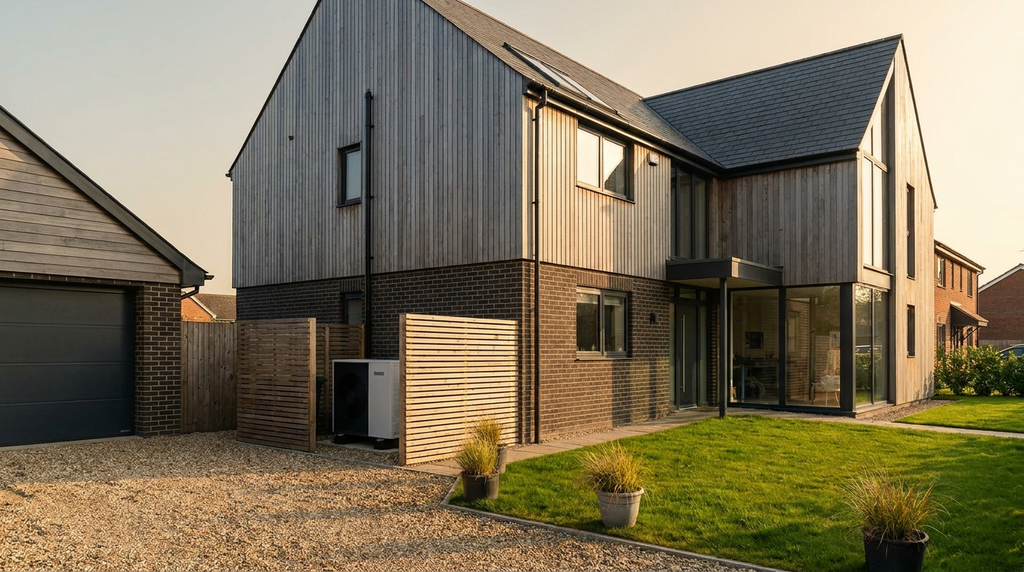
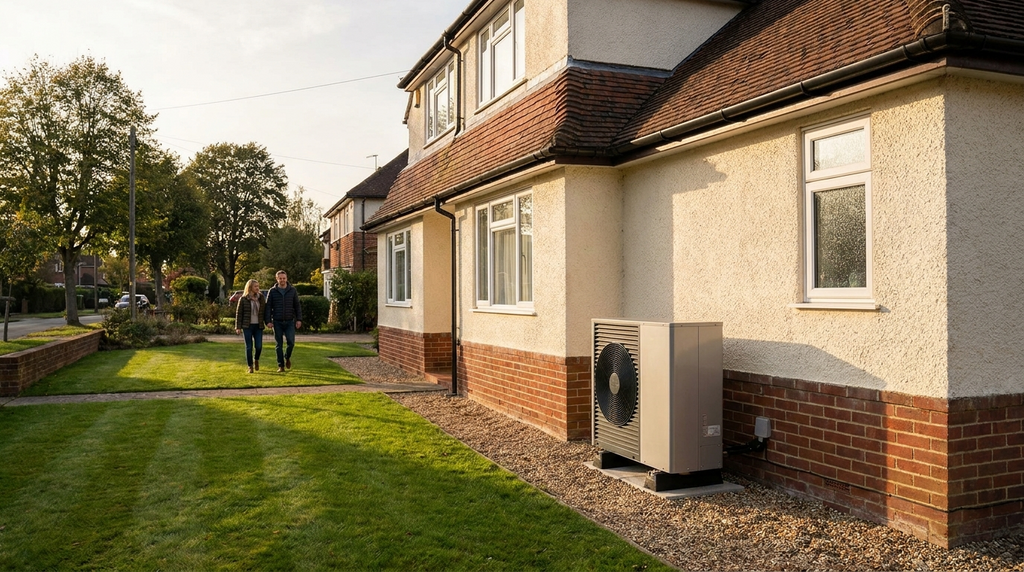
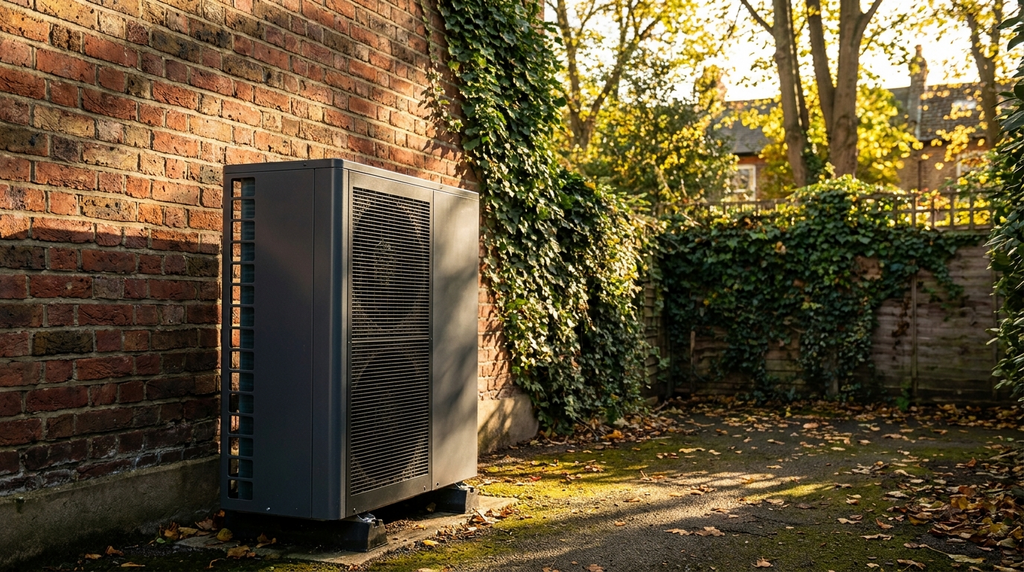
There are two types of heat pump most relevant to UK homeowners considering a retrofit. An air source heat pump is a unit mounted on an external wall or on the ground outside your home, which draws heat from outdoor air even when temperatures drop below freezing. A ground source heat pump extracts heat from the ground via a network of buried pipes called ground loops, which requires a reasonable amount of outdoor land. In the context of replacing a gas boiler in an older UK house, air source heat pumps are by far the most common retrofit choice, they are less disruptive to install, require less outdoor space, and are eligible for the same grant support.
The Flow Temperature Difference
The most important technical distinction between a gas boiler and a heat pump is the temperature of the water they send around your heating system. A gas boiler typically heats water to between 70°C and 80°C. A heat pump works most efficiently at much lower flow temperatures, typically between 35°C and 55°C. This matters enormously in an older home because your existing radiators and pipework were almost certainly designed for the higher temperatures a boiler produces. Running them at heat pump temperatures means they may not emit enough warmth to heat your rooms adequately, unless they are assessed and, where necessary, upgraded. Understanding this principle is the foundation of every other decision you will make in the retrofit process.
Running Costs and the Coefficient of Performance
Because heat pumps run on electricity rather than gas, your running costs depend on your electricity tariff and the system’s coefficient of performance, which is the ratio of heat energy delivered to electrical energy consumed. A heat pump with a coefficient of performance of 3.0 delivers three units of heat for every one unit of electricity used. That makes it significantly more efficient than any gas boiler. However, electricity costs more per unit than gas in the UK, which means the overall savings depend on keeping the coefficient of performance high, which, in turn, depends on running the system at the lower flow temperatures it is designed for, rather than pushing it harder to compensate for poor insulation.
Practical tip, before you speak to any installer, look up your current gas and electricity unit rates so you have a realistic baseline for calculating potential running cost changes.
Can an Older House Actually Run a Heat Pump
Yes, in the vast majority of cases an older house can run a heat pump, but whether it will do so efficiently and comfortably depends on the property’s insulation levels, its heat distribution system, and the available outdoor space, not the year it was built.
This is one of the most misunderstood points in the heat pump debate. Many homeowners assume that because their house is old, it is automatically unsuitable. The reality is more specific. A Victorian terrace that has been retrofitted with solid wall insulation, loft insulation, and double glazing can be an excellent candidate for a heat pump. A poorly insulated 1970s semi-detached with uninsulated cavity walls and a single-glazed extension may actually be less suitable, despite being far newer.
Heat Loss Is the Real Measure
The correct technical measure of suitability is heat loss, expressed in kilowatts, which is the rate at which your home loses heat to the outside in cold weather. A home with high heat loss needs a larger heat pump and more heavily upgraded radiators, making the retrofit more expensive and potentially less efficient. A home with low heat loss, regardless of its age, can be served effectively by a smaller, cheaper system running at lower, more efficient flow temperatures.
The essential first step before any decision is a heat loss survey, also called a room-by-room heat loss calculation. This is not the same as a general energy assessment. It is a detailed calculation, carried out in accordance with MCS standard MIS 3005, which is the industry standard that all MCS-certified heat pump installers in the UK are required to follow. Without this survey, no installer can responsibly specify which heat pump you need or confirm whether your existing radiators are adequate. Any installer who quotes you without conducting or commissioning a heat loss survey should be treated with caution.
Practical tip, when contacting installers, specifically ask whether their quote includes a full room-by-room heat loss calculation to MCS MIS 3005 standard. If they say it is not necessary, walk away.
The Insulation Question and What Your Old House Likely Needs First
Reducing your home’s heat demand is the single most important preparatory step before a heat pump installation, because lower heat demand allows a smaller, cheaper heat pump to do the job effectively while maintaining a high coefficient of performance.
In practice, this means addressing the main sources of heat loss in your home before the heat pump goes in. For most older UK properties, those sources are the roof, the walls, the windows, and draughts.
Loft Insulation
Loft insulation is the most cost-effective insulation measure available to homeowners and should always be the first priority. The Energy Saving Trust recommends a minimum depth of 270mm of mineral wool insulation in an accessible loft. If your loft is currently uninsulated or has less than 100mm, this alone can make a meaningful difference to your heat loss figures. The Great British Insulation Scheme closed on 31 March 2026. It funded insulation measures only and never covered windows or glazing.
Wall Insulation
Wall insulation is where older homes become more complicated. Homes built before approximately 1920 generally have solid walls rather than cavity walls, which means the standard cavity wall insulation used in later properties is not applicable. Solid wall insulation can be applied either internally, as a layer of insulated plasterboard fitted to the inside face of external walls, or externally, as a rendered insulation system fitted to the outside of the building. Both options are significantly more expensive than cavity wall insulation, with solid wall insulation costing between £8,000 and £25,000 in 2026 depending on your property size and the method chosen.
Internal solid wall insulation reduces your room sizes slightly and requires all skirting boards, window reveals, and electrical sockets on external walls to be repositioned. External solid wall insulation changes the external appearance of the building. For homes in conservation areas or with listed building status, external insulation and external heat pump units may require planning permission or listed building consent, and some installations may not be approved at all. Always contact your local planning authority before proceeding if your home has any heritage or conservation designation. solid wall insulation options for period homes
Windows and Draughtproofing
Double glazing makes a measurable difference to heat loss, but replacing windows in older homes can be expensive and, again, may face planning restrictions in conservation areas. Draughtproofing, sealing gaps around doors, windows, letterboxes, and floorboards, is inexpensive, disruptive to nobody, and can be done as a DIY project or by a professional. It is often overlooked but consistently recommended by the Energy Saving Trust as one of the most cost-effective measures available.
Practical tip, start your retrofit journey with a draughtproofing check and a loft insulation assessment. Both are low-cost, quick to implement, and will reduce your heat loss figures before the heat pump installer carries out their survey.
Will Your Existing Radiators Work With a Heat Pump
Whether your existing radiators can work effectively with a heat pump is one of the most practically important questions in any retrofit, and the answer varies from room to room within the same house.
The reason radiator size matters is straightforward. Because heat pumps deliver water at lower temperatures than gas boilers, typically 45°C to 50°C rather than 75°C, each radiator needs to emit the same amount of heat using cooler water. Physics dictates that the same radiator emitting heat from 45°C water will produce significantly less warmth than it would from 75°C water. To compensate, you need more surface area, which means either larger radiators or additional radiators in some rooms.
How to Assess Your Radiators
A competent, MCS-certified installer will assess each radiator as part of the heat loss survey process. They will calculate the heat output required in each room at the design flow temperature and compare that to what your existing radiators can deliver at 45°C or 50°C. Rooms that are already well-insulated with modest heat requirements, a small bathroom or a south-facing bedroom, for instance, may find their existing radiators are perfectly adequate. Rooms with high ceilings, single glazing, or exposed external walls are more likely to need upgrades.
Your Upgrade Options
Where radiator upgrades are needed, the options typically include replacing single-panel radiators with larger double-panel models, adding an extra radiator to a room, or fitting underfloor heating where floor coverings and floor construction allow. Underfloor heating is particularly well-suited to heat pump systems because it operates at very low flow temperatures, maximising efficiency, but retrofitting it is only practical when floors are being relaid anyway. underfloor heating retrofit guide
In 2026, replacing a radiator costs approximately £150 to £400 per unit including fitting, depending on the size of the replacement radiator and the complexity of the pipework. Not every radiator in every home will need replacing, so it is worth getting a clear breakdown from your installer of which specific radiators they are recommending for upgrade and why.
Practical tip, ask your installer for a room-by-room radiator assessment in writing, showing the current output at boiler temperature and the projected output at heat pump temperature, so you can see exactly which rooms are marginal and make informed decisions.
What a Heat Pump Retrofit Actually Costs in 2026
The total cost of replacing a gas boiler with a heat pump in an older UK home in 2026 typically ranges from around £9,000 to well over £30,000 once all associated works are factored in, though the majority of retrofits in three- and four-bedroom homes fall somewhere in the middle of that range.
The base installed cost of an air source heat pump, the unit itself and the labour to connect it to your heating system, typically falls between £7,000 and £15,000 before any grants, according to figures from MCS-certified installer data and the Energy Saving Trust. Ground source heat pumps cost considerably more due to the groundworks involved, typically between £15,000 and £35,000. What drives variation in cost is the size of heat pump needed (measured in kilowatts), the complexity of the installation, and how much additional work is required on the wider heating system and the building fabric.
The Costs That Often Surprise Homeowners
Several associated costs regularly catch homeowners off guard. Most older homes have a vented hot water cylinder or no separate cylinder at all if they rely on a combi boiler. Heat pumps require an unvented or thermal store hot water cylinder, which typically costs between £800 and £2,000 installed. Radiator upgrades, if several rooms need attention, can add a further £1,500 to £4,000 to the bill. If your home has an older consumer unit (the fuse box), an electrician registered with NICEIC or NAPIT may need to upgrade it before the heat pump can be connected, adding between £500 and £2,000 depending on the work required.
| Component | Typical 2026 Cost (GBP) | Additional notes |
|---|---|---|
| Air source heat pump (supply and install) | £7,000 to £15,000 | Before grants; MCS-certified installer required |
| Ground source heat pump (supply and install) | £15,000 to £35,000 | Requires garden space for ground loops |
| Radiator upgrades (per radiator) | £150 to £400 | Only where existing radiators are undersized |
| New hot water cylinder | £800 to £2,000 | Most older homes will need one |
| Loft insulation (if not already installed) | £300 to £600 | Energy Saving Trust 2026 estimate for a typical 3-bed semi |
| Solid wall insulation (external method) | £8,000 to £25,000 | Dependent on property size and method chosen |
| Electrical upgrades (if required) | £500 to £2,000 | Consumer unit or dedicated circuit for heat pump |
Practical tip, when budgeting, always request a fully itemised quote that separates the heat pump supply and installation cost from the associated enabling works, so you can see clearly what you are paying for and identify where grants or alternative funding might apply.
Grants and Financial Support Available in 2026
Several government-backed financial support schemes are available to UK homeowners in 2026 that can significantly reduce the upfront cost of replacing a gas boiler with a heat pump or preparing an older home for the transition.
The Boiler Upgrade Scheme
The Boiler Upgrade Scheme, administered by Ofgem and available to homeowners in England and Wales, provides a £7,500 voucher towards the installed cost of an air source heat pump or a ground source heat pump. The scheme is applied for by your MCS-certified installer on your behalf, and the voucher amount is deducted from your final invoice, you pay the balance. Importantly, your installer must hold current MCS certification to participate in the scheme, and the voucher must be applied for and issued before installation begins. You can verify an installer’s MCS certification at mcscertified.com. Boiler Upgrade Scheme full guide 2026
ECO4
ECO4, the Energy Company Obligation scheme in its fourth iteration, is targeted at lower-income households and those receiving certain means-tested benefits such as Universal Credit, Pension Credit, or Child Tax Credit. It can fund insulation measures, including solid wall insulation, and in some circumstances heating system upgrades. If you or someone in your household receives a qualifying benefit, it is worth checking eligibility through the government’s Simple Energy Advice service or directly with your energy supplier, as the preparatory insulation work that many older homes need before a heat pump retrofit can be funded in whole or in part.
The Great British Insulation Scheme
The Great British Insulation Scheme closed on 31 March 2026. It funded insulation measures only and never covered windows or glazing. This can be used to fund loft insulation, cavity wall insulation, or solid wall insulation, all of which reduce your home’s heat demand and make a heat pump retrofit more viable. This scheme is administered by Ofgem and delivered through energy suppliers.
Schemes in Scotland, Wales, and Northern Ireland
Scotland has its own support through Home Energy Scotland, which offers grants and interest-free loans for heat pump installations and insulation measures and is delivered by the Energy Saving Trust on behalf of the Scottish Government. In Wales, the Nest programme provides free energy efficiency improvements to eligible households, and the Optimised Retrofit programme supports a whole-house approach to improving older properties. Homeowners in Northern Ireland should consult the Bryson Charitable Group and their energy supplier, as support mechanisms differ from Great Britain. Always check the most current eligibility criteria directly with the relevant scheme administrator, as programme details can change.
The Great British Insulation Scheme closed on 31 March 2026. It funded insulation measures only and never covered windows or glazing.
How to Choose the Right Heat Pump for an Older Home
Following a clear, methodical process is the most reliable way to ensure a successful heat pump retrofit in an older property, avoid overspending, and make sure the system you end up with will actually keep your home warm.
- Start with a professional heat loss survey, find an MCS-certified heat pump installer or energy assessor to carry out a room-by-room heat loss calculation in line with MCS standard MIS 3005. This survey determines exactly what size heat pump your home needs and identifies which radiators require upgrading. Without it, any quote you receive is speculative at best.
- Improve insulation before installation where possible, tackle loft insulation and draughtproofing first, as these are the most cost-effective measures and will reduce your home’s heat loss figures before the heat pump is sized. A lower heat loss figure means a smaller, cheaper heat pump and lower running costs.
- Assess your radiators and hot water system, ask your installer to confirm which radiators, if any, need upgrading and whether your existing hot water cylinder is compatible or needs replacing. Get this in writing as part of your quote documentation.
- Confirm outdoor space and planning requirements, check that you have a suitable location for the external unit, whether on an external wall or on the ground. If your property is in a conservation area, is listed, or is a flat in a building where permitted development rights are restricted, contact your local planning authority before proceeding. heat pump planning permission guide
- Compare at least three quotes from MCS-certified installers, use the MCS installer finder at mcscertified.com to find vetted tradespeople in your area. Ensure each quote is based on the same heat loss survey data so that comparisons are meaningful. Also check that all installers carry TrustMark registration, which is the government-endorsed quality scheme for all green home improvement work.
- Apply for the Boiler Upgrade Scheme before installation begins, your installer applies on your behalf, but confirm that this process is in place before any work starts. The voucher must be issued before installation commences. Never allow work to begin without confirming the grant application status in writing.
Practical tip, keep a folder, physical or digital, containing your heat loss survey, all three quotes, your Boiler Upgrade Scheme voucher confirmation, and your installer’s MCS and TrustMark registration details. You will need this documentation if you ever sell your home or make a warranty claim.
Realistic Expectations for an Older Home Retrofit
It would be dishonest to suggest that replacing a gas boiler with a heat pump in an older UK home is ever completely straightforward or inexpensive. It rarely is. But it is equally dishonest to suggest it cannot work, because, with the right preparation and the right installer, it works very well indeed in properties of all ages and construction types.
The homeowners who are happiest with their heat pump retrofits are typically those who approached the project as a whole-house improvement rather than a straight boiler swap. They invested in insulation first, they allowed a thorough heat loss survey to determine their system specification, they budgeted realistically for the associated works as well as the heat pump itself, and they chose installers carefully based on MCS certification and verified credentials rather than on price alone.
Running Costs in an Older Retrofitted Home
Running costs will vary depending on your insulation levels, your electricity tariff, and how well the system has been designed and commissioned. Based on Energy Saving Trust guidance, a well-installed heat pump running at an average coefficient of performance of 2.5 to 3.5 in a properly prepared home can produce competitive running costs compared with a gas boiler, particularly as the gap between gas and electricity unit prices has narrowed in recent years. However, it is important not to rely on any single estimate as a guarantee, your actual savings will depend on your specific home and usage patterns.
| Property type and insulation level | Heat pump suitability | Likely preparation needed |
|---|---|---|
| Pre-1920 solid wall terrace, unimproved | Possible but challenging without significant prep | Solid wall insulation, full radiator assessment, new cylinder |
| Pre-1920 solid wall terrace, well insulated | Good candidate | Radiator assessment, new cylinder, possible some radiator upgrades |
| 1930s to 1960s cavity wall semi, uninsulated | Moderate with preparation | Cavity wall insulation, loft insulation, radiator assessment |
| 1930s to 1960s cavity wall semi, insulated | Good candidate | Radiator assessment, possible cylinder replacement |
| 1970s detached, partial insulation | Good with targeted improvements | Top up loft insulation, draughtproofing, radiator check |
The Long-Term Picture
The UK government’s trajectory is clearly moving away from gas heating over the coming decades, and every year that passes sees more homes successfully retrofitted with heat pumps across a wide range of property types and ages. The technology has matured considerably, the installer base is growing, and grant support in 2026 makes the upfront cost more manageable than it was even a few years ago. future of home heating in the UK
For most owners of older UK homes, the question is not really whether a heat pump can work, it is when, and in what order, to take the preparatory steps that will make it work well. Starting with a proper heat loss survey and an honest conversation with a reputable, MCS-certified installer is the right place to begin. Everything else follows from there.
Practical tip, never make a final decision about a heat pump installation based on a single visit or a phone estimate. The heat loss survey is not optional; it is the foundation of every good retrofit, regardless of how old or new your home is.
Frequently Asked Questions
A full air source heat pump installation in an older UK home typically costs between £10,000 and £20,000 after the Boiler Upgrade Scheme grant of £7,500 is deducted. The total before the grant is usually between £17,500 and £27,500, depending on the size of the property and the amount of radiator or insulation work required. Ground source heat pumps cost considerably more, often £25,000 to £45,000 before any grant.
Yes, a heat pump can heat a Victorian house in winter, but the property usually needs insulation improvements and correctly sized radiators to make this viable. Modern air source heat pumps operate efficiently in outdoor temperatures as low as minus 15 degrees Celsius, so cold weather alone is not a barrier. The key factor is reducing heat loss from the building so the heat pump does not have to work excessively hard to maintain comfortable indoor temperatures.
The Boiler Upgrade Scheme is a UK government grant that provides £7,500 towards the cost of installing an air source or ground source heat pump in an eligible home in England or Wales. The grant must be applied for by an MCS-certified installer on your behalf at the point of order, not after installation is complete. The scheme is available to homeowners replacing fossil fuel heating systems and requires the property to have a valid EPC with no outstanding recommendations for loft or cavity wall insulation.
Not always, but many older homes do need some or all radiators replaced or upgraded. Heat pumps work most efficiently at lower flow temperatures, typically 45 to 55 degrees Celsius, compared to the 70 to 80 degrees a gas boiler uses, so radiators need to be larger to deliver the same heat output at that lower temperature. A qualified heat loss survey will identify which radiators need upgrading, and costs for replacement radiators typically range from £150 to £600 per radiator including fitting.
Good insulation significantly improves heat pump performance and running costs, but your home does not need to meet new-build standards to benefit from a heat pump. As a general guide, at least 100mm of loft insulation and some form of wall insulation is recommended before switching. If your EPC currently shows outstanding recommendations for cavity wall or loft insulation, these must be addressed before you can claim the Boiler Upgrade Scheme grant of £7,500.