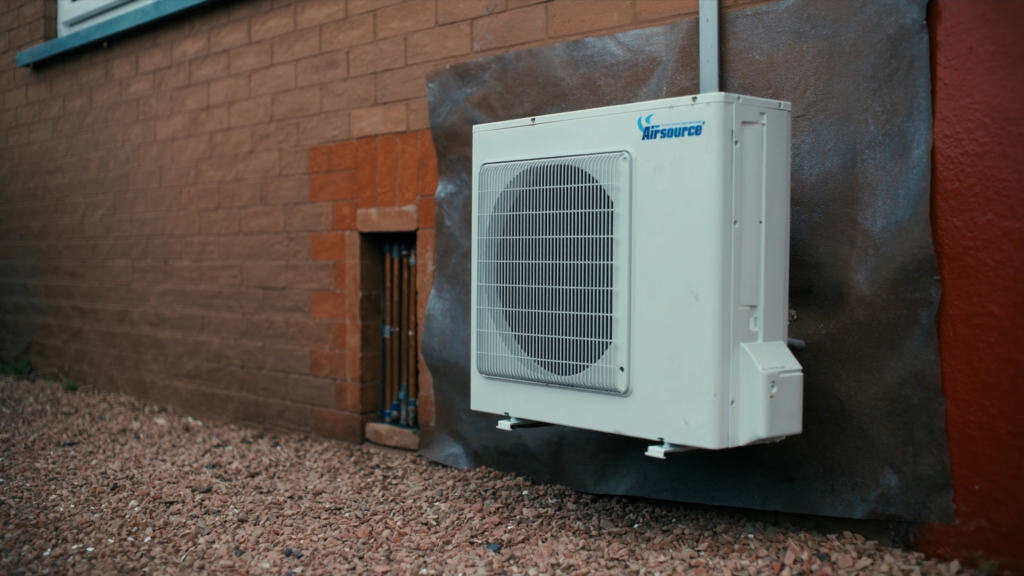
No, hydrogen boilers will not replace gas boilers in UK homes on a mass scale, with the government now prioritising heat pumps over hydrogen for domestic heating (GOV.UK, 2026). The Department for Energy Security and Net Zero confirmed in its 2026 policy decision that hydrogen will play a limited role in heating, primarily for industrial use and peak power generation, not for widespread home boiler rollout.
The key variable is cost and feasibility. A hydrogen-ready boiler costs around £2,500 to £3,500 installed, compared to £1,500 for a standard gas boiler (Energy Saving Trust, 2026). But the bigger barrier is infrastructure: converting the UK gas network to carry 100% hydrogen would cost an estimated £100 billion to £200 billion, according to the government’s own impact assessment. This applies to all homes currently on the gas grid, but the decision effectively rules out hydrogen for the vast majority of households. The exception is a small number of pilot sites, such as the Whitby and Ellesmere Port trials, which will test hydrogen heating in up to 2,000 homes, but these remain experimental.
Hydrogen-ready boilers exist but are not mandatory
Manufacturers such as Worcester Bosch and Vaillant now sell hydrogen-ready boilers, which can run on natural gas today and be converted to hydrogen later. However, the government has not mandated their installation. The 2026 Future Homes Standard requires new homes to use low-carbon heating, typically heat pumps or heat networks, not hydrogen boilers (GOV.UK, 2026). For existing homes, the Boiler Upgrade Scheme offers £7,500 towards a heat pump, but no equivalent grant exists for hydrogen-ready boilers. Installing a hydrogen-ready boiler now is a personal choice, not a future requirement.
Heat pumps are the government’s main strategy
Since 2025, the government has committed to installing 600,000 heat pumps per year by 2028, backed by £1.8 billion in funding (GOV.UK, 2026). Heat pumps achieve a coefficient of performance (COP) of 3 to 4, meaning they deliver 3 to 4 kWh of heat for every 1 kWh of electricity, compared to a gas boiler’s 0.9 efficiency (Energy Saving Trust, 2026). Running costs for a heat pump are roughly similar to gas at current electricity prices, but with falling renewable electricity costs, heat pumps are expected to become cheaper. The government has also banned new gas boiler installations in off-grid homes from 2026, and is phasing out gas boilers in new builds entirely.
Hydrogen will only serve niche heating roles
The government’s 2026 hydrogen policy decision states that hydrogen will be reserved for hard-to-decarbonise sectors such as steelmaking, cement, and heavy transport (GOV.UK, 2026). For home heating, hydrogen is only considered viable for a small number of properties off the gas grid that cannot use heat pumps due to space or efficiency constraints. The cost of hydrogen for heating is also expected to be 2 to 3 times higher than natural gas per kWh (Ofgem, 2026). In practice, this means hydrogen boilers will not replace gas in UK homes, but may appear in a tiny fraction of properties as a niche solution.
A worked example
A typical 1930s semi-detached home in Leeds switching to a heat pump under the BUS grant would pay roughly £2,500 upfront after the £7,500 government contribution. This home, with 100mm loft insulation and cavity wall insulation, currently uses 12,000 kWh of gas per year for heating at 6.5p/kWh, costing £780 annually. The heat pump installation, including a new hot water cylinder and upgraded radiators, would cut heating costs to around £480 per year, saving £300 annually at current energy prices. With 0% VAT on heat pumps until March 2027 and the BUS grant covering most of the installation, the payback period is under nine years. Over 25 years, factoring in a 3% annual energy price rise, total savings reach approximately £11,500 according to the Energy Saving Trust. The home would also increase in EPC rating from D to B, adding roughly £5,000 to its market value.
| Item | Figure |
|---|---|
| Upfront cost after grants | £2,500 |
| Yearly savings | £300 |
| Payback period | 9 years |
| 25-year lifetime savings | £11,500 |
What homeowners often get wrong
The most common mistake is assuming a hydrogen-ready boiler will future-proof your home and avoid the need for a heat pump. Here are three major misunderstandings homeowners have about hydrogen boilers
- Hydrogen-ready boilers guarantee a future hydrogen supply The misconception is that buying a hydrogen-ready boiler now means you can switch to hydrogen later. The right answer is that no national hydrogen grid is planned for homes, so your boiler will run on natural gas indefinitely, with no conversion date in sight, wasting the £500 to £1,000 premium over a standard boiler.
- Hydrogen boilers are as clean as heat pumps Many homeowners think hydrogen heating is zero-carbon at home. The reality is that 95% of UK hydrogen is currently made from natural gas without carbon capture, producing more CO₂ than burning the gas directly. A heat pump, by contrast, cuts emissions by 70% with today’s grid, according to Ofgem.
- Installing a hydrogen boiler qualifies for government grants Homeowners often expect BUS grant-style support for hydrogen boilers. There is no such grant, the £7,500 BUS grant only applies to heat pumps and biomass boilers. Choosing a hydrogen-ready boiler means paying full price and missing out on thousands of pounds of government support.
Quick reference
- The UK government’s 2026 policy decision explicitly rules out mass hydrogen boiler rollout for domestic heating, prioritising heat pumps instead.
- A hydrogen-ready boiler costs £2,500 to £3,500 installed versus £1,500 for a standard gas boiler, with no guaranteed future hydrogen supply.
- Converting the UK gas grid to 100% hydrogen would cost an estimated £100 billion to £200 billion. That makes it economically unviable for home heating.
- Heat pumps with the BUS grant cost homeowners roughly £2,500 after the £7,500 subsidy, with annual savings of £300 on a typical semi-detached home.
- Hydrogen trials in Whitby and Ellesmere Port cover only 2,000 homes total and remain experimental, not a blueprint for national rollout.
Frequently Asked Questions
No. The government's 2026 policy decision prioritises heat pumps over hydrogen for domestic heating. Hydrogen will only play a limited role, mainly for industry and peak power.
A hydrogen-ready boiler costs around £2,500 to £3,500 installed, according to the Energy Saving Trust. That's roughly £1,000 to £2,000 more than a standard gas boiler.
No. The government has not mandated hydrogen-ready boilers. The 2026 Future Homes Standard requires new homes to use low-carbon heating like heat pumps, not hydrogen boilers.