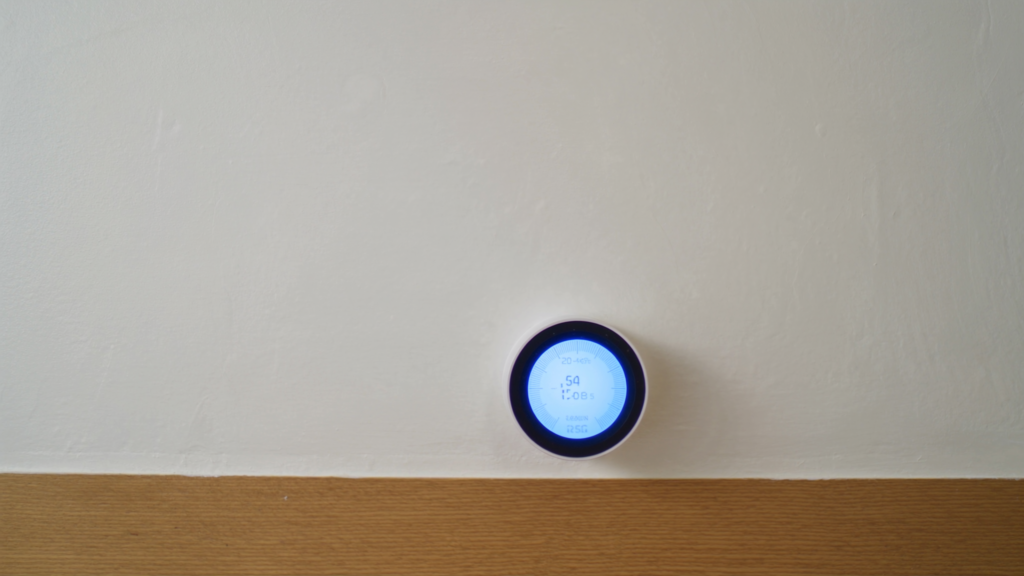
Smart thermostats can reduce household heating bills by up to 30%, according to the Energy Saving Trust, making them one of the most cost-effective upgrades available to UK homeowners in 2026. With the average UK household spending around £1,400 per year on energy, even a modest 15% saving translates to £210 annually. Over the past five years, smart thermostat adoption has grown dramatically, with an estimated 4.5 million units now installed across UK homes. These devices have moved well beyond simple scheduling; today’s models use artificial intelligence, geolocation, weather compensation, and room-by-room learning to deliver genuinely intelligent heating control.
How Smart Thermostats Work
A smart thermostat replaces your existing thermostat and connects to your boiler, heat pump, or underfloor heating system via your home’s Wi-Fi network. Unlike a standard programmable thermostat, which simply switches heating on and off at preset times, a smart thermostat continuously gathers data and makes real-time decisions about when and how much to heat your home.
The core process works like this: sensors within the thermostat and any companion room sensors measure ambient temperature, humidity, and sometimes occupancy. This data is sent to the device’s onboard processor and, in many models, to cloud servers running machine learning algorithms. The system then predicts how long your home takes to reach your desired temperature, a feature called pre-heat optimisation or adaptive start, and fires the boiler or heat pump accordingly, so your home is warm when you need it without wasting energy heating an empty space.
Geofencing is another key function. Using your smartphone’s GPS, the thermostat detects when you leave home or approach it, automatically switching to an energy-saving setback mode or triggering warm-up before you arrive. Some models can track multiple household members, only activating full heat mode when everyone has left, and beginning warm-up when the first person approaches.
On a technical level, most smart thermostats communicate with your boiler using the existing two-wire or three-wire connection from your old thermostat. More advanced models support the OpenTherm protocol, an open communication standard that allows the thermostat to modulate your boiler’s output rather than simply switching it on or off. Modulating control is significantly more efficient, particularly with modern condensing boilers, because the boiler runs at a lower, steadier output rather than cycling at full power repeatedly.
Types of Smart Thermostat Available in the UK
The UK market in 2026 offers several distinct categories of smart thermostat, each suited to different homes, heating systems, and budgets.
- Single-zone smart thermostats control heating for the whole home from one device. They’re the simplest and most affordable option, ideal for smaller properties or homes with a single heating zone.
- Multi-zone systems combine a central control unit with smart thermostatic radiator valves (TRVs) on individual radiators. This allows room-by-room temperature control. This is the most energy-efficient configuration for larger homes.
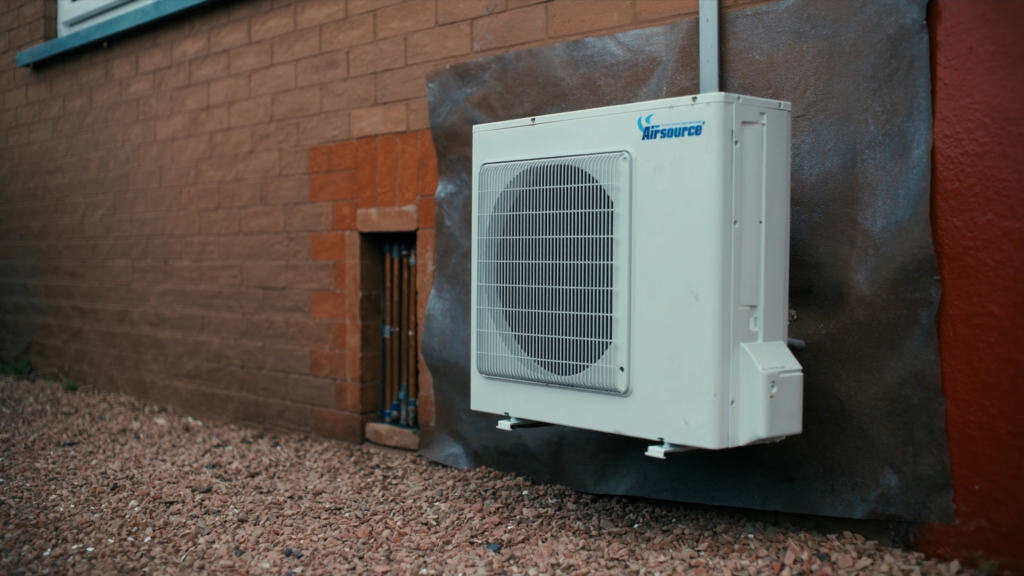
- Heat pump compatible thermostats are specifically built to work with air source and ground source heat pumps. These systems require different control logic, including weather compensation curves and lower-temperature scheduling, compared to gas boiler systems.
- Underfloor heating smart controls integrate with electric or water-based underfloor systems, managing the longer warm-up times these systems require.
- Voice-assistant integrated models offer full compatibility with Amazon Alexa, Google Home, and Apple HomeKit, sitting within a broader smart home ecosystem.
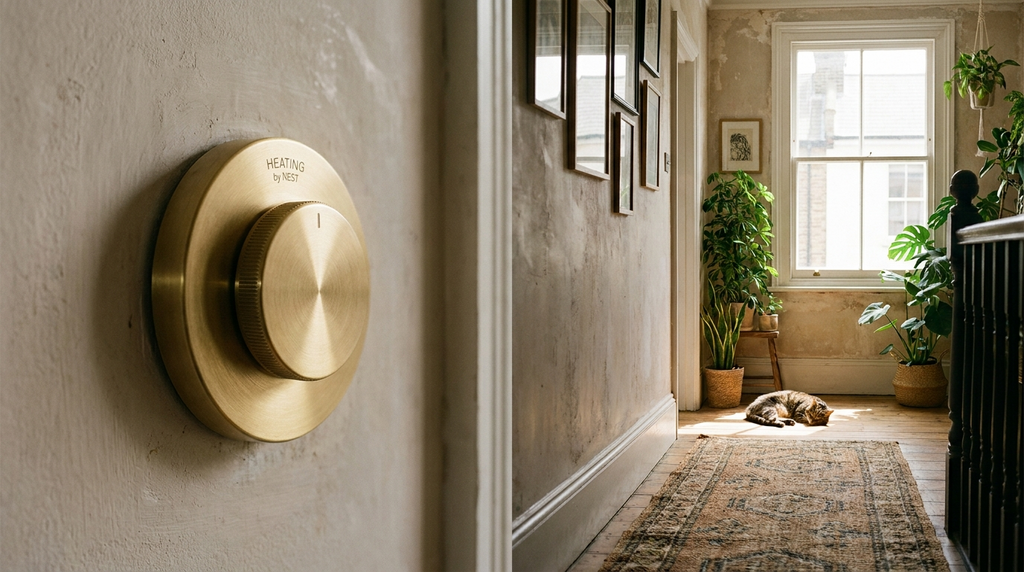
Within the single-zone category, Some models, like the Nest Learning Thermostat and Hive Active Heating, learn your patterns automatically over time, while others such as Drayton Wiser and Honeywell Home require you to input schedules manually. Learning models suit households with irregular routines; schedule-based models work well for households with consistent daily patterns.
How Much Does a Smart Thermostat Cost in 2026
The total cost of a smart thermostat installation in the UK includes the device itself, any additional accessories (such as smart TRVs), and professional installation labour. Prices vary significantly depending on the system type, brand, and the complexity of your existing heating setup.
| System Type | Device Cost | Installation Cost | Total Installed Cost |
|---|---|---|---|
| Basic single-zone smart thermostat | £80 – £150 | £60 – £100 | £140 – £250 |
| Mid-range learning thermostat (e.g. Nest, Hive) | £150 – £250 | £60 – £120 | £210 – £370 |
| Multi-zone system with smart TRVs (4 rooms) | £250 – £450 | £100 – £200 | £350 – £650 |
| Full multi-room system with TRVs (8+ rooms) | £400 – £700 | £150 – £300 | £550 – £1,000 |
| Heat pump optimised smart control system | £200 – £500 | £100 – £200 | £300 – £700 |
Running costs are minimal, most smart thermostats consume less than 2W of power continuously, costing under £3 per year in electricity. The payback period depends on your current heating setup and usage, but most households recoup the cost of a single-zone smart thermostat within 12 to 24 months through energy savings. Multi-zone systems with smart TRVs typically pay back within 2 to 4 years in a larger home.
| Annual Heating Spend | Estimated 15% Saving | Estimated 25% Saving | Payback Period (mid-range unit) |
|---|---|---|---|
| £800 | £120 | £200 | 18–24 months |
| £1,200 | £180 | £300 | 12–18 months |
| £1,600 | £240 | £400 | 9–15 months |
| £2,000 | £300 | £500 | 6–12 months |
Benefits of Smart Thermostats for UK Homeowners
The headline benefit is energy saving, but the advantages of a smart thermostat extend well beyond a reduced gas bill. Here’s what the data and real-world experience tell us.
- Measurable energy reduction: Manufacturer trials report heating savings from around 10–12% (Google Nest’s field studies) up to 31% (tado’s modelled best case), while the Energy Saving Trust puts the saving from a full set of heating controls at around £110 a year. Ecobee’s own research across 1 million US homes found an average 23% saving; UK figures from the Energy Saving Trust are consistent with this range.
- Carbon reduction: A 20% reduction in gas use for a typical UK home avoids approximately 450kg of CO₂ per year, the equivalent of driving 1,600 miles in an average petrol car.
- Remote control and flexibility: Running late home, or heading back early? You can adjust your heating from anywhere via the smartphone app, preventing wasted energy heating an empty home or arriving to a cold house.
- Energy usage reporting: Most smart thermostats provide detailed dashboards showing daily, weekly, and monthly heating usage. This data is genuinely useful, many homeowners discover they’ve been heating their home for 2–3 hours longer than necessary each day.
- Improved comfort: Adaptive scheduling and pre-heat optimisation mean your home reaches the right temperature at the right time, without the overshooting and undercooling of older timer-based systems.
- Integration with time-of-use tariffs: With the rise of smart electricity tariffs offering cheap overnight rates (some as low as 7p/kWh), smart thermostats can schedule heating to run during off-peak periods, further cutting costs especially for homes with heat pumps or thermal stores.
- Maintenance alerts: Premium models monitor your heating system’s performance and can flag unusual patterns, like longer-than-normal heat-up times, that may indicate a boiler service is needed before a breakdown occurs.
How to Choose the Right Smart Thermostat
With dozens of products available in 2026, choosing the right smart thermostat means matching the device to your heating system, home size, lifestyle, and budget. Work through these considerations in order.
Check Compatibility with Your Heating System
This is the non-negotiable first step. Not all smart thermostats work with all boilers, and heat pump systems require specifically compatible devices. Check the manufacturer’s compatibility checker online before purchasing. Key questions: Does your boiler support OpenTherm modulation? Do you have a combi boiler, system boiler, or heat pump? Is your existing thermostat wired or wireless?
Decide Between Single-Zone and Multi-Zone
For homes under approximately 80m², a single-zone smart thermostat will deliver excellent results and a fast payback. For larger homes, particularly those with rooms that are rarely used, like spare bedrooms or formal dining rooms, a multi-zone system with smart TRVs will deliver greater savings by only heating occupied spaces. If you work from home in a single room for much of the day, smart TRVs on your other radiators can significantly reduce unnecessary heating.
Assess Your Lifestyle and Routine
If your household runs to a consistent routine, same wake time, same leave-for-work time, same return home time, a schedule-based thermostat will serve you well and be simpler to set up. If your schedule is unpredictable or varies by household member, a learning thermostat with geofencing will adapt more effectively and deliver better savings.
Consider Smart Home Ecosystem
If you already use Amazon Echo, Google Nest Hub, or Apple HomePod devices, check which thermostats integrate natively with your ecosystem. Voice control is genuinely convenient for quick temperature adjustments. Matter-compatible thermostats, increasingly common in 2026, offer cross-platform compatibility and are a sensible future-proof choice.
Evaluate App Quality and Ongoing Subscription Costs
The app is your primary interface, it must be intuitive and reliable. Before purchasing, read recent app store reviews. Also check whether advanced features require a subscription: some brands charge £3–£8 per month for premium features like detailed energy reporting or multi-home control. Most core functionality should be free.
Smart Thermostat Installation, What to Expect
Most smart thermostats are straightforward to install, and many UK homeowners with basic DIY confidence tackle the job themselves. However, if your wiring is complex, your boiler is unusual, or you want the installation to be compliant with manufacturer warranty requirements, a Gas Safe registered engineer or qualified electrician is the right choice.
- Pre-installation check: Confirm compatibility using the manufacturer’s online tool. Take a photo of your existing thermostat’s wiring before disconnecting anything. Ensure your Wi-Fi signal reaches the thermostat location.
- Power down your heating system: Switch off the boiler at the fuse spur or circuit breaker before touching any wiring.
- Remove the old thermostat: Unscrew the faceplate, photograph the wire connections, then carefully disconnect each wire. Label them if needed.
- Mount the new backplate: Fix the smart thermostat’s backplate to the wall. Some models include a wall anchor for solid walls; others are built to sit on a shelf or magnetic mount.
- Connect the wiring: Following the manufacturer’s wiring guide, connect the existing wires to the correct terminals on the new thermostat. Most UK installations use a simple two-wire live and switched-live configuration.
- Restore power and configure: Restore power to the heating system. The thermostat will guide you through initial setup, connecting to Wi-Fi, setting your heating system type, and configuring your initial schedule.
- Install the app and complete setup: Download the manufacturer’s app on your smartphone, create an account, and pair the thermostat. Set your desired temperatures, schedules, and geofencing preferences.
- If installing smart TRVs: Drain the affected radiators partially or use a valve tool to swap existing TRV heads for smart ones. These typically pair wirelessly with the central hub rather than requiring additional wiring.
A professional installation typically takes 1–2 hours for a basic single-zone setup, or 3–5 hours for a full multi-room system with smart TRVs. Always ensure the engineer tests the system fully before leaving, including checking the boiler fires correctly and that remote control via the app is working.
Grants and Funding for Smart Thermostats in 2026
Standalone smart thermostats do not currently qualify for dedicated UK government grants. However, several funding routes can reduce your costs, particularly when the smart thermostat is installed as part of a broader energy efficiency upgrade.
Great British Insulation Scheme and ECO4
The Energy Company Obligation (ECO4) scheme, running until March 2026 with an expected successor programme, requires energy companies to fund heating improvements for low-income and vulnerable households. Smart heating controls, including smart thermostats, can be included as part of a qualifying package of measures under ECO4. Eligibility is based on household income, benefit receipt, and EPC rating. If you receive certain means-tested benefits and have a boiler or heating system upgrade being funded, a smart thermostat may be included at no cost.
Boiler Upgrade Scheme
The Boiler Upgrade Scheme (BUS) provides grants of £7,500 for air source heat pumps and £7,500 for ground source heat pumps. While the grant itself applies to the heat pump, installers will typically include a compatible smart thermostat as part of the installation package. Since heat pump systems require intelligent controls to operate efficiently, smart controls are effectively included within the funded installation cost in many cases.
Local Authority Schemes
Many local authorities operate their own home energy improvement programmes, some of which include smart heating controls. Check your local council’s website or contact the National Energy Action helpline (0800 304 7159) to identify schemes available in your area.
Supplier Offers and Cashback
Several major UK energy suppliers, including British Gas (Hive), Octopus Energy, and EDF, offer smart thermostat bundles at reduced cost or with installation subsidised for existing customers. Octopus Energy customers on the Agile or Intelligent tariffs can access smart thermostat integration with time-of-use optimisation, making the combined package particularly valuable.
Smart Thermostat Compatibility with Heat Pumps and Future Heating Systems
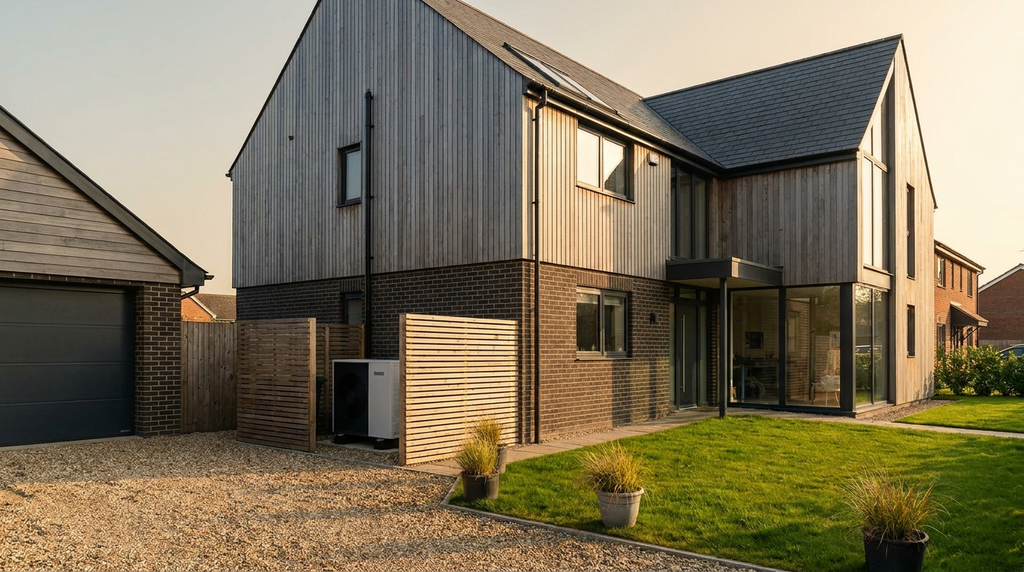
As the UK moves toward low-carbon heating, choosing a smart thermostat that works effectively with heat pumps, and potentially with hydrogen-ready boilers, is increasingly important. Heat pumps operate very differently from gas boilers: they run at lower flow temperatures (typically 35–55°C rather than 60–80°C for gas), work most efficiently when running continuously at a steady low output, and benefit enormously from weather compensation.
Standard on/off thermostat control does not suit heat pumps well. A smart thermostat with heat pump mode keeps indoor temperature more stable by making small, frequent adjustments rather than large swings. The best heat pump compatible thermostats in 2026, including models from Tado, Honeywell, and Drayton, include built-in weather compensation, automatically adjusting the heating curve based on outdoor temperature data pulled from online weather services.
If you’re planning to install a heat pump in the next 2–5 years, it’s worth choosing a smart thermostat now that is already heat pump compatible. This avoids replacing the thermostat again when you switch systems. Look for OpenTherm compatibility and explicit manufacturer confirmation of heat pump support.
Common Problems and Maintenance
Smart thermostats are generally reliable, but a handful of issues arise regularly. Knowing how to address them saves unnecessary engineer call-outs.
Wi-Fi Connectivity Problems
The most common issue is the thermostat losing connection to your home Wi-Fi, which disables remote control and may affect scheduling. This is usually caused by a router firmware update changing network settings, a router replacement, or the thermostat being positioned in a weak signal area. Solution: relocate the router or add a Wi-Fi extender, then reconnect the thermostat through the app settings. Most apps have a dedicated “reconnect to Wi-Fi” workflow.
Boiler Not Responding to the Thermostat
If your boiler isn’t firing when the thermostat calls for heat, first check that the boiler itself isn’t in lockout or showing a fault code. Then verify the receiver unit (the box wired to the boiler) has power and is correctly paired with the thermostat. Receiver units occasionally need re-pairing after a power cut. Consult your installation guide for the pairing procedure, it usually involves holding a button on both the thermostat and receiver simultaneously.
Inaccurate Temperature Readings
Smart thermostats placed in drafty hallways, near exterior doors, or next to heat sources like televisions will take inaccurate readings. If your rooms feel too warm or too cold relative to the thermostat’s target, consider relocating the thermostat or, better still, adding a remote room sensor to the room where you spend the most time.
Smart TRV Battery Life
Smart TRVs are battery powered, typically lasting 12–24 months depending on usage. Set a calendar reminder to check batteries annually, most systems send a low battery alert through the app. Use quality alkaline or lithium batteries for best performance.
Routine Maintenance
Smart thermostats require very little physical maintenance. Keep the device clean by wiping with a dry cloth, avoid liquids near the display. Ensure the app is kept updated to receive security patches and new features. Check annually that the system is correctly reporting energy usage and that schedules still reflect your household’s routine. After any major heating system service, confirm the thermostat’s system settings are still correct, particularly if the engineer adjusted boiler parameters.
Getting the Most from Your Smart Thermostat
Installing a smart thermostat is step one, getting maximum value from it requires a few additional actions that many homeowners overlook.
- Set realistic target temperatures: The World Health Organisation recommends a minimum of 18°C in living rooms and 16°C in bedrooms. Most UK households heat to 19–21°C. Dropping your thermostat target by just 1°C saves approximately 3% on your annual heating bill, around £40 at current energy prices.
- Use setback temperatures rather than switching off: In cold weather, maintaining a setback temperature of 14–16°C when away or asleep is more efficient than letting the home go completely cold and requiring a lengthy, high-energy warm-up.
- Review the energy reports: Log into your app’s energy dashboard every month during winter. Look for heating runs that seem longer than expected, this can reveal a draught, poor insulation, or a heating system issue before it becomes a problem.
- Calibrate the learning period: Learning thermostats take 1–2 weeks of normal use to optimise their schedule. During this period, manually adjust the temperature any time it’s not what you want, this trains the algorithm more accurately than leaving incorrect settings in place.
- Combine with tariff optimisation: If you’re on a smart electricity tariff with variable rates, check whether your smart thermostat supports tariff-aware scheduling. Running your heat pump or electric heating during cheap overnight rates can reduce heating costs by a further 10–20%.