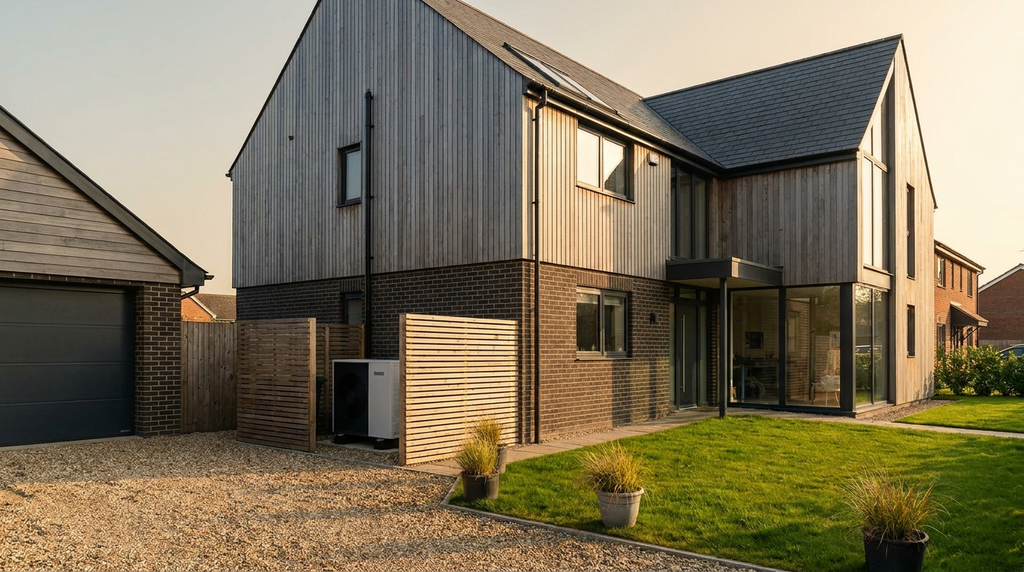
Ofgem data shows 73% of UK homes now use a combi boiler, but system boilers are growing for larger properties
The choice between a combi and a system boiler is one of the most common decisions UK homeowners face when replacing a heating system. According to Ofgem’s 2026 Domestic Energy Consumption Statistics, 73% of UK homes now use a combi boiler (Ofgem, 2026). This dominance reflects decades of preference for compact, on-demand heating.
However, system boilers are gaining ground in larger properties where high hot-water demand makes a storage cylinder more practical. This article compares the two types across installation costs, running costs, and suitability for different UK property types.
Combi boilers heat water on demand, system boilers store it in a cylinder
A combi boiler heats water directly from the mains supply when a tap opens. It has no hot water storage tank or cylinder, so it only heats the water you use at that moment. This makes the unit compact and wall-mounted, requiring less pipework and no additional cupboard space.
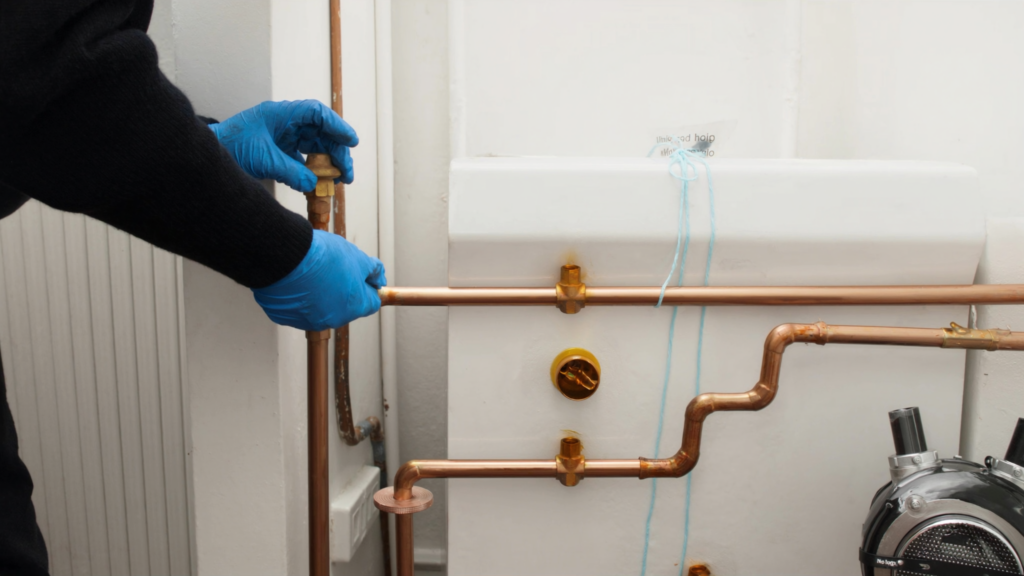
A system boiler, by contrast, heats water and stores it in a pressurised hot water cylinder, typically located in an airing cupboard or utility room. The cylinder keeps a reserve of hot water ready for use, which means multiple taps and showers can run simultaneously without a drop in flow rate.
The key practical difference is space. Combi units require no cylinder, making them ideal for flats and smaller homes. System boilers need a dedicated space for the cylinder, which can be a constraint in properties without a suitable cupboard or utility room.
The upfront cost difference combi £1,500–£3,000, system £2,000–£4,500
Installation cost is a major factor. According to the Energy Saving Trust, a combi boiler installation typically ranges from £1,500 to £3,000 (Energy Saving Trust, 2026). This lower cost reflects simpler pipework and no cylinder, reducing labour time.
A system boiler installation ranges from £2,000 to £4,500. The additional £500–£1,000 covers the cost of the hot water cylinder and extra labour for fitting it. MCS-certified installation data from 2026 confirms these averages apply to standard replacements where existing pipework is compatible (MCS Register, 2026).
Both figures exclude radiator upgrades, zoning controls, or system flushing. If your home requires new radiators or pipework modifications, costs will rise accordingly.
Running costs depend on property size and hot-water use
Annual running costs vary significantly. For a typical 2-bedroom flat with two occupants, a combi boiler is generally cheaper because there is no standing heat loss from a stored cylinder. DESNZ 2026 data shows annual gas use for such a property at 8,000–10,000 kWh with a combi (DESNZ, 2026).
For a 4-bedroom home with four or more occupants, a system boiler can be more efficient. If multiple showers or taps run simultaneously, a combi struggles to maintain flow rate, leading to longer heating cycles and higher gas consumption. Annual gas use for a 4-bed home with a system boiler and cylinder is typically 10,000–12,000 kWh, compared to 12,000–15,000 kWh for a combi in the same property (Ofgem, 2026).
The cylinder in a system boiler loses some heat over time, but this is offset by the ability to deliver high flow rates without the boiler running continuously.
Quick numbers combi vs system boiler side-by-side
| Feature | Combi boiler | System boiler |
|---|---|---|
| Installation cost | £1,500–£3,000 | £2,000–£4,500 |
| Annual gas use (2-bed flat, 2 people) | 8,000–10,000 kWh | 10,000–12,000 kWh |
| Annual gas use (4-bed home, 4+ people) | 12,000–15,000 kWh | 10,000–12,000 kWh |
| Hot water flow rate | Limited by mains pressure | Up to 20 litres/min from cylinder |
| Space required | Wall-mounted unit only | Plus cylinder cupboard |
The direct answer choose a combi for small homes, a system boiler for large homes with high demand
For 1–3 bedroom homes with 1–3 occupants and low simultaneous hot-water use, a combi boiler is the better choice. It is cheaper to install, takes up less space, and avoids the standing heat loss of a cylinder. The Energy Saving Trust recommends combi boilers for smaller properties where hot water demand is moderate (Energy Saving Trust, 2026).
For 4+ bedroom homes with multiple bathrooms, or households where more than one shower or tap runs at once, a system boiler is more suitable. The stored hot water maintains flow rate regardless of how many outlets are open.
If your mains water pressure is below 1 bar, a system boiler with a pump can overcome this limitation. A combi boiler cannot boost low mains pressure, so homes with weak supply should consider a system boiler instead.
Eligibility and installer verification MCS, Gas Safe, and TrustMark for system boilers
Both combi and system boilers must be installed by a Gas Safe registered engineer. This is a legal requirement under the Gas Safety (Installation and Use) Regulations (Gas Safe Register, 2026).
For system boilers with a hot water cylinder that is part of a renewable heating system, such as solar thermal panels, the installer should also be MCS certified. The MCS Register lists qualified installers for these integrated systems (MCS Register, 2026).
TrustMark registration is recommended for both boiler types. It provides access to consumer protection schemes and government initiatives like the Boiler Upgrade Scheme, which may apply if you are replacing a system boiler with a heat pump or other low-carbon alternative (TrustMark, 2026). Boiler Upgrade Scheme eligibility and costs
Always verify installer credentials before proceeding. Using unregistered tradespeople voids warranties and may leave you without recourse if problems arise. How to check if an installer is Gas Safe registered