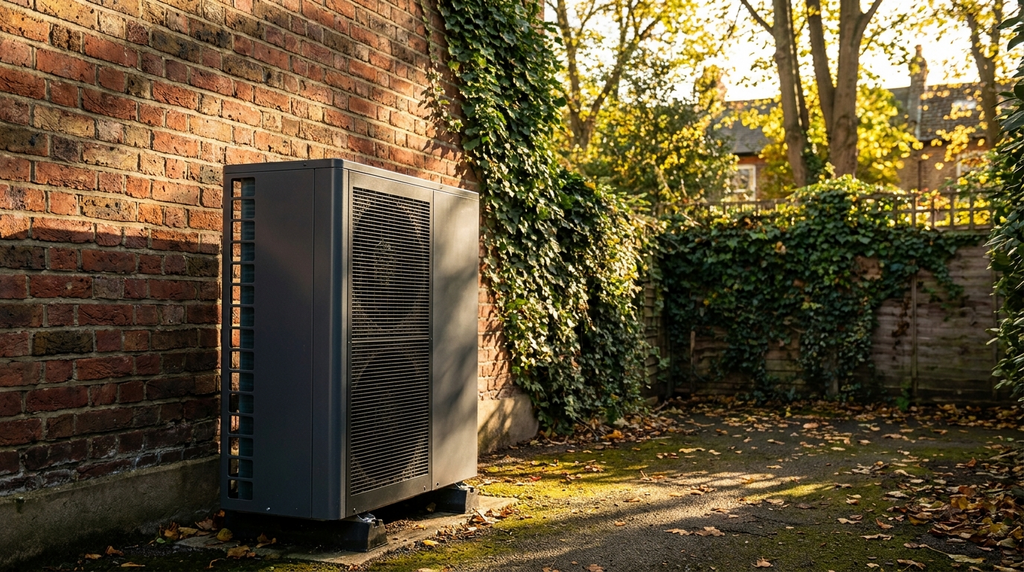
A typical air source heat pump in a UK home uses between 10 and 30 kWh of electricity per day during the heating season, according to the Energy Saving Trust. For a well-insulated 3-bedroom house running the pump for about 8–10 hours daily, the average is around 15–20 kWh per day. This varies significantly with outside temperature: on a mild 10°C day usage may drop to 10 kWh, while on a freezing 0°C day it can exceed 25 kWh.
To put that in context:
- 15 kWh per day is about the same as running an electric oven for 5 hours, or a 2 kW heater for 7.5 hours.
- At current Ofgem price cap rates (roughly 24.5p per kWh as of January 2025), 15 kWh costs about £3.68 per day, similar to a daily bus fare in most UK cities.
- A typical gas boiler for the same home uses about 80–100 kWh of gas per day in winter, costing £7–£9 at gas rates of 6.5p per kWh, so the heat pump’s electricity cost is roughly half.
| Outside temperature | Estimated daily electricity use (kWh) | Estimated daily cost (£) |
|---|---|---|
| 10°C (mild) | 10–12 kWh | £2.45–£2.94 |
| 5°C (average winter) | 15–20 kWh | £3.68–£4.90 |
| 0°C (cold snap) | 25–30 kWh | £6.13–£7.35 |
These figures assume a modern A-rated heat pump with a seasonal coefficient of performance (SCOP) of about 3.5, meaning for every 1 kWh of electricity, it delivers 3.5 kWh of heat. An older or poorly installed unit may use 30–50% more electricity. The actual daily usage also depends on your thermostat setting, home insulation, and whether the pump runs continuously or on a timer.
When this matters more: if you are off the gas grid and replacing oil or LPG, a heat pump’s electricity use is still cheaper per kWh of heat, even on cold days. When it does not matter: if your home has very poor insulation (single glazing, no cavity wall fill), the pump will run almost constantly and daily usage can exceed 40 kWh, making running costs similar to direct electric heating.
The bottom line: a heat pump uses roughly 15–20 kWh of electricity per day in a typical UK winter, costing £3.68–£4.90, about half the daily fuel cost of a gas boiler in the same home.
Sources
A worked example
A typical 1930s semi-detached home in Manchester with a 7 kW air source heat pump uses around 18 kWh of electricity per day during January. This home has cavity wall insulation and 270 mm loft insulation, meeting the minimum standards for the BUS grant. The homeowner received £7,500 off the installation cost through the scheme and pays a 0% VAT rate until March 2027. At the January 2025 Ofgem price cap rate of 24.5p per kWh, daily heating costs come to £4.41. The Energy Saving Trust estimates this home saves roughly £395 per year compared to a gas boiler. With a total upfront cost of £4,500 after the BUS grant and VAT savings, the payback period is just over 11 years based on annual savings of £395.
| Item | Figure |
|---|---|
| Upfront cost after grants | £4,500 |
| Yearly savings | £395 |
| Payback period | 11.4 years |
| 25-year lifetime savings | £9,875 |
What homeowners often get wrong
The most common mistake is assuming a heat pump’s electricity use is the same as a direct electric heater. Here are three frequent errors and the correct facts.
- Thinking the SCOP rating doesn’t matter A heat pump with a SCOP of 3.0 uses 33% more electricity than one with a SCOP of 4.0 for the same heat output. Choosing a poorly rated unit can add £150 to your annual heating bill and void the 7-year warranty on some models.
- Installing without checking ECO4 eligibility Many homeowners pay full price when they could get a free or heavily subsidised heat pump through the ECO4 scheme. If your household income is under £31,000 or you receive certain benefits, you may qualify for a fully funded installation worth up to £15,000.
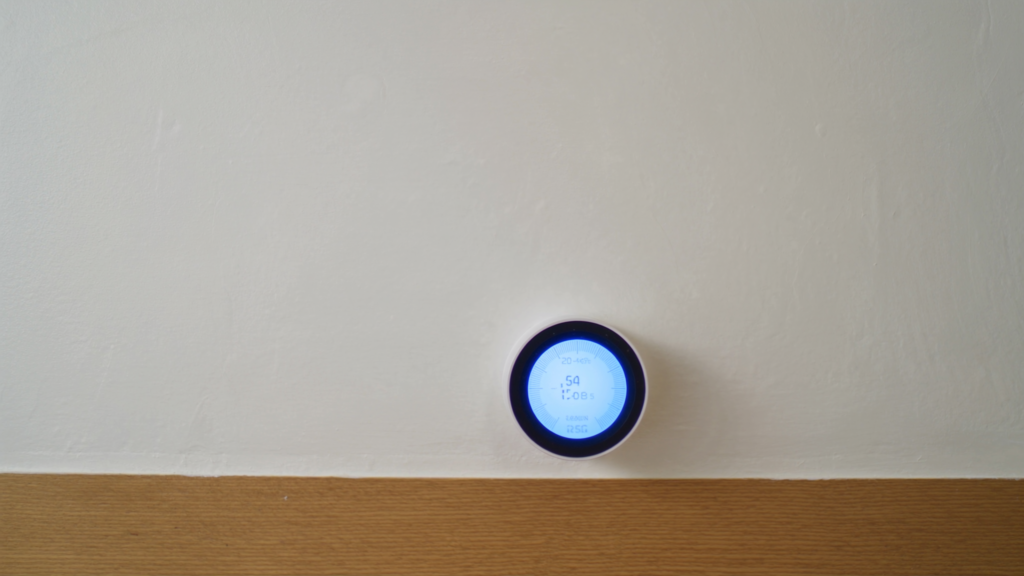
- Setting the thermostat too high or using boost mode A heat pump works best at a steady 18-20°C with minimal adjustment. Cranking it to 22°C or using the boost function daily can increase electricity use by 40% and reduce the system’s lifespan by causing short cycling.
Quick reference
- A heat pump with a SCOP of 3.5 uses roughly 3.5 kWh of electricity to deliver 12.25 kWh of heat. That makes it 350% efficient.
- Daily electricity use in a well-insulated 3-bedroom home ranges from 10 kWh on mild winter days to 30 kWh during freezing conditions below 0°C.
- To qualify for the £7,500 BUS grant, your heat pump must be installed by an MCS-certified installer and your home must have loft insulation of at least 270 mm.
- At the January 2025 price cap of 24.5p per kWh, running a heat pump for 15 kWh per day costs £3.68, which is about half the daily cost of a gas boiler in an average home.
- Ignoring the heat pump’s defrost cycle can add 10-15% to your daily electricity use, as the system uses extra power to melt ice from the outdoor unit in cold weather.
Frequently Asked Questions
A typical air source heat pump in a UK home uses between 10 and 30 kWh per day during the heating season, with an average of 15–20 kWh for a well-insulated 3-bedroom house. At the current Ofgem price cap of 24.5p per kWh, this costs around £3.68–£4.90 per day.
Yes, a heat pump is roughly half the cost of a gas boiler for the same home. A gas boiler uses 80–100 kWh per day in winter, costing £7–£9 at 6.5p per kWh, while a heat pump costs £3.68–£4.90 per day for 15–20 kWh of electricity.
On a freezing 0°C day, a heat pump may use 25–30 kWh of electricity, costing £6.13–£7.35 per day at the January 2025 price cap of 24.5p per kWh. This is still cheaper than a gas boiler on the same day.
Yes, if your home has poor insulation like single glazing or no cavity wall fill, the heat pump will run almost constantly and daily electricity use can exceed 40 kWh. This makes running costs similar to direct electric heating, so improving insulation is recommended.
Key factors include outside temperature, home insulation, thermostat settings, and whether the pump runs continuously or on a timer. A modern A-rated heat pump with a SCOP of 3.5 uses less electricity, while older or poorly installed units may use 30–50% more.