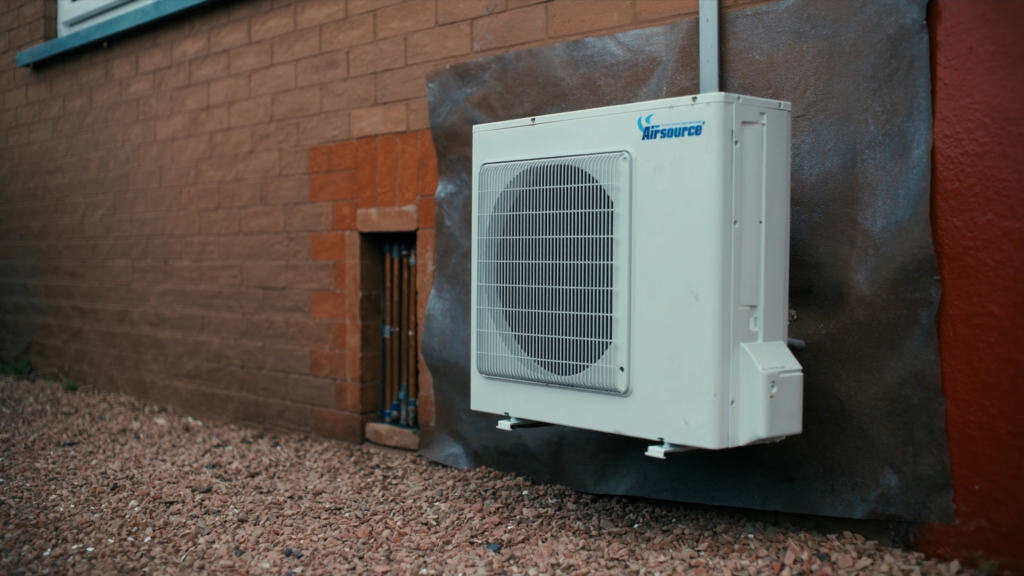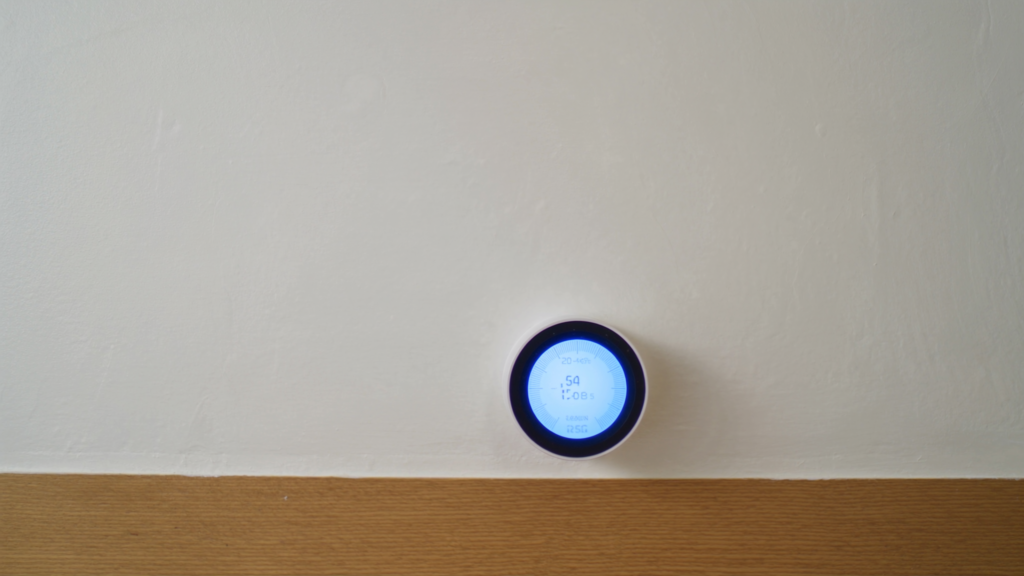
The average heat pump install takes 2 to 5 days for a typical UK home
If you are replacing a gas boiler with a heat pump, you need to know how long the installation will take and what happens each day. The disruption is manageable but planning ahead helps.
A heat pump install takes 2 to 5 days for a typical UK home. A straightforward gas boiler replacement in the same location takes 2-3 days, while a full system with new radiators can extend to 4-5 days.
- Standard install takes 2 to 5 working days for a 3-4 bedroom home.
- Gas boiler replacement in the same location takes 2-3 days.
- Full system with new radiators and pipework takes 4-5 days.
- Installer must hold MCS certification for the £7,500 BUS grant.
- Check TrustMark registration and NICEIC or NAPIT for electrical work.
- The average heat pump install takes 2 to 5 days for a typical UK home
- The installer must hold MCS certification and be registered with TrustMark
- The typical heat pump install day schedule what happens hour by hour
- Quick numbers key figures for heat pump install day
- The direct answer a heat pump install day requires the homeowner to be present for the final walkthrough and commissioning
- The installer must pressure-test the system and check the refrigerant charge
- The homeowner must check the MCS certificate and the BUS grant application is submitted
- The system must be commissioned with a flow temperature of 35°C to 55°C for optimal efficiency
According to the Microgeneration Certification Scheme (MCS) Service and Installation Standards, a standard air-source heat pump installation in a 3-4 bedroom home takes 2 to 5 working days. A straightforward gas boiler replacement with a heat pump in the same location can take 2-3 days. A full system including new radiators and pipework can extend to 4-5 days.
The installer will complete the external unit placement, indoor unit fitting, pipework connections, and electrical work across these days. Weather can delay outdoor work, and discovery of unexpected asbestos or lead pipework can add a day. Your installer should confirm the expected timeline during the initial survey.
The installer must hold MCS certification and be registered with TrustMark
Only MCS-certified installers can certify your heat pump installation for the Boiler Upgrade Scheme (BUS) grant of £7,500 (GOV.UK, BUS guidance, updated January 2026). Check the MCS Installer Database at mcsinstallers.com before booking. The installer must be listed for the specific heat pump product they are fitting.
TrustMark registration is the UK government-endorsed quality scheme. The installer must be a TrustMark-registered business for consumer financial protection. For electrical work, the installer must be registered with a competent person scheme such as NICEIC or NAPIT. Ask for these credentials before you agree to any work.
How to choose a heat pump installer
The typical heat pump install day schedule what happens hour by hour
Day 1 morning: The team arrives, conducts a final site survey, isolates the existing heating system, and drains the old radiators and pipework.
Day 1 afternoon: The outdoor unit base is prepared using a concrete pad or wall bracket, and the outdoor unit is positioned and secured.
Day 2: The indoor unit, called a hydrobox, is mounted. Refrigerant pipework is run between indoor and outdoor units, and the electrical supply is connected.
Day 3: New or upgraded radiators are fitted, pipework is re-routed, and the system is pressure-tested and filled with water and refrigerant.
Day 4-5: The system is commissioned, controls are programmed, and the installer walks the homeowner through operation.
Quick numbers key figures for heat pump install day
| Metric | Typical Value | Source |
|---|---|---|
| Install duration (days) | 2-5 days | MCS Service and Installation Standards |
| BUS grant amount | £7,500 | GOV.UK, Boiler Upgrade Scheme |
| Average system cost (installed) | £7,000 – £13,000 | Energy Saving Trust, 2026 estimate |
| Refrigerant pipe run limit | 15-20 metres | Manufacturer installation manuals (e.g., Mitsubishi, Daikin) |
| System water volume | 50-150 litres | Heat pump manufacturer specifications |
The direct answer a heat pump install day requires the homeowner to be present for the final walkthrough and commissioning
The homeowner does not need to stay on site for the entire 2-5 days. You must be available for the final day’s commissioning and handover. On the final day, the installer will demonstrate the control interface, explain the heating schedule, and confirm the system is running correctly.
The homeowner must sign the MCS commissioning certificate and the BUS grant declaration form (GOV.UK, BUS guidance). The installer will leave a handover pack including the MCS certificate, warranty documents, and a user manual. Ask questions during the walkthrough to understand how to adjust settings and what to do if an error code appears.
The installer must pressure-test the system and check the refrigerant charge
The installer will perform a pressure test on the water circuit to ensure no leaks exist before filling, following the BS EN 12828 standard. The refrigerant circuit is evacuated with a vacuum pump to remove moisture and air, then charged with the correct amount of R32 or R290 refrigerant.
The installer will check the superheat and subcooling values to confirm the system is operating within manufacturer tolerances. A final leak test with an electronic refrigerant detector is mandatory under the F-Gas Regulation 517/2014. You can ask to see the test results if you want reassurance.
The homeowner must check the MCS certificate and the BUS grant application is submitted
After the install, the installer must issue an MCS certificate within 10 working days under the MCS Service and Installation Standards. The homeowner must submit the BUS grant application within 3 months of the installation date (GOV.UK, Boiler Upgrade Scheme guidance).
The installer must also provide a commissioning report detailing the system performance data, including flow temperature and efficiency test results. The homeowner should retain all paperwork for insurance and future property sale purposes. Keep a copy of the MCS certificate and the BUS grant confirmation in your home file.
Heat pump maintenance checklist
The system must be commissioned with a flow temperature of 35°C to 55°C for optimal efficiency
Heat pumps operate at lower flow temperatures than gas boilers, typically 35°C to 55°C compared to 60°C to 80°C for gas. The installer will set the weather compensation curve so the flow temperature adjusts automatically based on outdoor temperature.
The Energy Saving Trust states that a correctly commissioned system with a flow temperature of 35°C can achieve a Seasonal Coefficient of Performance (SCOP) of 3.0 to 4.0 (Energy Saving Trust, 2026). The installer must record the flow temperature setting on the commissioning certificate under MCS standards. If you notice the system running at higher flow temperatures, ask your installer to check the weather compensation settings.
Frequently Asked Questions
A standard air-source heat pump install takes 2 to 5 working days for a typical UK home, according to MCS Service and Installation Standards. A straightforward gas boiler replacement in the same location takes 2-3 days, while a full system with new radiators can extend to 4-5 days.
Day 1 morning: the team arrives, does a final site survey, isolates the existing heating system, and drains the old radiators and pipework. Day 1 afternoon: the outdoor unit base is prepared, often using a concrete pad.
Yes, the installer must hold MCS certification to qualify your installation for the Boiler Upgrade Scheme grant of £7,500 (GOV.UK, BUS guidance, updated January 2026). Check the MCS Installer Database at mcsinstallers.com before booking.
Weather can delay outdoor work, and discovery of unexpected asbestos or lead pipework can add a day. Your installer should confirm the expected timeline during the initial survey.
Yes, TrustMark registration is the UK government-endorsed quality scheme and is required for consumer financial protection. For electrical work, the installer must also be registered with a competent person scheme such as NICEIC or NAPIT (Energy Saving Trust guidance).