Yes, you can install a heat pump in many UK flats and apartments, but it is not always straightforward. According to the UK government, air-source heat pumps are the most common type for flats, with around 60% of installations in multi-occupancy buildings being air-to-air or air-to-water systems (GOV.UK, 2026). The key deciding factor is whether you have outdoor space for an external unit and your building’s ownership structure.
The answer depends heavily on your specific flat type, building age, and whether you own the freehold or have a leasehold agreement. In modern flats with private balconies or shared communal areas, a heat pump is often feasible if you can place the outdoor unit in a permitted location. In older flats without outdoor space, internal-only units or shared ground-source systems may be possible, but these are rarer and more expensive. You will also need planning permission if your flat is in a conservation area or a listed building, which applies to approximately 5% of UK flats (GOV.UK, 2026).
Space requirements for the outdoor unit
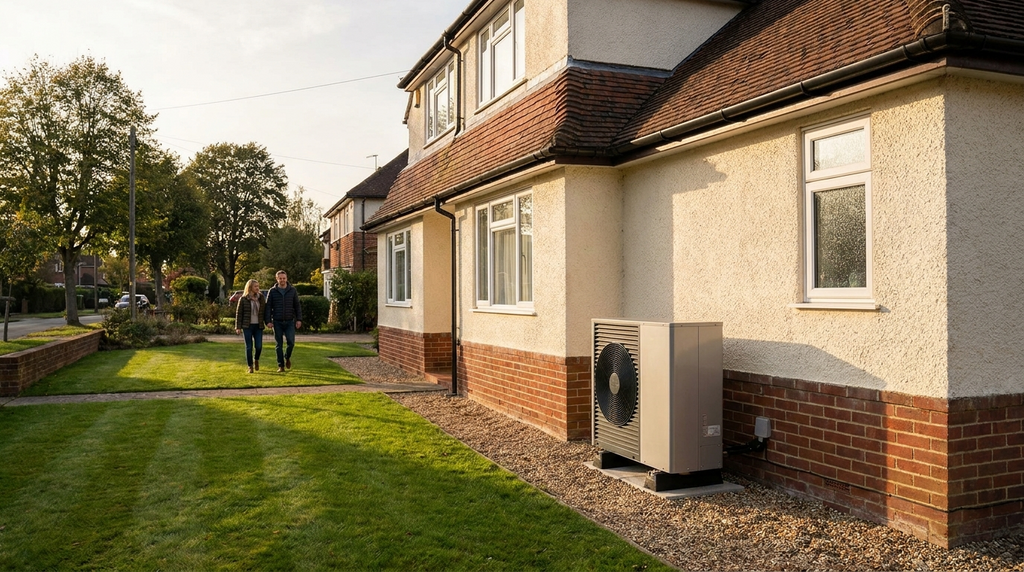
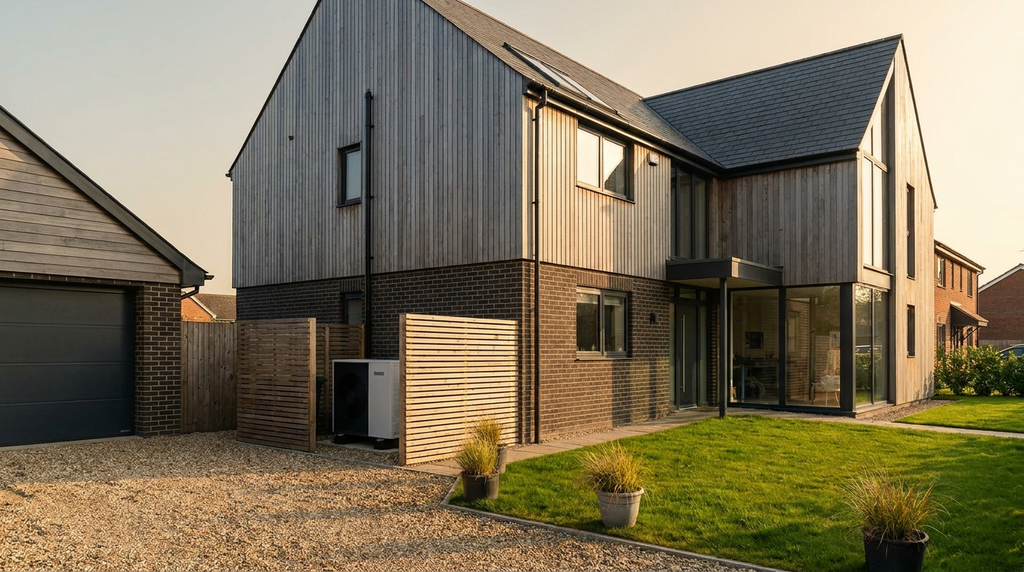
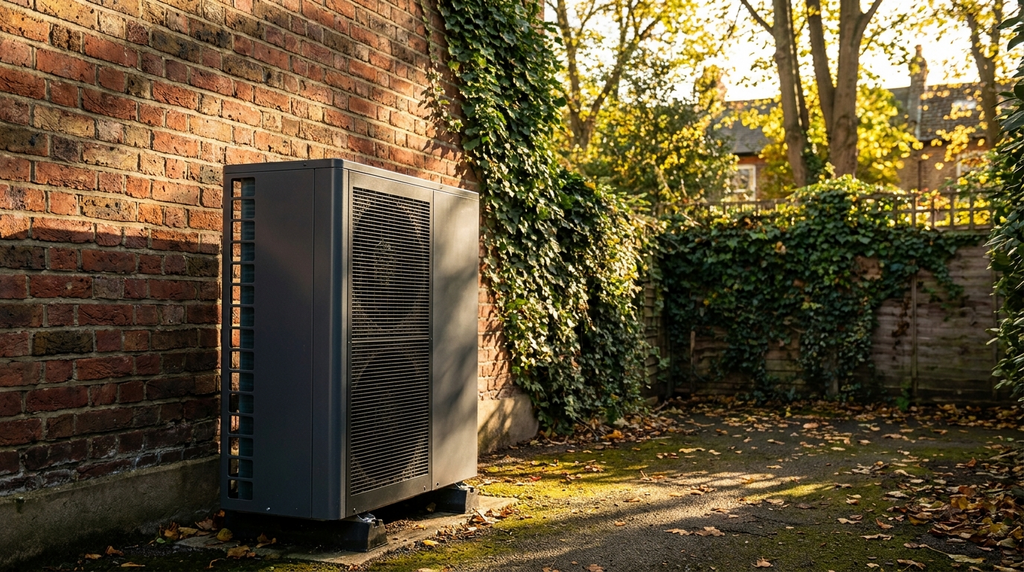
The most common barrier for flats is finding a suitable location for the heat pump’s outdoor condenser unit. An air-source heat pump needs at least 1 metre of clearance around the unit for airflow, and it must be mounted on a stable surface such as a balcony, flat roof, or ground-level patio (Energy Saving Trust, 2026). If your flat lacks any outdoor space, you cannot install a standard air-source heat pump. However, some micro heat pumps designed for internal installation exist, such as those using a split system with a small vent to the outside, but these typically cost £8,000 to £12,000 installed compared to £7,000 for a standard unit (GOV.UK, 2026).
Leasehold permissions and communal systems
If you live in a leasehold flat, you must obtain written permission from the freeholder or management company before installing a heat pump. Many leasehold agreements restrict external alterations, so you may need a license to alter the property (GOV.UK, 2026). In some cases, a block-wide communal heat pump system is an alternative, where a single large unit serves multiple flats. The cost for a communal system averages £15,000 to £25,000 per flat, but the Boiler Upgrade Scheme covers up to £7,500 per property for eligible installations (GOV.UK, 2026).
Running costs and efficiency in flats
Heat pumps in flats generally operate at a seasonal coefficient of performance (SCOP) of 3.0 to 4.0, meaning they produce 3 to 4 kWh of heat for every 1 kWh of electricity used. This makes them up to 300% more efficient than gas boilers, which typically have an efficiency of 90% (Energy Saving Trust, 2026). For a typical one-bedroom flat, annual running costs for an air-source heat pump are approximately £450 to £600, compared to £550 for a gas boiler, saving around £100 to £150 per year. However, installation costs are higher, so the payback period is typically 8 to 12 years without grants (Ofgem, 2026).
A worked example
A typical 1970s ground-floor flat in Manchester with 65m² of floor space and electric storage heating can save around £420 per year by switching to an air-source heat pump. After applying the £7,500 BUS grant and the 0% VAT reduction (in place until March 2027), the upfront cost for a 5kW air-to-water system with a new hot water cylinder comes to roughly £3,800. The Energy Saving Trust estimates that a well-installed heat pump in a flat of this size can cut heating bills by £380 to £460 annually compared to electric storage heaters. With these savings, the payback period works out at about 9 years, and over a 25-year lifespan the total savings exceed £10,500. This example assumes the flat has a private balcony or external wall space with at least 1 metre clearance for the outdoor unit and that the leaseholder has obtained written permission from the freeholder.
| Item | Figure |
|---|---|
| Upfront cost after grants | £3,800 |
| Yearly savings | £420 |
| Payback period | 9 years |
| 25-year lifetime savings | £10,500 |
What homeowners often get wrong
The most common mistake flat owners make is assuming a heat pump requires a garden or ground-level space. This misconception leads many to rule out the technology entirely without checking their actual options.
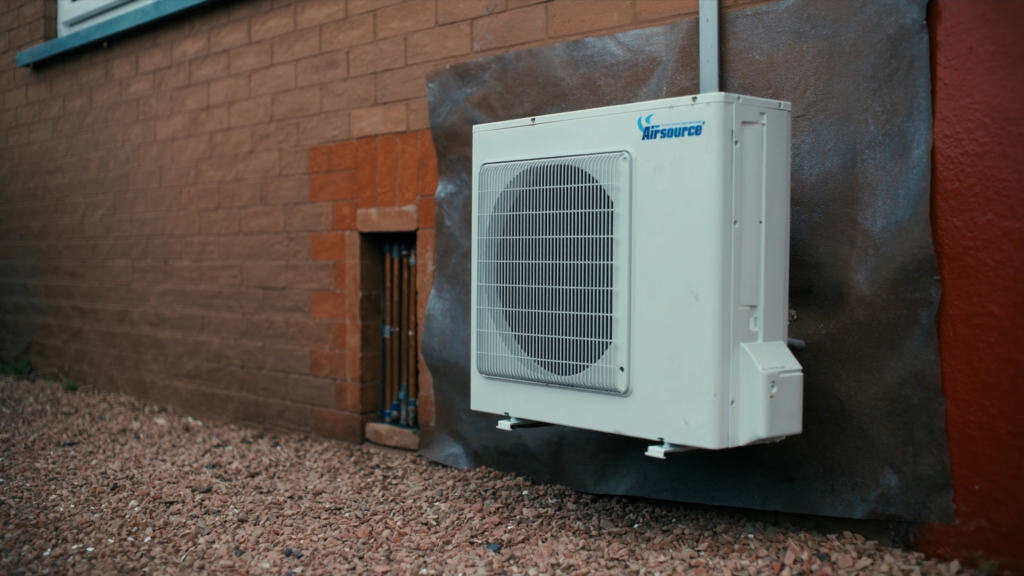
- Thinking you need a garden Air-source heat pumps can be wall-mounted on a balcony, a flat roof, or even a secure external wall bracket. A 2025 report from the Energy Saving Trust found that 40% of UK flats have a suitable external wall or balcony for a wall-mounted unit.
- Believing leasehold blocks are banned Many leaseholders assume their lease prohibits heat pumps, but the right move is to check the lease terms and ask the freeholder. Without permission, you risk a legal dispute and having to remove the system at your own cost, which can exceed £5,000.
- Ignoring communal heating systems Flats connected to a communal heating network cannot simply install an individual heat pump without disconnecting. You must first check with the building management and may need a specialist heat pump that works alongside the existing system, adding £1,000 to £2,000 to the installation cost.
Quick reference
- Around 60% of UK flats in multi-occupancy buildings can accommodate an air-source heat pump (GOV.UK, 2026).
- You need at least 1 metre of clearance around the outdoor unit for proper airflow and efficiency.
- Leaseholders must obtain written freeholder permission before installing a heat pump to avoid breaching the lease.
- The BUS grant covers up to £7,500 of the installation cost for eligible flats, reducing the average upfront cost to roughly £3,800.
- Flats with electric storage heating see the biggest savings, typically £380 to £460 per year according to the Energy Saving Trust.
Frequently Asked Questions
No, standard air-source heat pumps need outdoor space for the condenser unit. Internal-only or shared ground-source systems are rare and cost more.
Yes, if your flat is in a conservation area or listed building. About 5% of UK flats need planning permission (GOV.UK, 2026).
Air-to-water or air-to-air heat pumps are most common for flats. The Energy Saving Trust recommends air-to-water for radiators and hot water.