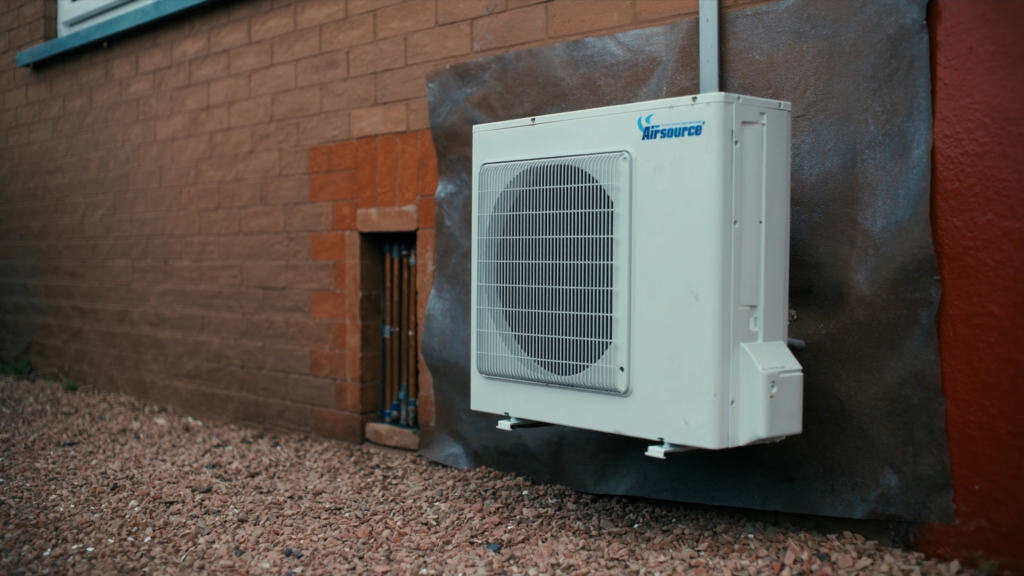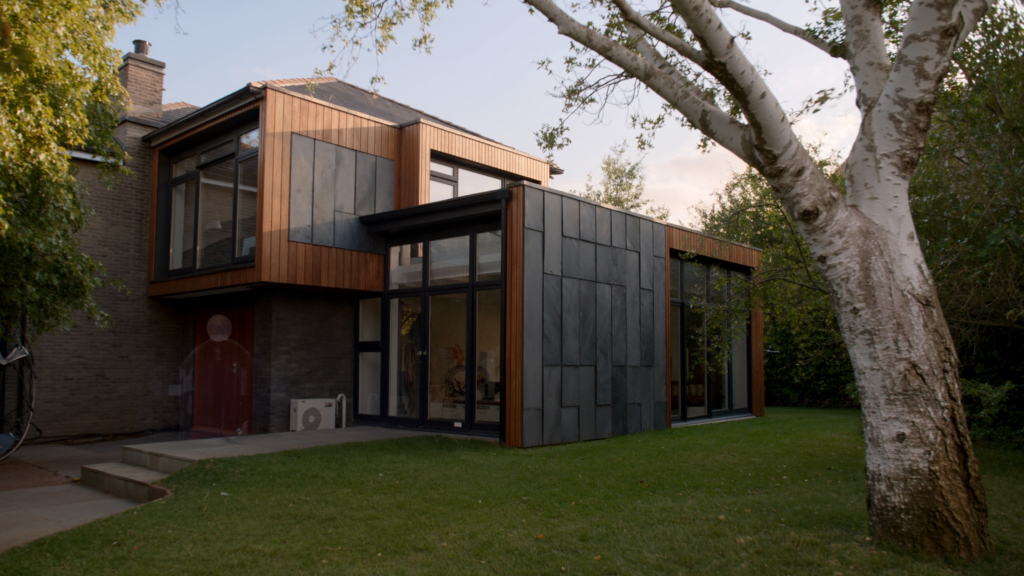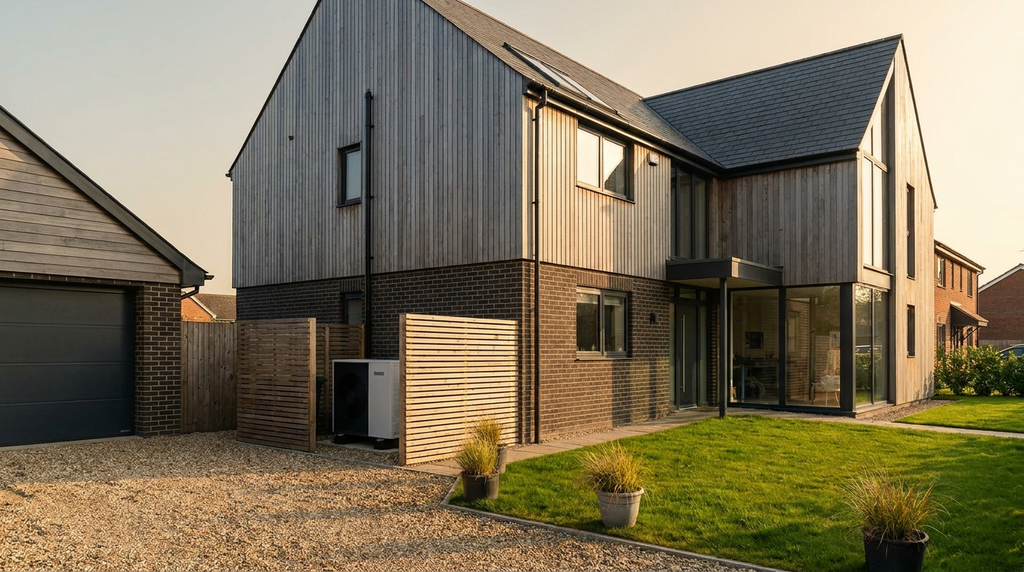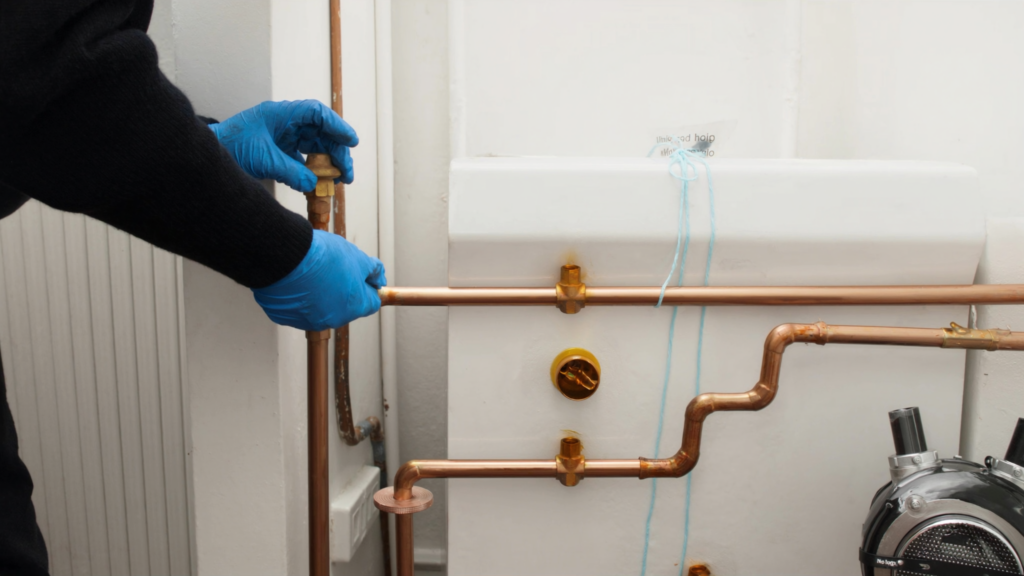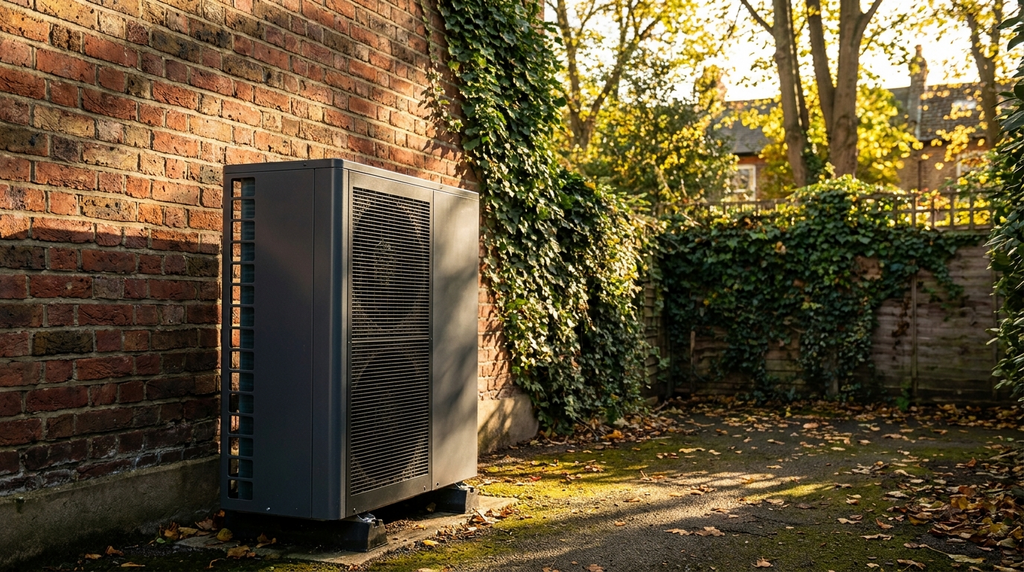
The average detached house in the UK uses nearly 50% more gas than a semi-detached home
Detached houses are the most energy-intensive dwelling type in the UK. The Department for Energy Security and Net Zero (DESNZ) reports that an average detached home consumes around 17,000 kWh of gas per year, compared to 11,500 kWh for a semi-detached property (DESNZ, Energy Consumption in the UK, 2026). Heating alone accounts for 60-70% of total energy bills, making your choice of heating system the single largest factor in annual running costs.
Heating a detached house costs £1,800-£2,500 per year. A gas boiler is cheapest upfront, while a heat pump with a £7,500 BUS grant cuts long-term bills. Compare system types to find the best fit for your home.
- A detached home uses 17,000 kWh gas annually, 50% more than a semi.
- Heating accounts for 60-70% of total energy bills in detached houses.
- System boiler with hot water cylinder suits high-demand detached homes.
- Heat pumps get a £7,500 grant under the 2026 Boiler Upgrade Scheme.
- Hybrid systems combine gas boiler and heat pump for flexible savings.
- The average detached house in the UK uses nearly 50% more gas than a semi-detached home
- The three main heating system categories for a detached house in 2026
- Who qualifies for the £7,500 heat pump grant in a detached house
- Quick numbers, cost, savings, and payback for detached house heating options in 2026
- How to confirm your detached house is eligible for a heating grant, the installer verification step
- The direct answer the best heating option for a detached house in 2026
- Why a heat pump may not be suitable for your detached house, and what to do instead
Because detached homes have more external wall area and often higher heat loss, a standard combi boiler may be undersized. A system boiler with a hot water cylinder is frequently a better fit, as it can deliver higher flow rates to multiple bathrooms. The 2026 Boiler Upgrade Scheme (BUS) and the upcoming Clean Heat Market Mechanism are reshaping the financial landscape, offering grants that can significantly reduce upfront costs for low-carbon systems.
The three main heating system categories for a detached house in 2026
There are three main categories of heating system available to detached homeowners in 2026.
Category 1: Gas boilers (combi, system, or regular). Gas boilers remain the most common choice. However, new installations must meet tighter efficiency standards under the Future Homes Standard 2025, which mandates a minimum 92% efficiency for new gas boilers (GOV.UK, Future Homes Standard, 2025).
Category 2: Heat pumps (air source or ground source). These are eligible for a £7,500 grant under the Boiler Upgrade Scheme. Ground source heat pumps receive a separate £7,500 grant (GOV.UK, Boiler Upgrade Scheme guidance, January 2026). Heat pumps are highly efficient, with a coefficient of performance (COP) typically between 3 and 4, meaning they produce 3-4 units of heat for every unit of electricity.
Category 3: Hybrid systems (gas boiler + heat pump). A hybrid system combines a gas boiler with a smaller heat pump. It qualifies for a reduced grant of £5,000 under the BUS (GOV.UK, Boiler Upgrade Scheme guidance, January 2026). This option offers partial decarbonisation without requiring full radiator replacement.
Who qualifies for the £7,500 heat pump grant in a detached house
The £7,500 grant is available to homeowners in England and Wales who replace an existing fossil fuel heating system with an air source or ground source heat pump. Detached houses are explicitly eligible, provided the property has a valid Energy Performance Certificate (EPC) with no outstanding recommendations for loft or cavity wall insulation (Ofgem, BUS eligibility criteria, 2026).
The installer must be MCS-certified (Microgeneration Certification Scheme) and registered with the BUS. Landlords and new-build homes are excluded. The grant is for owner-occupied or privately rented existing dwellings only. If you are a landlord, you may still be eligible, but you must meet the same EPC requirements.
Quick numbers, cost, savings, and payback for detached house heating options in 2026
| Heating system type | Typical installed cost (excl. grant) | Annual running cost (17,000 kWh detached) | Estimated CO2 saving vs. gas | Payback period (years) |
|---|---|---|---|---|
| Gas boiler (A-rated) | £2,500–£4,000 | £1,200–£1,500 | Baseline | N/A |
| Air source heat pump | £11,000–£15,000 | £700–£900 | 50-60% | 8–12 years |
| Ground source heat pump | £20,000–£30,000 | £500–£700 | 60-70% | 12–18 years |
| Hybrid system | £8,000–£12,000 | £900–£1,200 | 30-40% | 6–10 years |
Data sources: Energy Saving Trust, “Heat pump savings” page, 2026 (Energy Saving Trust, 2026); MCS register, “Installer directory” cost data (MCS, 2026); DESNZ, “Domestic heat pump cost and performance” report, 2026 (DESNZ, 2026).
How to confirm your detached house is eligible for a heating grant, the installer verification step
Before applying for the BUS grant, you must obtain a quote from an MCS-certified installer. The MCS register (mcscertified.com) is the only official directory of approved installers. The installer will conduct a room-by-room heat loss calculation, not a whole-house estimate. This is mandatory for BUS applications and determines the correct heat pump size (Ofgem, BUS eligibility criteria, 2026).
The installer must also check that your property’s electrical supply can handle the heat pump’s peak load. Older detached homes may require a fuse upgrade from 60 amps to 100 amps, which can cost £500–£1,000. TrustMark registration is a secondary check: all BUS installers must be TrustMark-registered for consumer protection (TrustMark, 2026).
The direct answer the best heating option for a detached house in 2026
For most detached homes, an air source heat pump with a hot water cylinder is the most cost-effective long-term option. The Energy Saving Trust reports that a properly installed heat pump can deliver a 30-40% reduction in annual heating bills compared to a gas boiler (Energy Saving Trust, 2026).
The £7,500 BUS grant brings the upfront cost of a typical air source heat pump to roughly £3,500–£5,000, comparable to a new gas boiler installation. However, if your house has poor insulation (EPC band D or below), the heat pump will run inefficiently. In that case, a gas boiler or hybrid system may be more practical until you make fabric improvements such as loft insulation and cavity wall insulation.
The final choice depends on your property’s heat loss, existing radiator size, and available outdoor space for the external unit. heat pump sizing guide for UK homes EPC band D insulation upgrade options
Why a heat pump may not be suitable for your detached house, and what to do instead
Heat pumps require large radiators or underfloor heating to operate at low flow temperatures (45-50°C). If your house has original small radiators, you may need a full system upgrade costing £2,000–£4,000. Properties with no outdoor space for the external unit, such as narrow side passages, or with listed building restrictions may be ineligible.
In such cases, a high-efficiency gas combi boiler (A-rated, 94% efficiency) remains the most practical option. Ofgem’s typical domestic consumption values for 2026 show annual running costs of approximately £1,200–£1,500 for a detached house (Ofgem, typical domestic consumption values, 2026). A hybrid system (gas boiler + small heat pump) can be a compromise, offering partial decarbonisation without full radiator replacement.
If you are unsure which option suits your home, a qualified MCS-certified installer can provide a free survey and heat loss calculation. hybrid heating system cost and savings 2026
Frequently Asked Questions
The best system depends on your budget and insulation. A gas system boiler with a cylinder handles high demand well, while a heat pump with a £7,500 grant from the Boiler Upgrade Scheme can cut running costs. Ofgem recommends heat pumps for well-insulated detached homes.
Heating a detached house typically costs between £1,800 and £2,500 per year, based on DESNZ data. A gas boiler at 92% efficiency costs around £1,200-£1,800 annually, while a heat pump with a COP of 3.5 can reduce this to £900-£1,400.
Yes, heat pumps are suitable for detached houses if the property has good insulation and underfloor heating or large radiators. The Energy Saving Trust confirms that detached homes benefit most from heat pump efficiency, especially with the £7,500 Boiler Upgrade Scheme grant.
A detached house typically needs a 10-16 kW heat pump, depending on heat loss. The MCS standards recommend a professional heat loss calculation to size the unit correctly. A 12 kW air source heat pump is common for a 3-bedroom detached home.
Yes, a hybrid system lets you keep a gas boiler alongside a smaller heat pump. The heat pump handles most heating, and the boiler kicks in during cold snaps. GOV.UK notes that hybrid systems qualify for a reduced grant under the Boiler Upgrade Scheme.
A ground source heat pump is the most efficient, with a COP of 3.5-4.5. It costs around £15,000-£25,000 installed but can cut heating bills by 40-60% compared to a gas boiler. The Energy Saving Trust ranks it top for efficiency in detached homes.