The defrost cycle is a normal, automatic part of heat pump operation in UK winter weather
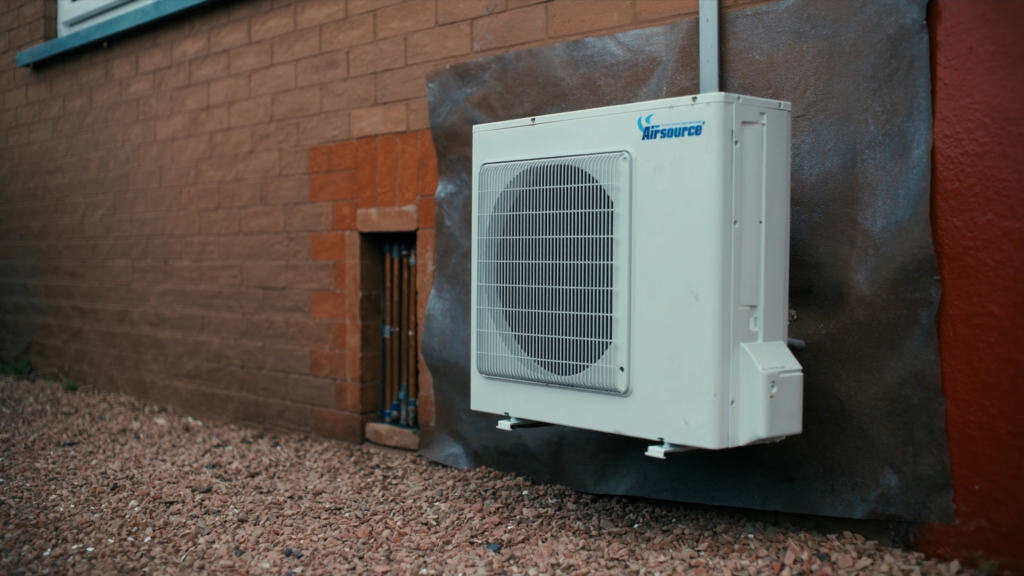
If you hear a brief gurgle or feel a temporary lull in warm air from your heat pump on a cold, damp day, the defrost cycle is likely running. This automatic process prevents ice from building up on the outdoor unit’s coil, which would block airflow and sharply reduce heating efficiency. In the UK’s damp, cold winters, frost forms on the coil when outdoor temperatures drop below roughly 6°C and humidity is high, this is standard, not a fault.
Energy Saving Trust confirms defrost cycles are a routine feature of air-source heat pumps and should not alarm homeowners (Energy Saving Trust, 2026). The cycle is triggered automatically by the heat pump’s control system, which detects when ice is forming and initiates a brief reversal of refrigerant flow to melt it.
How often the defrost cycle runs depends on outdoor temperature and humidity
The frequency of defrost cycles varies widely with weather conditions. In mild, damp conditions (3–6°C with high humidity), cycles may occur every 30–90 minutes. In drier, colder weather (below -2°C with low humidity), cycles are less frequent, sometimes every 2–4 hours. Each defrost cycle lasts between 2 and 10 minutes, depending on the heat pump model and the amount of ice accumulated.
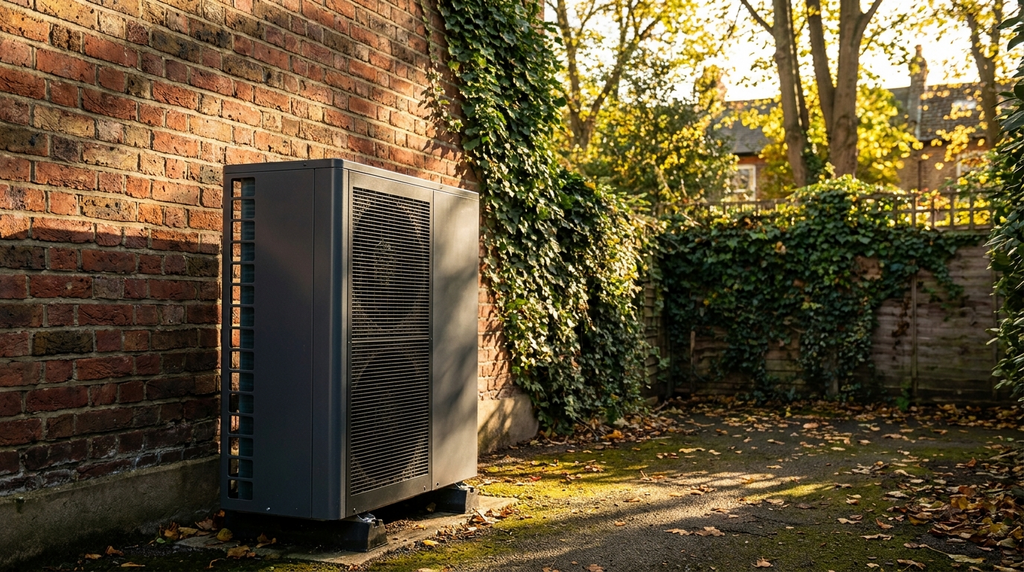
MCS installation standards (MIS 3005) reference defrost-cycle timing for compliance testing, noting that manufacturers must specify expected cycle duration and frequency for their models (MCS, 2026). A well-sized heat pump with a correctly positioned outdoor unit will cycle less often than one placed in a sheltered, damp corner where frost forms more readily.
What happens inside your home during a defrost cycle
During defrost, the heat pump temporarily reverses its refrigerant flow to warm the outdoor coil, melting the ice. This means the indoor unit may stop blowing warm air for the cycle’s duration. You might hear a brief gurgling or whooshing sound as refrigerant changes direction, this is normal and not a cause for concern.
Some models use a backup electric heating element (immersion heater) to maintain indoor temperature during defrost, reducing the temperature dip you feel. Ofgem notes backup heater use during defrost in standard efficiency tests, confirming it is a designed feature to minimise comfort loss (Ofgem, 2026). In most modern heat pumps, the indoor temperature drop is barely noticeable, typically less than 1°C.
Quick numbers typical defrost-cycle performance and energy impact
| Weather condition | Cycle frequency (per hour) | Cycle duration (minutes) | Energy consumed per defrost (kWh) | Backup heater use | Indoor temperature drop (°C) |
|---|---|---|---|---|---|
| Mild damp (3–6°C) | 0.7–2.0 | 3–6 | 0.2–0.4 | Rarely | 0.3–0.8 |
| Cold dry (-2 to 2°C) | 0.3–1.0 | 2–5 | 0.2–0.3 | Occasionally | 0.2–0.5 |
| Very cold (below -5°C) | 0.3–0.5 | 4–10 | 0.3–0.5 | Frequently | 0.5–1.5 |
These figures are drawn from DESNZ field trial data on heat pump performance in UK winter conditions (DESNZ, 2026). The energy consumed per defrost is modest, and backup heater use is more common in very cold weather to maintain indoor comfort.
The direct impact on your heating bill and overall system efficiency
Each defrost cycle consumes roughly 0.2–0.5 kWh of electricity (mostly to run the compressor and fan), adding about 1–3% to your annual heating energy use in a typical UK winter. For a household using 10,000 kWh per year for heating, that equates to roughly 100–300 kWh extra, or £25–£75 at current electricity prices.
The efficiency loss is small because the Seasonal Coefficient of Performance (SCOP) for a well-sized heat pump already accounts for defrost cycles in its published rating. Ofgem states the average annual defrost energy penalty is 1–3% of total heating load, which is factored into the SCOP figure you see on product labels (Ofgem, 2026). This means the defrost cycle does not materially alter your running cost estimate.
heat pump running costs vs gas boiler 2026
When a defrost cycle signals a problem, not normal operation
A defrost cycle that lasts longer than 15 minutes, or runs constantly (every 10–20 minutes) without stopping, may indicate a refrigerant leak, a faulty defrost sensor, or a blocked outdoor coil. Ice that remains on the coil after the cycle ends, or a thick layer of ice building up over days, is also abnormal.
MCS installation standard MIS 3005 lists abnormal defrost behaviour as a call-out for technician inspection (MCS, 2026). If you notice any of these signs, contact your installer or a Gas Safe registered engineer (for heat pumps with refrigerant circuits) to diagnose the issue. Do not attempt to manually defrost the unit, this can damage the coil or void the warranty.
How to verify your installer is certified for heat pump defrost-cycle setup
The installer must be MCS-certified (Microgeneration Certification Scheme) and the heat pump model must be on the MCS product database for eligibility under the Boiler Upgrade Scheme (BUS) grant. For electrical work, the installer should be registered with NICEIC or NAPIT Part P.
GOV.UK confirms MCS and NICEIC/NAPIT as mandatory for grant-funded installations under the BUS (GOV.UK, 2026). A certified installer will properly configure the defrost-cycle settings, including backup heater integration and sensor placement, to minimise energy waste and maximise comfort. Always request proof of certification before signing a contract.
MCS certified heat pump installers checklist
What you can expect to pay for a heat pump and how the defrost cycle factors into the payback
A typical air-source heat pump installation costs £7,000–£13,000 after the BUS grant (which provides £7,500 off in 2026). The defrost cycle adds roughly £10–£30 per year to your heating bill (based on 1–3% of a typical 10,000 kWh annual heat pump electricity use at 25p/kWh). This is a negligible factor in the overall payback calculation.
Payback period for a heat pump vs. a gas boiler is typically 5–10 years, depending on your home’s insulation, heating pattern, and electricity-to-gas price ratio. Ofgem publishes current grant amounts and eligibility criteria for the BUS (GOV.UK, 2026), while Energy Saving Trust provides running cost comparisons against gas boilers (Energy Saving Trust, 2026). The defrost cycle’s energy penalty is so small that it does not materially shift the payback period for most homes.
heat pump installation cost UK 2026 grant breakdown
Frequently Asked Questions
In mild, damp UK conditions (3–6°C with high humidity), defrost cycles occur every 30–90 minutes. In drier, colder weather below -2°C, cycles are less frequent, sometimes every 2–4 hours. Energy Saving Trust confirms this is standard heat pump operation.
Each defrost cycle lasts between 2 and 10 minutes, depending on the heat pump model and ice accumulation. MCS installation standards require manufacturers to specify expected cycle duration for their models.
Yes, the defrost cycle is a normal, automatic part of heat pump operation in UK winter weather. Energy Saving Trust confirms it is routine and should not alarm homeowners.
The heat pump temporarily reverses refrigerant flow to warm the outdoor coil and melt ice. Indoors, warm air may stop blowing for the cycle's duration, and you might hear a brief gurgling or whooshing sound.
No, you should not stop a defrost cycle. It is automatically triggered by the heat pump's control system to prevent ice buildup that would block airflow and reduce efficiency. Interfering could damage the unit.
Frequent defrost cycles are usually caused by high humidity and temperatures around 3–6°C. A poorly positioned outdoor unit in a sheltered, damp corner can also increase cycle frequency. Ensure good airflow around the unit.