The anti-legionella cycle adds roughly £80–£180 a year to a typical heat pump running cost in 2026
The anti-legionella cycle is a safety feature that heats your stored hot water to a temperature high enough to kill Legionella bacteria. It typically runs once per week, raising the water in your cylinder to 60–65°C for at least one hour (MCS 010, 2026).
This higher temperature forces the heat pump out of its most efficient operating range, which is usually 35–50°C. During the cycle, the coefficient of performance (COP) – a measure of efficiency where a higher number means more heat per unit of electricity – drops from around 3.5 to about 2.0 (Energy Saving Trust, 2026).
Using the 2026 Ofgem price cap of 24.5p per kWh for electricity, a 200-litre cylinder heated once weekly uses an extra 8–12 kWh per cycle (Ofgem, 2026). This costs approximately £4.20–£5.80 per cycle, or £220–£300 annually, compared to standard operation at 50°C. The actual extra cost in your home will vary depending on cylinder size, insulation quality, and your electricity tariff.
Not every heat pump system in the UK legally requires an anti-legionella cycle in 2026
The legal requirement comes from the Health and Safety Executive’s Approved Code of Practice L8, which applies to commercial premises and rented housing with a shared water system (HSE L8, fourth edition, 2026). Owner-occupied single dwellings are not legally mandated to run an anti-legionella cycle under L8.
Most heat pump manufacturers enable the cycle as a default safety feature, even in private homes. If your system is in a private home with no vulnerable occupants – such as elderly or immunosuppressed people – you may disable the cycle without legal risk. However, disabling it will void any manufacturer warranty that requires the cycle to remain active (MCS 010, 2026). Tenant homes fall under stricter landlord obligations, and the landlord cannot disable the cycle without a formal risk assessment.
Quick numbers – cycle duration, temperature, frequency, and cost
| Parameter | Typical value | Notes |
|---|---|---|
| Cycle frequency | 1 per week | Default setting in most heat pump controllers |
| Target temperature | 60–65°C | Kills Legionella within one hour |
| Duration at target | 1 hour | Includes heating and holding time |
| Extra kWh per cycle | 8–12 kWh | Based on a 200-litre cylinder |
| Extra annual cost | £80–£180 | Varies by cylinder size and insulation |
| Typical COP during cycle | 2.0 | Heat pump runs less efficiently at 60°C+ |
Sources: Ofgem, 2026, MCS 010, 2026, manufacturer COP data from Vaillant and Mitsubishi.
The direct answer the heat pump anti-legionella cycle is a weekly 60–65°C water pasteurisation that prevents bacterial growth but reduces efficiency
The anti-legionella cycle heats the entire stored domestic hot water cylinder to a temperature that kills Legionella pneumophila within one hour (CIBSE Guide B, 2026). It is triggered automatically by the heat pump controller, often scheduled for Sunday night or Monday morning, based on a timer or last-use sensor.
The cycle only applies to the hot water circuit. It does not affect your space heating. The higher temperature forces the heat pump to work harder, reducing its COP from roughly 3.5 to 2.0, which is why the running cost increases during this period.
To disable the cycle, you must use an MCS-certified installer or the manufacturer’s approved service engineer
The heat pump’s controller settings are often locked behind an installer password. Homeowners cannot disable the cycle themselves in most systems (TrustMark installer guidance, 2026). An MCS-certified installer can adjust the cycle frequency – for example, to every 14 days – or disable it entirely. Before doing so, the installer must confirm that your cylinder is well-insulated and the system has no dead legs (long pipe runs to rarely used taps).
If you disable the cycle, you must keep the cylinder temperature above 50°C at all times to inhibit Legionella growth. This is a risk if the heat pump is oversized or the timer is set incorrectly. Manufacturer installation manuals from Mitsubishi Ecodan and Vaillant aroTHERM specify these requirements (MCS 010, 2026).
Your eligibility to disable or reduce the cycle depends on your cylinder type, occupancy, and system design
Cylinders with a separate immersion heater (direct electric backup) can run the cycle using the immersion element only. This avoids the heat pump’s efficiency loss entirely. Homes with a thermal store or combi boiler – which have no stored water cylinder – do not have an anti-legionella cycle, and the risk is negligible.
Occupancy matters. If anyone in the home is over 65, immunocompromised, or under 1 year old, the HSE recommends keeping the cycle active even in a private home (HSE L8, 2026). System design also plays a role. If the cylinder has a dead leg – a long pipe run to a rarely used tap – the cycle is more important to prevent biofilm formation, which can harbour bacteria (CIBSE TM13, 2026).
Heat pump maintenance checklist for UK homeowners
How to check whether your heat pump is running the cycle and whether it is necessary
Check the heat pump controller’s schedule menu. Look for terms such as “Legionella cycle”, “Pasteurisation”, or “Anti-bacterial”. The default setting is usually “On” at weekly intervals. You can also use the manufacturer’s app – for example, Vaillant vSMART or Mitsubishi MELCloud – to view the last cycle date and cylinder temperature log.
If you are a tenant, your landlord must follow HSE L8 and cannot disable the cycle without a risk assessment. Ask for a copy of the Legionella risk assessment for your property (Gov.uk, 2026). For homeowners, the decision to keep or disable the cycle depends on whether anyone in the home is at higher risk, and whether your warranty requires it.
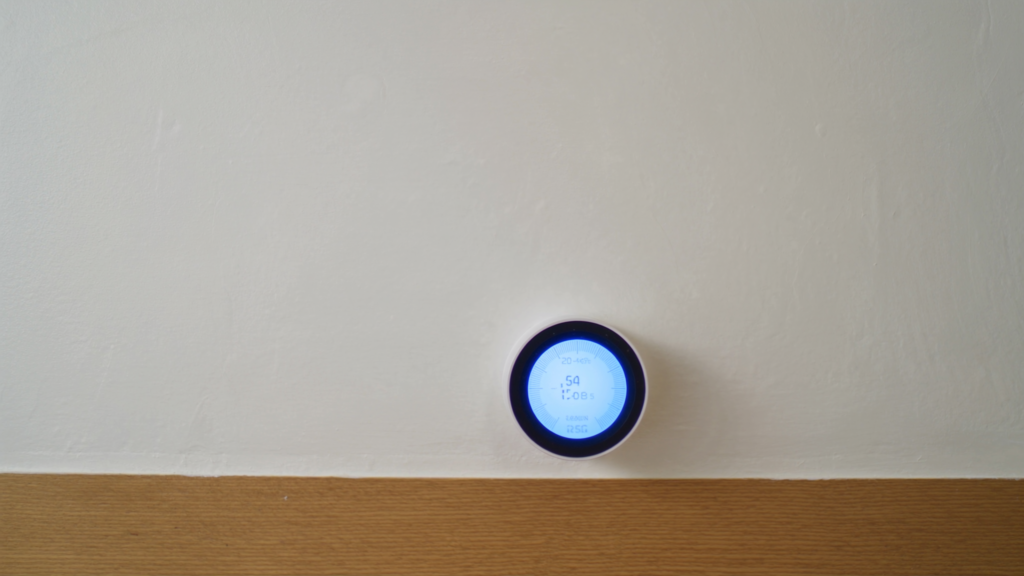
How to read your heat pump controller settings
Frequently Asked Questions
Around £80 to £180 extra per year in 2026, based on a 200-litre cylinder at 24.5p/kWh (Ofgem price cap). Actual cost depends on cylinder size and electricity tariff.
No, if you own your home and there are no vulnerable occupants. HSE L8 only requires it for commercial premises and rented homes with shared water systems. Check your warranty first.
Yes, in a private owner-occupied home with no vulnerable occupants. But disabling it may void the manufacturer warranty, so check MCS 010 requirements first.
60-65°C, held for at least one hour per cycle. This is set in MCS 010 standards for 2026.
Typically once per week, though some systems allow adjustment. The cycle duration is usually 1-2 hours depending on cylinder size.