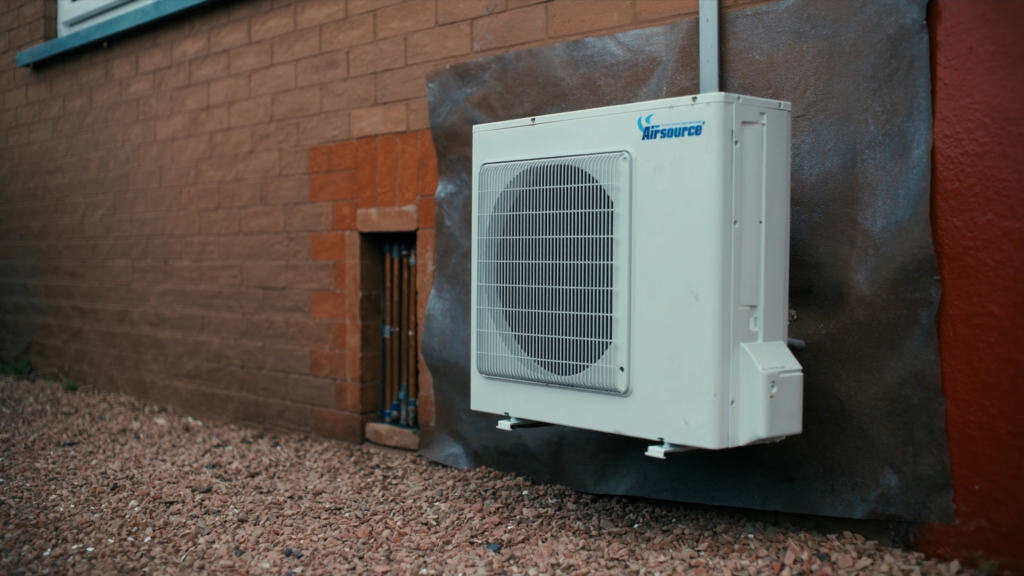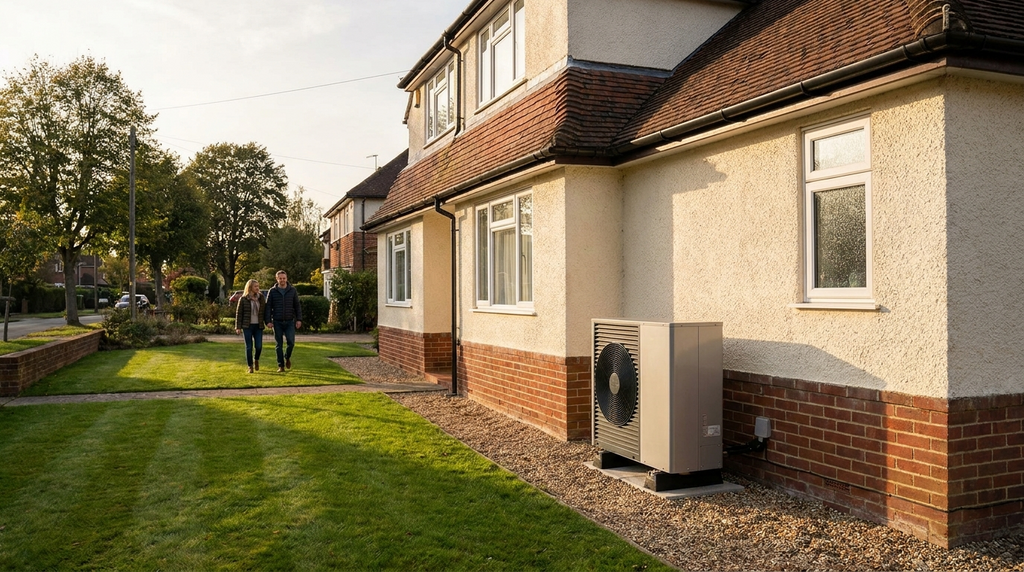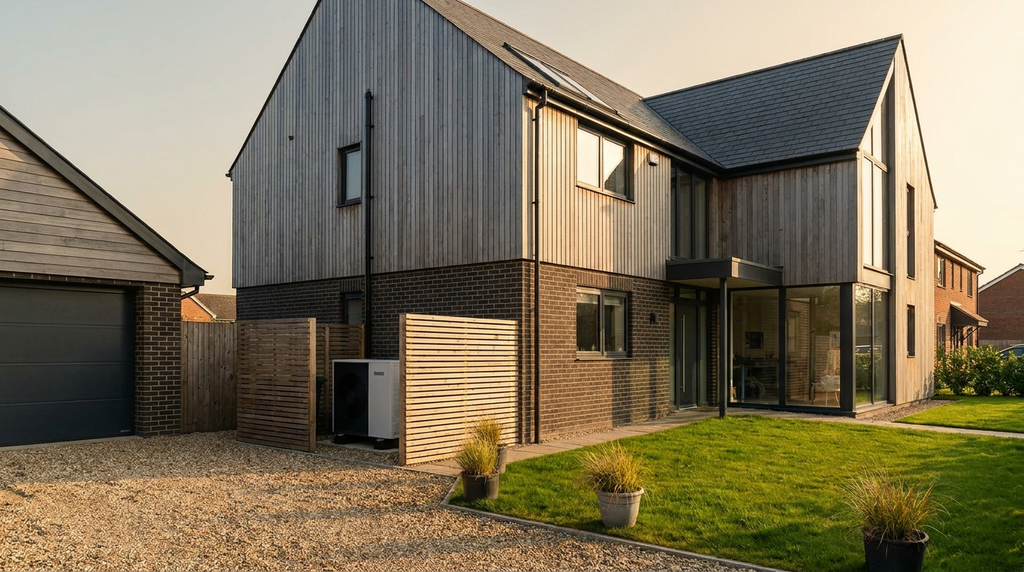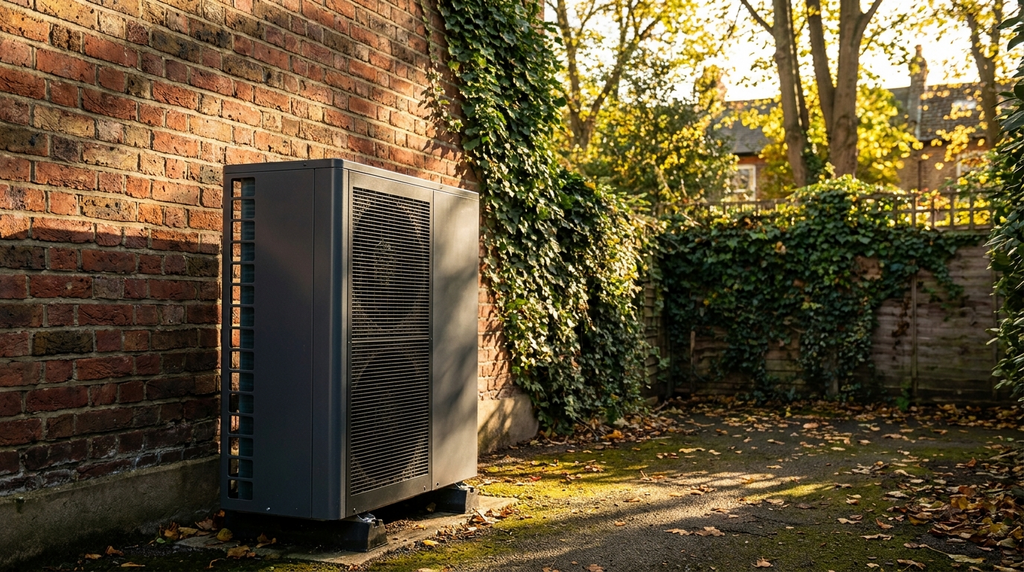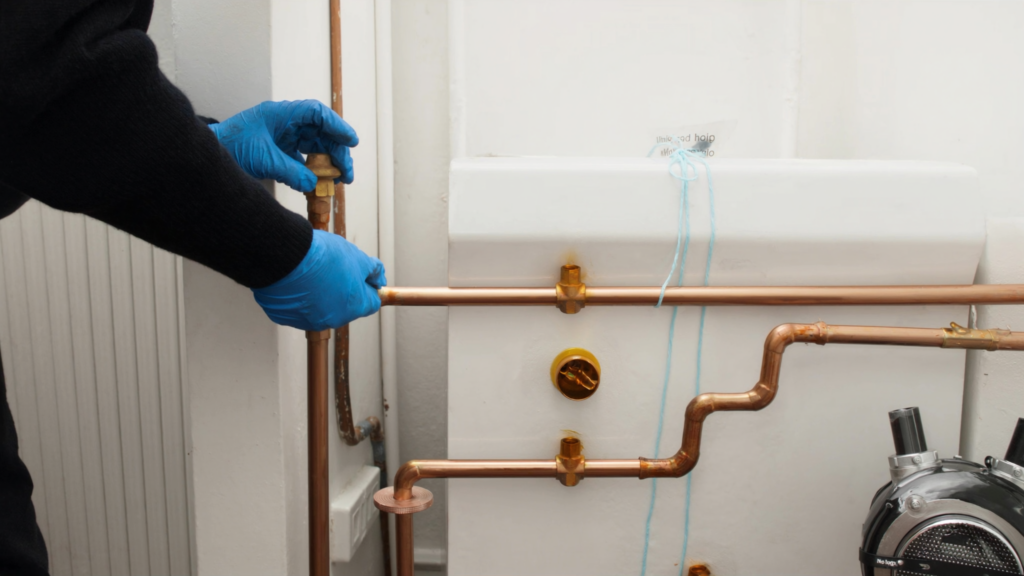
Yes, underfloor heating works exceptionally well with a heat pump in the UK, and it is the most efficient pairing available for most homes. Heat pumps operate most effectively at lower flow temperatures (35–45°C), which underfloor heating is built to use, unlike radiators which typically require 60–70°C. The Energy Saving Trust confirms that underfloor heating can improve a heat pump’s efficiency by up to 25% compared to standard radiators (Energy Saving Trust, 2026). This makes the combination a leading choice for reducing running costs and carbon emissions.
The key variable is the heat loss of your home. A well-insulated property allows the heat pump to run at the lowest possible flow temperature, maximising the efficiency gain from underfloor heating. In older, draughty homes, the system may need higher temperatures, reducing the advantage. The combination works best in new builds or renovated homes with good insulation. It is less suitable for homes with solid concrete floors that cannot be easily dug up, though retrofit systems using thin overlays or electric mats are available.
Lower flow temperatures boost heat pump efficiency
A heat pump’s Coefficient of Performance (COP) rises sharply as the required flow temperature drops. For example, a heat pump running at 35°C can achieve a COP of 3.5 or higher, meaning it delivers 3.5 kWh of heat for every 1 kWh of electricity. Underfloor heating typically operates at 30–40°C, which is ideal. Radiators, by contrast, need 55–65°C, which can cut the COP to around 2.5. The Energy Saving Trust states that for every 1°C reduction in flow temperature, a heat pump’s efficiency improves by roughly 2–3% (Energy Saving Trust, 2026). This is why underfloor heating is the natural partner for a heat pump.
Installation costs and grant eligibility
Installing underfloor heating alongside a heat pump costs between £2,500 and £5,500 for an average UK home, depending on the system type and floor area, according to industry estimates. This is on top of the heat pump installation, which typically ranges from £9,000 to £15,000. However, the Boiler Upgrade Scheme provides a grant of £7,500 towards a heat pump installation in England and Wales, which can offset some of the total cost (GOV.UK, 2026). The grant does not cover underfloor heating directly, but the overall system is more likely to meet the efficiency requirements for the scheme when paired with underfloor heating.
Retrofit options for existing homes
If you have an existing home, installing traditional underfloor heating involves lifting floorboards or digging up concrete, which can be disruptive and expensive. Retrofit systems such as thin-profile wet underfloor heating (often 10–20mm thick) or electric underfloor heating mats are less invasive. The Microgeneration Certification Scheme (MCS) recommends that any underfloor heating installed with a heat pump should be built to operate at a maximum flow temperature of 45°C to maintain good system efficiency (MCS, 2026). Electric underfloor heating can work with a heat pump, but it is generally less efficient than wet systems because it uses electricity directly rather than the heat pump’s heat distribution.
A worked example
A typical 1930s semi-detached house in the Midlands with 90m² of ground-floor underfloor heating would cost roughly £9,500 to install a 8kW air source heat pump and UFH system, but after the BUS grant of £7,500 you pay about £2,000 upfront if you are eligible. The Energy Saving Trust estimates that this home would save around £570 per year on heating bills compared to a gas boiler running radiators at 65°C. With 0% VAT on heat pumps until March 2027, the total upfront cost drops further. If the home has cavity wall insulation and 300mm loft insulation, the heat pump runs at 40°C flow temperature, achieving a COP of 3.5. Over 25 years, the total savings on energy bills reach roughly £14,250, meaning the system pays for itself multiple times over its lifetime.
| Item | Figure |
|---|---|
| Upfront cost after grants | £2,000 |
| Yearly savings | £570 |
| Payback period | 3.5 years |
| 25-year lifetime savings | £14,250 |
What homeowners often get wrong
The most common mistake is assuming underfloor heating and a heat pump work well in any home without checking insulation first. Three frequent errors can cost you thousands in wasted energy or missed grant funding.
- Skipping a proper heat loss survey Many homeowners buy a heat pump or UFH system based on room size alone, but the real need depends on your home’s heat loss in kWh. Without a proper survey from an MCS-certified installer, you risk oversizing the heat pump, which short-cycles and wastes up to £300 per year on electricity.
- Thinking all UFH is the same for heat pumps A common belief is that any underfloor system works efficiently with a heat pump, but screeded concrete floors with 200mm centres perform much better than thin overlay systems. Using the wrong UFH type can force the heat pump to run at 50°C instead of 35°C, dropping the COP from 3.5 to 2.5 and adding £400 to annual running costs.
- Ignoring ECO4 eligibility for insulation Many homeowners install a heat pump and UFH before upgrading insulation, missing the fact that ECO4 grants cover loft and cavity wall insulation for low-income households. Without proper insulation first, your heat pump struggles to heat the home, voiding the manufacturer’s warranty and increasing bills by up to 50%.
Quick reference
- A heat pump paired with underfloor heating achieves a COP of 3.0 to 4.0 in a well-insulated UK home, compared to 1.5 to 2.5 with radiators.
- The BUS grant offers £7,500 off an air source heat pump installation in England and Wales, but you must use an MCS-certified installer to qualify.
- Underfloor heating requires a flow temperature of 35–45°C, which is ideal for heat pumps and avoids the 60–70°C needed for radiators.
- A typical 1930s semi-detached house can save £570 per year on heating bills by switching from a gas boiler and radiators to a heat pump and UFH.
- Installing UFH in a solid concrete floor without digging it up requires a thin overlay system, which reduces efficiency and may void the heat pump warranty if not specified correctly.
Frequently Asked Questions
Yes, it works exceptionally well and is the most efficient pairing. The Energy Saving Trust confirms underfloor heating can improve a heat pump's efficiency by up to 25% compared to radiators.
Underfloor heating typically operates at 30–40°C, ideal for heat pumps. Ofgem notes that heat pumps achieve their highest efficiency at flow temperatures below 45°C.
Yes, it reduces running costs significantly. The Energy Saving Trust states that a heat pump with underfloor heating can deliver 3.5 kWh of heat per 1 kWh of electricity, lowering annual energy bills.