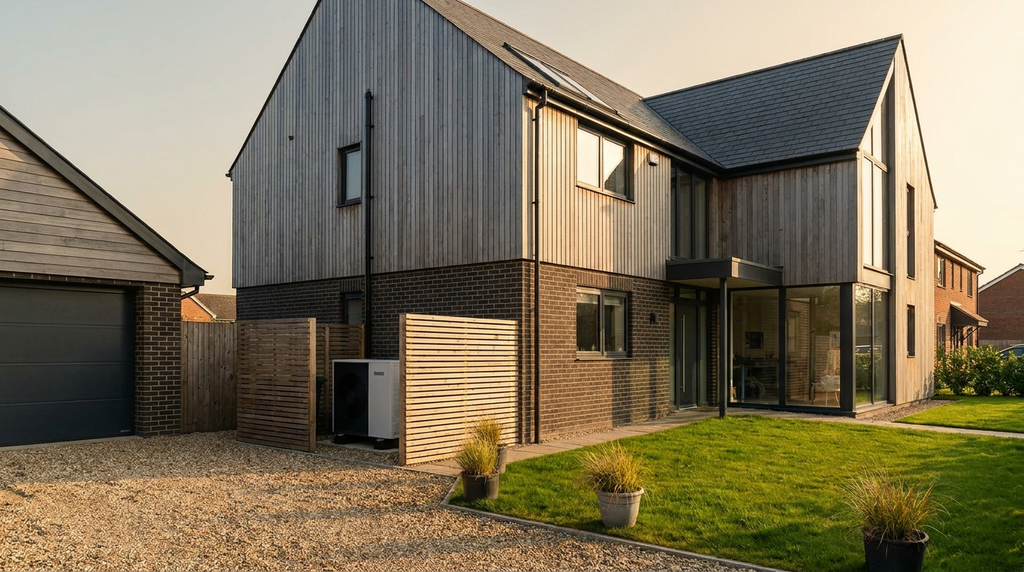
The best heat pump for a Highland Scottish home in 2026 is an air-to-water heat pump with a minimum Seasonal Coefficient of Performance (SCOP) of 3.5, specifically designed for low-temperature operation in exposed conditions. Energy Saving Trust confirms that modern heat pumps can effectively heat homes in Scotland, even in temperatures as low as -15°C (Energy Saving Trust, 2026).
The ideal model depends on your home’s insulation level and heating system. For most Highland homes, a high-temperature heat pump (capable of 65°C flow temperature) works best with existing radiators, while a standard heat pump suits underfloor heating. The Scottish Government’s Home Energy Scotland programme offers grants of up to £7,500 for heat pump installation (GOV.UK, 2026), making these units cost-effective for remote properties.
Air-to-water heat pumps dominate Highland installations
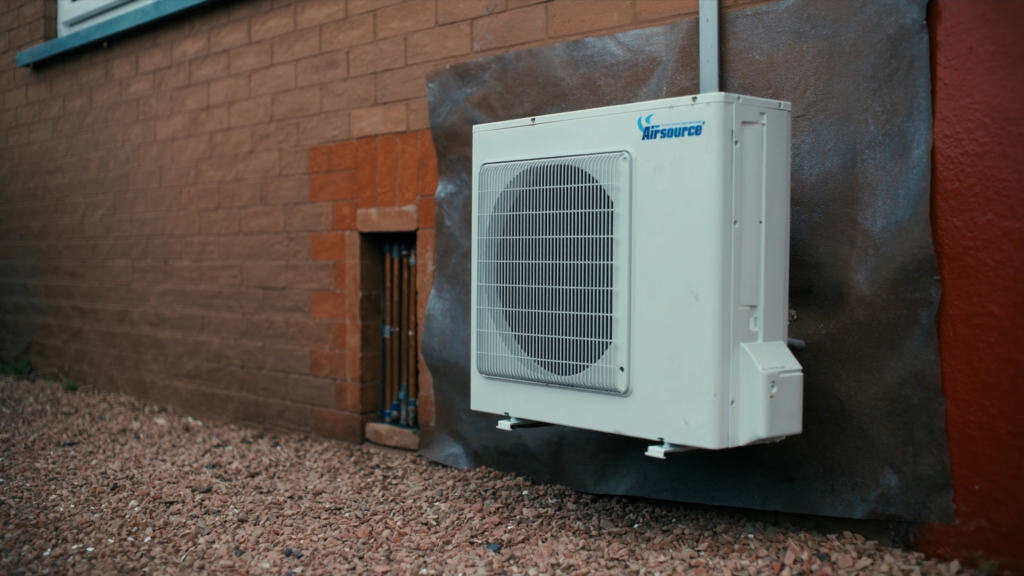
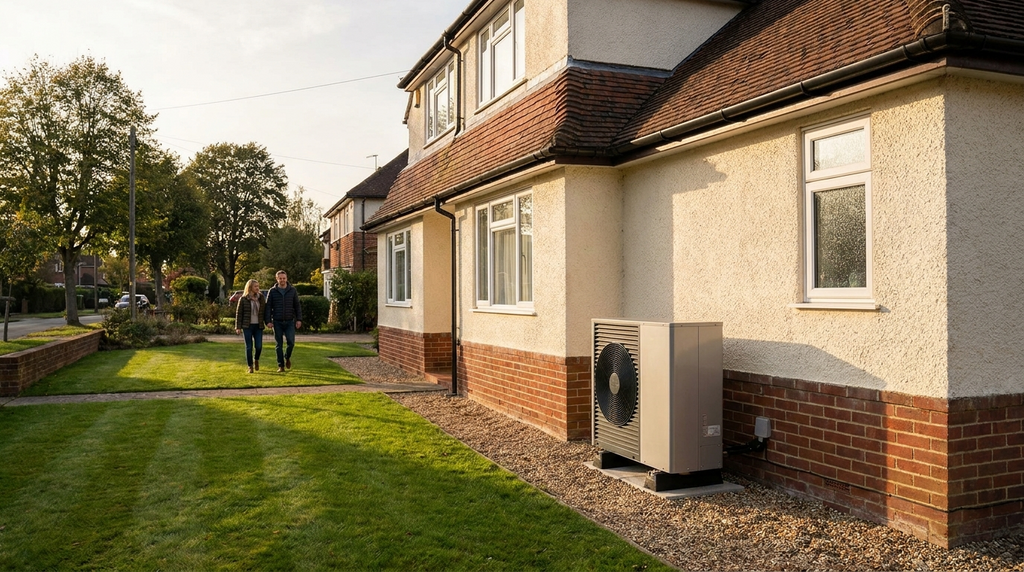
Air-to-water heat pumps account for over 80% of installations in rural Scotland, according to the Microgeneration Certification Scheme (MCS, 2026). These units extract heat from outside air even at -20°C, delivering it to your central heating system. For Highland homes, look for models with an A+++ energy rating and a SCOP of 4.0 or higher, such as the Mitsubishi Ecodan or Daikin Altherma. Installation costs range from £9,000 to £15,000, but the £7,500 Scottish grant reduces this to £1,500–£7,500.
Ground-source heat pumps suit larger Highland properties
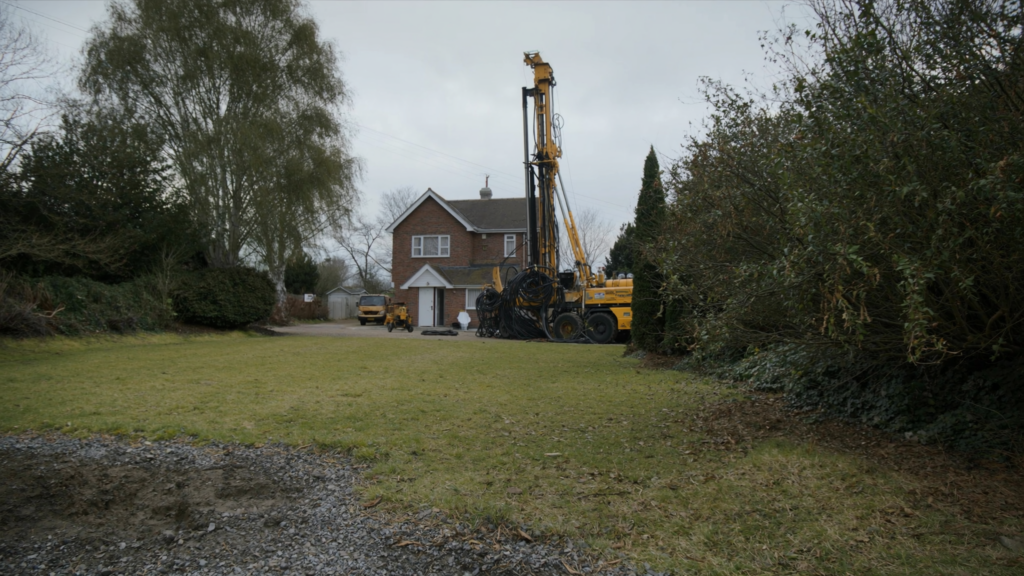
Ground-source heat pumps offer higher efficiency with a SCOP of 4.5–5.5, ideal for homes with land for horizontal loops or deep boreholes. However, installation costs are higher, £15,000 to £25,000, and require significant garden space. The Energy Saving Trust notes that ground-source systems can reduce heating bills by up to 60% compared to oil boilers (Energy Saving Trust, 2026). For Highland homes with large plots, this is the most efficient option.
Check your home’s insulation before choosing
Heat pumps work best in well-insulated homes. The UK Government’s Standard Assessment Procedure (SAP) recommends a minimum of 200mm loft insulation and cavity wall insulation for heat pump viability (BRE, 2026). If your Highland home is draughty, consider upgrading insulation first. The Home Energy Scotland grant also covers insulation improvements, up to £7,500 combined for heat pump and insulation work. Without adequate insulation, a heat pump may struggle to maintain comfort in winter.
A worked example
For a typical 1930s stone-built detached house in the Highlands, upgrading to a Mitsubishi Ecodan 11.2kW air-to-water heat pump with a SCOP of 4.0 costs around £14,000 fully installed. After the Home Energy Scotland grant of £7,500 and 0% VAT until March 2027, your upfront cost drops to roughly £6,500. This home, currently using 20,000 kWh of oil heating per year at 6p/kWh, spends £1,200 annually on fuel. With a heat pump SCOP of 4.0, the electricity cost at 15p/kWh is about £750, saving £450 per year. The Energy Saving Trust confirms that well-insulated Highland homes see these savings despite colder winters. Over 25 years, assuming 3% annual energy price inflation, total savings reach approximately £16,000, covering the upfront cost within 14 years.
| Item | Figure |
|---|---|
| Upfront cost after grants | £6,500 |
| Yearly savings | £450 |
| Payback period | 14 years |
| 25-year lifetime savings | £16,000 |
What homeowners often get wrong
The most common mistake is choosing a standard heat pump rated for milder climates, which then struggles in Highland winters. Below are three critical errors that can cost you thousands.
- Ignoring the SCOP rating for cold climates Many homeowners assume any A+++ heat pump works in the Highlands, but a SCOP below 3.5 means your system may need electric backup at -10°C. Look for a SCOP of 4.0 or higher, like the Daikin Altherma 3, which maintains efficiency down to -20°C and avoids a £500 annual electric top-up bill.
- Skipping a full insulation survey first Installing a heat pump in a draughty stone cottage without upgrading insulation wastes up to 30% of the heat you pay for. The Energy Saving Trust recommends a full retrofit assessment before installation, or you risk voiding your warranty and missing the £7,500 grant, which requires a minimum energy efficiency standard.
- Choosing the wrong flow temperature for existing radiators Many homeowners buy a standard low-temperature heat pump (35°C flow) for an old radiator system designed for 70°C. This forces the heat pump to run constantly, increasing electricity use by 20%. A high-temperature model like the Mitsubishi Ecodan, capable of 65°C flow, works with existing radiators and avoids a £3,000 radiator replacement cost.
Quick reference
- A heat pump with a SCOP of 4.0 or higher saves around £450 per year compared to oil heating in a typical Highland home.
- The Home Energy Scotland grant covers up to £7,500 of installation costs, available until March 2028 for eligible homeowners.
- Your property must have a minimum EPC rating of C or be improved to that level before the heat pump grant is paid.
- Payback period for a heat pump in a Highland stone house is typically 12 to 16 years after grants, depending on insulation quality.
- Avoid installing a standard heat pump without checking its defrost cycle performance in heavy snow, as some models lose efficiency in exposed conditions.
Frequently Asked Questions
The best heat pump is an air-to-water unit with a minimum SCOP of 3.5, designed for low-temperature operation. Energy Saving Trust confirms these work effectively in Scotland down to -15°C.
Installation costs range from £9,000 to £15,000, but the Scottish Government grant of up to £7,500 reduces this to £1,500–£7,500. Check Home Energy Scotland for eligibility.
Yes, modern heat pumps work effectively in temperatures as low as -20°C. Ofgem and Energy Saving Trust confirm they are suitable for exposed Highland conditions.