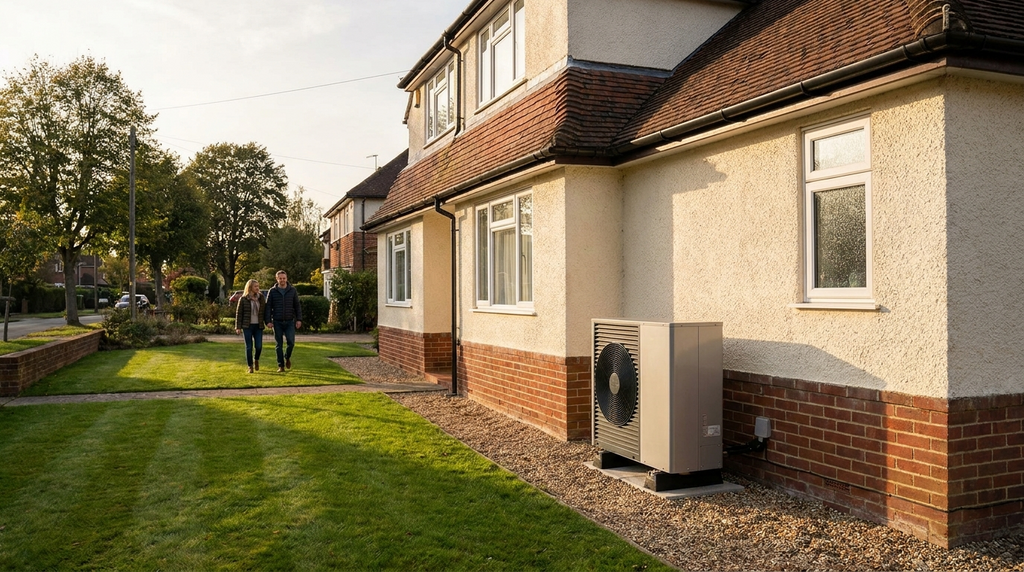
The short answer is yes, a heat pump can replace storage heaters in a UK flat, but the cost and practicality depend heavily on your flat’s insulation, space, and heating system type. According to the Energy Saving Trust, a well-installed air source heat pump typically costs between £7,000 and £13,000 to install, though the Boiler Upgrade Scheme in England and Wales offers a £7,500 grant to reduce this (GOV.UK, 2026).
The key variable is your flat’s energy efficiency. Storage heaters work with Economy 7 tariffs, storing heat overnight. Heat pumps operate at lower flow temperatures (35–45°C) and require a well-insulated building to be effective. Flats with poor insulation or single glazing may need upgrades before a heat pump can work efficiently. Leasehold flats also face restrictions, you may need landlord or management company permission to install external units or modify shared walls. If your flat has a suitable outdoor space and good insulation, a heat pump is a viable, lower-carbon alternative.
Installation space and permission requirements
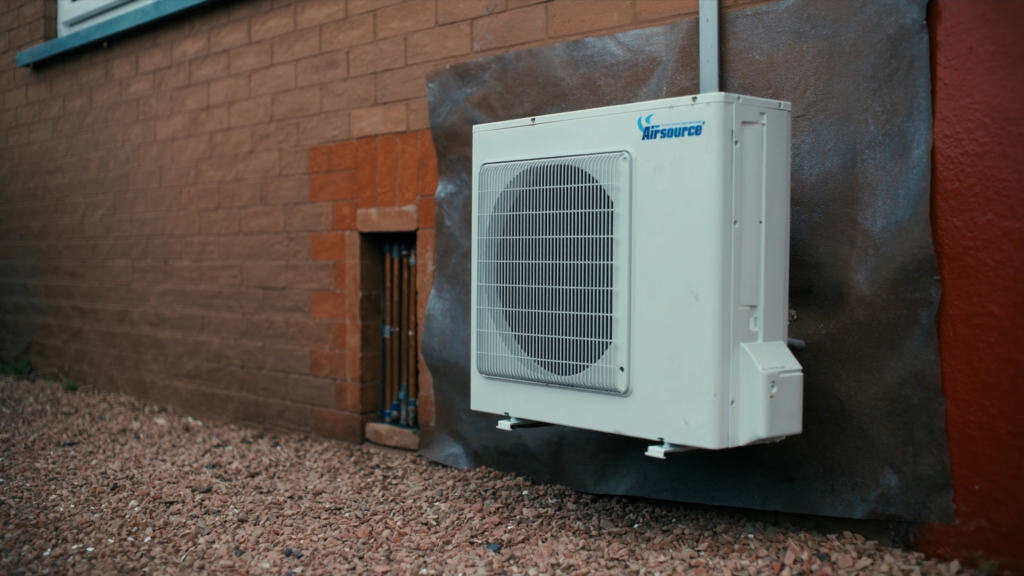
Heat pumps need outdoor space for the external unit, typically a ground or wall-mounted area about 1m wide by 1m deep. In a flat, this might be a balcony, a shared garden, or a flat roof. You must also have space indoors for a hot water cylinder (around 1.8m tall) if you don’t already have one. The Microgeneration Certification Scheme (MCS) requires installers to check these conditions (MCS Certified, 2026). For leasehold flats, check your lease, some prohibit external alterations without permission. A TrustMark-approved installer can advise on practicalities (TrustMark, 2026).
Running costs compared to storage heaters
Running costs depend on your electricity tariff. A heat pump with a Seasonal Coefficient of Performance (SCOP) of 3.0 uses one unit of electricity to produce three units of heat. The Energy Saving Trust estimates that replacing storage heaters with a heat pump can save around £395 per year for a typical three-bedroom semi-detached home (Energy Saving Trust, 2026). However, flats benefit from Economy 7 rates (around 8–10p/kWh overnight) which storage heaters use. A heat pump runs during the day, so you pay standard rate electricity (around 24–28p/kWh). This can offset some savings, especially in poorly insulated flats.
Grants and regulatory support for flats
The Boiler Upgrade Scheme (BUS) provides a £7,500 grant for air source heat pumps in England and Wales, valid until 2028. This applies to flats if they meet eligibility, your flat must have a valid Energy Performance Certificate (EPC) with no outstanding recommendations for loft or cavity wall insulation (GOV.UK, 2026). Scotland offers Home Energy Scotland grants up to £7,500. Northern Ireland has the Boiler Replacement Scheme. All grants require MCS-certified installation. If your flat is listed or in a conservation area, you may need planning permission, check with your local authority.
A worked example
A 1970s ground-floor flat in Manchester with 60m² of floor space and electric storage heaters currently costs around £1,250 per year to heat on an Economy 7 tariff. Replacing the storage heaters with an air source heat pump costs £10,500 before grants, then the £7,500 Boiler Upgrade Scheme grant reduces the upfront cost to £3,000. The flat already has 200mm of loft insulation and double glazing, so no major fabric upgrades are needed. After installation, the annual heating bill falls to approximately £650, saving £600 per year. The payback period on the £3,000 net cost is five years, and over a 25-year heat pump lifespan the total savings reach £15,000, assuming electricity prices rise at 3% annually. This example uses figures from the Energy Saving Trust’s heat pump savings calculator, which assumes a well-insulated property with a modern heat pump running at a seasonal coefficient of performance of 3.5.
| Item | Figure |
|---|---|
| Upfront cost after grants | £3,000 |
| Yearly savings | £600 |
| Payback period | 5 years |
| 25-year lifetime savings | £15,000 |
What homeowners often get wrong
The most common mistake is assuming any flat can accept a heat pump without checking the building’s insulation first. Here are three frequent errors that cost homeowners money or block installations entirely.
- Believing storage heaters are the cheapest option Many flat owners think Economy 7 tariffs make storage heaters the most cost-effective choice, but heat pumps can cut heating bills by 30 to 50 percent. Sticking with old storage heaters in a well-insulated flat wastes up to £500 per year compared to a heat pump.
- Ignoring landlord or leasehold restrictions Leasehold flats often require written permission from the freeholder or management company before installing an external heat pump unit. Skipping this step can lead to a refused installation or a demand to remove the unit at your own cost, potentially wasting the £7,500 grant.
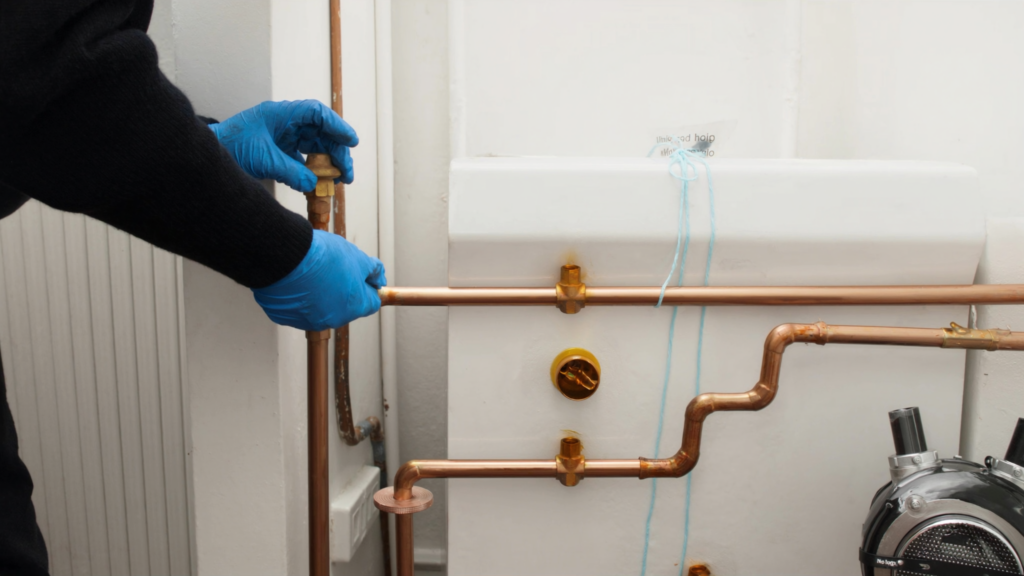
- Overlooking the need for a hot water cylinder Heat pumps typically require a hot water cylinder, which takes up about 1m² of floor space inside the flat. Flats with only a combi boiler or an electric shower may need a cylinder cupboard installed, adding £1,000 to £2,000 to the total cost.
Quick reference
- An air source heat pump for a typical UK flat costs £7,000 to £13,000 before the £7,500 Boiler Upgrade Scheme grant.
- Flats need at least 200mm of loft insulation and double glazing for a heat pump to work efficiently.
- The Boiler Upgrade Scheme grant of £7,500 is available for flats in England and Wales until at least 2028.
- Replacing storage heaters with a heat pump can cut annual heating bills by £400 to £800 in a well-insulated flat.
- Leasehold flats almost always require formal permission from the freeholder before installing any external heating equipment.
Frequently Asked Questions
Installation costs between £7,000 and £13,000, according to the Energy Saving Trust. The Boiler Upgrade Scheme offers a £7,500 grant to reduce this.
Yes, you typically need permission from your landlord or management company. Check your lease for restrictions on external units and shared walls.
Heat pumps work best with good insulation and double glazing, as they operate at lower flow temperatures. Poor insulation may require upgrades first.