Heat pumps move existing heat instead of creating it by burning fuel
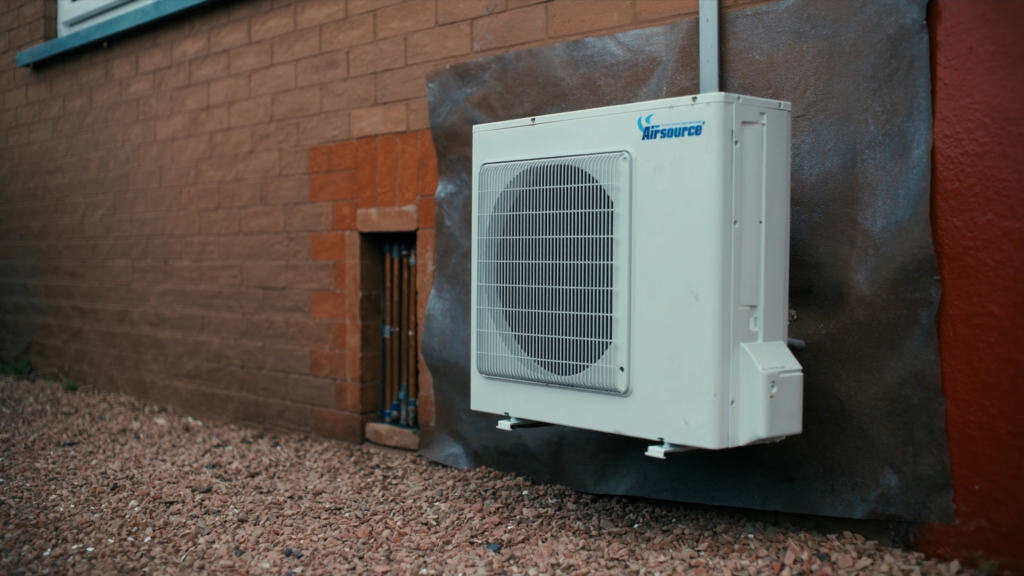
A heat pump does not generate heat by burning gas or oil. Instead, it transfers thermal energy that already exists in the outside air, the ground, or a water source into your home. A gas boiler burns natural gas to produce heat directly. A heat pump uses electricity only to run a compressor and a fan, not to generate heat itself.
A heat pump moves existing heat from outside air or ground into your home, using electricity only to run a compressor and fan. A CoP of 3.0 means 3 kWh of heat per 1 kWh of electricity. That makes it 2.5–4.5 times more efficient than a gas boiler.
- Heat pumps transfer existing heat, not create it by burning fuel.
- A CoP of 3.0 delivers 3 kWh of heat per 1 kWh electricity used.
- Air-source pumps achieve CoP between 2.5 and 3.5 (Energy Saving Trust).
- Four main components: evaporator, compressor, condenser, expansion valve.
- Heat pumps work best with lower flow temperatures (35–45°C).
- Heat pumps move existing heat instead of creating it by burning fuel
- The four main components of a heat pump system
- How the heat pump connects to your existing heating system
- Quick numbers, key performance figures for a typical UK heat pump
- Who qualifies for a heat pump grant and how to check eligibility
- How to verify your installer is certified for the grant
- The direct answer to "how do heat pumps work"
The key efficiency measure is the Coefficient of Performance (CoP). A CoP of 3.0 means for every 1 kWh of electricity the pump uses, it delivers 3 kWh of heat into your home. Energy Saving Trust data shows air-source heat pumps typically achieve a CoP between 2.5 and 3.5, while ground-source models can reach 3.0 to 4.5 (Energy Saving Trust, 2026). Even in cold UK winters, the outside air or ground contains enough heat energy for the pump to extract and move indoors.
The four main components of a heat pump system
A heat pump system has four core parts. The evaporator contains a liquid refrigerant that absorbs heat from the outside air, ground, or water. As the refrigerant absorbs heat, it turns into a gas. The compressor then squeezes this gas, raising its temperature significantly. The hot gas moves to the condenser, where it releases its heat into your home’s central heating system and hot water cylinder. As the gas cools, it condenses back into a liquid. The expansion valve then reduces the pressure of the liquid, cooling it further before it returns to the evaporator to repeat the cycle.
This refrigerant cycle is a sealed loop and requires no refuelling. The condenser transfers the captured heat to your radiators or underfloor heating and your hot water cylinder.
How the heat pump connects to your existing heating system
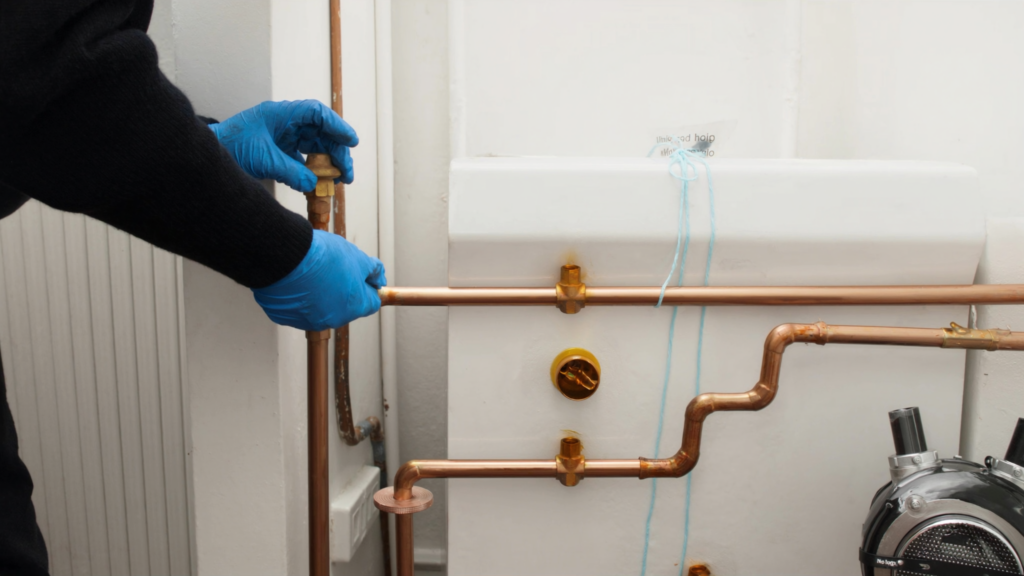
A heat pump works with a wet central heating system that uses radiators or underfloor heating, plus a hot water cylinder. Because heat pumps operate at lower flow temperatures (typically 35–45°C) compared to gas boilers (60–70°C), your existing radiators may need to be larger to deliver the same amount of heat. Underfloor heating is particularly well-suited because it operates at even lower temperatures. MCS installation standards recommend checking radiator sizing during a site survey (MCS, 2026).
Air-source heat pumps may require a buffer tank or thermal store to manage defrost cycles, according to the Heat Pump Association’s System Design Guide (Heat Pump Association, 2026). The system can connect to existing pipework, but you will almost certainly need a new hot water cylinder designed for the lower flow temperatures a heat pump produces.
Quick numbers, key performance figures for a typical UK heat pump
| Metric | Typical value | Source |
|---|---|---|
| CoP range (air-source) | 2.5 – 3.5 | Energy Saving Trust, 2026 |
| CoP range (ground-source) | 3.0 – 4.5 | Energy Saving Trust, 2026 |
| Flow temperature range | 35 – 45°C | MCS Standards, 2026 |
| Annual electricity consumption (3-bed semi, 100m²) | 4,000 – 5,500 kWh | DESNZ Heat Pump Ready, 2026 |
| Annual CO₂ saving vs gas boiler (tonnes) | 1.5 – 2.5 tonnes | DESNZ Heat Pump Ready, 2026 |
These figures are for a typical 3-bed semi-detached home of about 100m². Actual performance varies with house insulation, outside temperature, and the specific heat pump model.
Who qualifies for a heat pump grant and how to check eligibility
The Boiler Upgrade Scheme offers a grant of £7,500 for both air-source and ground-source heat pumps installed in England and Wales. This grant is available until 2028 (GOV.UK, Boiler Upgrade Scheme, 2026). To qualify, your property must have a valid Energy Performance Certificate (EPC) with no outstanding recommendations for loft or cavity-wall insulation. You must use an MCS-certified installer, and your home must have a suitable hot water cylinder.
The grant is deducted from the installer’s quote, not paid directly to you. Before contacting installers, check your EPC online via the GOV.UK EPC register. If your EPC shows insulation recommendations that are not completed, you may need to address those first.
How to verify your installer is certified for the grant
Your installer must be MCS-certified for the specific type of heat pump you are installing (air-source or ground-source). The MCS certification ensures the installer meets technical standards. The installer must also be registered with TrustMark for consumer protection.
To verify certification, visit the MCS find-an-installer tool, enter your postcode, and check that the installer’s certification is current and covers heat pumps. Using an uncertified installer will void the Boiler Upgrade Scheme grant, so this step is essential.
The direct answer to “how do heat pumps work“
A heat pump works by using electricity to compress a refrigerant, which absorbs heat from outside air, ground, or water, then releases that heat inside your home. This process is reversed for cooling. It does not burn fuel, so it produces no on-site carbon emissions and can deliver three to four times more heat energy than the electricity it uses.
Compare heat pump running costs vs gas boiler Guide to heat pump maintenance and servicing
Frequently Asked Questions
Yes, heat pumps work in cold UK winters. The outside air or ground still contains enough heat energy for the pump to extract and move indoors. Energy Saving Trust data confirms air-source models maintain a CoP of 2.5 to 3.5 even in low temperatures.
Heat pumps are 2.5 to 4.5 times more efficient than gas boilers. A heat pump with a CoP of 3.0 delivers 3 kWh of heat per 1 kWh of electricity, while a gas boiler typically achieves 85-90% efficiency. Energy Saving Trust states this makes heat pumps a low-carbon option.
The Coefficient of Performance (CoP) measures heat pump efficiency. Air-source models typically achieve a CoP between 2.5 and 3.5, and ground-source models reach 3.0 to 4.5, according to Energy Saving Trust data. A CoP of 3.0 means 3 kWh of heat per 1 kWh of electricity.
Yes, a heat pump can work with existing radiators, but they may need upgrading. Because heat pumps operate at lower flow temperatures (35–45°C) than gas boilers (60–70°C), larger or more efficient radiators are often required to distribute heat effectively.
A heat pump connects to a hot water cylinder via the condenser, which transfers captured heat to the cylinder. The system works with a wet central heating setup that includes radiators or underfloor heating and a hot water cylinder for domestic use.