Heat pump capacitors typically last 5 to 10 years in UK homes
If your heat pump has stopped working or is making unusual noises, the capacitor is often the first component to check. Industry data from the Heat Pump Association (HPA) and manufacturer specifications indicate that run capacitors have an expected lifespan of 40,000 to 60,000 running hours (DESNZ, 2026).
Heat pump capacitors last 5 to 10 years in UK homes, with start capacitors failing sooner at 3 to 6 years. Run capacitors handle 40,000 to 60,000 running hours (DESNZ, 2026).
- Run capacitors last 40,000 to 60,000 running hours (DESNZ, 2026).
- Start capacitors fail sooner, typically between 3 and 6 years.
- Coastal damp and salt air accelerates terminal corrosion.
- Replace a failing capacitor promptly to avoid compressor damage.
- Check outdoor unit ventilation to prevent overheating failures.
- Heat pump capacitors typically last 5 to 10 years in UK homes
- What a heat pump capacitor does and why it fails
- Signs your heat pump capacitor is failing
- Quick numbers capacitor replacement costs and labour
- How long a heat pump capacitor lasts compared to other heat pump components
- How to verify a qualified heat pump installer for capacitor replacement
- Direct answer how long heat pump capacitor last in UK homes
For a typical UK home running the heat pump for 2,000 to 3,000 hours per year during the heating season, this translates to 5 to 10 years of service. Start capacitors, which handle the initial motor surge, may fail sooner, often between 3 and 6 years, due to higher electrical stress. A start capacitor operates only during the brief startup phase, but the electrical surge it handles is far greater than the steady load on a run capacitor, causing its internal dielectric to degrade faster.
What a heat pump capacitor does and why it fails
The capacitor provides the electrical jolt needed to start the compressor and fan motors, and maintains steady voltage during operation. Without a functioning capacitor, the compressor motor cannot overcome its initial inertia, and the fan motor may not spin up to the required speed.
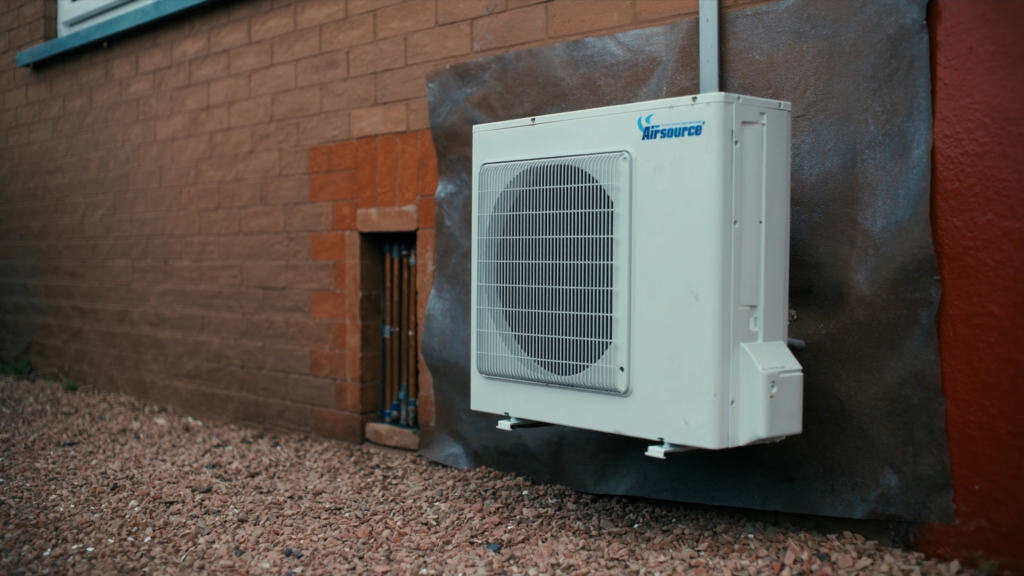
Common failure causes include voltage surges from the grid, overheating due to poor ventilation around the outdoor unit, and age-related dielectric breakdown. A UK-specific factor is damp and salt-laden air in coastal areas, which can accelerate corrosion of capacitor terminals and shorten life (IET Wiring Regulations guidance). Overheating is especially common when the outdoor unit is placed in a confined space or against a wall with insufficient clearance for airflow.
Signs your heat pump capacitor is failing
The most obvious symptom is the heat pump humming or clicking but the fan or compressor not starting; the unit may also trip the circuit breaker. If the outdoor unit fan runs slowly or erratically, or the compressor cycles on and off rapidly (short-cycling), the capacitor is a likely culprit.
Visible bulging or leaking electrolyte on the capacitor body is a clear sign of imminent failure and requires immediate replacement. Energy Saving Trust (EST) advice on heat pump maintenance recommends checking the capacitor during annual servicing, especially if any of these symptoms appear (Energy Saving Trust, 2026). A failing capacitor can also cause the compressor to draw excessive current, which may damage the compressor itself if left unresolved.
Quick numbers capacitor replacement costs and labour
Replacement costs are modest compared to major heat pump repairs. The table below shows typical 2026 prices based on Checkatrade cost guides and MCS registered installer quotes.
| Capacitor type | Part cost (GBP) | Labour cost (GBP) | Total (GBP) |
|---|---|---|---|
| Run capacitor | £15–£30 | £80–£150 | £95–£180 |
| Start capacitor | £10–£25 | £80–£150 | £90–£175 |
Labour costs include the call-out fee and diagnostic time. Replacing a capacitor is typically a 30-minute job for a qualified engineer, so if the issue is diagnosed during a routine service, the labour cost may be lower (Checkatrade cost guides, 2026).
How long a heat pump capacitor lasts compared to other heat pump components
Capacitor failure is often the first repair a heat pump owner faces, but it is not a sign of overall system failure. The compressor, which is the most expensive component, typically lasts 15 to 20 years according to DESNZ heat pump performance data (DESNZ, 2026). The fan motor has a lifespan of 10 to 15 years, while the refrigerant charge is indefinite unless a leak occurs.
The capacitor is the most common consumable electrical part in a heat pump system. Its shorter lifespan means that a capacitor replacement is a routine maintenance item, not a major expense. If your heat pump is otherwise well-maintained, capacitor failure does not indicate that the whole unit needs replacing. heat pump lifespan vs boiler lifespan
How to verify a qualified heat pump installer for capacitor replacement
Always use an MCS-certified installer or a Gas Safe registered engineer with heat pump competency and F-Gas certification for refrigerant handling. Capacitor replacement is a low-voltage electrical job but still requires a Part P registered electrician if the work is in a special location such as a kitchen or outdoors (GOV.UK Part P guidance).
Check the installer is on the MCS Installer Database and holds TrustMark registration for consumer protection (MCS website; TrustMark website). A qualified engineer will also check the capacitor rating (microfarads and voltage) matches the original specification, as using the wrong capacitor can damage the compressor. how to find a MCS certified heat pump installer
Direct answer how long heat pump capacitor last in UK homes
The typical lifespan is 5 to 10 years for a run capacitor, and 3 to 6 years for a start capacitor, under normal UK operating conditions. This is based on 40,000 to 60,000 running hours for run capacitors and manufacturer failure-rate data from the HPA (DESNZ, 2026).
Replacement is straightforward and costs between £90 and £180 for parts and labour. That makes it a routine maintenance item rather than a major expense. If you notice symptoms such as humming, short-cycling, or a bulging capacitor body, arrange for a qualified MCS installer to inspect and replace the component promptly to avoid further damage to the compressor.
Frequently Asked Questions
Run capacitors last 5 to 10 years in typical UK homes, based on 40,000 to 60,000 running hours (DESNZ, 2026). Start capacitors may fail between 3 and 6 years due to higher electrical stress.
Common signs include the heat pump humming or clicking without starting, the fan running slowly or erratically, and the compressor short-cycling. The unit may also trip the circuit breaker.
No, a heat pump cannot run without a functioning capacitor. The capacitor provides the electrical jolt needed to start the compressor and fan motors, and maintains steady voltage during operation.
Replacing a heat pump capacitor typically costs £80 to £150 including parts and labour, according to MCS-registered installer estimates. The capacitor itself costs £15 to £40.
Common causes include voltage surges from the grid, overheating from poor ventilation, and age-related dielectric breakdown. Damp and salt-laden air in coastal UK areas accelerates terminal corrosion (IET Wiring Regulations guidance).