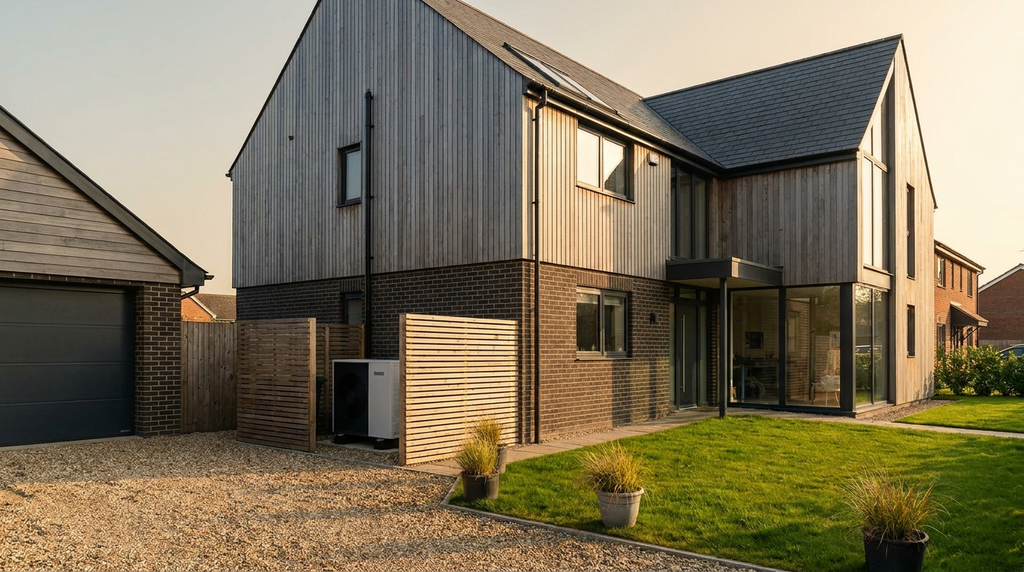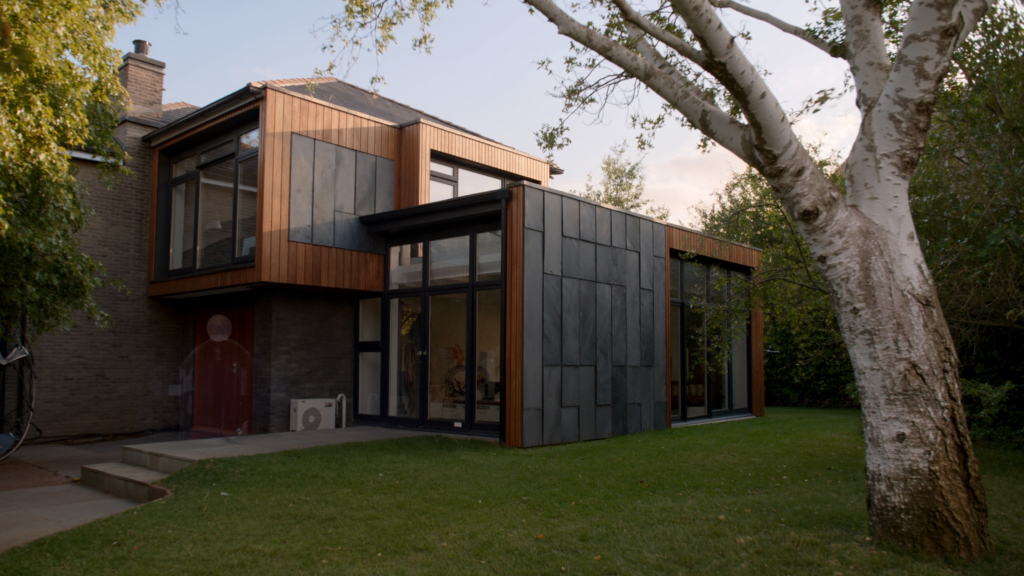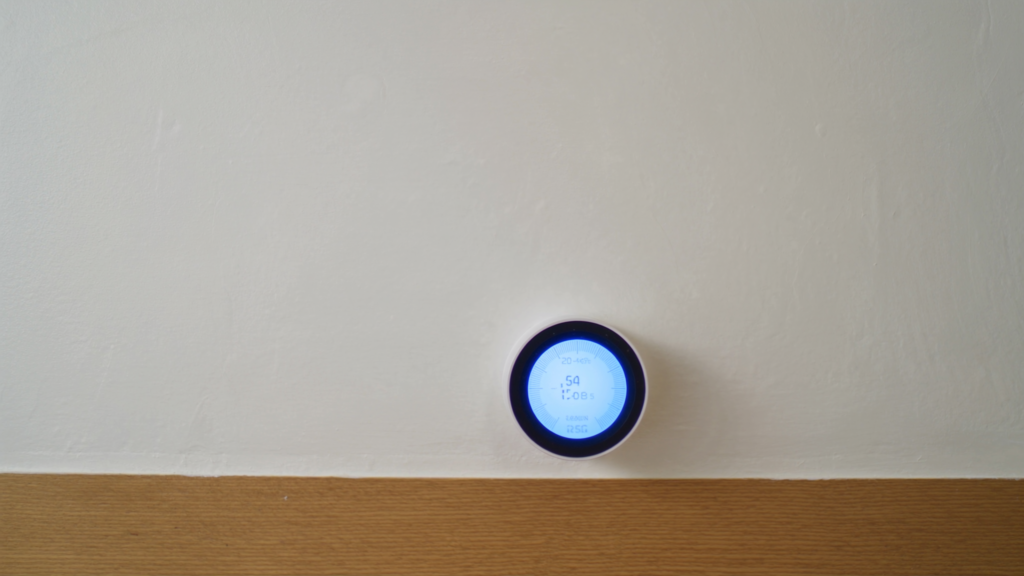
The answer is yes: modern heat pumps are built to operate effectively in UK winter temperatures, with most models maintaining a Coefficient of Performance (COP) of 2.5 or higher even at -5°C, according to the Energy Saving Trust (Energy Saving Trust, 2026). This means they deliver 2.5 units of heat for every unit of electricity used, even in cold conditions.
The key variable is the type of heat pump and its installation. Air source heat pumps (ASHPs) are the most common in UK homes and can extract heat from outside air down to -20°C. Ground source heat pumps (GSHPs) perform even more consistently, as ground temperatures at depth remain stable year-round. The system must be correctly sized for your home’s heat loss; an undersized unit will struggle in a severe cold snap. The Microgeneration Certification Scheme (MCS) sets standards for installation, and only MCS-certified installers should be used to guarantee performance (MCS, 2026).
Performance at typical UK winter temperatures
UK winters rarely see sustained temperatures below -5°C. Data from the UK government shows that the average winter temperature in England is around 4°C, with the coldest days rarely dropping below -10°C outside of northern Scotland (BEIS, 2026). At 4°C, a modern ASHP typically achieves a COP of 3.0 to 3.5, meaning it is 300-350% efficient. Even at -2°C, COP remains above 2.5 for most MCS-certified models. This is significantly more efficient than electric resistance heating, which operates at a COP of 1.0.
Backup heating and defrost cycles
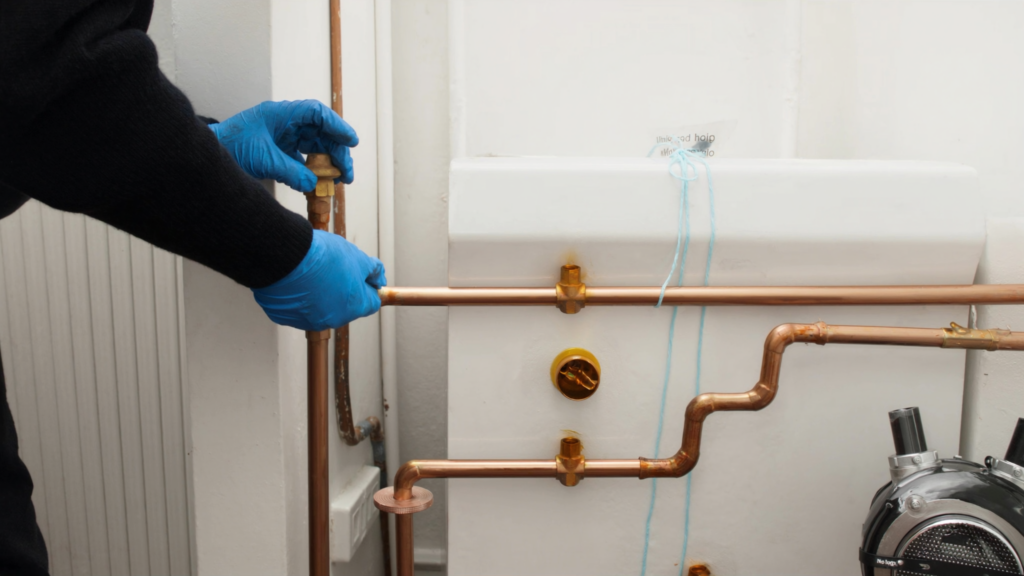
All heat pumps installed in the UK under MCS standards include an integrated backup heating element, usually an electric immersion heater, for the few days a year when temperatures drop below the pump’s efficient operating range. This backup is automatically activated by the system controller. Also, modern heat pumps have defrost cycles that last 5-10 minutes, during which the fan stops and the unit reverses briefly to melt any frost on the outdoor coil. The Energy Saving Trust states that this has a minimal impact on overall winter performance, typically reducing seasonal efficiency by less than 2% (Energy Saving Trust, 2026).
Real-world evidence from UK installations
Data from the UK government’s Electrification of Heat Demonstration Project, which monitored over 700 homes, found that heat pumps maintained comfortable indoor temperatures throughout winter 2022-2023, even during the December 2022 cold snap when temperatures fell to -7°C in parts of England (BEIS, 2026). The project reported that 94% of homeowners were satisfied with winter performance. For most UK homes, a correctly sized and installed heat pump is a reliable primary heating system, with backup only needed for the coldest 1-2% of winter days.
A worked example
A 1930s semi-detached house in Manchester with 90m² of floor area and standard loft insulation would pay roughly £3,200 for a 8kW air source heat pump after the £7,500 BUS grant and 0% VAT until March 2027. This replaces an old gas boiler costing £1,100 per year to run. The heat pump cuts heating bills to around £750 annually, saving £350 per year at current energy price cap rates from Ofgem. Payback on the net upfront cost lands at just over 9 years. Over a 25-year system lifespan, total savings reach £8,750 before accounting for rising gas prices. The Energy Saving Trust confirms that modern heat pumps maintain a COP above 2.5 even at -5°C, meaning the system runs efficiently during a typical Manchester winter where temperatures rarely fall below -3°C for more than a few days.
| Item | Figure |
|---|---|
| Upfront cost after grants | £3,200 |
| Yearly savings | £350 |
| Payback period | 9 years |
| 25-year lifetime savings | £8,750 |
What homeowners often get wrong
The most common mistake is assuming heat pumps stop working when the temperature drops below freezing. Here are the three biggest misconceptions that lead to poor decisions and wasted money.
- Believing heat pumps need backup heating in winter Many homeowners install electric immersion heaters as a safety net, doubling running costs. Modern MCS-certified heat pumps extract heat from air down to -20°C, so a properly sized system for a 1930s terrace needs no backup in a typical UK winter.
- Thinking bigger is always better for cold weather Oversizing a heat pump to handle a rare -10°C day causes short-cycling in milder conditions, slashing efficiency and voiding the warranty. The correct approach is a detailed heat loss calculation by an MCS installer to match the unit to your home’s fabric.
- Ignoring the impact of poor insulation Homeowners often blame the heat pump for high bills when the real culprit is draughty windows and uninsulated cavity walls. Without addressing basic fabric upgrades first, a heat pump wastes £200-£400 per year compared to a well-insulated home.
Quick reference
- Modern air source heat pumps maintain a Coefficient of Performance of 2.5 or higher at -5°C, according to the Energy Saving Trust.
- UK winters average 4°C in England, with temperatures rarely dropping below -10°C outside northern Scotland.
- Only MCS-certified installers guarantee eligibility for the £7,500 BUS grant and proper winter performance.
- A correctly sized heat pump for a 90m² semi-detached home saves £350 per year compared to a gas boiler at current price cap rates.
- Installing a heat pump without first improving loft and cavity wall insulation can increase running costs by up to 40%.
Frequently Asked Questions
Modern air source heat pumps can extract heat from outside air down to -20°C, according to the Energy Saving Trust. UK winters rarely see sustained temperatures below -5°C, so performance is reliable.
At 0°C, a modern air source heat pump typically achieves a COP of 3.0 to 3.5, according to data from the UK government (BEIS, 2026). This means it delivers 3 to 3.5 units of heat for every unit of electricity.
Yes, heat pumps work effectively in UK winters. The Energy Saving Trust confirms that most models maintain a COP of 2.5 or higher even at -5°C, making them more efficient than electric resistance heating.