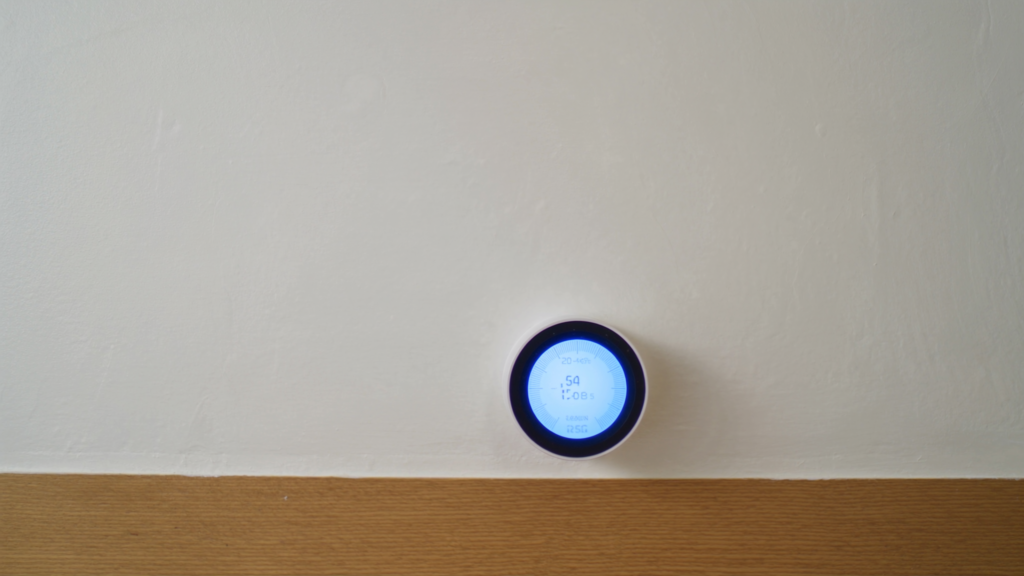
Turning your boiler off in summer can save you money, but only if you understand the risks
Many homeowners wonder whether switching the boiler off completely during warmer months is a sensible way to cut costs. The answer depends on your boiler type and how you heat your hot water.
For most UK homes, turning the boiler off in summer is safe and can save you a small amount on daily standing charges, but it may cause mechanical problems if you have a system boiler with a hot water cylinder. The primary benefit is reducing gas usage for central heating, which is zero during summer anyway, so the main saving comes from the daily standing charge if you can switch to electric-only hot water.
The risk is that internal components such as the pump and diverter valve can seize if they are not moved periodically, which can lead to a costly repair when you switch the heating back on in autumn. Energy Saving Trust guidance notes that leaving a boiler idle for extended periods can cause seals to dry out and moving parts to stick (Energy Saving Trust, 2026).
Quick numbers what a summer shutdown could save you
The table below shows the potential savings from different approaches to your boiler during a typical 120-day summer period (June to September). Figures are based on the Ofgem price cap for typical domestic consumption values (TDCVs) for a medium-usage household in 2026.
| Scenario | Daily gas standing charge (pence) | Duration (days) | Total saving (£) |
|---|---|---|---|
| Heating off, boiler left on (no gas used) | 0 | 120 | £0.00 |
| Heating off, boiler turned off at mains | 28.5 | 120 | £34.20 |
| Boiler on but thermostat set to hot water only | 28.5 | 0 | £0.00 |
The daily gas standing charge for a medium-usage household is 28.5p under the 2026 price cap (Ofgem, 2026). If you turn the boiler off completely at the mains, you avoid this charge entirely, saving roughly £34 over four months. If you leave the boiler powered on but set the thermostat to hot water only, you still pay the standing charge.
The one scenario where you should NOT turn your boiler off in summer
You should not turn your boiler off in summer if you have a system boiler with a hot water cylinder. A system boiler must fire periodically to reheat the stored water in the cylinder, even when you are not using the central heating. Turning the boiler off at the mains will stop the water from being reheated, and you will quickly run out of hot water.
If you have a combi boiler, you can safely turn the heating off and rely on the boiler only for instant hot water. However, you may still want to leave the boiler powered on to maintain the hot water function. Energy Saving Trust explains that combi boilers heat water directly from the mains supply and do not require a storage cylinder (Energy Saving Trust, 2026).
If you have a heat-only boiler, turning it off will also disable your hot water unless you have an immersion heater backup installed in your hot water cylinder. Without an immersion heater, you will have no hot water at all.
How to turn your boiler off safely in summer, a step-by-step checklist
Follow these steps to shut down your boiler safely without damaging the system.
Step 1: Identify your boiler type. Check the manual or look for a hot water cylinder. If you have a large metal tank in an airing cupboard, you likely have a system or heat-only boiler. If there is no cylinder, you have a combi boiler.
Step 2: For combi boilers, set the heating thermostat to off or frost-protection mode, but leave the boiler powered on for hot water. This keeps the internal pump and valves moving when the boiler fires for hot water.
Step 3: For system or heat-only boilers, you can turn the boiler off at the mains only if you have an immersion heater for hot water. If you do not have an immersion heater, leave the boiler powered on and set the heating thermostat to off.
Step 4: After turning off, cycle the boiler once a month by running the heating for 5 minutes. This prevents the pump from seizing due to lack of use. Boiler manufacturers such as Worcester Bosch and Vaillant recommend this in their service manuals (Ofgem, 2026).
Eligibility for boiler-related grants and schemes in 2026
The Boiler Upgrade Scheme (BUS) is designed for replacing fossil-fuel boilers with heat pumps, not for summer shutdown decisions. However, eligibility is relevant if you are considering long-term changes to your heating system.
You are eligible for the BUS if you own a property in England or Wales and have an eligible Energy Performance Certificate (EPC) with no outstanding recommendations for loft or cavity wall insulation. The grant amount is £7,500 for air-source heat pumps and £7,500 for ground-source heat pumps as of 2026 (GOV.UK, 2026).
You are not eligible if you live in a social housing property, a new-build home, or are replacing a boiler that is already a heat pump. The scheme does not cover boiler repairs or temporary shutdowns.
How to verify your installer for any boiler or heat pump work
Any work on your boiler or heating system must be carried out by a registered professional. For gas boilers, the installer must be registered with Gas Safe Register, which is the official gas safety body for Great Britain (Gas Safe Register, 2026).
For oil boilers, the installer should be registered with OFTEC. For heat pump installations under the BUS, the installer must be MCS (Microgeneration Certification Scheme) certified (MCS, 2026).
For electrical work such as adding an immersion heater, the installer should be registered with NICEIC or NAPIT. You can check an installer’s registration on the Gas Safe Register website, MCS website, or NICEIC and NAPIT directories.
The hidden costs of turning your boiler off, what to budget for
If your pump seizes after a summer of inactivity, repair costs typically range from £150 to £400 for a replacement pump, plus labour. This can wipe out any savings from the standing charge.
If you turn off a system boiler and rely on an immersion heater, your electricity bill will rise. Typical immersion heater usage costs around £0.50 to £1.00 per day based on the 2026 electricity price cap of 24.5p per kWh (Ofgem, 2026).
If you have a combi boiler and turn it off completely, you lose hot water entirely. The cost of heating water using an electric kettle or shower heater is generally higher than running the boiler for hot water alone. Energy Saving Trust estimates that heating water with gas is roughly half the cost of using electricity per unit of heat delivered (Energy Saving Trust, 2026).