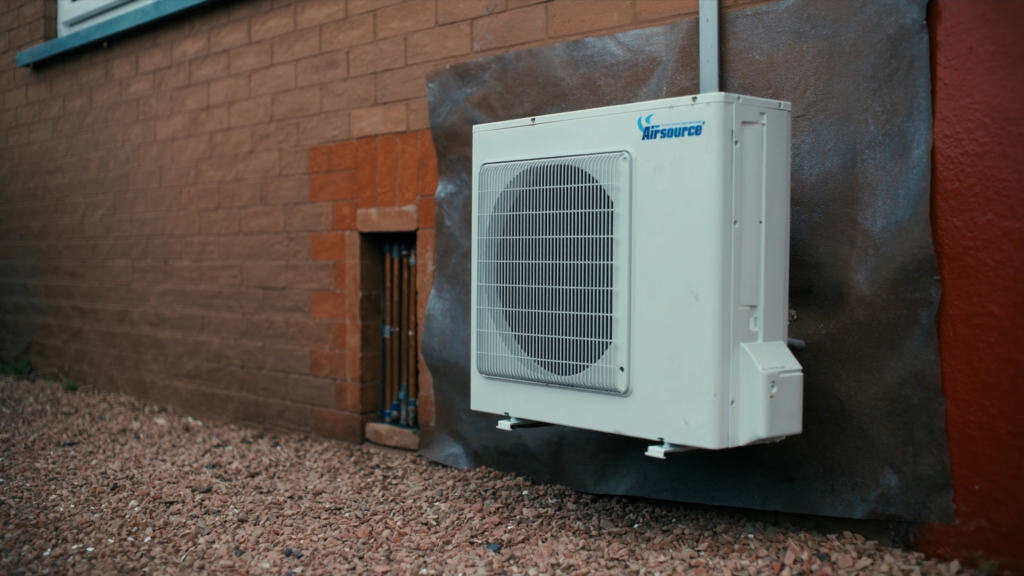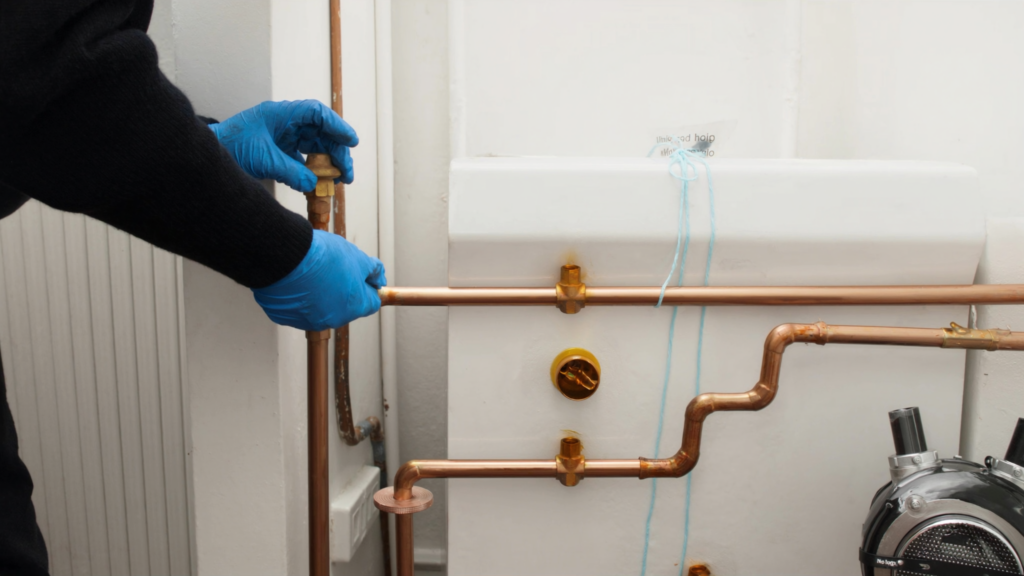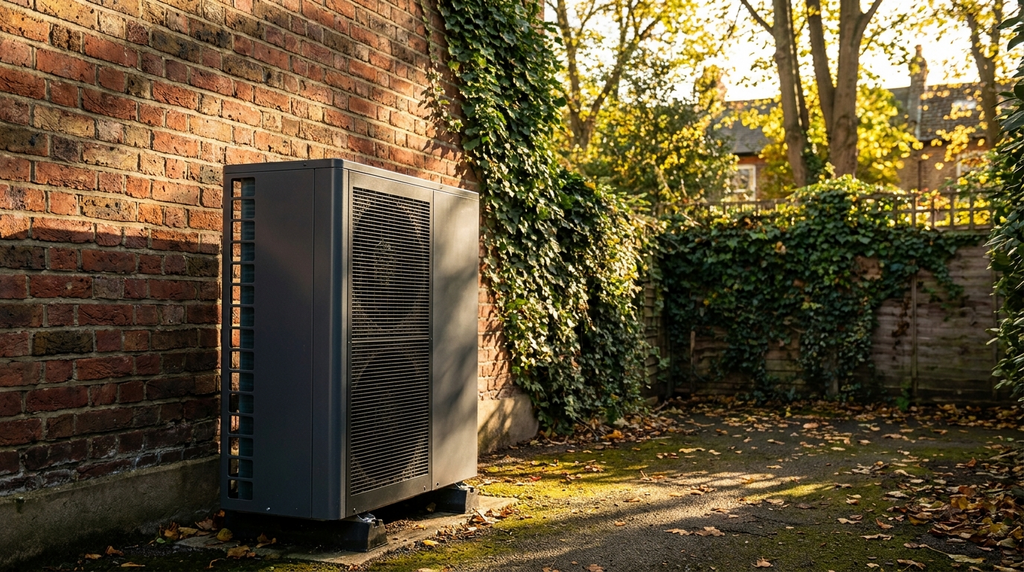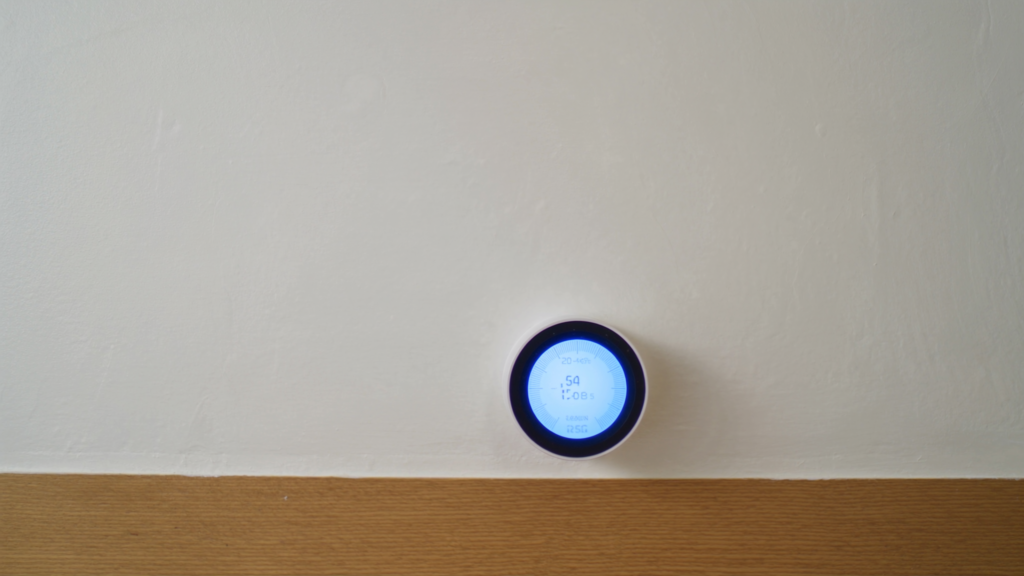
The average SCOP for a properly installed air-source heat pump in the UK is 3.0, meaning 3 kWh of heat for every 1 kWh of electricity, but the real-world figure depends on your home
The headline figure you will see most often is a Seasonal Coefficient of Performance (SCOP) of 3.0. This is the median annual efficiency for air-source heat pumps installed under the Microgeneration Certification Scheme (MCS) in 2025/26, according to data from the Energy Systems Catapult’s Electrification of Heat Demonstration Project and the MCS Installation Database (DESNZ, 2026). Understanding the difference between SCOP and COP is essential for comparing running costs.
SCOP measures the average efficiency of your heat pump over an entire heating season, accounting for varying outdoor temperatures and defrost cycles. Coefficient of Performance (COP) is a single-point measurement taken at a specific outdoor temperature, usually 7°C. A SCOP of 3.0 means you get 3 kilowatt-hours (kWh) of heat for every 1 kWh of electricity you put in, which is 300% efficiency. However, the actual SCOP for your home can range from 2.5 to 3.5 depending on factors like the type of radiators or underfloor heating you have, how well your home is insulated, and the flow temperature your system is set to run at.
Manufacturers often advertise COP figures of 4.0 to 5.0 at 7°C. These are test-lab numbers that do not reflect what you will achieve during a British winter. The Energy Systems Catapult found that real-world SCOPs for air-source heat pumps in UK homes averaged 2.8 to 3.2, with the MCS database showing a median of 3.0 (Energy Systems Catapult, 2023). Always use the SCOP, not the manufacturer COP, when estimating your annual running costs.
How the Boiler Upgrade Scheme (BUS) grant amount relates to your heat pump’s SCOP
The Boiler Upgrade Scheme (BUS) currently offers a flat grant of £7,500 for both air-source and ground-source heat pumps. This amount is available until at least 2027 (GOV.UK, January 2026). The grant is not adjusted based on your heat pump’s SCOP, but there is a minimum efficiency requirement for the equipment itself.
To qualify for the BUS, your installer must use an MCS-certified heat pump model with a published SCOP of at least 2.5. This is a product-level requirement, not a guarantee of what you will achieve in your home. The grant does not require you to prove a minimum SCOP after installation. Instead, your installer must design the system to meet your property’s heat loss calculation, which is a standard part of the MCS installation process (Ofgem BUS annual statistics, 2025/26).
Ground-source heat pumps typically have higher SCOPs, ranging from 3.5 to 4.5, but they cost significantly more to install. This means the £7,500 grant covers a smaller proportion of the total cost compared to an air-source system. The BUS is a flat payment, so the financial case for ground-source heat pumps depends on your budget and long-term energy savings, not just the grant amount.
Quick numbers SCOP, COP, and cost savings for common UK heat pump setups
| Heat pump type | Typical SCOP range | Typical COP at 7°C | Annual electricity cost for 12,000 kWh heat demand | Approximate annual CO₂ saving vs. gas boiler |
|---|---|---|---|---|
| Air-source (typical) | 2.5–3.5 | 3.5–4.5 | £1,200–£1,680 | 1.5–2.5 tonnes |
| Ground-source (typical) | 3.5–4.5 | 4.0–5.0 | £800–£1,200 | 2.0–3.0 tonnes |
| Hybrid (gas backup) | 2.8–3.5 | 3.0–4.0 | £1,000–£1,400 | 1.0–2.0 tonnes |
Costs are based on a typical UK home with an annual heat demand of 12,000 kWh. Electricity prices are taken from the Ofgem price cap for October 2025 to March 2026, at approximately 24p per kWh (Ofgem, 2026). For comparison, a gas boiler at 90% efficiency would cost between £720 and £960 per year for the same heat demand, based on a gas price of 6p per kWh. CO₂ savings use the DESNZ grid carbon intensity figure for 2025/26 (DESNZ, 2026). Hybrid systems use a gas boiler for backup on the coldest days, which reduces the SCOP and CO₂ savings compared to a pure heat pump.
The direct answer SCOP is the annual average efficiency you will actually experience; COP is the single test-point you should ignore when comparing running costs
For calculating your annual running costs, always use the SCOP, never the manufacturer’s COP at 7°C. The formula is simple: annual electricity cost = (annual heat demand in kWh) divided by SCOP, multiplied by the electricity price per kWh. For a typical UK home with a 12,000 kWh heat demand, a SCOP of 3.0, and electricity at 24p/kWh, your annual cost would be £960 (Energy Saving Trust, 2026).
COP is measured at a single outdoor temperature, usually 7°C, in a controlled laboratory setting. It does not account for real-world factors like defrost cycles, standby losses, or the colder days when your heat pump has to work harder. The MCS 023 standard requires manufacturers to publish SCOPs based on a standardised UK climate, which is why SCOP is the correct figure to use (MCS, 2026). If a salesperson quotes a COP of 4.5, ask for the SCOP instead. If they cannot provide it, that is a red flag.
How to check if your home qualifies for a heat pump grant eligibility rules you must meet
To qualify for the Boiler Upgrade Scheme, you must meet three core criteria. First, you must own the property or have written consent from your landlord. Second, you must have a valid Energy Performance Certificate (EPC) with no outstanding recommendations for loft or cavity wall insulation. Third, you must use an MCS-certified installer (GOV.UK, 2026).
The EPC rule is the most common reason applications are rejected. If your EPC recommends installing loft or cavity wall insulation, you must either install that insulation or get an exemption from Ofgem before you can claim the grant. This applies even if you already have insulation but the EPC has not been updated. Homes that are not connected to the gas grid are exempt from this EPC insulation requirement. The BUS is not means-tested, so any homeowner can apply regardless of income.
If you are unsure about your EPC status, check your certificate on the government’s EPC register. If it shows outstanding insulation recommendations, contact an MCS-certified installer who can advise on whether an exemption applies. guide to checking your EPC for heat pump eligibility
How to verify your installer is certified MCS
MCS certification is mandatory for any heat pump installation that will be funded by the Boiler Upgrade Scheme. Your installer must be MCS-certified for the specific technology they are installing, whether that is air-source or ground-source heat pumps (MCS website, 2026). TrustMark is the government-endorsed quality mark for trades, and most MCS installers are also TrustMark-registered. You should verify both before signing a contract (TrustMark, 2026).
Gas Safe Register does not cover heat pumps. For heat pump installations, the relevant certification is MCS. For any electrical work required as part of the installation, the installer should be registered with NICEIC or NAPIT. You can check an installer’s MCS certificate number on the MCS installer database at mcsinstallers.com. Ask for this number before you pay a deposit or sign a contract.
Your installer should also provide you with a design document that includes a heat loss calculation for your property and the expected SCOP for your specific system. If they cannot provide this, consider using a different installer. checklist of documents to get before a heat pump installation
Frequently Asked Questions
SCOP (Seasonal Coefficient of Performance) measures average efficiency over a whole heating season, while COP (Coefficient of Performance) is a single measurement at a specific outdoor temperature, usually 7°C. According to the Energy Systems Catapult, real-world SCOPs for UK heat pumps average 2.8 to 3.2, whereas manufacturer COPs can be 4.0 to 5.0.
A good SCOP for an air-source heat pump in the UK is 3.0 or higher, based on the median from the MCS Installation Database (DESNZ, 2026). Achieving 3.5 is possible with well-insulated homes and low-flow-temperature systems like underfloor heating.
SCOP is calculated by dividing the total heat output of the heat pump over a heating season by the total electricity input, including defrost cycles. The Energy Systems Catapult uses real-world data from the Electrification of Heat Demonstration Project to determine typical UK SCOPs.
No, the Boiler Upgrade Scheme (BUS) does not require a minimum SCOP for eligibility. The flat grant of £7,500 for air-source and ground-source heat pumps is available until at least 2027 (GOV.UK, 2026), but a higher SCOP will lower your running costs.
The average SCOP for a properly installed air-source heat pump in the UK is 3.0, according to MCS data for 2025/26. This means you get 3 kWh of heat for every 1 kWh of electricity, though actual values range from 2.5 to 3.5 depending on your home.