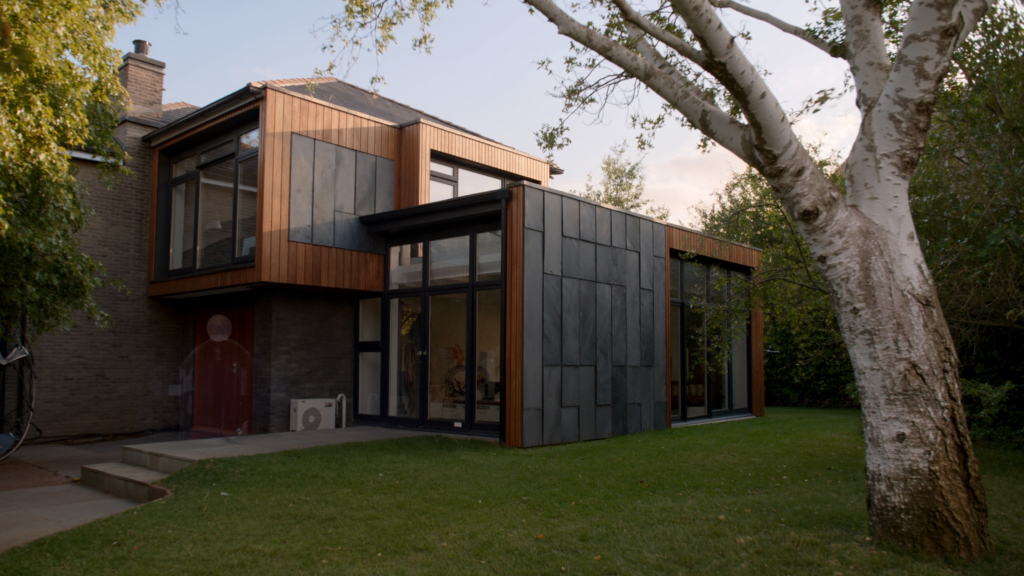
The 2026 grant landscape makes a heat pump viable for most 5‑bedroom homes, but income and property type still decide who pays less
If you own a five‑bedroom house, you are likely wondering whether a heat pump is a realistic option in 2026. The short answer is that the upfront cost has dropped significantly because of government grants, but your final bill depends on where you live, your household income, and your property’s insulation.
The Boiler Upgrade Scheme (BUS) offers a flat £7,500 grant towards an air-source heat pump for any home in England and Wales, regardless of size. The Home Energy Scotland grant provides up to £7,500 for air-source and up to £9,000 for ground-source heat pumps for 5‑bedroom homes, with an additional £1,500 for households on certain benefits. The Great British Insulation Scheme closed on 31 March 2026. It funded insulation measures only and never covered windows or glazing. The Great British Insulation Scheme closed on 31 March 2026. It funded insulation measures only and never covered windows or glazing.
The installed cost of a heat pump for a 5‑bedroom house in 2026 ranges from £10,500 to £18,500 before the grant
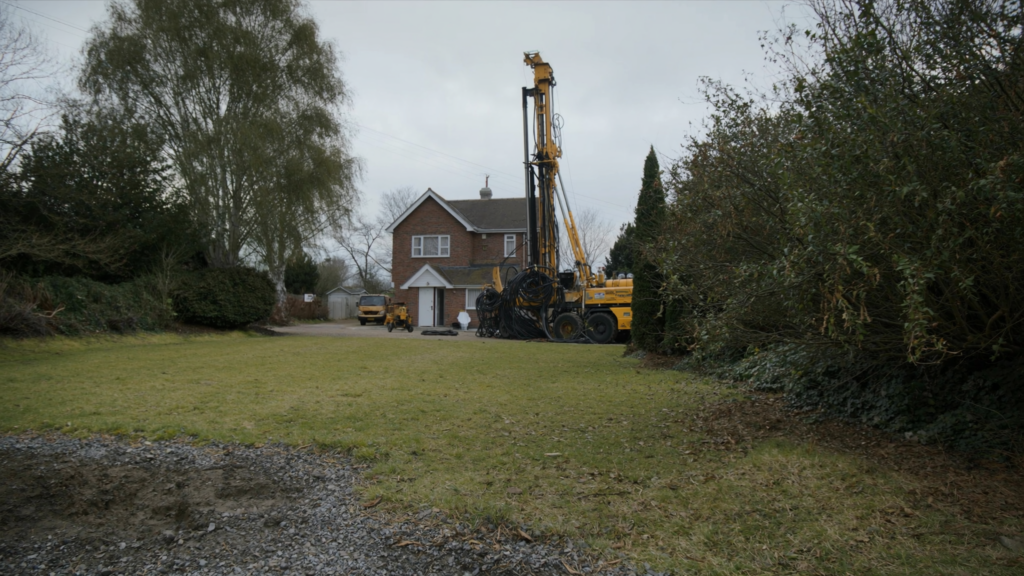
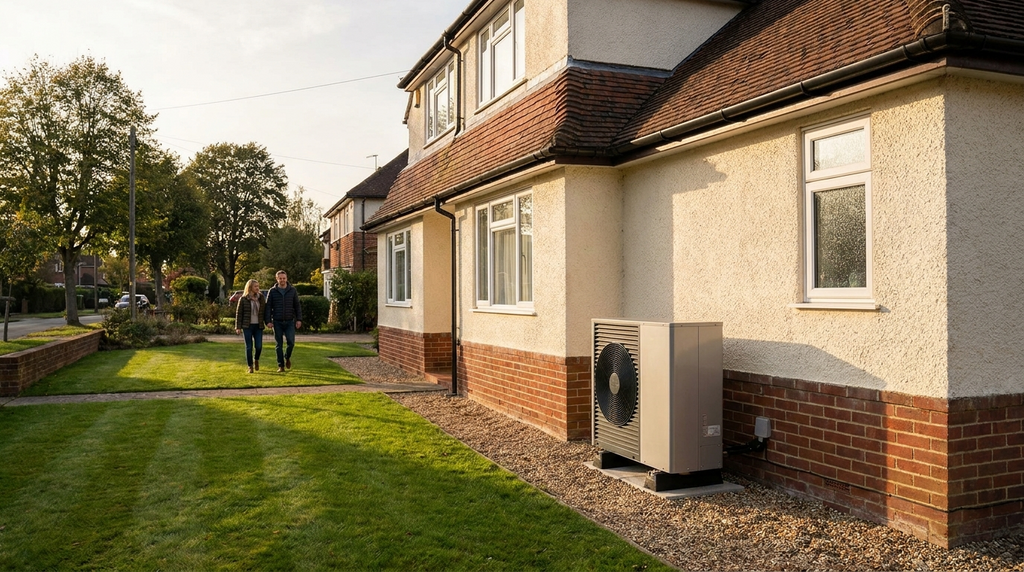
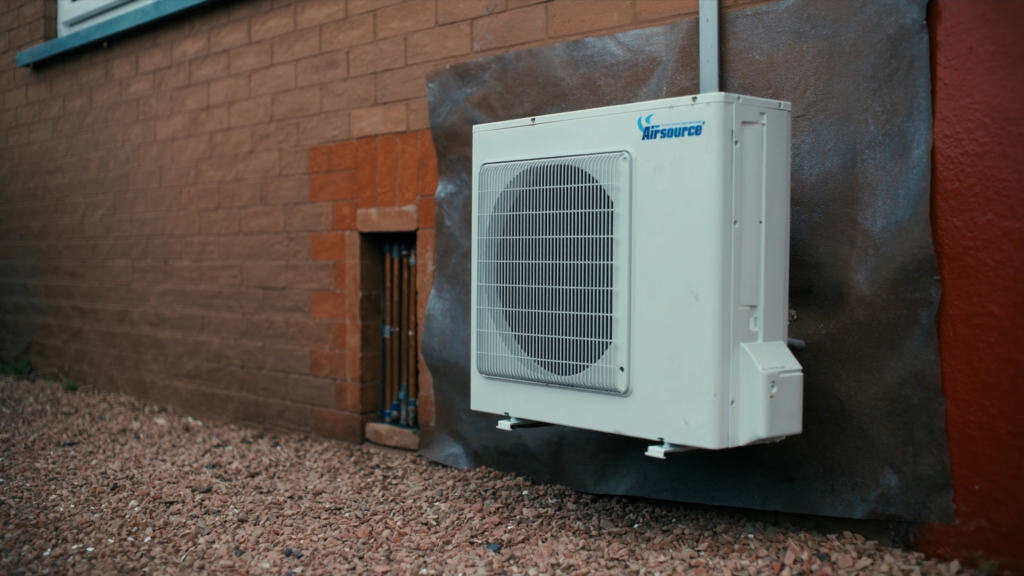
An air-source heat pump (ASHP) for a typical 5‑bedroom detached home (150–250 m²) costs £10,500–£14,500 before the £7,500 BUS grant (Energy Saving Trust, 2026). A ground-source heat pump (GSHP) for the same size property costs £16,000–£18,500 before the grant, with the higher end including ground‑loop installation (Energy Saving Trust, 2026).
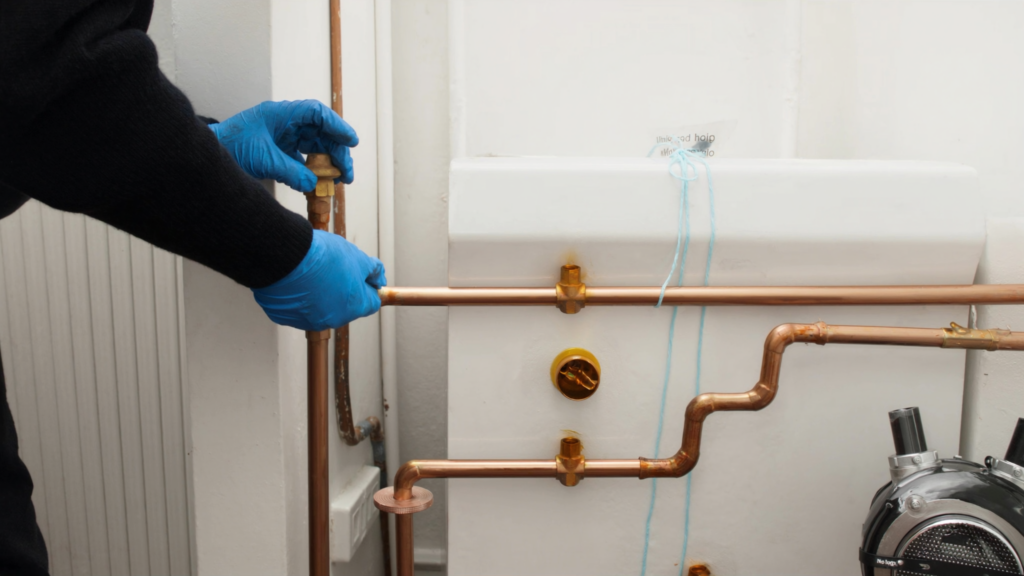
The cost includes the heat pump unit, hot water cylinder, buffer tank, and installation labour, but excludes radiator upgrades or underfloor heating retrofits. Additional costs for a 5‑bedroom home often include a larger hot water cylinder (250–300 litres) and a more powerful model (8–12 kW), which add £1,000–£2,000 to the base price (MCS, 2026).
Quick numbers what a 5‑bedroom heat pump costs, grant amounts, and payback time
| Heat pump type | Average installed cost (before grant, £) | 2026 grant (£) | Net cost after grant (£) |
|---|---|---|---|
| Air-source (ASHP) | 12,500 | 7,500 | 5,000 |
| Ground-source (GSHP) | 17,250 | 7,500 (BUS) or 9,000 (Scotland) | 8,250–9,750 |
| Payback time (ASHP, gas comparison) | 5–8 years | – | – |
| Payback time (GSHP, gas comparison) | 8–12 years | – | – |
Payback estimates assume a 5‑bedroom home switching from a gas boiler to an ASHP, with an annual saving of £400–£700 on heating bills (Energy Saving Trust, 2026). Ground-source payback is longer because the higher upfront cost offsets lower annual running costs.
To qualify for the £7,500 grant
Condition 1: The property must have a valid EPC with no outstanding recommendations for loft or cavity wall insulation (GOV.UK, 2026). Condition 2: The installer must be MCS-certified and registered on the MCS Installer Database; the homeowner must obtain an MCS certificate after installation (MCS, 2026). Condition 3: The heat pump must be an approved model listed on the MCS Product Database (MCS, 2026).
To verify eligibility, the homeowner should check their EPC via GOV.UK, confirm the installer’s MCS number via the MCS register, and request a written quote that includes the BUS grant deduction (Ofgem, 2026).
The most important factor determining your final cost is your home’s heat loss, not the number of bedrooms
A 5‑bedroom house can vary from 120 m² (small terraced) to over 300 m² (large detached), and heat pump sizing is based on heat loss, not room count (MCS, 2026). A professional heat loss calculation (using MCS 020 or the newer MCS 025 standard) will produce a kW requirement; for a 5‑bedroom home, this is typically 7–12 kW for ASHP and 8–14 kW for GSHP (MCS, 2026).
Homes with poor insulation (e.g., single glazing, no cavity insulation) will require a larger, more expensive heat pump and may need radiator upgrades, adding £1,500–£4,000 to the total cost (Energy Saving Trust, 2026). The only way to get an accurate cost is to commission an MCS-certified installer to perform a heat loss survey on your specific property (MCS, 2026).
You must use an MCS-certified installer to claim any grant
Only installations carried out by an MCS-certified contractor are eligible for the BUS or Home Energy Scotland grant (MCS, 2026). To verify an installer, use the MCS Installer Database search tool and check their MCS registration number and expiry date (MCS, 2026). The installer must also hold TrustMark registration for consumer protection and must provide a written quote that itemises the heat pump cost, cylinder cost, labour, and the BUS grant deduction (TrustMark, 2026).
For electrical work, the installer should be registered with NICEIC or NAPIT (Ofgem, 2026). Gas Safe Register is not relevant for heat pump installations, but any existing gas boiler removal must be done by a Gas Safe engineer (Gas Safe Register, 2026).
If you do not qualify for a grant, the net cost is still lower than a ground-source system, and you can still save on running costs
Without a grant, the net cost for an ASHP in a 5‑bedroom home is £10,500–£14,500, which is comparable to a new gas boiler plus radiators for the same size home (Energy Saving Trust, 2026). Running costs for a 5‑bedroom home with an ASHP are typically £800–£1,200 per year, versus £1,200–£1,800 for a gas boiler (assuming 2026 energy price cap rates) (Ofgem, 2026; Energy Saving Trust, 2026).
Off‑gas‑grid homes (using oil or LPG) can save £500–£1,000 per year by switching to a heat pump (Energy Saving Trust, 2026). Even without a grant, the payback period for a 5‑bedroom home on oil is 3–6 years (Energy Saving Trust, 2026).
compare heat pump vs boiler running costs for large homes
guide to MCS-certified installers and how to avoid scams
Frequently Asked Questions
An air-source heat pump costs £10,500-£14,500 before the £7,500 BUS grant, while a ground-source system costs £16,000-£18,500, according to Energy Saving Trust (2026). After the grant, you pay £3,000-£9,500 for a typical 5-bedroom home.
The Boiler Upgrade Scheme provides a flat £7,500 grant in England and Wales. Home Energy Scotland offers up to £7,500 for air-source and up to £9,000 for ground-source. The Great British Insulation Scheme closed on 31 March 2026. It funded insulation measures only and never covered windows or glazing.
Yes, for most 5-bedroom homes a heat pump is worth it in 2026, especially with the £7,500 BUS grant reducing upfront costs. However, the Energy Saving Trust notes that savings depend on your current heating system and insulation levels.
A 5-bedroom detached home typically needs an 8-12 kW heat pump, according to MCS (2026). The exact size depends on floor area (150-250 m²) and insulation quality, so a professional heat-loss survey is recommended.
Yes, the Boiler Upgrade Scheme covers any home in England and Wales regardless of size, offering a flat £7,500 grant for an air-source heat pump. There is no cap based on number of bedrooms, as confirmed by GOV.UK.