Yes, most air source heat pumps in England are permitted development and do not need planning permission, provided they meet specific size, siting and noise criteria set by the Ministry of Housing, Communities and Local Government, 2026.
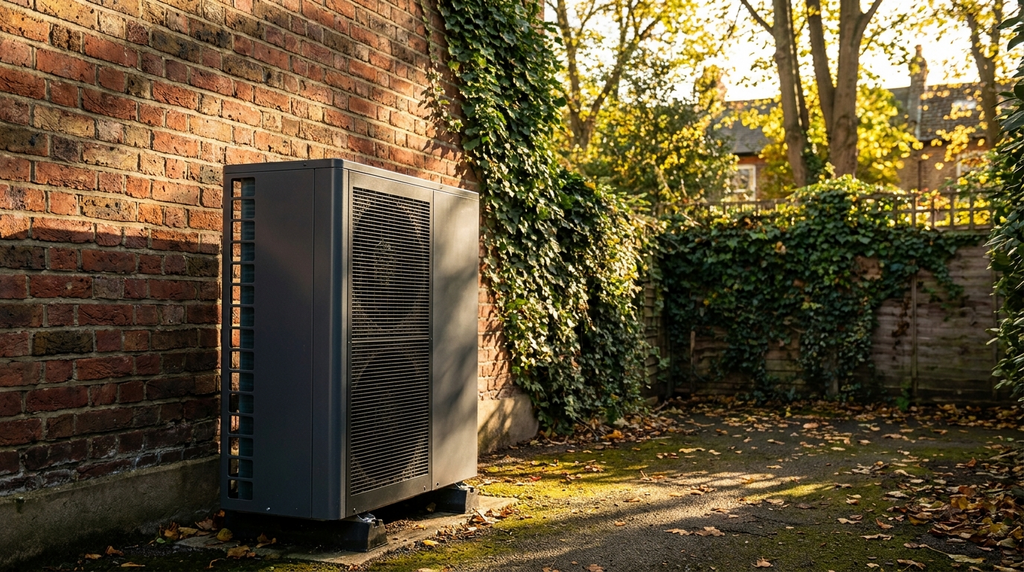
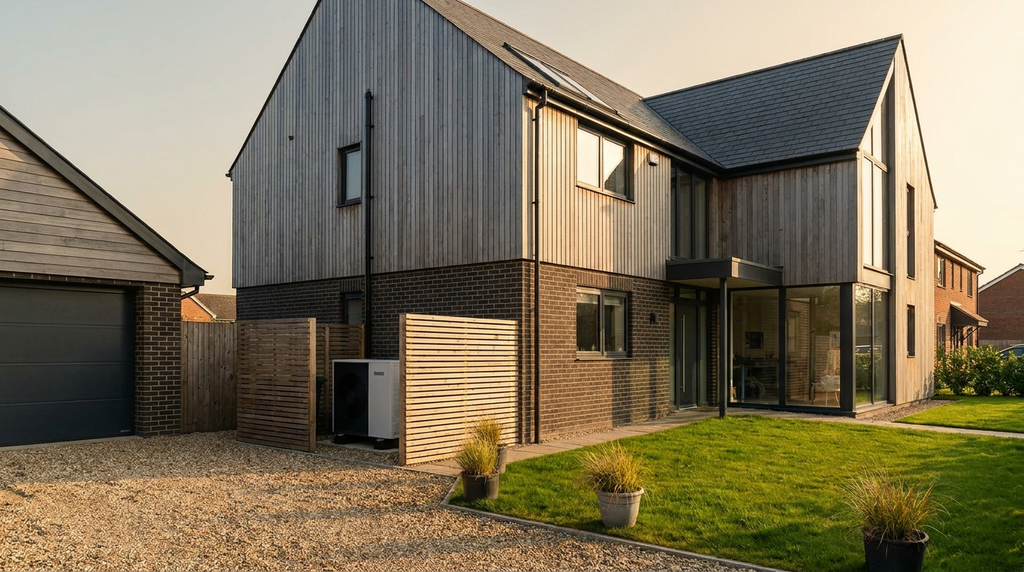
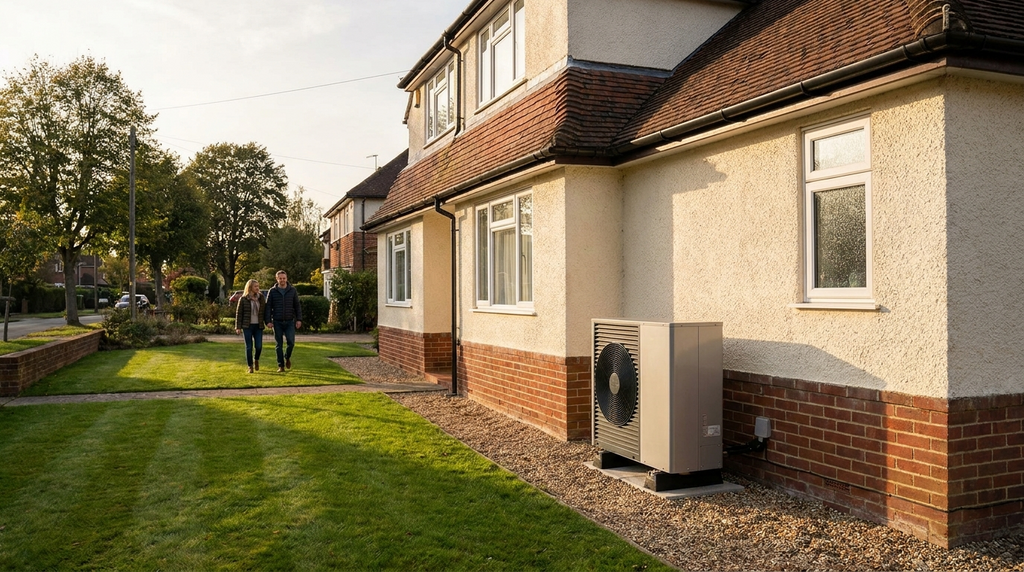
Permitted development rights apply to air source heat pumps installed on single houses, provided the unit is no more than 0.6 metres wide, 1 metre deep and 1 metre high. It must be at least 1 metre from the property boundary and not face a road. Ground source heat pumps and water source heat pumps generally require planning permission. If you live in a listed building, conservation area, Area of Outstanding Natural Beauty, or a World Heritage Site, the rules change, you will almost certainly need full planning permission from your local authority.
When permitted development does not apply
Permitted development rights for heat pumps are withdrawn if the unit would be installed within 1 metre of the boundary of your property or if it would be within 1 metre of the highway boundary. The UK Government technical guidance, 2026 also states that the heat pump must not exceed 1 cubic metre in total volume (excluding connecting pipework). If your house is a flat, maisonette, or a commercial property, permitted development rights do not apply at all, you must apply for planning permission.
Noise limits and permitted development
Even where permitted development applies, the heat pump must comply with the Microgeneration Certification Scheme (MCS) noise standard. The unit’s cumulative noise level must not exceed 42 decibels when measured 1 metre from the nearest neighbour’s habitable room window. The MCS, 2026 certifies that compliant models meet this limit. If your installation fails the noise test, your local planning authority can revoke the permitted development rights and require retrospective permission.
What to do if you need planning permission
If your property is in a conservation area, listed building, or if your heat pump fails the size or siting conditions, you must submit a householder planning application to your local council. The fee for a householder application in England is £258 as of 2026 (UK Government, 2026). Applications typically take 8 weeks to decide. For properties in Scotland, Wales or Northern Ireland, separate rules apply, always check with your local planning authority before ordering a heat pump.
A worked example
A typical 1930s semi-detached house in Manchester installing an 8kW air source heat pump will cost roughly £10,500 after the £7,500 BUS grant and the 0% VAT extension until March 2027. The Energy Saving Trust estimates this home would save around £420 per year on heating bills compared to an old gas boiler, assuming a well-insulated property with loft and cavity wall insulation. The payback period on the net cost of £3,000 works out at just over seven years, and over a 25-year lifespan the total savings reach about £10,500. If the unit is under 0.6 metres wide and sits at least one metre from the boundary, it qualifies as permitted development with no planning permission needed. Check your local authority’s website for any Article 4 directions that may remove these rights in your street.
| Item | Figure |
|---|---|
| Upfront cost after grants | £3,000 |
| Yearly savings | £420 |
| Payback period | 7.1 years |
| 25-year lifetime savings | £10,500 |
What homeowners often get wrong
The most common mistake is assuming any heat pump needs full planning permission, when most air source models are permitted development. Here are three frequent errors you should avoid.
- Believing you need permission for every unit Many homeowners submit a full planning application unnecessarily. If your unit is under 0.6 metres wide, under 1 cubic metre total volume, and at least one metre from the boundary, it is likely permitted development and needs no application at all.
- Ignoring conservation area rules Some people think permitted development rights apply everywhere. In a conservation area, Area of Outstanding Natural Beauty, or World Heritage Site, you must get full planning permission, installing without it risks an enforcement notice and the cost of removing the unit.
- Thinking “no permission needed” means no rules apply Even with permitted development, you must still meet the noise limits set by the Microgeneration Certification Scheme. A unit that is too loud or sited too close to a neighbour can lead to a complaint and a council enforcement order to move it.
Quick reference
- Air source heat pumps under 0.6 metres wide, 1 metre deep and 1 metre high are permitted development in England for single houses.
- The unit must be at least 1 metre from the property boundary and must not face a road to qualify as permitted development.
- Listed buildings, conservation areas, Areas of Outstanding Natural Beauty and World Heritage Sites all require full planning permission.
- Ground source and water source heat pumps always need planning permission, regardless of size or location.
- Check your local authority website for Article 4 directions that remove permitted development rights in specific streets or neighbourhoods.
Frequently Asked Questions
No, most air source heat pumps are permitted development in England if they meet size, siting and noise rules set by the Ministry of Housing, Communities and Local Government, 2026. You must apply for planning permission if you live in a listed building, conservation area, AONB or World Heritage Site.
Permitted development allows a unit no more than 0.6 metres wide, 1 metre deep and 1 metre high, with a total volume under 1 cubic metre. The heat pump must also be at least 1 metre from your property boundary and not face a road, according to UK Government 2026 guidance.
Yes, ground source heat pumps and water source heat pumps generally require planning permission. Permitted development rights only apply to air source heat pumps on single houses in England, as confirmed by the Ministry of Housing, Communities and Local Government.