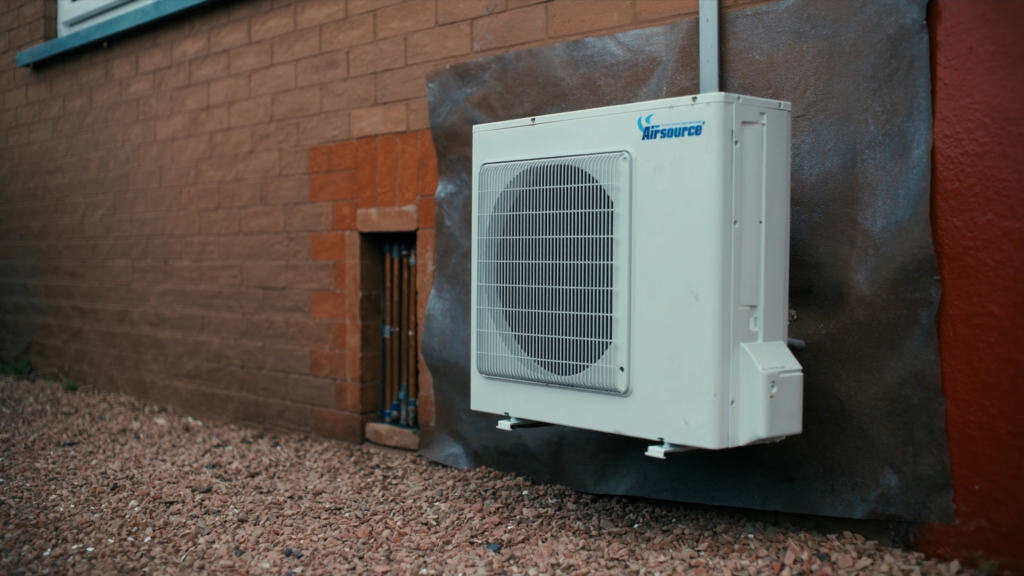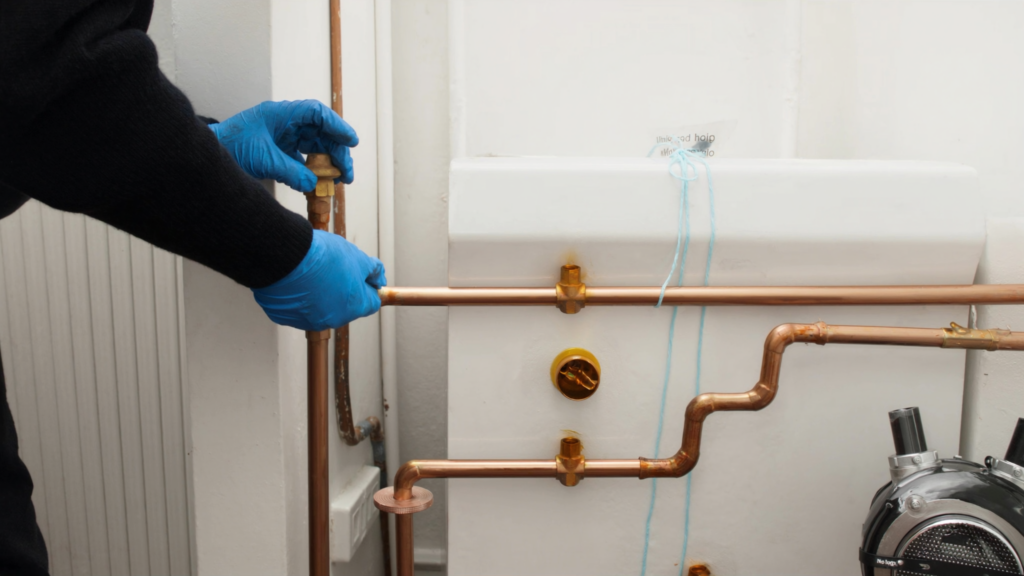
A heat pump is a long-term investment, and protecting it from internal damage is essential to keep it running efficiently. One small component, a magnetic filter, can make a significant difference to your system’s performance, warranty, and running costs.
A heat pump magnetic filter is a £150–£300 one-time fit that can prevent £1,000+ in repair costs and efficiency loss over a system’s lifetime (Energy Saving Trust, 2026). This device traps ferrous debris, known as magnetite, that naturally accumulates in a heat pump’s closed water loop. Without a filter, magnetite sludge can reduce heat transfer, increase pump strain, and void warranty terms. Typical retrofit cost ranges from £150 to £300 including installation, depending on system size and access.
How a magnetic filter protects your heat pump’s efficiency and warranty
Magnetite particles, a form of iron oxide, circulate in the water. Over time, they coat internal components and insulate heat exchanger surfaces, which are critical for transferring heat into your home. A 1mm layer of sludge can reduce heat transfer by up to 40%, forcing the heat pump to run longer and harder to meet the same demand (Ofgem, 2026). This increases your electricity consumption and accelerates wear on the compressor.
Most heat pump manufacturers, including Mitsubishi, Daikin, and Vaillant, require a compatible magnetic filter to maintain the full 7–10 year warranty. If you do not fit one, or if you use a non-compliant model, your warranty claim may be rejected if sludge damage is found. The MCS 025 installation standard, which governs certified heat pump installations, also specifies that a magnetic filter must be fitted on the primary circuit (MCS, 2026).
The UK grant eligibility rule that requires a magnetic filter
All installations funded by the Boiler Upgrade Scheme (BUS) must comply with MCS 025, which mandates a magnetic filter on the primary circuit. If you are applying for the £7,500 BUS grant, your installer must fit a filter that meets the MCS specification. Retrofitting a filter after grant approval does not satisfy the initial compliance check; the filter must be installed at commissioning (GOV.UK, 2026).
This rule exists because the filter is considered a fundamental part of the system’s protection, not an optional add-on. Without it, the heat pump’s efficiency and reliability are at risk, which undermines the grant’s purpose of promoting low-carbon heating. Your installer should include the filter in the quote you submit with your BUS application.
Quick numbers cost, payback, and efficiency impact
| Item | Value | Source |
|---|---|---|
| Magnetic filter (unit) | £40–£80 | Manufacturer pricing (2026) |
| Installation labour | £80–£220 | Checkatrade “Heat Pump Installation Costs” (2026) |
| Annual efficiency loss prevented | 3–5% | Energy Saving Trust “Heat Pump Performance Data” (2026) |
| Typical payback period | 2–4 years | Calculated from reduced energy use and avoided call-out fees |
| BUS grant compliance penalty | £7,500 forfeited | GOV.UK BUS scheme rules (2026) |
The payback period is relatively short because the filter prevents gradual efficiency loss and avoids expensive call-out charges for flushing or repairing a sludge-clogged system. Over the heat pump’s 15–20 year lifespan, the savings from avoided repairs and lower energy bills far exceed the initial outlay.
Who qualifies for a BUS grant and who must pay for the filter themselves
Homeowners in England and Wales with a valid Energy Performance Certificate (EPC) can apply for the £7,500 BUS grant. There is no requirement for loft or cavity wall insulation to be in place (GOV.UK, 2026). The filter cost is included in the grant-eligible installation quote; you do not pay extra if the installer includes it.
If you are not eligible for BUS (for example, if you live in Scotland or Northern Ireland, or you already have a heat pump), you must pay for the filter as a retrofit. Landlords and social housing providers are also not eligible for BUS; they must self-fund the filter. In these cases, you can arrange for a Gas Safe registered heating engineer to fit a magnetic filter, but you lose the BUS grant route entirely.
How to verify your installer has fitted the correct magnetic filter
Check the MCS certificate issued after installation; it should list the filter make, model, and serial number. The filter must be MCS 025-compliant. Look for the MCS logo on the product packaging or ask the installer for the data sheet (MCS, 2026). Only MCS-certified installers can sign off BUS grant installations, so verify certification on the MCS website before work begins (TrustMark, 2026).
If you are retrofitting a filter after the initial installation, any Gas Safe registered heating engineer can fit one. However, you will not be able to claim the BUS grant if the system was not compliant from the start. Always request a written confirmation that the filter meets MCS 025 and keep it with your system documents.
The direct answer you need a magnetic filter to keep your heat pump efficient, protect its warranty, and get the £7,500 BUS grant
A magnetic filter is mandatory for BUS grant eligibility and for preserving manufacturer warranties on most UK heat pump models. It costs £150–£300 installed and prevents the 3–5% annual efficiency loss caused by magnetite sludge. Without one, you risk voiding your warranty and paying higher running costs over the system’s 15–20 year lifespan.
How to maintain your heat pump for maximum efficiency
Boiler Upgrade Scheme 2026: full eligibility guide
Frequently Asked Questions
Yes, it's essential. A magnetic filter traps ferrous debris that reduces efficiency and can void your warranty. Ofgem states a 1mm sludge layer cuts heat transfer by up to 40%.
A heat pump magnetic filter costs £150–£300 including installation, according to the Energy Saving Trust. This one-time fit can prevent £1,000+ in future repairs.
Yes, if not fitted. Most manufacturers like Mitsubishi, Daikin, and Vaillant require a compatible filter to maintain the 7–10 year warranty. MCS 025 also mandates one for certified installs.
Yes, the Boiler Upgrade Scheme requires compliance with MCS 025, which mandates a magnetic filter on the primary circuit. Your installer must fit one to receive the £7,500 grant.
Without a filter, magnetite sludge reduces heat transfer, increases electricity use, and accelerates compressor wear. Your warranty may be voided if sludge damage is found.