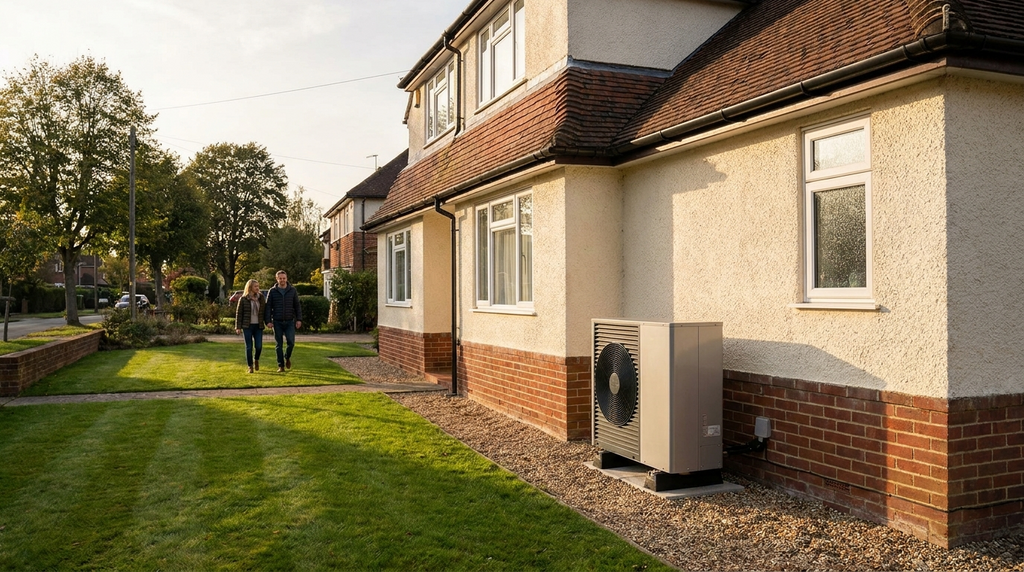
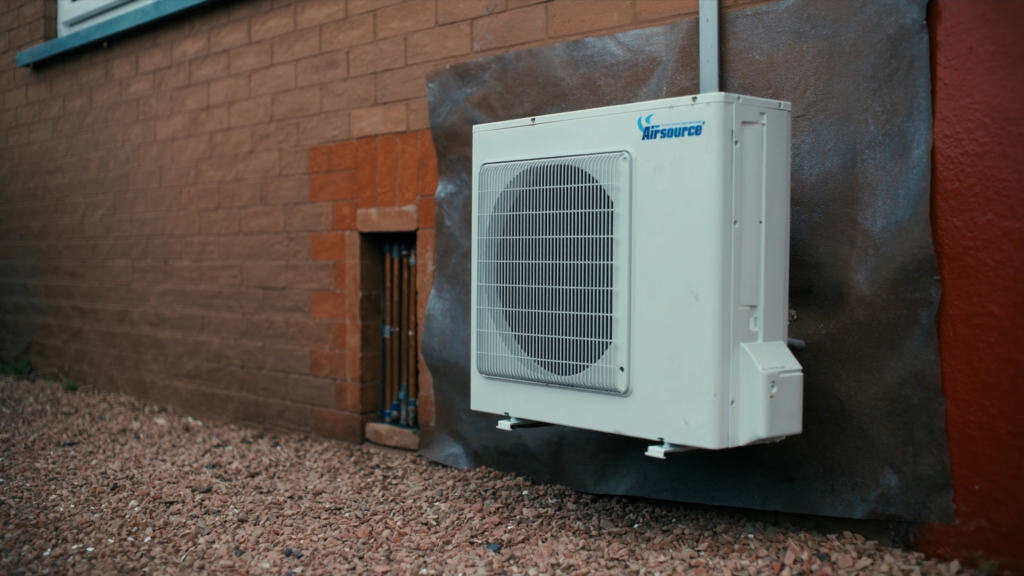
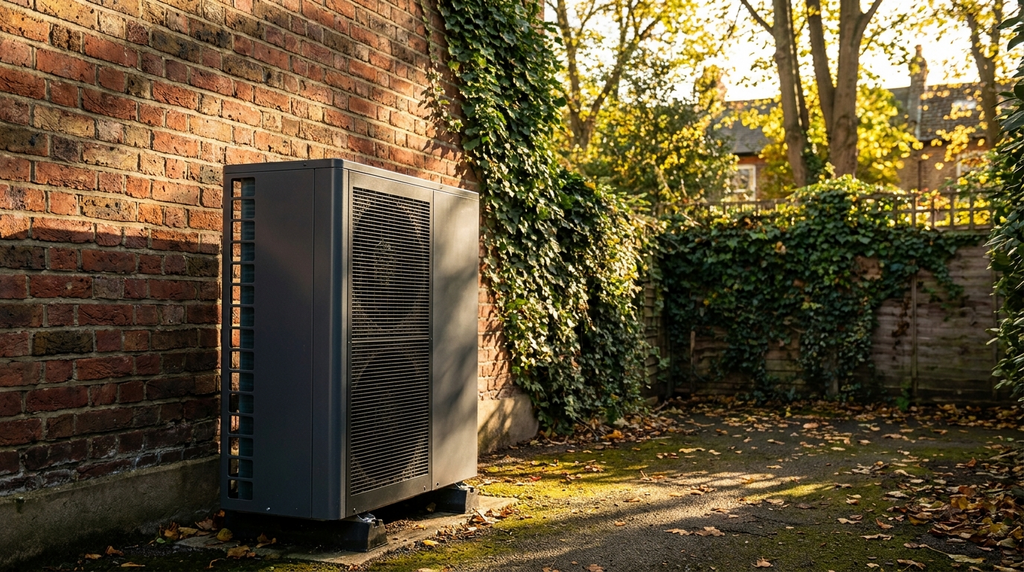
Yes, installing a heat pump will improve your EPC rating, typically by 10–20 points depending on your current heating system and property efficiency. The Energy Saving Trust confirms that heat pumps are highly efficient, with a coefficient of performance (COP) of 3–4, meaning they produce 3–4 kWh of heat for every 1 kWh of electricity used (Energy Saving Trust, 2026). This efficiency boost directly increases your EPC score in the “heating” and “water heating” categories.
The exact improvement depends on your existing heating system. If you replace an old electric storage heater or a G-rated gas boiler (efficiency around 60–70%), the gain is larger than switching from a modern A-rated condensing boiler (efficiency around 90–92%). Homes with poor insulation may see a smaller EPC lift because heat pumps work best with well-insulated properties. The EPC rating also considers factors like wall insulation, loft insulation, and glazing, so a heat pump alone won’t fix a low-scoring home if other elements are poor.
Heat pumps replace inefficient heating systems
An EPC rates heating efficiency on a scale from 1 (very poor) to 100+ (excellent). A typical gas boiler scores around 60–70 points for heating, while an air source heat pump (ASHP) with a COP of 3.5 scores around 100–110 points for the same output. The Energy Saving Trust states that switching from a G-rated boiler to a heat pump can increase your EPC score by up to 15 points (Energy Saving Trust, 2026). This is because heat pumps are classified as “high-efficiency” under the Standard Assessment Procedure (SAP) used for EPC calculations.
EPC improvements depend on your home’s insulation
Heat pumps operate most effectively in homes with good insulation and draught-proofing. The UK government’s EPC methodology awards points for the “fabric efficiency” of your home, including wall and loft insulation. If your property has cavity wall insulation (U-value around 0.30 W/m²K) and 270mm loft insulation, a heat pump can deliver a COP of 3.5–4.0, maximising your EPC gain. Without adequate insulation, the heat pump may run at a lower COP (e.g., 2.5–3.0), reducing the EPC benefit. The Energy Saving Trust recommends checking your home’s insulation before installing a heat pump (Energy Saving Trust, 2026).
Grants and regulations make heat pumps more attractive
The Boiler Upgrade Scheme offers a grant of £7,500 towards the cost of a heat pump in England and Wales (GOV.UK, 2026). This reduces upfront costs, making the EPC improvement more accessible. Also, from 2025, new rental properties must have an EPC rating of C or above, and heat pumps are a key way to achieve this. The UK government’s Heat and Buildings Strategy states that heat pumps will play a central role in decarbonising homes (GOV.UK, 2026). For homeowners, a heat pump installation can lift an EPC from D to C or from C to B, depending on other factors.
A worked example
For a typical 1930s semi-detached home in Manchester, replacing a G-rated gas boiler with an air source heat pump under the BUS grant could cost about £3,500 after the £7,500 government subsidy. The Energy Saving Trust estimates this switch would improve the EPC rating by roughly 15 points, moving the property from band D (58) to band C (73). Annual heating savings come to approximately £395 when compared to the old boiler, with the 0% VAT saving on installation until March 2027 included in the upfront figure. Over 25 years, the total savings exceed £9,800, making the payback period around nine years. For accurate eligibility details, check the BUS grant criteria on gov.uk.
| Item | Figure |
|---|---|
| Upfront cost after grants | £3,500 |
| Yearly savings | £395 |
| Payback period | 9 years |
| 25-year lifetime savings | £9,800 |
What homeowners often get wrong
The most common mistake is assuming a heat pump alone guarantees a big EPC improvement without upgrading insulation first. Here are three frequent errors that cost homeowners money and miss potential grant benefits.
- Ignoring insulation before installation A heat pump running in a draughty home with single glazing may only raise the EPC by 5 points instead of 15. Without proper loft and wall insulation, the system works harder, increasing electricity bills and reducing the efficiency gain that the EPC assessment measures.
- Choosing the wrong heat pump size Oversized units cycle on and off too often, dropping the seasonal COP below 2.5 and limiting the EPC heating score boost. A correctly sized model from an MCS-certified installer ensures the system runs at peak efficiency and maximises the rating uplift.
- Forgetting the BUS grant deadline Many homeowners miss the £7,500 government grant because they start work before applying or use a non-MCS installer. This mistake adds £7,500 to the upfront cost and can extend the payback period from 9 years to over 20 years, making the investment far less attractive.
Quick reference
- An air source heat pump can boost an EPC rating by 10 to 20 points, typically moving a property from band D to band C.
- The BUS grant covers £7,500 of installation costs per property, available until at least March 2028 with MCS-certified installers only.
- Homes must have at least 200mm of loft insulation and cavity wall insulation to qualify for the full EPC improvement from a heat pump.
- Replacing an old G-rated boiler with a heat pump saves around £395 per year on a typical semi-detached home, according to Energy Saving Trust figures.
- A heat pump installed without proper insulation can void the manufacturer’s warranty and reduce the EPC score gain by up to 10 points.
Frequently Asked Questions
A heat pump typically increases your EPC rating by 10–20 points. The Energy Saving Trust confirms that switching from a G-rated boiler to a heat pump can add up to 15 points.
Yes, but the improvement will be smaller because heat pumps work best in well-insulated homes. Ofgem recommends improving insulation first to maximise your EPC score gain.
Yes, a heat pump scores higher on the EPC heating category than a typical gas boiler. An air source heat pump with a COP of 3.5 scores around 100–110 points, while a gas boiler scores around 60–70 points.