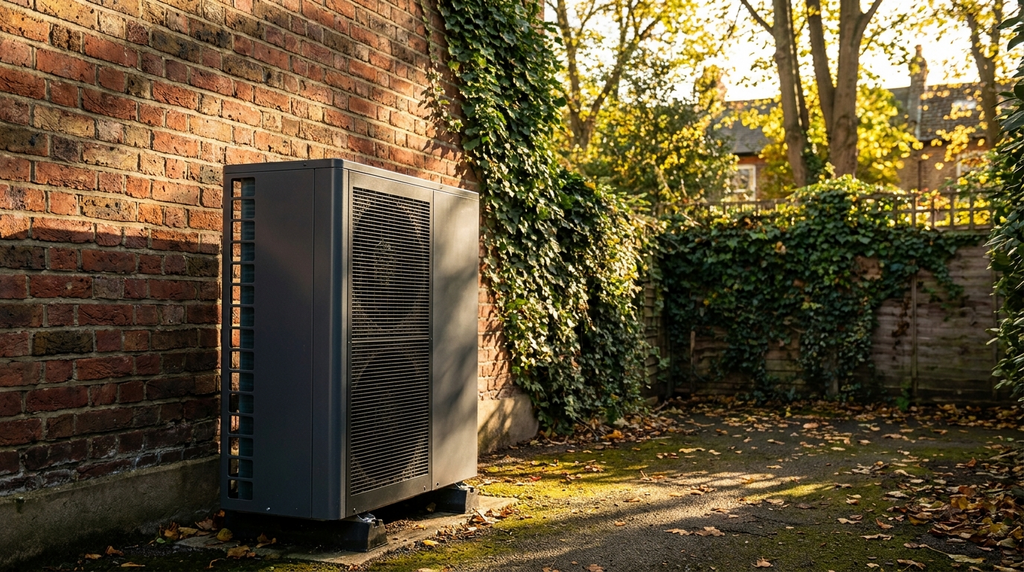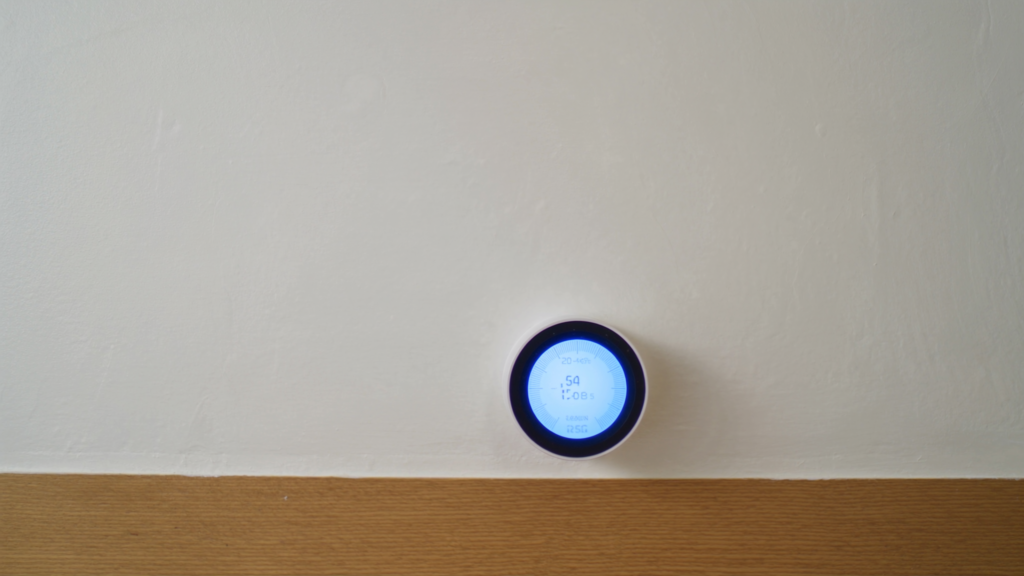
Heat pumps and underfloor heating work together at lower flow temperatures than radiators
Heat pumps deliver hot water at lower temperatures than gas or oil boilers. An air-source or ground-source heat pump typically heats water to between 35°C and 55°C, while a gas boiler runs at 60–80°C (Energy Saving Trust, 2026). Underfloor heating systems are built to operate efficiently at flow temperatures of 35–45°C. That makes them a natural match for heat pumps.
Yes, underfloor heating with a heat pump cuts electricity use by 20–30% and boosts efficiency to 360–420% (SCOP 3.6–4.2). This pairing works because both systems operate efficiently at low flow temperatures of 35–45°C.
- Heat pumps run at 35–55°C, matching underfloor heating's 35–45°C range.
- Lower flow temperatures improve SCOP by 0.3–0.6 points over radiators.
- Underfloor heating cuts heat pump electricity use by 20–30% annually.
- A heat pump with radiators achieves SCOP 3.0–3.5; with UFH, up to 4.2.
- DESNZ reports 20–30% efficiency gain when dropping flow temp to 35°C.
- Heat pumps and underfloor heating work together at lower flow temperatures than radiators
- The efficiency gain underfloor heating can lift your heat pump's SCOP by 0.3–0.6 points
- Installation costs – underfloor heating plus heat pump vs. radiators plus heat pump
- Quick numbers – key comparisons for underfloor heating with heat pumps
- Underfloor heating heat pump compatibility – the direct answer to the keyword query
- Eligibility and certification – MCS, TrustMark, and the Boiler Upgrade Scheme
- Running costs – underfloor heating with a heat pump vs. a gas boiler with radiators
- Floor construction and retrofit – what you need for underfloor heating with a heat pump
Radiators need higher flow temperatures, usually 55–65°C, to heat a room effectively. When a heat pump supplies radiators, it must work harder to reach those temperatures, which reduces its seasonal efficiency. The Department for Energy Security and Net Zero (DESNZ) reports that lowering the flow temperature from 55°C to 35°C can improve a heat pump’s efficiency by 20–30% (DESNZ, 2026).
For homeowners replacing a boiler, the combination of a heat pump and underfloor heating avoids the efficiency penalty that comes with running radiators at higher temperatures.
The efficiency gain underfloor heating can lift your heat pump’s SCOP by 0.3–0.6 points
The Seasonal Coefficient of Performance (SCOP) measures a heat pump’s efficiency over a full year. A typical air-source heat pump connected to radiators achieves a SCOP of 3.0 to 3.5, meaning it produces 3.0 to 3.5 kilowatt-hours of heat for every kilowatt-hour of electricity it uses (Ofgem, 2026).
When the same heat pump is paired with underfloor heating at a 35°C flow temperature, the SCOP can rise to between 3.6 and 4.2. That represents 360% to 420% efficiency. The reason is straightforward: every 5°C drop in flow temperature reduces the electricity the heat pump’s compressor needs, improving the SCOP by roughly 0.2 to 0.3 points (Energy Saving Trust, 2026).
This efficiency gain directly cuts your annual electricity consumption. A heat pump with underfloor heating uses 20–30% less electricity than the same heat pump with radiators, according to Energy Saving Trust modelling.
Installation costs – underfloor heating plus heat pump vs. radiators plus heat pump
In 2026, an air-source heat pump installation costs between £10,000 and £14,000 after the Boiler Upgrade Scheme (BUS) grant of £7,500. Ground-source heat pumps cost £20,000 to £28,000. These figures come from the Microgeneration Certification Scheme (MCS) installer survey for 2026 (MCS, 2026).
Adding wet underfloor heating to a new-build or full refurbishment adds £2,000 to £5,000 for a typical 100m² ground floor. For retrofit work in an existing room, costs rise to £4,000 to £8,000 because the floor must be lifted or a thin screed system installed on top. Radiators for a whole house cost £1,500 to £3,000 total (Energy Saving Trust, 2026).
The BUS grant covers the heat pump and its installation only. Underfloor heating costs are separate and not eligible for the grant (GOV.UK, 2026).
Quick numbers – key comparisons for underfloor heating with heat pumps
| Metric | Underfloor heating + heat pump | Radiators + heat pump |
|---|---|---|
| Typical flow temperature | 35–40°C | 55–65°C |
| SCOP (air source) | 3.6–4.2 | 3.0–3.5 |
| Annual running cost (100m² home) | £550–£750 | £700–£950 |
| Installation cost (new build, 100m²) | £12,000–£19,000 | £11,500–£17,000 |
| Retrofit cost (existing room) | £14,000–£22,000 | £11,500–£17,000 |
| Floor surface temperature | 25–29°C | N/A (radiator surface 50–70°C) |
| Source: Energy Saving Trust running cost calculator 2026; MCS installer data; Ofgem SCOP benchmarks | ||
Underfloor heating heat pump compatibility – the direct answer to the keyword query
Yes, underfloor heating is the best partner for a heat pump because both operate at low flow temperatures of 35–45°C. This match maximises the heat pump’s efficiency. The heat pump’s SCOP improves by 0.3 to 0.6 points compared to radiator systems, cutting annual electricity use by 20–30%.
Any standard air-source or ground-source heat pump works with underfloor heating. No special heat pump model is required. The MCS technical standard MIS 3005 covers heat pump installation and confirms that underfloor heating is a compatible emitter (MCS, 2026).
The key requirement is the floor construction. Screeded floors made of concrete or anhydrite work well because they conduct heat evenly. Timber suspended floors can use aluminium spreader plates under the floorboards to distribute heat. Both methods are suitable (Energy Saving Trust, 2026).
How to choose between a heat pump and a gas boiler
Eligibility and certification – MCS, TrustMark, and the Boiler Upgrade Scheme
To claim the £7,500 Boiler Upgrade Scheme grant, your heat pump must be installed by an MCS-certified installer. The system must meet MCS standards for design and performance. Underfloor heating does not need separate MCS certification, but the installer should be TrustMark-registered for the flooring work (GOV.UK, 2026).
If you are replacing a gas boiler, the heat pump installer must also be Gas Safe Registered if any gas work remains, such as capping the gas supply. The BUS grant covers the heat pump and its installation only. Underfloor heating costs are separate and not grant-eligible (TrustMark, 2026).
You can find MCS-certified installers through the MCS directory. Always check that the installer holds current certification before signing a contract.
Running costs – underfloor heating with a heat pump vs. a gas boiler with radiators
A heat pump with underfloor heating costs £550 to £750 per year to run for a 100m² home. This calculation assumes a SCOP of 3.8 and electricity at 28p per kilowatt-hour, based on the April 2026 Ofgem price cap (Ofgem, 2026).
A gas boiler with radiators costs £800 to £1,100 per year, based on 90% efficiency and gas at 6.5p per kilowatt-hour. The heat pump system saves £250 to £350 per year on heating bills, despite electricity being more expensive than gas per unit.
Carbon emissions also differ significantly. A heat pump with underfloor heating emits 0.5 to 0.8 tonnes of CO₂ per year, while a gas boiler emits 2.0 to 2.5 tonnes (DESNZ, 2026). The exact figures depend on your home’s heat demand and the heat pump’s SCOP.
How much does a heat pump cost to run?
Floor construction and retrofit – what you need for underfloor heating with a heat pump
For new-build homes, screeded concrete or anhydrite floors with embedded pipe loops are the standard method. This construction works well with low-temperature heat pump operation because the screed stores heat and releases it slowly.
For retrofit work, two main options exist. Timber suspended floors can use aluminium spreader plates fitted between joists under the floorboards. Alternatively, a thin screed system 15–20mm thick can be laid on top of an existing concrete floor. Both methods are covered in the Energy Saving Trust’s guide to underfloor heating in existing homes (Energy Saving Trust, 2026).
Insulation is critical. Building Regulations Part L (2025 edition for England) requires at least 75mm of PIR insulation below underfloor heating pipes to prevent heat loss downwards (GOV.UK, 2026). Without adequate insulation, heat escapes into the ground and the system becomes inefficient.
Floor finishes affect performance. Tiles, stone, and engineered wood conduct heat best. Thick carpet and underlay reduce heat output by 30–50%, so you may need to raise the flow temperature, which lowers the heat pump’s efficiency.
Frequently Asked Questions
Yes, heat pumps are an ideal match for underfloor heating. Energy Saving Trust confirms that heat pumps deliver water at 35–55°C, which aligns with underfloor heating's efficient 35–45°C operating range.
Underfloor heating with a heat pump should run at a flow temperature of 35–45°C for optimal efficiency. Ofgem states that every 5°C drop in flow temperature improves SCOP by 0.2–0.3 points.
Yes, underfloor heating is significantly more efficient than radiators with a heat pump. The Energy Saving Trust reports that underfloor heating reduces a heat pump's electricity consumption by 20–30% compared to radiators.
Installation costs vary widely, but running costs are lower than with radiators. The efficiency gain from underfloor heating can reduce annual electricity bills by 20–30%, according to Energy Saving Trust estimates.
Yes, retrofitting underfloor heating is possible but requires careful planning. The MCS recommends checking floor build-up height and pipe spacing to ensure the system operates at the low flow temperatures a heat pump needs.