The short answer is yes, you can keep your existing gas boiler past 2035, but you will not be able to buy a new standalone fossil-fuel boiler to replace it after that date. The UK government confirmed in its Heat and Buildings Strategy that from 2035, all new heating system installations must be low-carbon, effectively banning the sale of new gas and oil boilers (GOV.UK, 2026). Existing boilers can remain in use until they fail and need replacement.
Whether you can keep your boiler past 2035 depends entirely on the date it was installed and its condition. The ban applies to new installations, not to repair or continued use of existing equipment. If your boiler is less than 10 years old in 2035, you can keep running it until it breaks down irreparably. However, if your boiler is already old, you may face higher running costs and lower efficiency compared to a heat pump or hybrid system.
Existing boilers are not banned from use
Under current regulations, there is no law that forces you to remove a working gas boiler after 2035. The ban only applies to the sale and installation of new fossil-fuel boilers. If your boiler is still operational, you can continue using it, and you can also arrange repairs or replacement parts as needed. The Energy Saving Trust confirms that existing heating systems are not subject to mandatory replacement dates (Energy Saving Trust, 2026). This means you are not required to switch to a heat pump or hydrogen boiler simply because of the calendar year.
Replacement after 2035 must be low-carbon
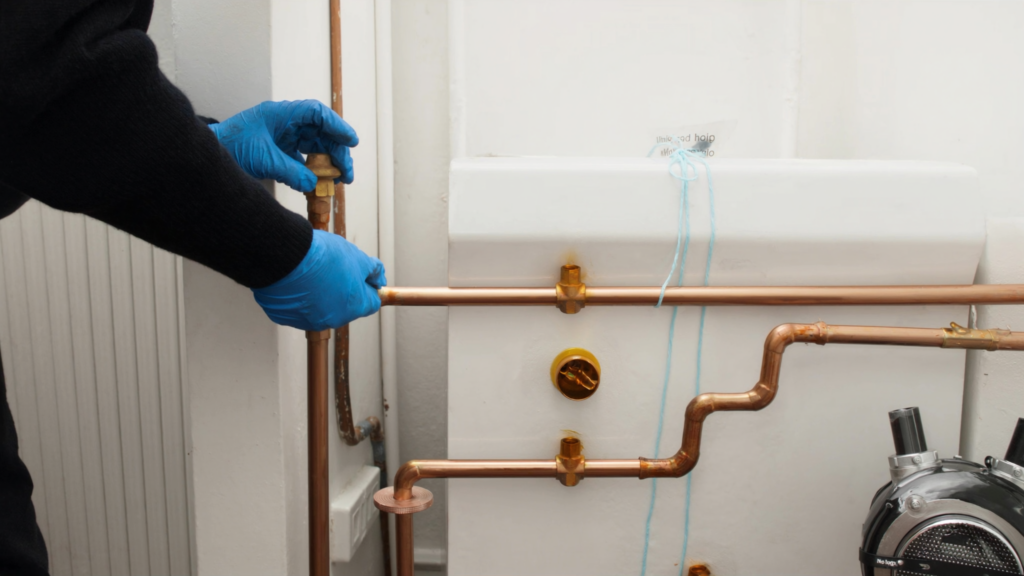
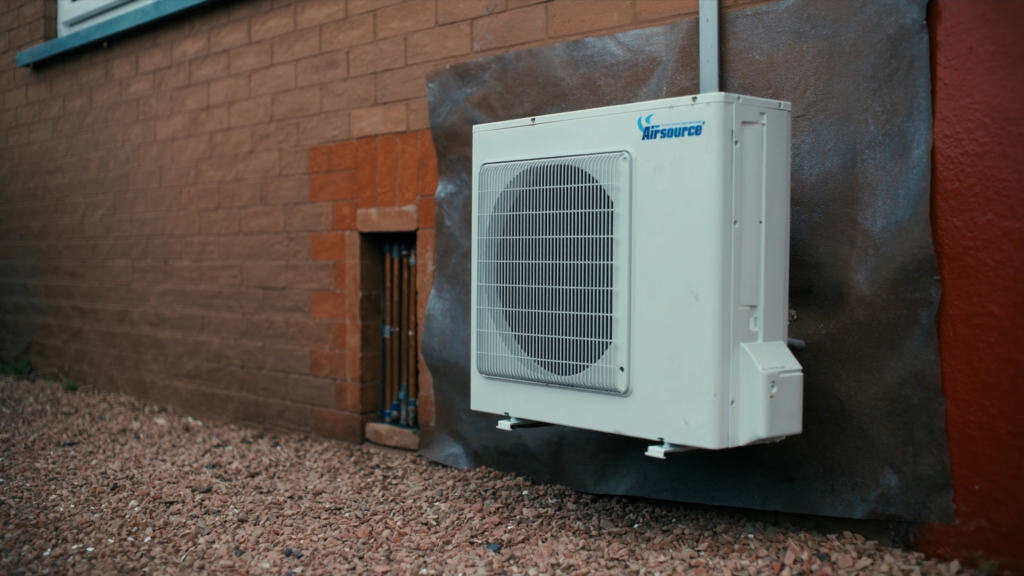
Once your old boiler fails after 2035 and cannot be repaired, you must install a low-carbon heating system. Options include air-source heat pumps, ground-source heat pumps, or hybrid systems that pair a heat pump with a smaller boiler. The Boiler Upgrade Scheme offers grants of up to £7,500 towards the cost of a heat pump installation (GOV.UK, 2026). A typical air-source heat pump costs between £7,000 and £13,000 installed, so the grant significantly reduces the upfront expense.
Early planning saves money and disruption
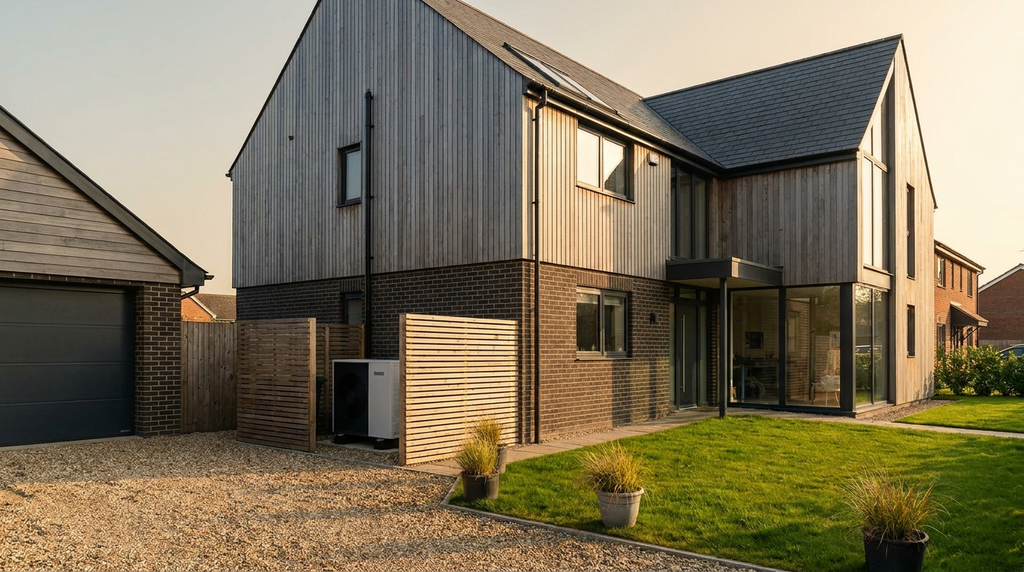
Waiting until your boiler fails in 2035 or later could leave you without heating for days while you arrange a low-carbon installation. Heat pump installations often require larger radiators, hot water tanks, and sometimes planning permission for outdoor units. The Microgeneration Certification Scheme (MCS) recommends assessing your home’s insulation and heat loss now to avoid last-minute costs (MCS, 2026). Replacing a boiler in good condition before 2035 is not required, but planning ahead reduces financial pressure and ensures you get the best grant rates.
A worked example
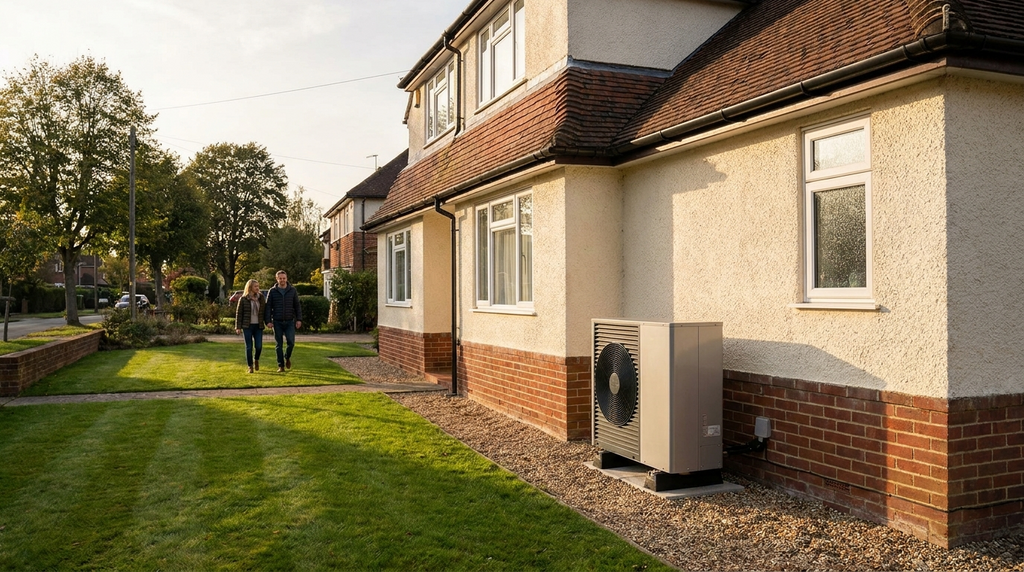
For a typical 1930s semi-detached house in Manchester with a 15-year-old gas boiler, replacing it today with an air-source heat pump costs roughly £14,000 upfront, but the Boiler Upgrade Scheme (BUS) grant of £7,500 cuts your net cost to £6,500. The Energy Saving Trust estimates this home would save around £395 per year on heating bills compared to an old G-rated boiler, meaning the system pays for itself in roughly 16 years. Over a 25-year lifespan, total savings reach approximately £9,875, and you avoid the 2035 ban entirely because your new heat pump is a low-carbon installation. If your current boiler is already inefficient and you qualify for ECO4 funding, the upfront cost could drop further or even reach zero. Remember that 0% VAT on heat pumps and insulation applies until March 2027, making this switch more affordable now than waiting.
| Item | Figure |
|---|---|
| Upfront cost after grants | £6,500 |
| Yearly savings | £395 |
| Payback period | 16 years |
| 25-year lifetime savings | £9,875 |
What homeowners often get wrong
The most common mistake is assuming the 2035 ban forces you to scrap your working boiler immediately. Here are three frequent errors that cost homeowners money and peace of mind.
- Thinking you must remove the boiler by 2035 You can keep your existing gas boiler running past 2035 with no penalty, the ban only stops new fossil-fuel boiler installations, not continued use of old ones. Waiting until your boiler fails naturally saves you the cost of an unnecessary early replacement.
- Believing repairs are banned after 2035 Many homeowners think they cannot fix a broken boiler post-2035, but parts and servicing remain fully legal under current rules. This misconception leads people to panic-buy a heat pump before their boiler actually needs replacing, wasting thousands on premature work.
- Assuming the ban applies to all homes equally Off-gas-grid homes in rural Scotland or Northern Ireland may face later deadlines or exemptions, especially for oil and LPG boilers. Checking GOV.UK guidance for your specific property type prevents you from acting on blanket advice that does not apply to your situation.
Quick reference
- From 2035, no new standalone gas or oil boilers can be sold or installed in the UK, but existing ones can stay in use.
- The Boiler Upgrade Scheme offers £7,500 off an air-source heat pump installation until at least 2028.
- To qualify for the BUS grant, your property must have a valid Energy Performance Certificate with no outstanding recommendations for loft or cavity wall insulation.
- Replacing an old G-rated boiler with a heat pump typically saves £395 to £455 per year on heating bills for a semi-detached home.
- If you install a new gas boiler after 2035, you risk being unable to repair it if parts become scarce or regulations tighten further.
Frequently Asked Questions
No. The 2035 ban applies to new installations, not existing boilers. The Energy Saving Trust confirms you can keep your current boiler until it fails.
Yes, you can repair your boiler and replace parts after 2035. The ban only affects the sale and installation of new standalone fossil-fuel boilers.
If your boiler breaks down irreparably after 2035, you must replace it with a low-carbon heating system like a heat pump. GOV.UK states that new installations must be low-carbon from that date.