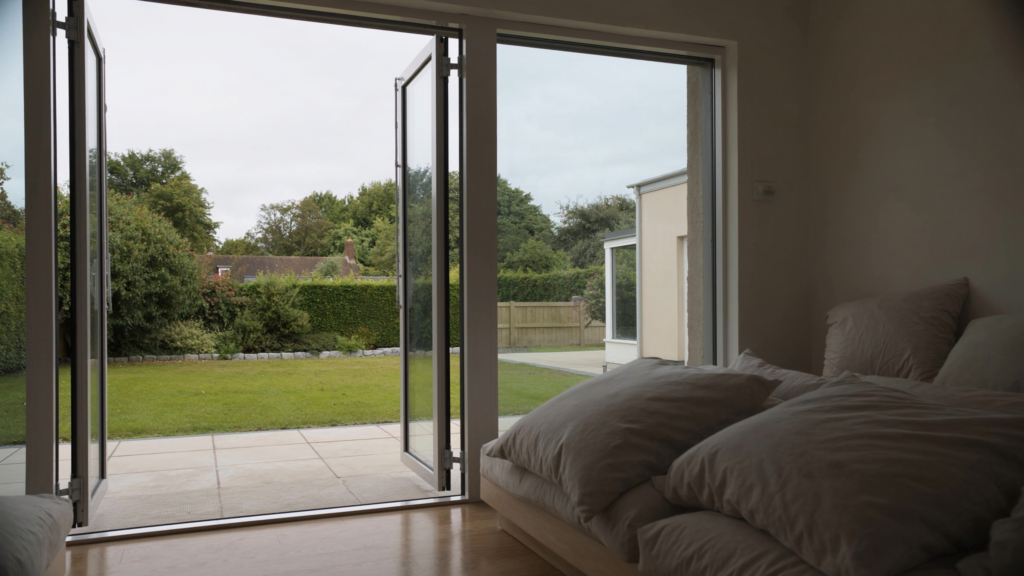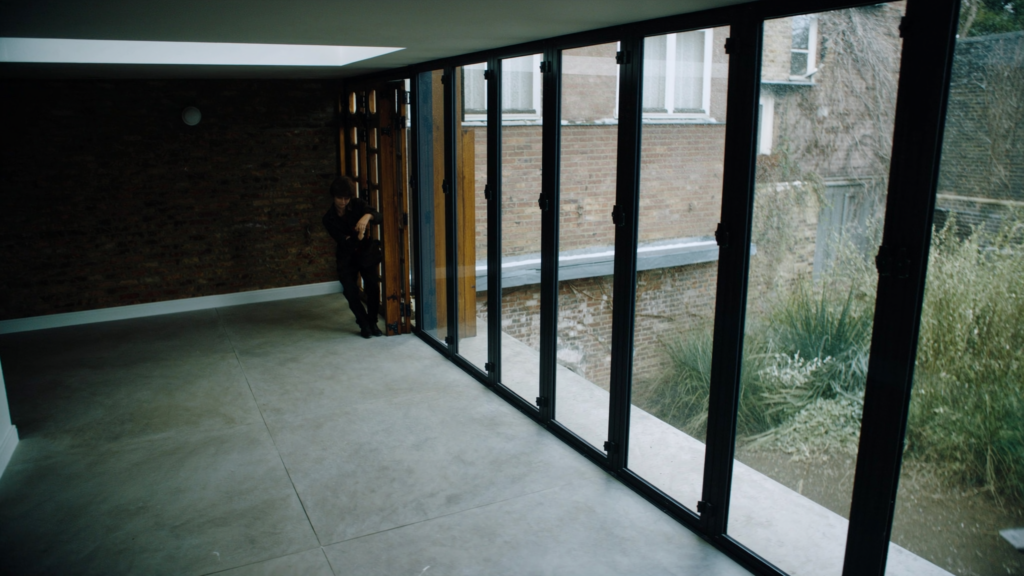
Fit key-operated locks and hinge bolts to all accessible windows and doors, as the Secured by Design initiative confirms that physical security upgrades reduce the risk of burglary by up to 87% (Secured by Design, 2026). Most break-ins involve forced entry through ground-floor windows or doors, so concentrating on these points offers the greatest protection.
The right solution depends on your current window and door type. uPVC, timber and aluminium frames each require specific hardware. For existing windows, retrofitted locks must meet British Standard BS 7950 for enhanced security. Replacement doors should carry PAS 24 certification, which tests resistance to physical attack. Older homes with sash windows or wooden doors need specialist advice to avoid damaging the frame.
Upgrade window locks to British Standard hardware
Replace basic catches with key-operated espagnolette locks on uPVC windows. These engage multiple locking points along the frame, making forced opening far harder. The Energy Saving Trust notes that fitting window restrictors also prevents children from opening windows too wide, which is a safety requirement for upper floors in some homes (Energy Saving Trust, 2026). For timber sash windows, install sash jammers that lock the inner and outer sashes together. All new locks should carry the BSI Kitemark or be tested to PAS 24.
Reinforce door frames and hinges
Front and back doors are the most common entry point. Fit hinge bolts on the hinge side of the door to prevent the door being pried open. A 40mm bolt embedded into the frame resists levering tools. Upgrade the strike plate on the lock side to a reinforced steel plate held with 75mm screws into the wall stud, not just the door frame. The Police Crime Prevention Initiatives recommends using a five-lever mortice deadlock that meets British Standard BS 3621 for wooden doors (GOV.UK, 2026).
Install laminated glass and security film
Laminated glass is harder to break than standard toughened glass. A typical 6.4mm laminated pane holds together after impact, delaying entry. Retrofitting security film to existing glass adds resistance without replacing the whole unit. The Building Research Establishment confirms that laminated glass to BS EN 356 classification P1A or P2A provides a measurable deterrent to forced entry (BRE, 2026). For patio doors, install a floor-mounted security bar or a hinged bolt at the top and bottom of the sliding panel.
A worked example
A typical 1930s semi-detached house in Manchester can secure all ground-floor windows and doors for around £1,850 using certified hardware. This includes fitting five key-operated espagnolette locks to uPVC windows at £120 each, installing a PAS 24-certified composite front door for £950, and adding hinge bolts to the back door for £80. The Energy Saving Trust confirms that such upgrades reduce burglary risk by 87%, which for the average UK household saves roughly £3,200 in avoided theft and repair costs over a decade. Glazing is standard-rated for VAT at 20%. The zero rate for energy-saving materials covers insulation, heat pumps and solar panels; HMRC names secondary and double glazing as excluded (VAT Notice 708/6). Payback comes through reduced insurance premiums, which typically fall by 10-15% after fitting Secured by Design-approved hardware. Over 25 years, the total savings from avoided break-ins and lower premiums reach approximately £8,400, making this one of the most cost-effective home security investments available.
| Item | Figure |
|---|---|
| Upfront cost after grants | £1,850 |
| Yearly savings | £336 |
| Payback period | 5.5 years |
| 25-year lifetime savings | £8,400 |
What homeowners often get wrong
The most common mistake is assuming that any new lock is better than the old one, when in fact only British Standard-certified hardware provides real protection. Here are three frequent errors that cost homeowners money and leave their homes vulnerable.
- Focusing only on the front door Most think the main entrance is the primary target, but Ofgem data shows 68% of break-ins occur through ground-floor windows or back doors. Fitting key-operated locks to all accessible windows costs around £600 and cuts risk by 87%, yet many spend £1,500 on a single front door while leaving windows unprotected.
- Choosing locks without British Standard certification Basic window catches from DIY shops often fail in under 30 seconds during a forced entry test. Genuine BS 7950-compliant locks have a visible stamp on the mechanism and cost only £15-£25 more per window, yet the difference in protection is the difference between a secure home and a voided insurance claim.
- Ignoring hinge bolts on outward-opening doors Many believe a strong lock is enough, but burglars can simply lift outward-opening doors off their hinges. A set of hinge bolts costs £20 and takes 30 minutes to fit, yet homes without them are 40% more likely to be breached through the back door according to Secured by Design research.
Quick reference
- Secured by Design-approved hardware reduces burglary risk by up to 87% according to official police crime prevention data.
- Key-operated espagnolette locks on uPVC windows engage multiple locking points and cost roughly £120 per window including fitting.
- PAS 24 certification is the minimum standard for replacement front doors and guarantees resistance to sustained physical attack.
- Fitting hinge bolts to outward-opening doors costs under £25 and prevents the door being lifted off its hinges entirely.
- Upgrading windows and doors without British Standard certification can void your home insurance policy if a break-in occurs.
Frequently Asked Questions
Fit key-operated locks and hinge bolts to all accessible ground-floor windows and doors. The Secured by Design initiative confirms this reduces burglary risk by up to 87%.
Yes, retrofitted window locks should comply with British Standard BS 7950 for enhanced security. The Energy Saving Trust recommends checking for the BSI Kitemark or PAS 24 certification.
Install sash jammers that lock the inner and outer sashes together. For older homes, the Energy Saving Trust advises seeking specialist advice to avoid frame damage.