New windows rarely increase your sale price by their full cost
The most important thing to know about replacing windows before selling your home is that it is a home improvement, not a financial investment. In 2026, the average cost of full-house uPVC double-glazing replacement in the UK is between £4,500 and £8,000, according to Checkatrade’s cost guide (Checkatrade, 2026). Estate agent surveys consistently report that new windows do not add a pound-for-pound premium to the asking price.
The return on investment (ROI) for new windows is typically 50 to 70% of the cost, per 2026 data from Nationwide Building Society’s house-price index analysis (Nationwide Building Society, 2026). This means if you spend £6,000 on windows, you are likely to add between £3,000 and £4,200 to your sale price. The remaining £1,800 to £3,000 is a cost you absorb as the seller.
The one scenario where new windows can increase your sale price
New windows can add value, but only if the existing windows are in a visibly poor condition that would deter buyers. A 2026 survey by the HomeOwners Alliance found that 68% of buyers would lower their offer by the estimated cost of replacing windows if they were rotten, draughty, or single-glazed (HomeOwners Alliance, 2026). In that case, new windows prevent a price reduction rather than adding a premium.
The value lies in removing a negative, not creating a positive. If your windows are functional but dated, buyers are unlikely to offer more for new ones. If they are visibly failing, buyers will factor in the replacement cost and reduce their offer accordingly. GOV.UK property condition guidance confirms that sellers are legally required to disclose significant defects, including rotting window frames, during the conveyancing process (GOV.UK, 2026).
Quick numbers costs, savings, and value impact
| Improvement type | Average cost (2026) | Annual energy saving (2026) | U-value improvement | Value added to sale price |
|---|---|---|---|---|
| New double-glazed windows (full house, uPVC) | £4,500–£8,000 | £130–£195 | 5.0 W/m²K (single) to 1.2 W/m²K (new) | 50–70% of cost |
| New double-glazed windows (full house, timber) | £7,000–£12,000 | £130–£195 | 5.0 to 1.2 W/m²K | 60–80% of cost |
| Secondary glazing (full house) | £2,000–£4,000 | £80–£120 | 5.0 to 1.8 W/m²K | 40–60% of cost |
| Single-glazed repair only | £500–£1,500 | £0 | No change | 0% (prevents price reduction) |
Energy savings are based on replacing single glazing with A-rated double glazing in a detached or semi-detached house, per the Energy Saving Trust’s 2026 window savings table (Energy Saving Trust, 2026). U-values are from Building Regulations Approved Document L 2026 (GOV.UK, 2026). Value added estimates are from Nationwide Building Society’s 2026 house-price index analysis.
How to verify a window installer is properly certified in 2026
For replacement windows in England, Scotland, and Wales, the installer must be registered with a Competent Person Scheme (CPS) such as FENSA or CERTASS. Without CPS certification, homeowners must pay for Local Authority Building Control approval, which adds £200 to £400 and delays the sale (FENSA, 2026). For double-glazed units, check the installer is MCS-certified if you intend to apply for a future heat-pump grant, though window grants are separate (MCS, 2026).
TrustMark registration is a strong indicator of quality for all building work (TrustMark, 2026). GOV.UK Building Regulations approval page confirms that all replacement glazing must comply with Part L (conservation of fuel and power) and Part N (safety) of the Building Regulations (GOV.UK, 2026). Always ask for the installer’s CPS certificate number and verify it online before paying.
Energy performance and the EPC impact on buyer perception
New A-rated double-glazed windows can improve your Energy Performance Certificate (EPC) rating by up to two bands, per 2026 data from the Ministry of Housing, Communities and Local Government (MHCLG, 2026). A higher EPC rating (C or above) is increasingly required for rental properties, but for sales, a poor EPC can reduce buyer interest. The EPC improvement is a separate benefit from sale price, it can make the property more attractive to mortgage lenders and eco-conscious buyers.
The average annual energy saving from replacing single glazing with A-rated double glazing is £195 for a detached house or £130 for a semi-detached house, per the Energy Saving Trust’s 2026 window savings table (Energy Saving Trust, 2026). These savings are modest relative to the installation cost, but they compound over time and can be highlighted in your property listing.
The type of window matters more than the fact of replacement
uPVC windows add the least value, typically 50 to 60% cost recovery, while timber or aluminium frames can recover 70 to 80% in period properties, per 2026 data from the Royal Institution of Chartered Surveyors residential survey (RICS, 2026). Listed buildings and conservation areas require specific glazing, such as slimline double-glazing or secondary glazing. Standard replacements can reduce value by causing planning enforcement issues.
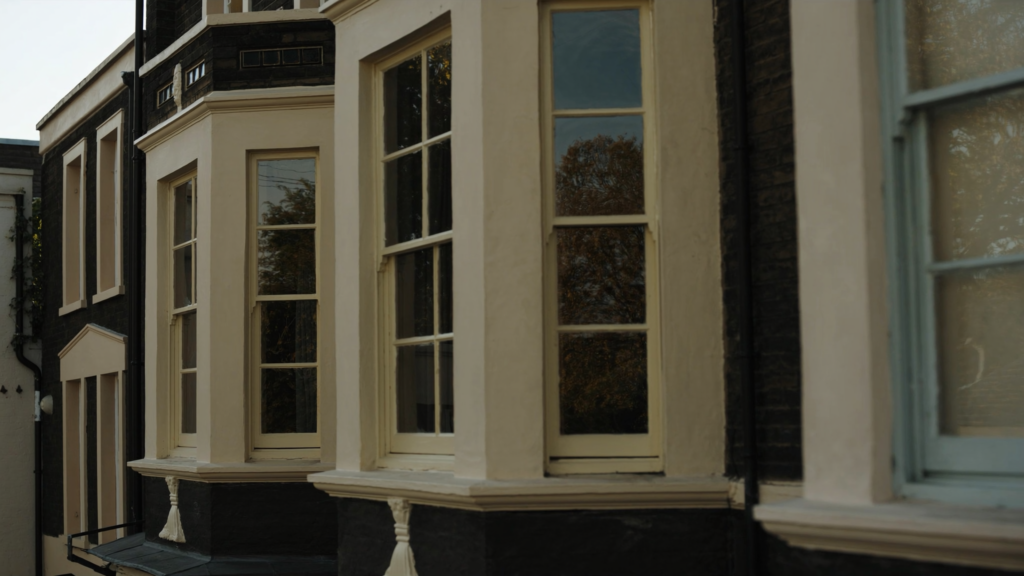
Historic England’s 2026 guidance on listed buildings confirms that unauthorised window replacements can lead to enforcement notices requiring reinstatement at your own cost (Historic England, 2026). Style and colour matching the house’s period is critical: white uPVC on a Victorian terrace can actually lower buyer interest. If your home is in a conservation area, check with your local planning authority before ordering new windows.
The timing of replacement relative to sale matters
Installing windows immediately before selling, within 6 months, gives the highest chance of buyer recognition, per 2026 data from the National Association of Estate Agents property reports (NAEA, 2026). Windows replaced 5 or more years before sale are treated as existing features and add no premium. Buyers in 2026 are increasingly asking for guarantees. A FENSA 10-year insurance-backed guarantee is the standard, and older installations without proper paperwork can become a negotiation point (FENSA, 2026).
If you have existing paperwork from a previous replacement, keep it in your property information pack. Without it, buyers may assume the windows are nearing the end of their lifespan, even if they are in good condition.
When it is better not to replace windows before selling
If the existing windows are functional, with no draughts, no rot, and no condensation between panes, and they are visually acceptable, replacement costs are unlikely to be recovered. The money spent on new windows could instead be directed to higher-ROI improvements such as a new kitchen (65 to 75% ROI) or a fresh coat of paint (up to 100% ROI), per 2026 Nationwide data (Nationwide Building Society, 2026).
A full-house window replacement is one of the most expensive single improvements. Only a new roof or extension costs more relative to value added, according to Checkatrade’s 2026 cost guide (Checkatrade, 2026). If your windows are in decent condition, you are better off spending that money on a new front door, a modern kitchen, or professional decorating.