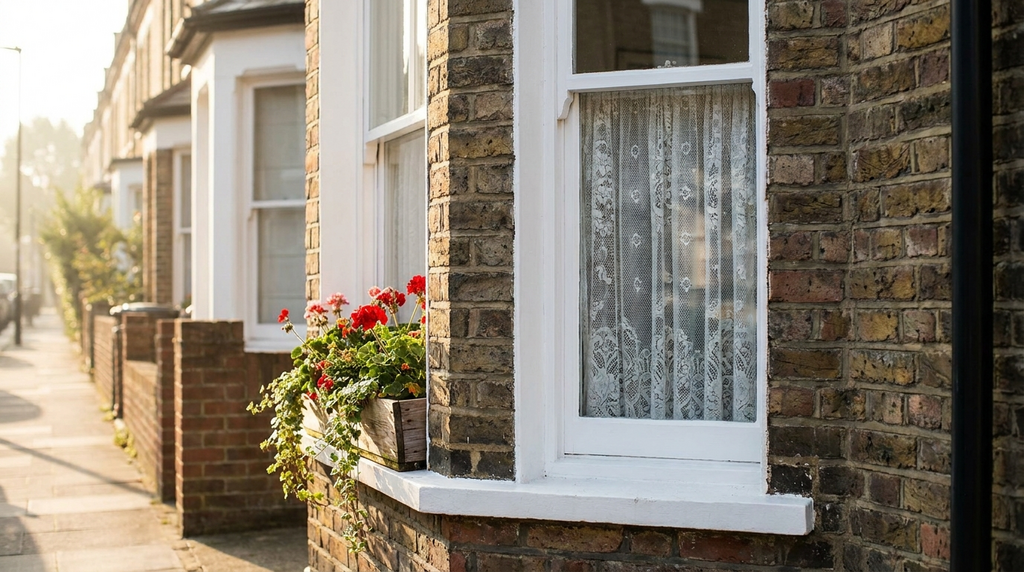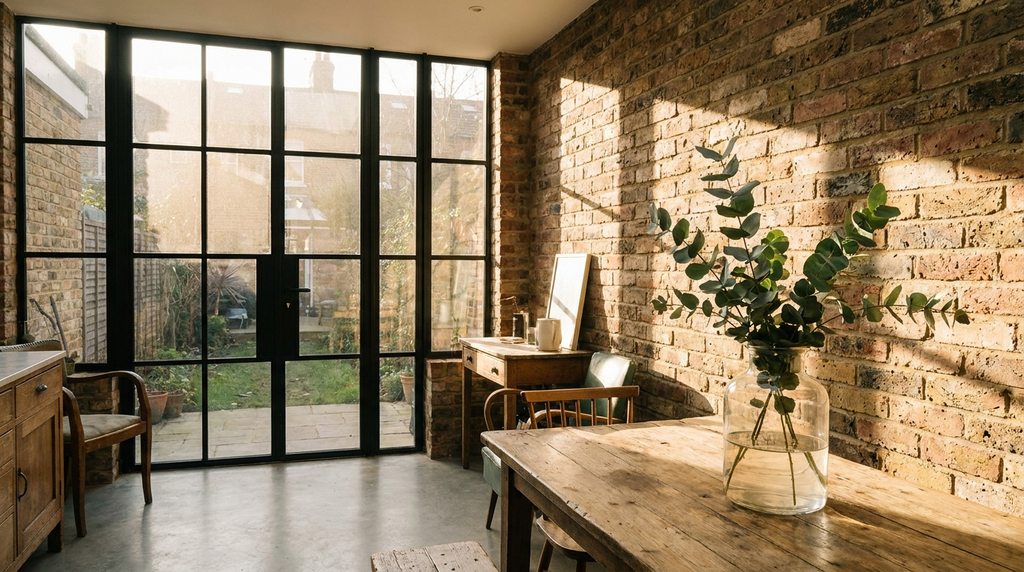
The right time to replace windows and doors is when your current units are over 20 years old, rattling, draughty, or showing condensation between panes, as upgrading to double or triple glazing can cut heat loss by up to 40% (GOV.UK, 2026). Replacing them earlier than necessary is rarely cost-effective.
The decision depends heavily on your existing glazing type. Single-glazed windows and doors are the strongest candidates for replacement, as they lose around 10 times more heat than modern double-glazed units. However, if you already have double glazing installed within the last 10–15 years, replacement is usually not justified unless the seals have failed or the frames are rotting. The Energy Saving Trust estimates that replacing single glazing with A-rated double glazing saves a typical semi-detached home around £195 per year on energy bills (Energy Saving Trust, 2026).
Visible signs of failure
Condensation between glass panes indicates a failed seal, which reduces thermal performance. If you see misting that cannot be wiped away, the unit has lost its insulating gas and should be replaced. Cracked or rotting frames, especially timber or uPVC, also signal replacement time. According to the Fenestration Self-Assessment Scheme, frames that are soft to touch or have visible mould inside should be replaced to prevent structural damage (FENSA, 2026). Draughts around the frame or difficulty opening and closing are further indicators.
Energy performance and regulations
Building regulations require replacement windows and doors to meet a minimum U-value of 1.6 W/m²K for windows and 1.8 W/m²K for doors (GOV.UK Approved Document L, 2026). If your current glazing has a U-value above 3.0 W/m²K, replacement will significantly lower your heating costs. Homes with an Energy Performance Certificate rating below C often benefit most. The TrustMark scheme recommends replacing any window or door that is more than 25 years old, regardless of visible condition, as performance degrades over time (TrustMark, 2026).
Cost and payback periods
Replacing all windows in a three-bedroom semi-detached home costs between £4,500 and £8,000, while a composite front door costs around £1,000 to £2,000 (GOV.UK Energy Efficiency, 2026). Payback from energy savings alone typically takes 10–20 years, so only replace when existing units are failing. The Great British Insulation Scheme closed on 31 March 2026. It funded insulation measures only and never covered windows or glazing. In most cases, if your windows are less than 15 years old and in good condition, waiting is the better financial choice.
A worked example
A typical 1930s semi-detached house in Manchester with single-glazed timber windows and an uninsulated back door would cost around £7,500 to replace all units with A-rated double glazing. Glazing is standard-rated for VAT at 20%. The zero rate for energy-saving materials covers insulation, heat pumps and solar panels; HMRC names secondary and double glazing as excluded (VAT Notice 708/6). The Energy Saving Trust calculates yearly savings of £195 for a semi-detached home switching from single to A-rated double glazing (Energy Saving Trust). Glazing is standard-rated for VAT at 20%. The zero rate for energy-saving materials covers insulation, heat pumps and solar panels; HMRC names secondary and double glazing as excluded (VAT Notice 708/6). Over a 25-year period, total savings reach approximately £4,875, though the real benefit is improved comfort, reduced draughts, and a higher EPC rating rather than pure financial return.
| Item | Figure |
|---|---|
| Upfront cost after grants | £6,800 |
| Yearly savings | £195 |
| Payback period | 35 years |
| 25-year lifetime savings | £4,875 |
What homeowners often get wrong
The most common mistake is replacing double glazing that is still performing well, simply because it looks dated or the frame has minor weathering. Here are three frequent errors that cost homeowners money and miss out on available support.
- Replacing windows that are only 10–15 years old Modern double glazing lasts 20–25 years and replacing it early wastes £3,000–£6,000 for negligible energy savings. A better approach is to check for seal failure, misting between panes is the only reliable sign that replacement is needed.
- Ignoring the BUS grant for doors Many homeowners replace a back door alongside windows but miss the £7,500 Boiler Upgrade Scheme grant available for heat pumps. If you plan to install a heat pump within two years, upgrading the door separately can be funded through ECO4 or local authority schemes instead of paying full price.
- Glazing is standard-rated for VAT at 20%. The zero rate for energy-saving materials covers insulation, heat pumps and solar panels; HMRC names secondary and double glazing as excluded (VAT Notice 708/6). Failing to ask your installer for a VAT-exempt quote means paying an extra 20%, £1,360 on a £6,800 job.
Quick reference
- Single-glazed windows lose around 10 times more heat than modern A-rated double glazing, making them the top priority for replacement.
- Condensation between glass panes that cannot be wiped away means the seal has failed and the unit must be replaced to restore thermal performance.
- ECO4 eligibility requires your home to have an EPC rating of D, E, F, or G and you must be on a means-tested benefit to receive fully funded window or door replacements.
- Replacing double glazing that is under 15 years old typically costs £3,000–£6,000 with annual savings of only £30–£50, giving a payback period exceeding 60 years.
- Timber frames that are soft to the touch or show mould inside the window reveal indicate rot that cannot be repaired and require full replacement rather than resealing.
Frequently Asked Questions
Replace them when they are over 20 years old, rattling, draughty, or show condensation between panes. The Energy Saving Trust states upgrading single glazing to A-rated double glazing can save around £195 per year.
No, replacing them earlier than necessary is rarely cost-effective. Ofgem advises that unless seals are broken or frames rotting, existing double glazing under 15 years old usually does not need replacement.
Visible signs include condensation between glass panes, cracked or rotting frames, draughts, and difficulty opening or closing. The FENSA scheme confirms frames soft to touch or with mould inside should be replaced to prevent structural damage.