Scottish planning rules treat heritage windows differently from standard replacements
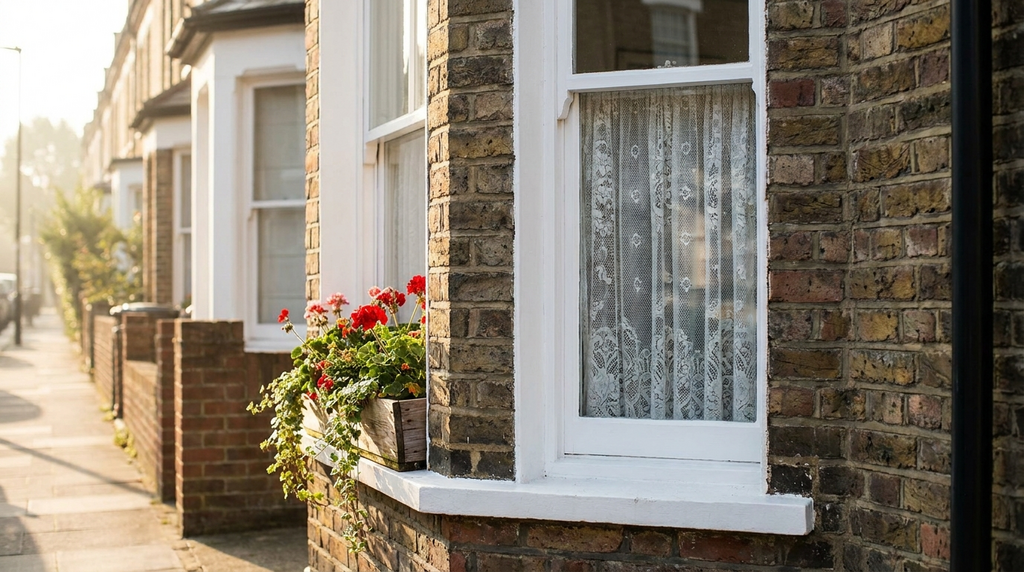
In Scotland, “heritage windows” generally refers to windows in listed buildings, conservation areas, or tenements that contribute to historic character. The legal framework that governs these windows is distinct from rules for standard replacements in unclassified homes. Under the Planning (Listed Buildings and Conservation Areas) (Scotland) Act 1997, any alteration to a listed building, including window replacement, requires listed building consent before work begins (Scottish Government, 2026).
In Scotland, heritage windows in listed buildings require listed building consent before any replacement. Conservation area rules are less strict but still restrict material changes. Grants cover draught-proofing and secondary glazing, not full replacements. Check with your local authority first.
- Listed building consent required for any window alteration in Scotland.
- Like-for-like repairs in conservation areas may be permitted development.
- Changing materials, even timber to uPVC, often needs planning permission.
- Home Energy Scotland grants cover draught-proofing and secondary glazing only.
- Households under £34,000 income may get 100% grant for eligible work.
- Scottish planning rules treat heritage windows differently from standard replacements
- Who qualifies for Scottish heritage window grants, and who does not
- The direct answer to "Can I replace heritage windows in Scotland?"
- Quick numbers, costs, grants, and energy savings for heritage windows
- How to verify a heritage window installer in Scotland, MCS, TrustMark, and FENSA
- The planning process for heritage window replacement in Scotland
- What happens if you replace heritage windows without permission in Scotland
In conservation areas, the rules are slightly less restrictive but still specific. Like-for-like repairs, replacing a broken pane with the same material and design, may be permitted development. However, replacing non-original windows or changing materials, design, or finish often requires planning permission. Local authorities have discretion to interpret “like-for-like” strictly, so even a change from timber to uPVC with the same profile can trigger a requirement for consent. The Scottish Government’s guidance on listed buildings and conservation areas sets out these distinctions (Scottish Government, 2026).
Who qualifies for Scottish heritage window grants, and who does not
The Energy Saving Trust (EST) administers the Home Energy Scotland (HES) grant and loan scheme, which can fund window-related improvements in some heritage properties. Eligible properties include those in conservation areas or listed buildings, but the scheme specifically covers draught-proofing and secondary glazing, not full replacement of original single-glazed windows (Energy Saving Trust, 2026).
Households with a total income below £34,000 for a single person (adjusted for household size) may qualify for a 100% grant covering the full cost of eligible work. Higher-income homes may receive a 0% interest loan instead of a grant. The grant does not cover replacement of historic windows with modern double-glazed units, because that would typically require planning consent and could harm the building’s character. For owners of heritage properties, the practical route is to draught-proof existing frames and add secondary glazing internally, which preserves the original appearance while improving thermal performance.
The direct answer to “Can I replace heritage windows in Scotland?”
Yes, but only in specific circumstances and with prior consent. Replacement of original historic windows is generally not permitted unless they are beyond repair and cannot be upgraded with draught-proofing or secondary glazing. For listed buildings, you must prove the windows are “beyond economic repair” and that the replacement is like-for-like in design, material, and appearance (Historic Environment Scotland, 2026).
For tenements in conservation areas, replacement may be allowed if the new windows meet “traditional appearance” standards set by the local authority. This typically means timber sash-and-case windows with glazing bars matching the original pattern. uPVC is almost never acceptable in conservation areas or listed buildings. The key test is whether the replacement preserves or enhances the character of the building and its surroundings. If the windows are repairable, consent for replacement is unlikely to be granted.
Quick numbers, costs, grants, and energy savings for heritage windows
| Item | Figure | Source |
|---|---|---|
| HES grant for draught-proofing (maximum per household) | £7,500 (capped at 100% of eligible costs for low-income households) | Energy Saving Trust, 2026 |
| Typical cost of secondary glazing for a single heritage window | £400–£800 per window (magnetic or tracked systems) | Energy Saving Trust, 2026 |
| Typical annual energy saving from secondary glazing (per window) | Approximately 150–250 kWh (based on reducing heat loss through single glazing) | DESNZ, 2026 |
| Typical payback period for secondary glazing on a heritage window | 8–15 years (varies with window size, heating system, and energy prices) | Calculated from Energy Saving Trust and DESNZ data |
How to verify a heritage window installer in Scotland, MCS, TrustMark, and FENSA
For grant-funded work under the HES scheme, installers must be registered with the Microgeneration Certification Scheme (MCS) if the work involves secondary glazing or draught-proofing linked to a heat pump or solar thermal system (MCS, 2026). This certification ensures the installer meets technical standards required for government-funded energy efficiency measures.
For general window replacement that is not grant-funded, TrustMark is the government-endorsed scheme for consumer protection. It covers workmanship and provides a route for dispute resolution (TrustMark, 2026). FENSA or CERTASS are common schemes for demonstrating compliance with building regulations when replacing windows in non-heritage contexts. However, for heritage windows, building regulations compliance is secondary to listed building consent and conservation area approval. Always check the installer’s membership on the relevant register before hiring, each scheme has a public database of registered members.
The planning process for heritage window replacement in Scotland
You must submit a listed building consent application to the local planning authority for any window replacement in a listed building. For conservation areas, submit a planning application for non-like-for-like changes, for example, replacing timber windows with uPVC, or altering the design of the glazing bars (Scottish Government, 2026).
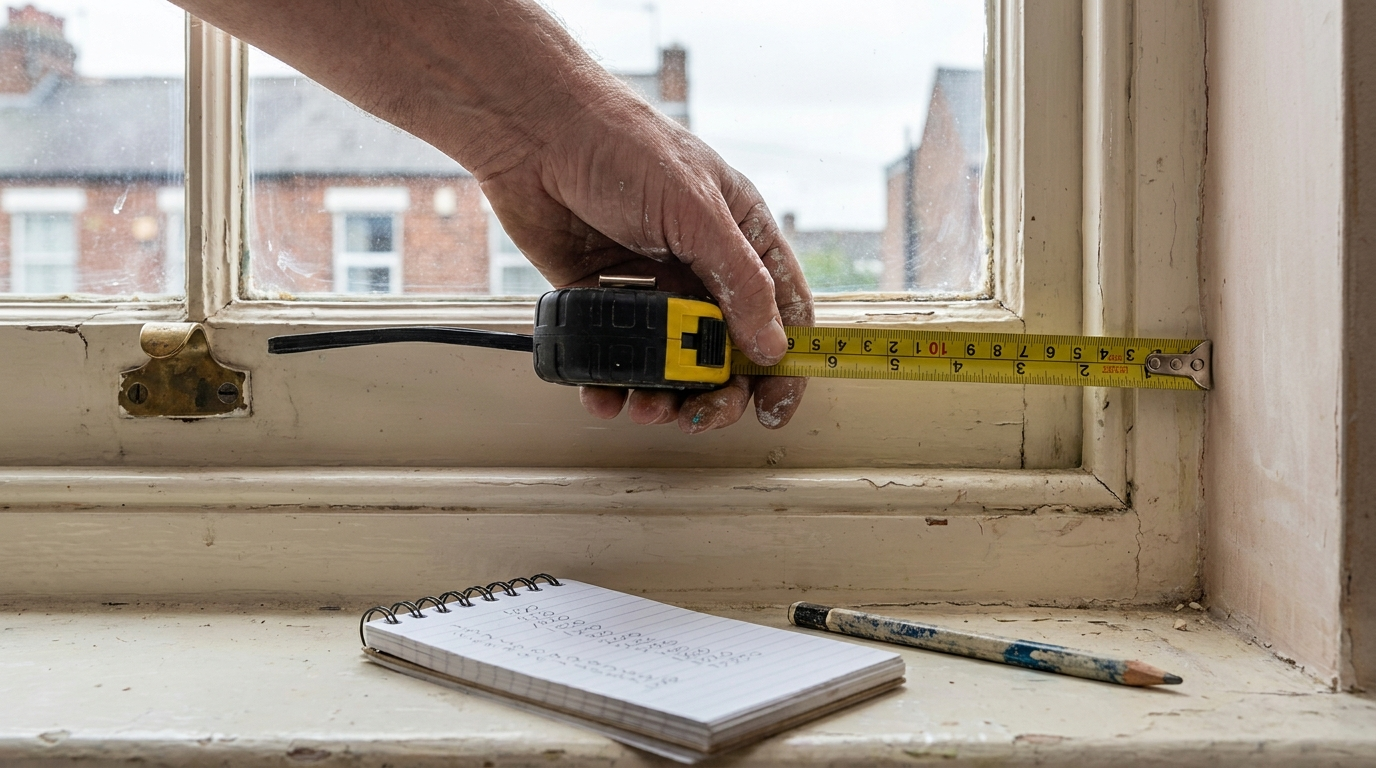
The application typically requires a heritage statement that describes the building’s significance, photographs of the existing windows, and a justification for replacement. Acceptable justifications include structural failure, severe rot that cannot be repaired, or proven energy inefficiency demonstrated by a survey from a qualified surveyor. The local authority will assess whether the proposed replacement matches the original in material, design, finish, and method of opening. For tenements in conservation areas, the application may also need to demonstrate that the replacement meets the “traditional appearance” standards in the council’s supplementary guidance. Processing times vary but typically take 8–12 weeks for listed building consent.
What happens if you replace heritage windows without permission in Scotland
Unauthorised replacement can result in a planning enforcement notice requiring you to reinstate the original windows at your own cost. For listed buildings, the penalty can include criminal prosecution with fines up to £20,000 or imprisonment (Historic Environment Scotland, 2026). Local authorities such as Edinburgh City Council and Glasgow City Council have published enforcement policies that prioritise heritage breaches, meaning they are more likely to act on unauthorised work in conservation areas and listed buildings than on standard planning breaches.
If you purchase a property where previous owners replaced windows without consent, you become liable for compliance. This can complicate sales transactions, as solicitors and lenders typically require evidence of planning consent or an indemnity policy. The safest approach is to obtain written consent from the local authority before any work begins, even if you believe the windows are beyond repair.
How to get planning permission for listed building windows
Secondary glazing vs double glazing for period homes
Frequently Asked Questions
Yes, under the Planning (Listed Buildings and Conservation Areas) (Scotland) Act 1997, any window replacement in a listed building requires listed building consent before work starts, according to the Scottish Government (2026).
Generally no, replacing heritage windows with uPVC in a listed building or conservation area is unlikely to be approved. Even a like-for-like profile change from timber to uPVC can trigger a requirement for planning permission, as per Scottish Government guidance (2026).
Home Energy Scotland grants and loans cover draught-proofing and secondary glazing for heritage properties, but not full window replacement. Eligible households under £34,000 income may get a 100% grant; higher incomes may receive a 0% interest loan, as confirmed by the Energy Saving Trust (2026).
Listed building consent is specifically for alterations to listed buildings, while planning permission may be needed for window changes in conservation areas. The Scottish Government (2026) states that like-for-like repairs in conservation areas may be permitted development, but any material change requires consent.
In most heritage properties, full double glazing replacement is not eligible for Home Energy Scotland grants. Secondary glazing is the recommended alternative, as per the Energy Saving Trust (2026), and may be permitted with consent in listed buildings or conservation areas.