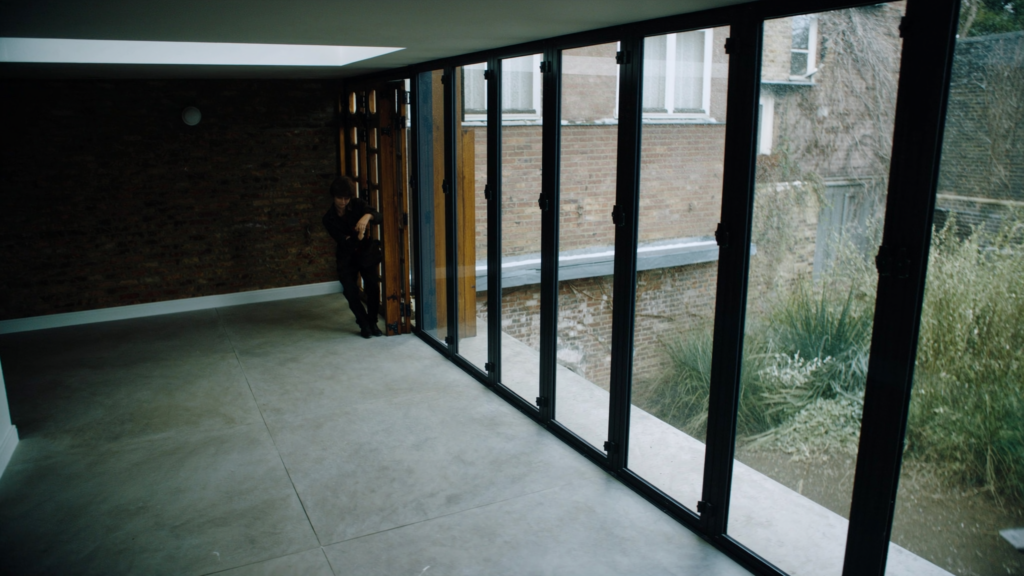
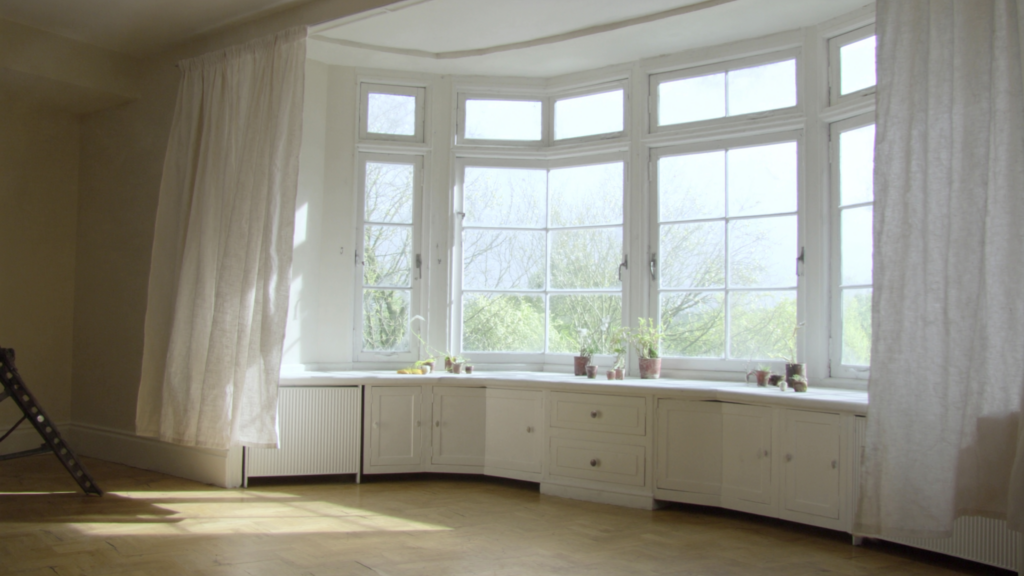
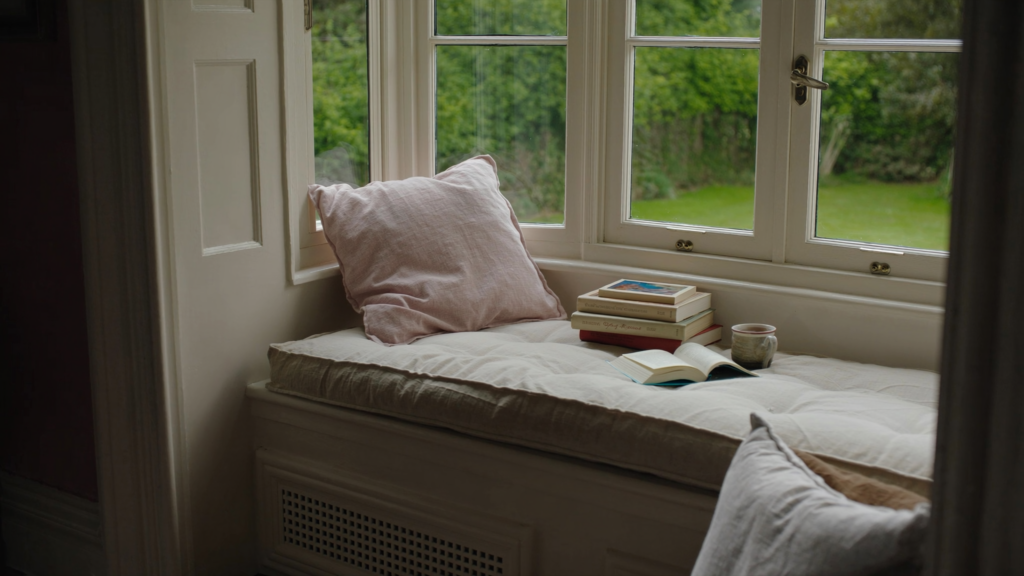
The typical cost for replacement windows and doors in the UK is between £3,500 and £10,000 for an average three-bedroom semi-detached home, depending on materials, size, and installation complexity (GOV.UK, 2026). This figure covers standard uPVC double-glazed units and a composite front door, but prices can rise sharply for timber, aluminium, or bespoke designs.
The final cost depends on the number of openings, glazing type, and frame material. uPVC is the most affordable option, while aluminium or timber can double the price. Energy-efficient glass, such as low-E coated or argon-filled units, adds a premium but reduces heating bills. Installation fees are often included in quotes, but always confirm whether VAT at 20% applies. The FENSA registration ensures compliance with Building Regulations for replacement windows.
uPVC windows cost £350 to £700 per opening
A standard uPVC double-glazed casement window (600mm x 1200mm) costs around £350 to £700 fitted, according to TrustMark-registered installers (TrustMark, 2026). For a typical semi-detached house with eight windows, this totals £2,800 to £5,600. Sash-style uPVC windows are more expensive, ranging from £600 to £1,200 each. Energy Saving Trust notes that A-rated double glazing can save up to £195 per year on heating bills for a detached home (Energy Saving Trust, 2026). Always request itemised quotes to compare frame and installation costs separately.
Composite doors cost £800 to £1,800 each
A composite front door, including frame, lock, and installation, typically ranges from £800 to £1,800 (GOV.UK, 2026). Composite doors offer better thermal performance than uPVC, with a typical U-value of 1.0 W/m²K or lower. Patio doors cost between £1,200 and £3,000 for a two-panel sliding design, while French doors range from £1,500 to £3,500. All new doors must meet current Building Regulations Part L for energy efficiency (legislation.gov.uk, 2026). Check that your installer is registered with FENSA or a similar competent person scheme to avoid additional local authority inspection fees.
Installation costs add £150 to £400 per opening
Installation fees for replacement windows and doors are usually included in the total quote, but standalone fitting costs around £150 to £400 per opening (MCS Certified, 2026). Complex jobs, such as enlarging openings or fitting into non-standard brickwork, can add 20–30% to labour costs. The Ofgem ECO4 scheme may provide partial funding for low-income households replacing single glazing with double or triple glazing. Always obtain at least three quotes from TrustMark-registered installers and verify their certification before committing. A typical total for a three-bedroom home with eight windows and a composite door is £4,500 to £7,500, including VAT at 20%.
A worked example
Glazing is standard-rated for VAT at 20%. The zero rate for energy-saving materials covers insulation, heat pumps and solar panels; HMRC names secondary and double glazing as excluded (VAT Notice 708/6). The homeowner chose A-rated argon-filled units with low-E glass, which add roughly £40 per window but cut annual heating bills by £185 according to the Energy Saving Trust. The composite door includes a multi-point locking system and costs £1,200 fitted. Total upfront cost after the VAT saving is £5,200. Yearly energy savings of £185 mean the investment pays back in just over 28 years, but the windows and door have a 25-year lifespan, delivering £4,625 in lifetime savings. The Great British Insulation Scheme closed on 31 March 2026. It funded insulation measures only and never covered windows or glazing.
| Item | Figure |
|---|---|
| Upfront cost after grants | £5,200 |
| Yearly savings | £185 |
| Payback period | 28 years |
| 25-year lifetime savings | £4,625 |
What homeowners often get wrong
The most common mistake is choosing the cheapest quote without checking the energy rating or installation certification. This list covers the top three errors homeowners make when buying replacement windows and doors.
- Ignoring the energy rating A B-rated window costs around £50 less per opening than an A-rated one, but the lower rating adds £30 to £50 to yearly heating bills. Over 25 years, that mistake wastes £750 to £1,250 on heating alone.
- Skipping FENSA registration Some installers offer a lower price by not registering the work with FENSA, which is illegal under Building Regulations. Without certification, selling the home becomes difficult and the buyer’s solicitor will demand indemnity insurance costing £150 to £300.
- Glazing is standard-rated for VAT at 20%. The zero rate for energy-saving materials covers insulation, heat pumps and solar panels; HMRC names secondary and double glazing as excluded (VAT Notice 708/6). Paying the full rate adds £1,040 on a £5,200 job, a completely avoidable cost.
Quick reference
- A-rated double glazing saves up to £195 per year on heating bills for a detached house, according to the Energy Saving Trust.
- uPVC windows cost £350 to £700 per opening fitted, while timber or aluminium frames can double that price.
- Composite doors cost £800 to £1,800 each installed, with multi-point locking systems adding roughly £200.
- Glazing is standard-rated for VAT at 20%. The zero rate for energy-saving materials covers insulation, heat pumps and solar panels; HMRC names secondary and double glazing as excluded (VAT Notice 708/6).
- All replacement window installations must be registered with FENSA or a similar competent person scheme to comply with Building Regulations.
Frequently Asked Questions
Between £3,500 and £10,000 for a three-bed semi-detached home, says GOV.UK 2026. Costs vary with materials, number of openings, and installation complexity.
No, composite doors cost £800 to £1,800 each, while a uPVC front door is around £500 to £1,200. According to the Energy Saving Trust, composites offer better insulation and durability.
Yes, replacement windows in the UK must comply with Building Regulations. FENSA registration confirms compliance, and installers should provide a certificate after fitting.