Casement vs tilt and turn windows UK The practical decision guide for homeowners
Choosing between casement and tilt and turn windows is one of the most common dilemmas for UK homeowners replacing or installing new glazing. Both types offer good thermal performance, but they differ significantly in how they open, how much they cost, and how they fit into your home.
Casement windows cost £400–£900 per window, while tilt and turn windows cost £600–£1,200. Casements are simpler and easier to retrofit, but tilt and turn offer better airtightness and safe inward cleaning for upstairs rooms.
- Casement windows cost £400–£900 per window supplied and fitted.
- Tilt and turn windows cost £600–£1,200 per window.
- Tilt and turn windows offer better airtightness with multi-point locking.
- Casement windows are easier to retrofit into existing openings.
- Tilt and turn windows allow safe cleaning from inside, ideal for upstairs.
- Casement vs tilt and turn windows UK The practical decision guide for homeowners
- How the opening mechanisms differ and what that means for your daily use
- Thermal performance and U-values which window type is more energy-efficient
- Quick numbers cost, energy rating, and installation comparison
- Which window type suits which room and house style
- The direct answer how to choose between casement and tilt and turn windows for your home
- Eligibility and certification how to verify your window installer is qualified
- How to compare quotes and avoid common pitfalls
Casement windows are the UK standard, typically costing £400–£900 per window supplied and fitted, while tilt and turn windows cost £600–£1,200 per window. The choice depends on your home’s architectural style, room layout, and whether you prioritise ventilation control or outward opening that won’t obstruct garden furniture or pathways. Both types can achieve high thermal performance, but tilt and turn windows generally have better airtightness due to their multi-point locking system. Casement windows are easier to retrofit into existing openings without major structural changes, making them the default for most UK replacement projects.
How the opening mechanisms differ and what that means for your daily use
Casement windows open outward on side hinges, either left or right, using a handle or crank. They provide full-width ventilation but can be blocked by wind or rain if opened outward. Tilt and turn windows have two modes: tilt (inward at the top for secure trickle ventilation) and turn (inward fully like a door for cleaning and emergency escape).
The turn function makes tilt and turn windows safer for upstairs rooms, as you can clean both sides from inside without leaning out. Tilt mode is ideal for leaving open overnight or in rain, as the gap is small and sheltered, but the inward-swinging turn mode can clash with curtains, blinds, or furniture. how to measure window openings for replacement
For daily use, casement windows are simpler: one motion to open or close. Tilt and turn windows require you to select the mode (tilt or turn) via the handle position, which can take a few seconds to learn. The tilt position is particularly useful in kitchens and bathrooms where you want background ventilation without a draught.
Thermal performance and U-values which window type is more energy-efficient
Both casement and tilt and turn windows can achieve U-values of 1.2–1.6 W/m²K with double glazing, and down to 0.8 W/m²K with triple glazing, depending on frame material and glass specification (Glass and Glazing Federation technical data, 2026). Tilt and turn windows typically achieve lower U-values because their multi-point locking system compresses the gasket more evenly, reducing draughts. Casement windows with compression seals and double-glazed low-E glass can match tilt and turn performance, especially if you choose aluminium or uPVC frames with thermal breaks.
The Energy Saving Trust notes that a window’s energy rating depends on the whole unit (frame, glass, and seals), not just the opening type (Energy Saving Trust, 2026). A-rated windows typically have U-values below 1.2 W/m²K. Tilt and turn windows are more likely to achieve an A rating due to their superior airtightness, but a well-specified casement window with a warm-edge spacer and argon fill can also reach A or B.
Quick numbers cost, energy rating, and installation comparison
| Feature | Casement window | Tilt and turn window |
|---|---|---|
| Typical cost per window (supply and fit) | £400–£900 | £600–£1,200 |
| Typical U-value range (double glazed) | 1.2–1.6 W/m²K | 1.0–1.4 W/m²K |
| Energy rating (typical) | B or C | A or B |
| Installation time per window (approx.) | 1–2 hours | 2–3 hours |
| Space needed to open fully | Outward: 0.5–1m clearance outside | Inward: 0.5–1m clearance inside |
Source: Checkatrade cost guide 2026; EST window energy ratings; FENSA installation data (FENSA, 2026).
Which window type suits which room and house style
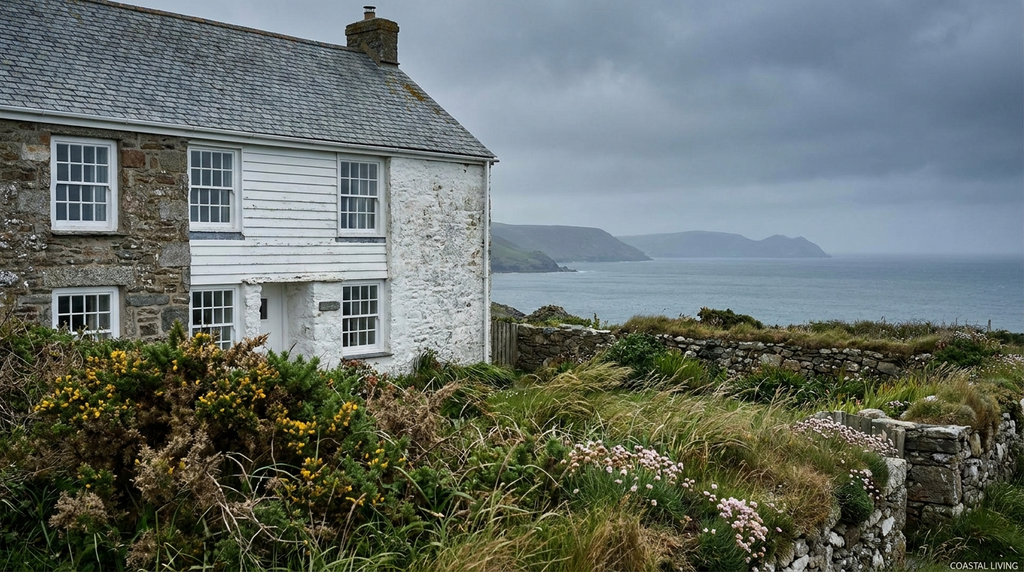
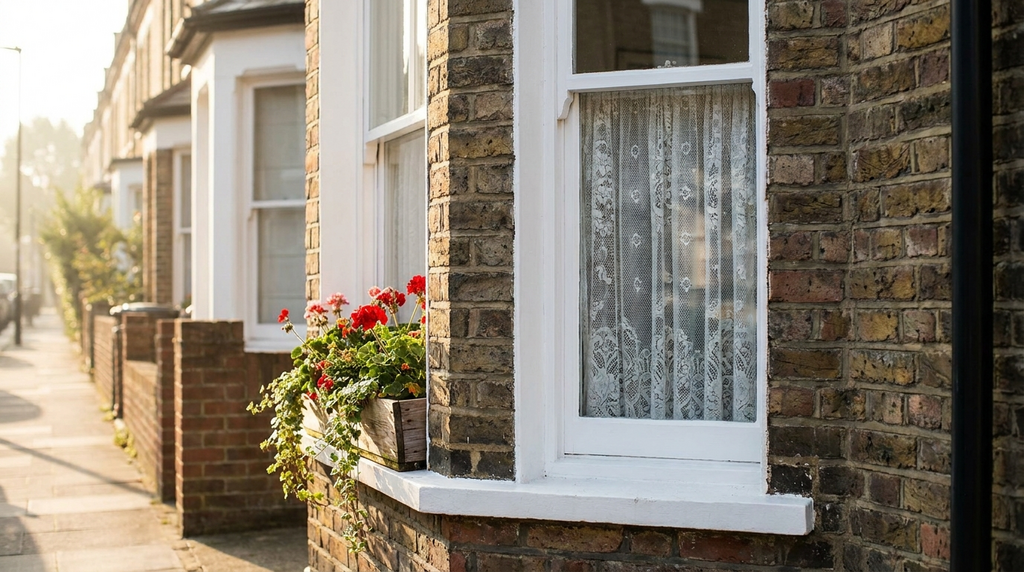
Casement windows are the traditional choice for period properties, cottages, and terraced houses, where outward opening matches the existing street scene. They are also the default for conservation areas where planning restrictions may require a specific opening style (gov.uk, 2026). Tilt and turn windows work best in modern or contemporary homes, especially where you want inward opening for easy cleaning on upper floors or in rooms with limited outside access.
In kitchens or bathrooms, tilt and turn windows allow secure trickle ventilation while cooking or showering, without letting rain in. For bedrooms, tilt and turn windows meet fire escape regulations (minimum 450mm clear opening width) and are easier to use as emergency exits than casement windows (Building Regulations Approved Document B, 2026). Casement windows can also meet escape requirements but typically need a restrictor stay to prevent accidental full opening.
The direct answer how to choose between casement and tilt and turn windows for your home
Choose casement windows if you want lower upfront cost, simpler installation, and outward opening that doesn’t affect indoor space. They are the best value for standard UK homes and are widely available from most local installers. Choose tilt and turn windows if you prioritise better energy efficiency, secure ventilation without draughts, and easy cleaning from inside, especially for upstairs rooms or if you have limited outdoor space.
The decision comes down to your budget, room layout, and whether you are willing to sacrifice indoor space for the tilt-and-turn functionality. For most UK homeowners replacing windows in an existing property, casement windows remain the most practical and cost-effective option. For new-build or major renovation projects where you control the opening sizes, tilt and turn windows offer genuine advantages in energy performance and usability. how much do new windows cost in the UK
Eligibility and certification how to verify your window installer is qualified
All new window installations in England and Wales must comply with Building Regulations Part L (conservation of fuel and power) and Part F (ventilation). Use FENSA or CERTASS registered installers to self-certify (gov.uk, 2026). For casement windows, look for FENSA-registered fitters. For tilt and turn windows, check the installer is also MCS-registered if the windows are part of a renewable energy project (e.g., solar shading) (MCS, 2026).
TrustMark accreditation provides additional consumer protection for both window types, covering workmanship and complaint resolution (TrustMark, 2026). Gas Safe Register applies only if you are integrating gas-powered heating controls, which is not relevant for window installation itself.
How to compare quotes and avoid common pitfalls
Get at least three itemised quotes from FENSA-registered installers, specifying the same glass specification (e.g., 4-16-4 low-E argon-filled) and frame material (uPVC, aluminium, or timber). Ask for the energy rating (A–G) and U-value in writing and compare like-for-like, not just the headline price.
Tilt and turn windows may require deeper window reveals (minimum 200mm) to accommodate the inward swing. Measure your existing opening depth before ordering. Check the guarantee period: casement windows typically come with 10-year guarantees, while tilt and turn windows often have 10–15 years on the mechanism (Glass and Glazing Federation consumer advice, 2026).
Be aware that tilt and turn windows are heavier and may require reinforced frames or lintels in some properties, which can add to installation costs. Always ask the installer to confirm your existing structure can support the window weight before you commit.
Frequently Asked Questions
Tilt and turn windows are typically more expensive, costing £600–£1,200 per window supplied and fitted compared to £400–£900 for casement windows, according to industry averages from the Glass and Glazing Federation.
Tilt and turn windows generally have better airtightness due to their multi-point locking system, which seals more effectively than standard casement locks, as confirmed by Energy Saving Trust guidance on window performance.
Yes, but tilt and turn windows often require deeper frames and may need structural adjustments to the opening, unlike casement windows which are easier to retrofit without major changes, as noted by the Fenestration Self-Assessment Scheme (FENSA).
Yes, tilt and turn windows are safer for upstairs because the turn function allows you to clean both sides from inside without leaning out, and the tilt mode provides secure trickle ventilation, as recommended by the Royal Society for the Prevention of Accidents (RoSPA).
Yes, casement windows open outward and can obstruct garden furniture, pathways, or plants, whereas tilt and turn windows open inward and avoid this issue, making them better for tight outdoor spaces.