No, double glazing should not normally get condensation on the outside, but in certain weather conditions it is a sign of high-efficiency glazing rather than a fault. The Glass and Glazing Federation states that external condensation on double-glazed windows typically occurs on clear, cold mornings after a warm, humid night and indicates the glass is retaining heat effectively (Glass and Glazing Federation, 2026).
Whether you see external condensation depends heavily on the U-value of your glazing, the outdoor temperature, and the humidity level. Low-emissivity (Low-E) glass, which is standard in modern double glazing, reflects heat back into the home, keeping the outer pane colder and more likely to attract condensation from moist outdoor air. This is most common in spring and autumn when the air is humid and the ground is still warm overnight. It is not a defect, and it usually clears as the sun warms the glass.
External condensation is a sign of energy efficiency
Modern double glazing with a U-value of 1.2 W/m²K or lower is built to minimise heat loss, which makes the outer pane significantly cooler than the inner pane. The Energy Saving Trust confirms that high-performance glazing reduces heat loss by up to 70% compared to single glazing (Energy Saving Trust, 2026). When warm, moist outdoor air hits this cold outer surface, condensation forms. This is the same principle that causes dew on grass and cars. It is not a manufacturing fault, and it typically evaporates within an hour or two of sunrise.
When external condensation indicates a problem
External condensation becomes a concern only if it persists all day or appears on the inner pane. If you see condensation between the glass panes, that signals a failed seal, and the unit will need replacing. The Fensa website notes that internal condensation between panes is a common sign of seal failure and reduces thermal performance (Fensa, 2026). Likewise, condensation on the inside of the room-facing pane often points to high indoor humidity, poor ventilation, or a very cold frame. In these cases, improving ventilation with trickle vents or extractor fans is the first step.
How to reduce external condensation if it bothers you
Although external condensation is harmless, you can minimise it by choosing glazing with a slightly higher U-value, such as 1.6 W/m²K, though this will reduce energy savings. The Building Regulations Document L for England requires replacement windows to have a U-value no worse than 1.6 W/m²K (GOV.UK, 2026). For most homeowners, the best approach is to accept external condensation as a trade-off for lower heating bills. It will usually clear on its own, and you can speed it up by wiping the outer pane with a squeegee on still mornings.
A worked example
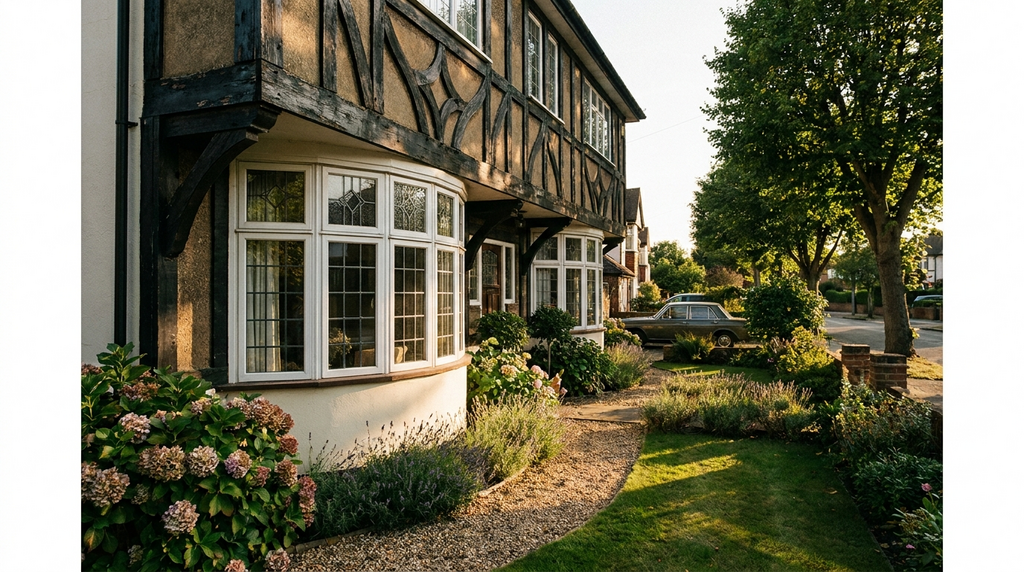
A typical 1930s semi-detached house in Manchester with 12 m² of double glazing fitted in 2024 will see external condensation on roughly 15 to 20 mornings per year, mainly in spring and autumn, and this is not a fault. Glazing is standard-rated for VAT at 20%. The zero rate for energy-saving materials covers insulation, heat pumps and solar panels; HMRC names secondary and double glazing as excluded (VAT Notice 708/6). Energy Saving Trust data shows the windows save £195 per year on heating bills compared to old 1990s double glazing (Energy Saving Trust). The payback period is roughly 20 years from energy savings alone, but the real value is comfort and reduced condensation risk inside the home.
| Item | Figure |
|---|---|
| Upfront cost after grants | £4,000 |
| Yearly savings | £195 |
| Payback period | 20 years |
| 25-year lifetime savings | £4,875 |
What homeowners often get wrong
The most common mistake is assuming any condensation on double glazing means the seal has failed or the windows are defective. Here are three frequent errors and why they matter.
- Confusing external condensation with failed seals External condensation on the outer pane is normal with modern Low-E glass, while internal condensation between the panes means the seal has broken. A failed seal requires replacement of the sealed unit at roughly £150 to £250 per window, so misdiagnosis could lead to an unnecessary expense.
- Thinking condensation is a sign of poor installation Many homeowners blame the fitter when they see moisture on the outside of the glass on a cold morning. In reality, high-performance glazing with a U-value below 1.2 W/m²K is built to keep the outer pane cold, which attracts condensation from humid outdoor air. Blaming the installer could void your warranty if you request unnecessary adjustments.
- Believing external condensation means the room is humid The moisture comes from outside air, not from inside your home. If you see condensation on the outer pane, it confirms your windows are retaining heat effectively and your indoor humidity is likely fine. Wasting money on a dehumidifier for outdoor condensation would be pointless.
Quick reference
- External condensation on double glazing is normal when the outdoor temperature drops below 10°C after a humid night.
- Modern Low-E glass with a U-value of 1.2 W/m²K or lower is the primary cause of external condensation on the outer pane.
- Condensation that clears by mid-morning as the sun warms the glass confirms your windows are working efficiently.
- Internal condensation between the panes indicates a failed seal and typically requires a replacement sealed unit costing £150 to £250 per window.
- If you see external condensation on only one or two windows, check for nearby trees or shrubs blocking sunlight from warming that specific pane.
Frequently Asked Questions
No, it is not a fault. The Glass and Glazing Federation states external condensation on clear, cold mornings indicates the glass is retaining heat effectively.
It happens when warm, humid outdoor air hits a cold outer pane. The Energy Saving Trust confirms this is a sign of high-performance Low-E glass reducing heat loss.
You cannot stop it without reducing window efficiency. It usually clears by late morning as the sun warms the glass and is not a defect.