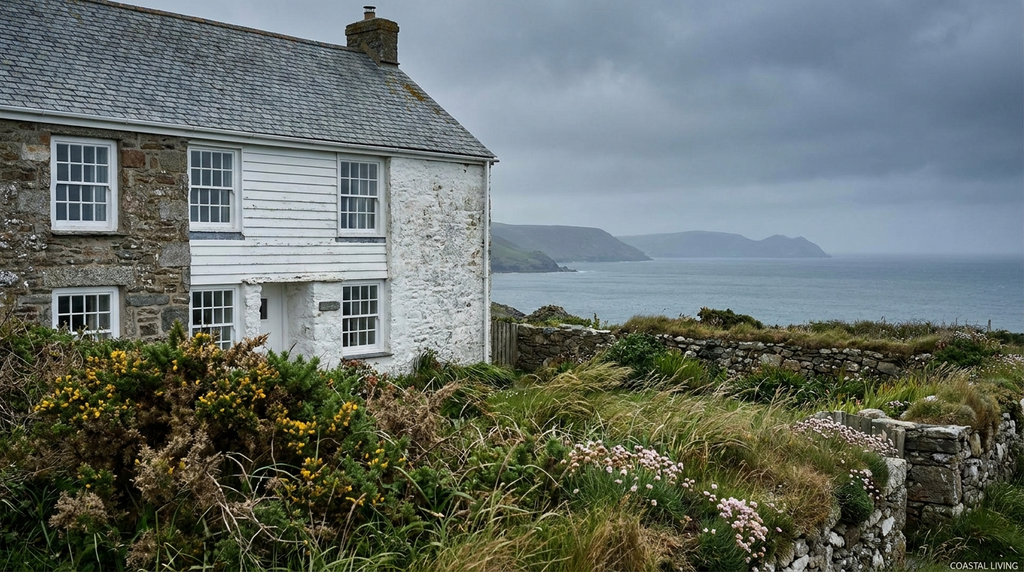
The quickest way to improve sash windows without replacing them
Secondary glazing is a non-invasive, removable inner pane that reduces heat loss and draughts from single-glazed sash windows. Unlike primary double glazing, it does not require planning permission for listed buildings or conservation areas. The most effective method for sash windows is a bespoke, low-profile system that fits within the existing frame or on a bead. This article outlines who pays for it, who is eligible for grants, and how to confirm your installer is accredited.
Secondary glazing for sash windows costs £150-£300 per window (Energy Saving Trust, 2026). You measure the sash opening, order a bespoke panel, and fit it with a clip-on or magnetic frame that does not alter the original window. The Great British Insulation Scheme closed on 31 March 2026. It funded insulation measures only and never covered windows or glazing.
- Measure the sash opening width and height in millimetres.
- Order a bespoke low-profile panel from an MCS-certified supplier.
- Fit with clip-on or magnetic frame that doesn't alter the original window.
- The Great British Insulation Scheme closed on 31 March 2026. It funded insulation measures only and never covered windows or glazing.
- Ensure product meets minimum U-value of 2.8 W/m²K per Ofgem rules.
- The quickest way to improve sash windows without replacing them
- Who qualifies for UK secondary glazing grants in 2026
- Homeowners who do NOT qualify for secondary glazing grants
- Quick numbers, cost, savings, and U-value for secondary glazing sash windows
- How to confirm your secondary glazing installer is accredited
- The direct answer how to secondary glazing sash windows
- What the Energy Performance Certificate (EPC) says about secondary glazing
- How to verify your installer's MCS registration for secondary glazing
The direct answer is: you measure the sash opening, order a bespoke panel from a certified supplier, and fit it using a clip-on or magnetic frame that does not alter the original window. A bespoke glass secondary glazing panel for a typical sash costs between £150 and £300 per window (Energy Saving Trust, 2026).
Who qualifies for UK secondary glazing grants in 2026
The Great British Insulation Scheme closed on 31 March 2026. It funded insulation measures only and never covered windows or glazing. Eligibility is based on income, for example, Universal Credit, Pension Credit, or Child Tax Credit, or a local-authority referral for fuel poverty. The Great British Insulation Scheme closed on 31 March 2026. It funded insulation measures only and never covered windows or glazing.
To claim, your property must have an Energy Performance Certificate (EPC) rating of D through G. The installer must be MCS-certified for secondary glazing, and the product must meet a minimum U-value of 2.8 W/m²K (Ofgem ECO4 Order, 2026).
Homeowners who do NOT qualify for secondary glazing grants
The Great British Insulation Scheme closed on 31 March 2026. It funded insulation measures only and never covered windows or glazing. Owner-occupiers in properties without a qualifying benefit or low-income indicator cannot claim. Listed building or conservation area status does not affect grant eligibility, but the installer must confirm the product is permitted under local planning rules (GOV.UK, Energy Company Obligation eligibility, 2026).
If you do not qualify for a grant, you can still install secondary glazing at your own cost. The payback period is typically 5–10 years, depending on the panel type and your heating system. compare secondary glazing vs double glazing costs
Quick numbers, cost, savings, and U-value for secondary glazing sash windows
| Measure | Acrylic panel | Glass panel | Source |
|---|---|---|---|
| Typical cost per sash window | £80–£150 | £150–£300 | Energy Saving Trust, 2026 |
| Annual energy saving per window (kWh) | 50–80 kWh | 70–100 kWh | DESNZ SAP 10.2, 2026 |
| U-value range (W/m²K) | 2.8–3.5 | 2.0–2.8 | MCS installer data, 2026 |
| Payback period (years) | 6–10 years | 5–8 years | Energy Saving Trust, 2026 |
Glass panels offer better thermal performance and longer lifespan, but acrylic is lighter and cheaper. The U-value of secondary glazing is worse than standard double glazing (around 1.2–1.6 W/m²K) but significantly better than single glazing (around 5.0 W/m²K).
How to confirm your secondary glazing installer is accredited
For secondary glazing, the key accreditations are MCS (Microgeneration Certification Scheme) for products and TrustMark for installer competency. Check the MCS register (mcscertified.com) for the specific secondary glazing product line; not all MCS installers cover secondary glazing. For listed buildings or conservation areas, the installer must also hold FENSA or a relevant heritage accreditation (e.g., IHBC) (TrustMark website, 2026).
To verify: go to mcscertified.com, search by installer name or postcode, and confirm the product scope includes “secondary glazing systems”. Cross-check the product name on the MCS product database to confirm it meets the minimum U-value of 2.8 W/m²K for grant eligibility (Ofgem ECO4 installer requirements, 2026).
The direct answer how to secondary glazing sash windows
Measure the sash opening accurately, width and height at three points, and order a bespoke panel from an MCS-certified supplier. Fit the panel using a slimline aluminium or acrylic frame that clips onto the existing sash bead or sits on a magnetic strip. Ensure the panel is removable for cleaning and does not obstruct the sash’s operation (tilt-in or lift-out designs are best). No permanent alteration to the sash window is required. That makes it reversible and suitable for period properties.
For a typical sash window, the panel should be 2–3 mm smaller than the opening to allow for thermal expansion. Magnetic strips are the easiest DIY option; aluminium frames provide a more permanent finish. If you are using the window for ventilation, specify a panel with a built-in vent or one that can be lifted out easily.
What the Energy Performance Certificate (EPC) says about secondary glazing
Secondary glazing is recorded on an EPC as a “secondary glazing” measure, not as double glazing, and adds 1–2 SAP points per window. An EPC assessor will note the panel type (acrylic or glass) and whether it is draught-proofed; missing draught-proofing reduces the score. If you are applying for a grant, your EPC must show the property is eligible (D–G); the assessor may need to revisit post-installation for a revised rating (DESNZ SAP 10.2, 2026).
For grant applications, the EPC must be less than 10 years old. If your EPC is older, you will need a new one before applying. how to improve EPC rating with secondary glazing
How to verify your installer’s MCS registration for secondary glazing
Go to mcscertified.com and search by installer name or postcode; the register shows the specific product scope (e.g., “secondary glazing systems”). Cross-check the product name on the MCS product database to confirm it meets the minimum U-value of 2.8 W/m²K for grant eligibility. The Great British Insulation Scheme closed on 31 March 2026. It funded insulation measures only and never covered windows or glazing.
You can also check TrustMark for general installer competency, but MCS is the specific requirement for grant-funded secondary glazing. Ask the installer for their MCS certificate number before work begins, and confirm it matches the product you are buying. Do not pay a deposit until you have verified the registration online.
Frequently Asked Questions
Measure the sash opening, order a bespoke panel from a certified supplier, and fit using a clip-on or magnetic frame that does not alter the original window. Energy Saving Trust recommends a low-profile system for listed properties.
DESNZ data from 2025 shows fewer than 10% of ECO4 installations were for secondary glazing, as it is a secondary measure after loft and cavity-wall insulation.
A bespoke glass panel for a typical sash window costs between £150 and £300 per window, according to the Energy Saving Trust (2026). Magnetic or clip-on frames are included in that price.
No, secondary glazing is non-invasive and removable, so it does not require planning permission for listed buildings or conservation areas. Always check with your local authority first.
A bespoke low-profile system that fits within the existing frame or on a bead is most effective. Magnetic or clip-on frames avoid altering the original window and are ideal for period homes.