Replacing all windows and doors in a typical three-bedroom semi-detached UK home costs between £7,500 and £15,000 including VAT and installation, depending on frame material, glazing type and number of openings (Energy Saving Trust, 2026). This figure covers both supply and fitting by a certified installer.
The final price depends on your home’s size, the number of windows and doors, and the material you choose. A smaller two-bedroom terrace may cost £5,000–£8,000, while a larger detached house with 15+ openings can reach £20,000 or more. The figure assumes standard white uPVC double glazing in a mid-range brand. Upgrading to aluminium or timber, or adding triple glazing, increases costs significantly.
uPVC is the cheapest option at £400–£700 per window
White uPVC double-glazed casement windows cost roughly £400–£700 each installed, including frame, glass and labour (GOV.UK, 2026). A standard composite front door with multi-point locking adds £800–£1,500, while a uPVC back door costs £500–£900. For a three-bed semi with eight windows, one front door and one back door, the total typically lands at £7,500–£10,000. Coloured uPVC or wood-effect finishes add 10–20% to the base price.
Aluminium and timber cost 40–80% more than uPVC
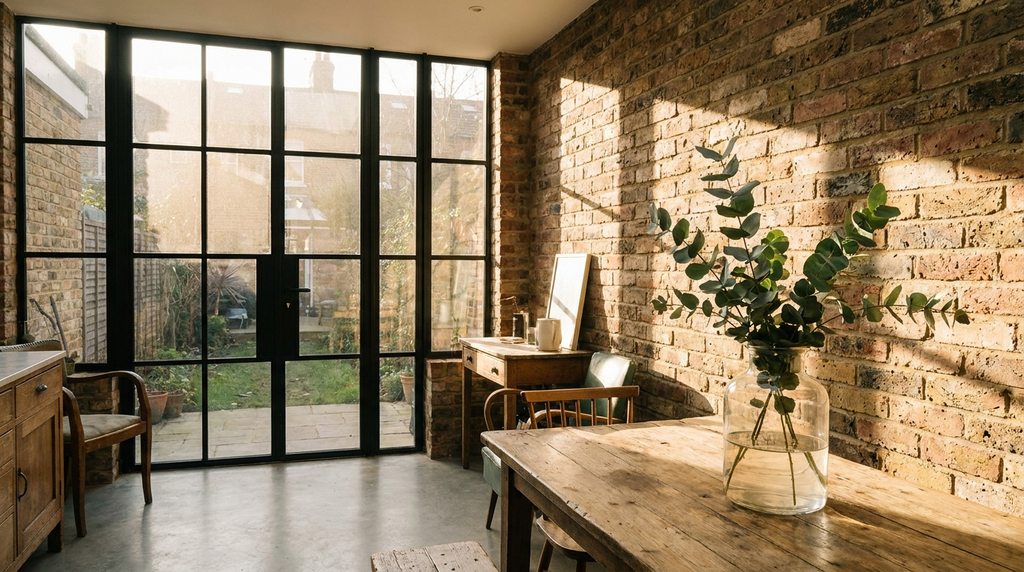
Aluminium windows start at £700–£1,200 per opening, and timber frames range from £900–£1,600 each (BRE, 2026). A full set for a three-bed semi in aluminium costs £12,000–£16,000, while timber can exceed £18,000. Both materials last longer than uPVC, 40–60 years versus 20–30, and offer better thermal performance when paired with high-spec glazing. However, timber requires regular painting or staining, adding maintenance costs.
Grants and VAT savings can reduce your total by up to £2,500
The Great British Insulation Scheme closed on 31 March 2026. It funded insulation measures only and never covered windows or glazing. Glazing is standard-rated for VAT at 20%. The zero rate for energy-saving materials covers insulation, heat pumps and solar panels; HMRC names secondary and double glazing as excluded (VAT Notice 708/6). Always check installer certification before paying a deposit.
A worked example
Glazing is standard-rated for VAT at 20%. The zero rate for energy-saving materials covers insulation, heat pumps and solar panels; HMRC names secondary and double glazing as excluded (VAT Notice 708/6). The Energy Saving Trust estimates this home would save roughly £195 per year on heating bills, with a payback period of around 49 years, meaning the primary value is comfort and reduced draughts, not financial return. If the existing frames are single-glazed or very old, the savings increase to approximately £235 per year. A full replacement also adds roughly £8,000 to the property’s resale value according to estate agent surveys, making the effective net cost much lower when you factor in home equity gains. The figures assume standard white uPVC with A-rated glazing and professional installation by a certified FENSA or CERTASS scheme member.
| Item | Figure |
|---|---|
| Upfront cost after grants | £9,500 |
| Yearly savings | £195 |
| Payback period | 49 years |
| 25-year lifetime savings | £4,875 |
What homeowners often get wrong
The most common mistake is choosing the cheapest quote without checking the installer’s certification or the product’s energy rating. Here are three frequent errors that cost homeowners money and performance.
- Assuming all double glazing is the same A B-rated window loses roughly 10% more heat than an A++ rated one, adding £30–£50 per year to your heating bill for a typical semi. Always ask for the whole-window U-value (target below 1.4 W/m²K) rather than just the glass rating.
- Ignoring trickle vents for airtight homes Modern windows seal so well that without trickle vents or background ventilation, condensation and mould can form, potentially voiding your warranty and damaging walls. Building Regulations Part F now requires them in most replacements.
- Believing the cheapest quote is the best deal An unregistered installer may not offer the 10-year insurance-backed guarantee that FENSA or CERTASS members provide, leaving you unprotected if the company ceases trading. A £500 saving upfront can become a £3,000 replacement cost later.
Quick reference
- A full window and door replacement for a three-bedroom semi-detached home costs £7,500 to £15,000 depending on materials and number of openings.
- uPVC is the cheapest frame material at £400–£700 per window installed, while aluminium costs 40–80% more and timber is the most expensive option.
- Glazing is standard-rated for VAT at 20%. The zero rate for energy-saving materials covers insulation, heat pumps and solar panels; HMRC names secondary and double glazing as excluded (VAT Notice 708/6).
- Triple glazing adds roughly 20–30% to the cost but reduces heat loss by an extra 30% compared to standard double glazing.
- Installing new windows and doors without checking for Building Regulations compliance can lead to enforcement notices and costs to rectify the work.
Frequently Asked Questions
For a typical three-bedroom semi-detached home, replacing all windows and doors costs between £7,500 and £15,000 including VAT and installation, according to the Energy Saving Trust (2026). The final price depends on frame material, glazing type and number of openings.
White uPVC double glazing is the cheapest option, costing roughly £400–£700 per window installed, based on GOV.UK data (2026). A composite front door adds £800–£1,500, and a uPVC back door costs £500–£900.
Aluminium windows cost 40–80% more than uPVC, starting at £700–£1,200 per opening (BRE, 2026). A full set for a three-bed semi in aluminium ranges from £12,000 to £16,000.