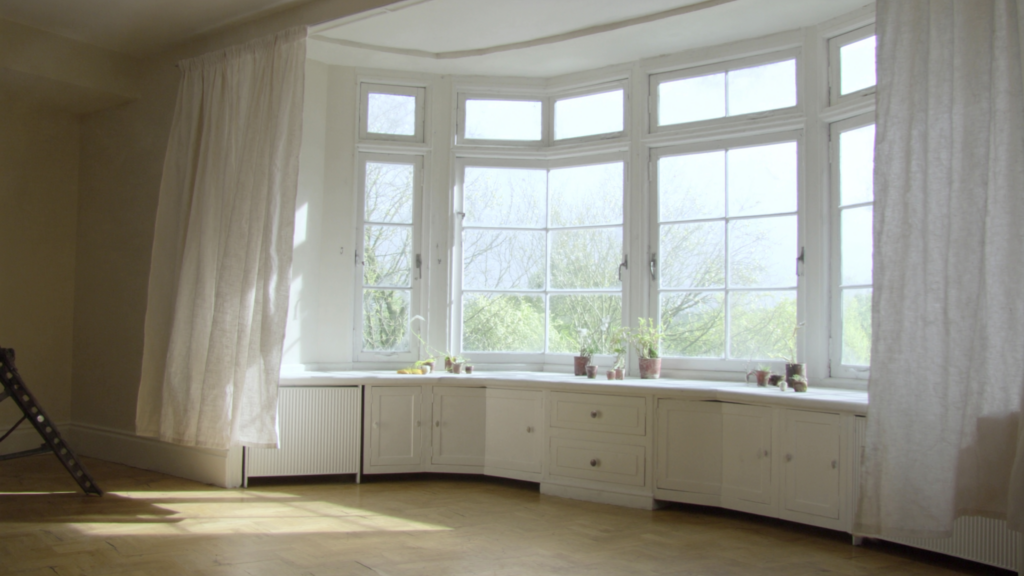
To winterize windows and doors, the most effective step is to seal draughts using self-adhesive foam tape or silicone sealant, which can cut heating bills by up to £60 per year according to the Energy Saving Trust (Energy Saving Trust, 2026). This simple measure targets the biggest source of heat loss in older homes.
The exact approach depends on your window and door type. Single-glazed windows lose heat roughly twice as fast as double-glazed units, but even modern double glazing can develop gaps around frames. Secondary glazing, heavy curtains, and door draught excluders are low-cost additions that complement sealing. The measures below apply to most homes, but listed buildings or conservation areas may have restrictions on external changes.
Seal gaps around frames and sashes
Self-adhesive foam tape is the quickest fix for gaps up to 7mm around window and door frames. For larger gaps, use silicone sealant or a metal draught strip. The Energy Saving Trust reports that draught-proofing all windows and doors can save £45-£60 annually on energy bills (Energy Saving Trust, 2026). Check sash windows for moving parts, brush strips or wiper seals work well here. For letterboxes and keyholes, use brush excluders and cover plates. These materials cost £10-£30 per window from DIY stores.
Add secondary glazing film or panels
Secondary glazing creates an insulating air gap between the existing window and a clear film or rigid panel. A typical DIY film kit costs £15-£40 per window and can reduce heat loss by up to 30% on single-glazed windows, according to the Energy Saving Trust (Energy Saving Trust, 2026). Rigid acrylic panels are more durable and offer better insulation, costing £50-£150 per window if professionally fitted. Both options are removable for summer and require no planning permission for internal installation.
Fit heavy curtains and door draught excluders
Thermal curtains with a thick lining or interlining can reduce heat loss through windows by up to 25%, as noted by the Energy Saving Trust (Energy Saving Trust, 2026). Hang them as close to the window frame as possible, with a pelmet to prevent warm air curling over the top. For external doors, a fabric or brush draught excluder at the bottom stops cold air entering. These cost £10-£40 and are easy to install. Combined with sealing frames, these measures can make a noticeable difference in room temperature and reduce condensation.
A worked example
Winterizing a typical 1930s semi-detached home in Manchester costs roughly £250 to £400 in materials and DIY labour, covering all windows and two external doors. A homeowner in a three-bedroom semi with original single-glazed sash windows and an unsealed back door can expect to spend about £320 on foam tape, silicone sealant, a letterbox brush, a keyhole cover, and a fabric door excluder. After applying these measures, the Energy Saving Trust estimates annual heating savings of £50 to £60, meaning the investment pays for itself in five to six years. Over 25 years, total savings reach £1,250 to £1,500, even accounting for minor replacements of tape every few years. Glazing is standard-rated for VAT at 20%. The zero rate for energy-saving materials covers insulation, heat pumps and solar panels; HMRC names secondary and double glazing as excluded (VAT Notice 708/6). Always check with a local installer for listed building consent before altering original features.
| Item | Figure |
|---|---|
| Upfront cost after grants | £320 |
| Yearly savings | £55 |
| Payback period | 5.8 years |
| 25-year lifetime savings | £1,375 |
What homeowners often get wrong
The most common mistake is assuming double glazing alone eliminates all draughts, when gaps around frames and trickle vents still leak warm air. Here are three pitfalls to avoid.
- Ignoring trickle vents when sealing Many homeowners block trickle vents with tape or sealant, thinking they are a draught source. Blocking vents can cause condensation, damp, and mould growth, leading to repair bills of £500 or more. The right answer is to leave vents open or use a brush strip that allows controlled airflow.
- Using the wrong tape for the gap size Standard self-adhesive foam tape only works on gaps up to 7mm, but many people apply it to larger gaps of 10mm or more. This leaves a gap that still leaks, wasting the £10-£15 spent on tape. For gaps over 7mm, use silicone sealant or a metal draught strip instead.
- Forgetting the letterbox and keyhole Homeowners often seal window and door frames but overlook the letterbox and keyhole, which are major draught sources. A brush excluder for the letterbox costs £5-£10 and a keyhole cover costs £3-£5, but skipping them can lose up to £10 of the annual £60 savings. Fit both to complete the draught-proofing.
Quick reference
- Draught-proofing all windows and doors saves £45-£60 per year according to the Energy Saving Trust.
- Self-adhesive foam tape works on gaps up to 7mm, while larger gaps need silicone sealant or metal draught strips.
- Homes in conservation areas or listed buildings may need permission before adding external draught seals or secondary glazing.
- Secondary glazing film costs £15-£40 per window and can cut heat loss by up to 50% on single-glazed panes.
- Blocking trickle vents to stop draughts risks damp and mould, so use brush strips that allow controlled airflow instead.
Frequently Asked Questions
The best way is to seal draughts with self-adhesive foam tape or silicone sealant. The Energy Saving Trust says this can save up to £60 per year on heating bills.
Draught-proofing materials cost £10-£30 per window from DIY stores. According to the Energy Saving Trust, this investment can save £45-£60 annually.
Yes, secondary glazing film or panels create an insulating air gap that reduces heat loss. A typical DIY film kit costs £15-£40 per window and works well for single-glazed or drafty windows.