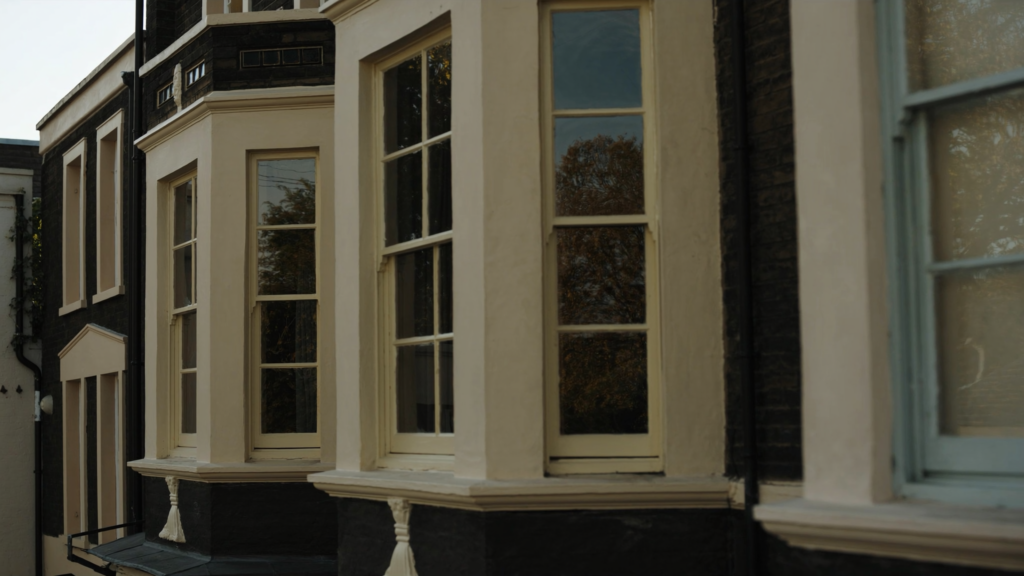
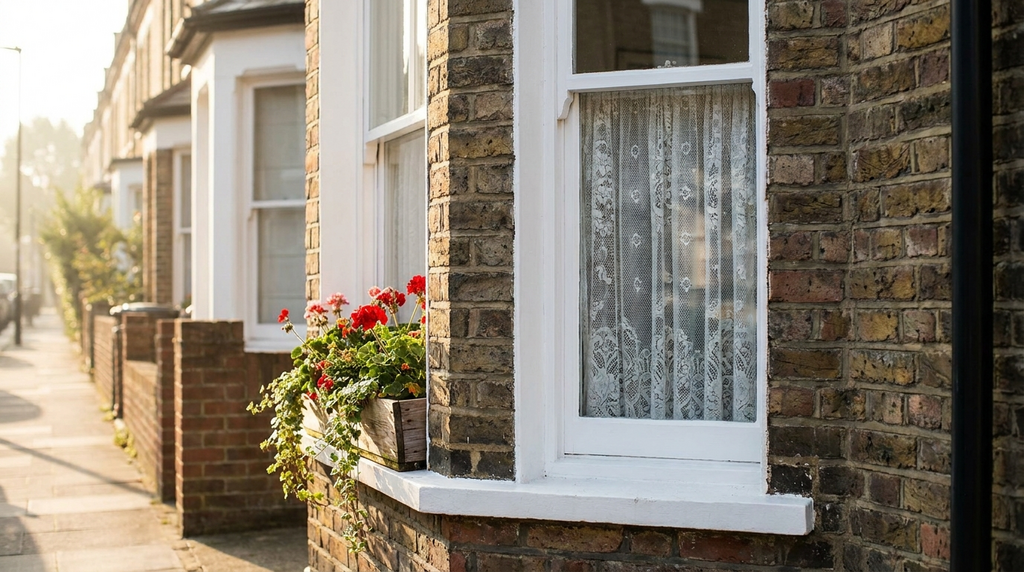
1. Seal frame-to-wall gaps with silicone sealant
The largest draughts around windows usually come from gaps between the window frame and the wall. Filling these with silicone or acrylic sealant is the single most effective fix. A tube of sealant costs £5–£10 per window and applying it is a straightforward DIY job. The Energy Saving Trust states that sealing these gaps can cut heat loss by up to 20% (Energy Saving Trust, 2026).
- Use a caulking gun for a neat, continuous bead of sealant
- Check for gaps around the entire frame, including the top and sill
- Allow sealant to cure fully before painting over it
2. Fit self-adhesive foam strips to opening sashes
For casement, tilt-and-turn, or awning windows, the gap between the opening sash and the frame is the main draught point. Self-adhesive foam strips compress when the window closes, creating a tight seal. These cost £3–£8 per window and take minutes to install. The Energy Saving Trust confirms that foam strips typically pay for themselves within one heating season (Energy Saving Trust, 2026).
- Choose EPDM foam for better durability than standard PVC
- Measure the gap width before buying, strips come in 5mm to 15mm depths
- Clean the frame surface with alcohol wipes before applying for a strong bond
3. Install brush seals on sliding sash windows
Traditional sliding sash windows are notoriously draughty because the sashes move past each other. Brush seals fit into the gap between the inner and outer sashes and also along the frame edges. They cost £8–£15 per window and allow the sash to slide freely while blocking air flow. The Energy Saving Trust recommends brush seals specifically for sash windows as they accommodate movement without losing effectiveness (Energy Saving Trust, 2026).
- Measure the full perimeter of each sash before ordering brush strip
- Cut brush strip with sharp scissors or a craft knife for a clean fit
- Nylon brushes last longer than polyester in high-use windows
4. Use secondary glazing film for single-glazed windows
If you have single-glazed windows, secondary glazing film is a low-cost way to create an insulating air gap. The clear plastic film is taped to the window frame and shrunk with a hairdryer. It costs £10–£20 per window and is removable at the end of winter. The Energy Saving Trust says secondary glazing can reduce heat loss through single glazing by up to 60% (Energy Saving Trust, 2026).
- Use double-sided tape designed for glazing film to avoid residue
- Apply the film on a warm, dry day for best shrinkage results
- Replace film each season as it can sag over time
5. Add a draught-excluder strip to the window sill
Many windows have a noticeable gap at the bottom between the sash and the sill. A rubber or bristle strip fixed to the underside of the sill stops cold air rising from below. These strips cost £5–£10 and are easy to cut to size. The Energy Saving Trust lists sill strips as an effective option for windows with a persistent gap at the bottom (Energy Saving Trust, 2026).
- Self-adhesive sill strips work well on uPVC and metal frames
- Screw-fix strips are better for wooden sills that see frequent opening
- Check the strip does not prevent the window from closing fully
6. Fill small cracks with weatherproof caulk
Hairline cracks around the window frame or between the frame and wall are too narrow for standard sealant. Weatherproof caulk is thinner and built to fill these tiny gaps. A tube costs £4–£8 and covers several windows. The Energy Saving Trust notes that caulk is a low-cost fix for minor gaps that otherwise let in a steady stream of cold air (Energy Saving Trust, 2026).
- Apply caulk with a fine nozzle for precise control
- Smooth the bead with a damp finger for a neat finish
- Use paintable caulk if you plan to paint over it later
7. Check and replace worn window hinges
Loose or worn hinges cause the window sash to sag, creating uneven gaps that let in draughts. Tightening the hinge screws can sometimes solve the problem. If the hinge is damaged, replacement hinges cost £5–£15 each. The Energy Saving Trust advises that tightening or replacing hinges can improve the contact between the sash and the seal, reducing draughts significantly (Energy Saving Trust, 2026).
- Check all four corners of the sash for consistent gap width
- Use stainless steel hinges for external windows to avoid rust
- Adjust the hinge tension on uPVC windows with an Allen key
8. Apply draught-proofing tape to fixed panes
Non-opening windows, such as fixed panes in a bay window, can still leak air at the joint between the glass and the frame. Self-adhesive draught-proofing tape seals this gap quickly. A roll costs £3–£6 and covers several windows. The Energy Saving Trust confirms that tape is quick to apply and effective for fixed panes where other methods are not suitable (Energy Saving Trust, 2026).
- Use clear tape for an almost invisible finish
- Replace tape annually as adhesive can weaken over time
- Apply tape to clean, dry glass for the strongest hold
9. Install a key-operated window lock for better compression
Many uPVC windows have a locking mechanism that pulls the sash tighter against the frame seal. Adding a key-operated lock or replacing a worn one can improve this compression. Locks cost £10–£25 per window. Secured by Design notes that compression locks also improve security by making the window harder to force open (Secured by Design, 2026).
- Check the existing lock type before buying a replacement
- Adjust the lock strike plate if the sash does not close evenly
- Lubricate the mechanism annually with silicone spray
10. Use a removable foam draught excluder for temporary gaps
For windows that need repair or in rented homes where permanent changes are not allowed, a removable foam draught excluder is a practical stopgap. These come as strips or sausage-shaped cushions that sit on the sill. They cost £5–£10 and can be taken down in summer. The Energy Saving Trust says these are useful for temporary situations or windows that cannot be sealed permanently (Energy Saving Trust, 2026).
- Choose a foam excluder with a non-slip base to keep it in place
- Measure the window width accurately for a snug fit
- Store excluders flat during summer to prevent deformation
Stopping window draughts is one of the cheapest ways to reduce your home’s heat loss, with most fixes costing under £20 per window and paying for themselves within a year. Start with the largest gaps around the frame, then work through the opening sashes, and you will notice an immediate difference in comfort and energy bills.
Frequently Asked Questions
The cheapest way is self-adhesive foam strips, costing £3-£8 per window. The Energy Saving Trust says they pay for themselves within one heating season.
Costs range from £3 for foam strips to £15 for brush seals per window, or £10-£20 for secondary glazing film. Silicone sealant costs £5-£10 per tube, according to the Energy Saving Trust.
Yes, draught excluders at the window sill block floor-level draughts for £5-£15. The Energy Saving Trust confirms they reduce heat loss when combined with other seals.
Use brush seals fitted between the inner and outer sashes, costing £8-£15 per window. The Energy Saving Trust recommends them as they allow sliding while blocking airflow.
Silicone or acrylic sealant is best for frame-to-wall gaps, costing £5-£10 per tube. The Energy Saving Trust states it can cut heat loss by up to 20%.