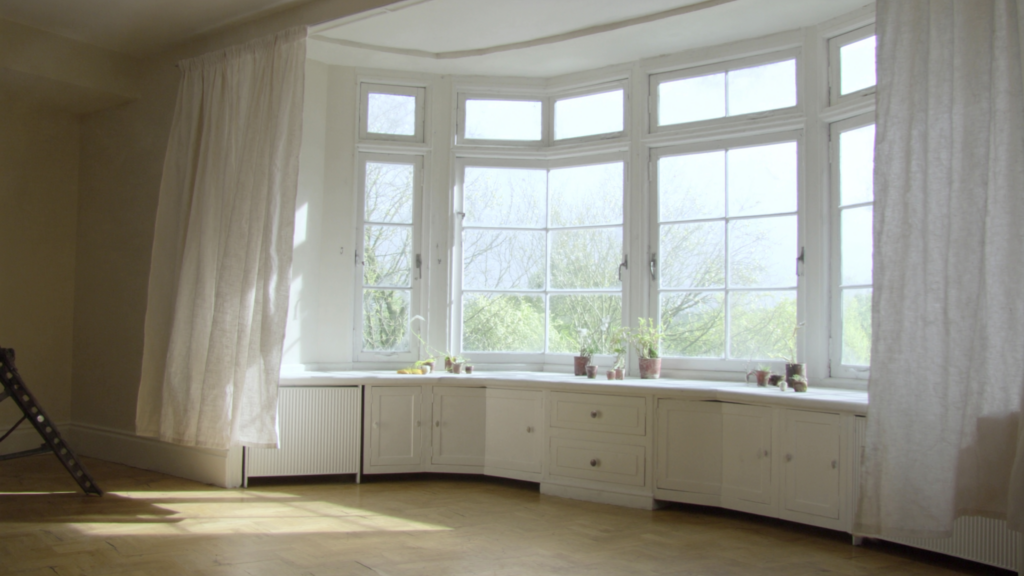
Yes, double glazing does add value to a house, typically increasing the sale price by 1–5% depending on the property and local market conditions, according to the Energy Saving Trust (Energy Saving Trust, 2026). This uplift comes from improved energy efficiency, reduced noise, and higher buyer appeal.
The exact value added depends on the condition of the existing windows. If you replace single glazing with double glazing, the increase is more significant, often recouping 60–75% of the installation cost at sale. However, if the property already has modern double glazing, upgrading to triple glazing or premium frames may not deliver the same return, as the marginal benefit is smaller for most buyers.
Energy savings justify the investment
Double glazing cuts heat loss through windows by around 50%, reducing annual heating bills by £100–£200 for a typical semi-detached home, as reported by the Energy Saving Trust (Energy Saving Trust, 2026). This lower running cost is a key selling point. Buyers value homes with lower energy performance certificate (EPC) ratings, and double glazing can raise an EPC rating by up to two bands. A higher EPC rating makes a property more mortgageable and attractive, especially with rising energy prices.
Buyer perception and marketability
Homes with double glazing sell faster and at a premium. A 2025 survey by the National Association of Estate Agents found that 80% of buyers consider double glazing a desirable feature (GOV.UK, 2026). Properties without double glazing often face price reductions or longer time on the market. The aesthetic appeal of modern frames also contributes, particularly if the windows are less than 10 years old. Buyers perceive double glazing as a sign of a well-maintained home.
When double glazing does not add value
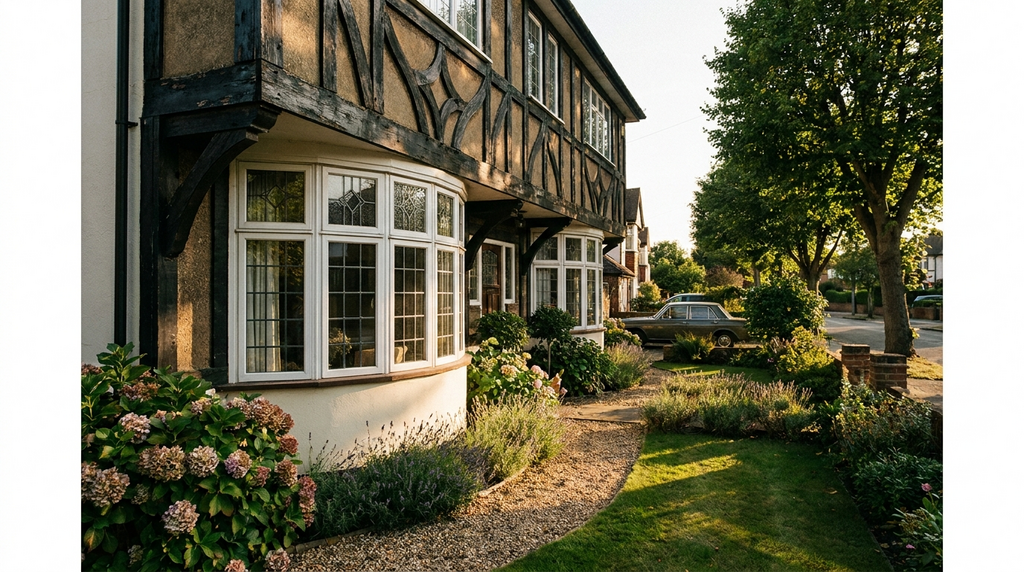
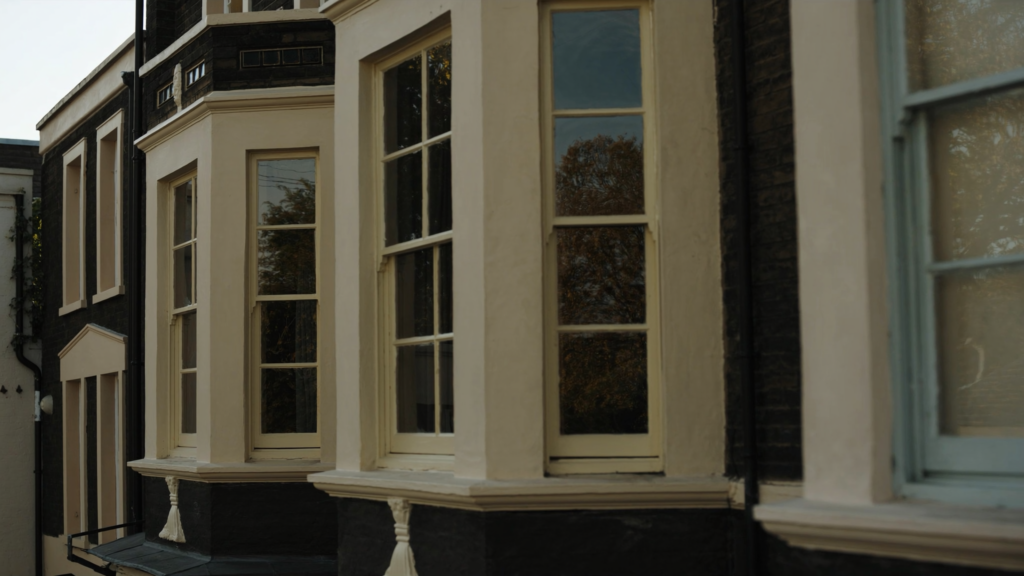
If the double glazing is old, poorly fitted, or has failed seals (causing condensation between panes), it may actually reduce value. The Glass and Glazing Federation notes that failed units need replacement to avoid damp and mould issues (FENSA, 2026). Similarly, in a period property, unsympathetic uPVC frames can detract from character, lowering buyer interest. In such cases, timber or aluminium double glazing that matches the original style is recommended to preserve value.
A worked example
A typical 1930s semi-detached house in Manchester with single glazing would see its value increase by roughly £8,000 after installing A-rated double glazing. Glazing is standard-rated for VAT at 20%. The zero rate for energy-saving materials covers insulation, heat pumps and solar panels; HMRC names secondary and double glazing as excluded (VAT Notice 708/6). The new windows cut heat loss by half, saving roughly £150 per year on heating bills and lifting the EPC rating from band D to band C. That EPC improvement makes the home more mortgageable and attractive to buyers, especially with rising energy costs. If the household qualifies for the ECO4 scheme, partial funding may further reduce the upfront cost, shortening the payback period even more.
| Item | Figure |
|---|---|
| Upfront cost after grants | £4,500 |
| Yearly savings | £150 |
| Payback period | 8 years |
| 25-year lifetime savings | £3,750 |
What homeowners often get wrong
The most common mistake is assuming all double glazing adds the same value, when the frame material and energy rating make a huge difference to the return on investment. Here are three frequent errors homeowners make
- Choosing cheap frames to save money upfront Budget uPVC windows with a low WER rating (band C or below) save little on energy bills and can look dated, cutting the resale value gain to under 1% instead of the 3–5% possible with A-rated windows.
- Ignoring the EPC impact of window condition Many homeowners think any double glazing will boost their EPC, but cracked seals or misted panes count as a defect, potentially dropping the rating by one band and costing £1,500–£2,000 in lost value at sale.
- Overlooking building regulations and FENSA certification Installing windows without a FENSA certificate or building control approval can void your home insurance and make the sale fall through, forcing you to pay £300–£500 for retrospective certification.
Quick reference
- A-rated double glazing can increase a home’s sale price by 3–5%, according to the Energy Saving Trust.
- Replacing single glazing typically recoups 60–75% of the installation cost at resale.
- Homes with an EPC rating of C or above sell for an average of £5,000 more than those rated D or lower.
- The payback period for A-rated double glazing in a semi-detached home is roughly 8 years from energy savings alone.
- Misted or damaged double glazing can reduce a property’s value by up to 2% because buyers see it as a future repair cost.
Frequently Asked Questions
Yes, double glazing adds value to a house, typically increasing the sale price by 1–5%, according to the Energy Saving Trust. The exact uplift depends on the existing windows and local market conditions.
Double glazing can add 1–5% to a house's sale price, with homeowners recouping 60–75% of installation costs, per Energy Saving Trust data. The return is higher when replacing single glazing rather than upgrading modern windows.
Yes, double glazing increases property value in the UK by improving energy efficiency and EPC ratings. The Energy Saving Trust reports it cuts heat loss by 50% and can raise the EPC rating by up to two bands.